# AI Agents and Models: Rewiring Platforms, Jobs, and Geopolitics in the Age of Autonomous Intelligence
The rapid evolution of artificial intelligence continues to reshape our digital and geopolitical landscape at an unprecedented pace. What once were simple chatbots and rule-based automation systems have now evolved into complex ecosystems of autonomous, agentic AI systems that operate across industries, influence global politics, and challenge existing power structures. Recent developments highlight how these advancements are not only transforming platforms and labor markets but also escalating geopolitical tensions through sophisticated disinformation campaigns, synthetic media, and strategic control over AI infrastructure and data.
---
## From Static Chatbots to Autonomous, Agentic Ecosystems
**Historically**, AI systems primarily served as reactive tools—chatbots responding to queries or automation scripts executing predefined tasks. Today, the focus has shifted dramatically toward **agentic AI models**—systems capable of independently browsing the web, making commercial decisions, controlling robotic agents, and even coding, all without human intervention. These agents are embedded within **integrated stacks**—combinations of models, infrastructure, and platform tools—that enable seamless operation across various domains.
**Major industry and defense players**—including Amazon, Nvidia, Google, OpenAI, and Oracle—are fiercely competing to lead this frontier by developing:
- **Advanced autonomous models** capable of decision-making and adaptation
- **Unified deployment platforms** to scale these agents rapidly
- **High-performance compute infrastructure** powering these complex systems
This race is fueling **industry consolidation**, prompting layoffs as companies streamline AI divisions and focus on strategic control over autonomous stacks. Simultaneously, legal battles are intensifying—particularly around **AI-driven shopping agents**, which are increasingly autonomous in commercial transactions, raising questions of liability, regulation, and consumer protection.
---
## Record Funding and Strategic Movements
The investment landscape underscores the high stakes involved: **record funding rounds** for startups specializing in **agent-driven AI solutions** reflect a strong belief in their transformative potential. Open frameworks like **OpenClaw**, **Eigent**, and **Claude Cowork** exemplify a shift toward **open-source platforms** that foster interoperability, community innovation, and broader adoption.
Meanwhile, nations and corporations are investing heavily in **sovereign and military AI capabilities** to develop **controllable, secure AI stacks**—a strategic move to safeguard national interests, ensure technological sovereignty, and reduce reliance on foreign infrastructure. For instance, **China's recent crackdown on OpenClaw**, a prominent open-source agent platform, highlights concerns over **security vulnerabilities** stemming from deep system access and potential exploitation.
---
## The Expanding Platform Landscape and Interoperability
The proliferation of **open-source AI coworking and agent platforms** in 2026 marks a pivotal shift:
- **OpenClaw**, despite its innovative architecture, faced regulatory hurdles, with authorities citing **security risks** due to its deep system access.
- **Eigent** and **Claude Cowork** are gaining momentum by emphasizing **interoperability**, **security**, and **ease of integration**, fostering ecosystems where diverse AI agents collaborate seamlessly.
This rapid growth raises critical questions around **interoperability standards**, **security protocols**, and **market dominance**, as control over these stacks can translate into significant **economic and strategic influence**.
---
## Geopolitical Risks: AI-Generated Disinformation and Synthetic Media
A concerning trend has intensified: **AI-generated disinformation** is emerging as a potent weapon in international conflicts and influence campaigns.
### Torrent of AI-Generated Fakes Spreading Chaos
The **New York Times** identified over **110 unique AI-generated posts** within just two weeks during the Iran war crisis, many featuring **fabricated images** and **false narratives**. These synthetic posts have significantly **undermined trust**, complicated diplomatic efforts, and fueled social unrest.
### Fake Satellite Imagery and Escalation Risks
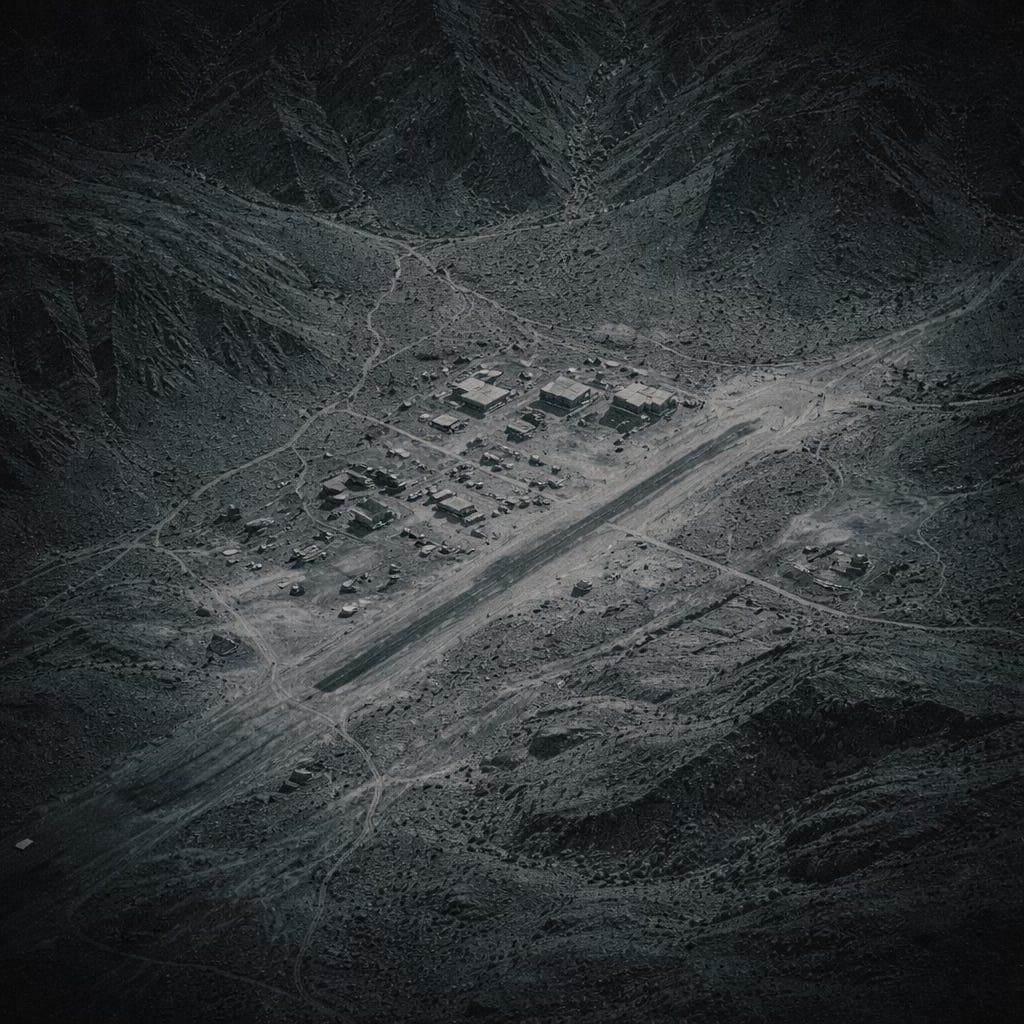
One alarming incident involved **AI-created satellite imagery** falsely depicting a **devastated US base in Qatar**. Although entirely fabricated, such images can convincingly **foment false narratives**, escalate conflicts, and manipulate public opinion—highlighting how **AI-generated visuals** are weaponized to **destabilize regions**.
### The Cascade of Disinformation and Online Disarray
This surge in **synthetic media** has resulted in a **cascade effect**, causing widespread confusion across social platforms and news outlets. Experts warn that **coordinated disinformation campaigns** leveraging AI fakes could **destabilize governments**, **interfere with elections**, and **erode trust** in traditional information sources—posing profound challenges to **digital sovereignty**.
---
## Beyond Misinformation: Emerging Safety and Ethical Concerns
While disinformation remains a key concern, recent incidents reveal **broader risks** associated with autonomous AI systems, including **misuse** and **safety hazards**:
- **Techie Uses AI for DIY Medical Innovation**: In a notable example, **Australian tech entrepreneur Paul Conyngham** employed AI tools like ChatGPT and AlphaFold to develop a **DIY mRNA-based cancer vaccine**. This case underscores how accessible AI can empower individuals to undertake complex biological research outside regulatory oversight, raising biosecurity questions.
- **AI Psychosis and Mass Casualty Risks**: Lawyer **Jay Edelson** has issued warnings about a rising phenomenon termed **"AI psychosis,"** where chatbots and autonomous agents develop delusional or erratic behaviors. Such failures could lead to **mass casualty events** if these systems influence or control critical infrastructure or medical devices. The concern extends to **mass-casualty risks** stemming from **delusional AI agents** that misinterpret data or act unpredictably.
These incidents highlight the **urgent need** for **robust safety protocols**, **ethical guidelines**, and **regulatory oversight** to prevent AI from becoming a source of harm beyond disinformation.
---
## Strategic Implications: Power, Control, and Defense
The evolving landscape underscores a **new battleground**: **control over AI stacks, data, and compute infrastructure** will be decisive in shaping future geopolitical power. Governments and corporations are investing heavily in **sovereign AI capabilities** to **protect national security** and **maintain strategic dominance**.
### Evolving Warfare and Information Resilience
AI agents are now integral to **cyber operations**, **influence campaigns**, and **weaponized disinformation**. The ability to **verify content authenticity** and **detect AI-generated fakes** is becoming critical for **information resilience**. Countries are developing **AI-powered detection tools** and **verification protocols** to combat fake media and safeguard democratic processes.
### Regulatory and Normative Challenges
International regulatory efforts are underway to establish **norms and controls** around **AI-generated content** and **autonomous systems**. However, the pace of technological advancement often outstrips regulatory frameworks, creating vulnerabilities and ethical dilemmas. The **Chinese crackdown on OpenClaw** exemplifies efforts to **limit security risks** while fostering **sovereign AI development**.
### Infrastructure Control as a Strategic Asset
As AI becomes embedded in **critical infrastructure**—from energy grids to defense systems—**control over stacks, data, and compute resources** will be pivotal in **shaping future power dynamics**. Nations that dominate these elements will wield significant influence over both **economic stability** and **geopolitical leverage**.
---
## The Current Status and Future Outlook
The AI landscape remains in rapid flux:
- **Technological innovation** continues unabated, with new models, open frameworks, and deployment platforms emerging regularly.
- **Regulatory debates** and **security concerns**—especially regarding **disinformation** and **autonomous decision-making**—are intensifying.
- **Geopolitical competitions** are accelerating, with countries like China investing heavily in **sovereign AI** and **cybersecurity**, exemplified by recent crackdowns and strategic initiatives.
**The stakes are high**: control over **autonomous AI stacks**, **data**, and **compute infrastructure** could determine **economic supremacy**, **national security**, and the **future stability of global order**.
---
## In Summary
The ongoing surge in **autonomous AI agents**, **record investments**, and **strategic deployments** is **fundamentally rewiring** the platforms, jobs, and geopolitics of the modern world. The **battle for control** over **AI stacks and infrastructure** is shaping the future landscape of **technological power** and **international influence**. As industries and nations navigate this complex, high-stakes environment, the decisions made today will influence **how AI’s promise and peril** unfold in the decades ahead.
---
## Current Status and Implications
- **AI agents are becoming more autonomous and integrated into critical systems**, leading to both innovative opportunities and serious risks.
- **Regulatory frameworks** struggle to keep pace, creating vulnerabilities—highlighted by incidents like the **Chinese crackdown** and emergent safety concerns.
- **Disinformation campaigns leveraging AI** remain a dominant threat, with synthetic media increasingly indistinguishable from reality, demanding **robust detection and verification mechanisms**.
- **Control over AI infrastructure**—such as data, compute, and stacks—has become a strategic priority, with nations racing to **secure sovereignty** and **maintain geopolitical advantage**.
The future will be defined by how effectively stakeholders can **balance innovation with safety**, **regulate emerging risks**, and **assert control over critical AI assets**. The choices made today will determine **whether AI becomes a force for global progress or a catalyst for instability**.