# Major Federal Housing Legislation in 2026: Opportunities, Risks, and Broader Impacts
As the United States confronts an escalating housing crisis—characterized by skyrocketing costs, climate threats, and aging infrastructure—the momentum for comprehensive federal housing reform has reached a pivotal point in 2026. This year offers a rare window for transformative change, with legislative efforts aiming to radically reshape the housing landscape to promote affordability, climate resilience, and equity, while navigating complex political, legal, and implementation challenges. Recent developments underscore both the urgency of these reforms and their potential to generate ripple effects across sectors such as elder care, rural communities, and commercial real estate.
## Legislative Momentum: A Multifaceted Approach to Housing Reform
At the heart of 2026’s housing agenda is an ambitious legislative package that addresses multiple interconnected issues:
- **Expanding Affordable Housing Programs:**
The proposed legislation seeks to substantially boost federal funding and incentivize development of affordable housing across urban and rural regions. This effort aims to combat homelessness, address regional disparities, and remedy persistent shortages in underserved communities.
- **Embedding Climate Resilience and Disaster Preparedness:**
Recognizing climate change as an existential threat, reforms prioritize integrating resilience measures—such as flood-proofing, wildfire mitigation, and climate-adaptive infrastructure—into new and existing housing projects. These strategies aim to protect communities from increasingly severe weather events, reduce recovery costs, and save lives.
- **Streamlining Permitting and Regulatory Processes:**
To accelerate construction and lower costs, reforms include simplifying zoning, permitting, and approval procedures. Removing bureaucratic bottlenecks—especially in high-demand markets—is expected to swiftly increase housing supply.
- **Supporting Vulnerable and Marginalized Populations:**
Enhanced programs targeting seniors, persons with disabilities, and low-income families focus on ensuring equitable access to safe, affordable, and accessible housing. These efforts align with broader goals of fostering inclusive, age-friendly communities that accommodate diverse needs.
### Political Climate and Advocacy
While bipartisan recognition of the housing crisis persists, disagreements over the scope of reforms and funding priorities remain. Advocacy groups, community organizations, and local governments have actively lobbied for provisions emphasizing **equity** and **climate resilience**. Experts warn that **"missing this legislative window could delay or dilute critical reforms,"** highlighting the importance of swift action to prevent further deterioration of housing conditions nationwide.
## Recent Federal Actions and Policy Context
Several key initiatives and policy signals from 2025 and early 2026 are shaping the housing landscape:
### The 2025 Federal Budget Reconciliation Act (P.L. 119-21)
Enacted in early 2026, this landmark bill allocates substantial federal investments into housing, social supports, and aging services. Its multisectoral approach integrates housing with healthcare, transportation, and social programs—an essential strategy given demographic shifts toward an aging population. The legislation underscores a federal commitment to **holistic community development** and **intersectoral collaboration**.
### Emphasis on Multisector Planning for Aging Populations
Discussions highlight the importance of **"navigating federal changes"** through coordinated planning across sectors. These efforts aim to facilitate **aging-in-place**, reduce reliance on costly institutional care, and promote independence among seniors. The enactment of the reconciliation legislation is expected to bolster funding and policy support for these integrated strategies.
### Congressional Oversight and Hearings
On February 23, 2026, the **House Ways and Means Committee** held a significant hearing titled **"COMMITTEE ON WAYS AND MEANS (FEBRUARY 23, 2026)"**, scrutinizing progress and challenges related to housing and social support initiatives. This session exemplifies active congressional oversight and signals ongoing political engagement with the reform agenda.
### New Research Linking Medicaid Funding to Nursing Home Quality
A recent study titled **"Study links nursing home quality to higher Medicaid funding"** (reported by 90.5 WESA) emphasizes the critical connection between Medicaid investments and elder care standards. It indicates that **adequate Medicaid funding is vital for maintaining high-quality long-term care**, and warns that potential cuts could lead to declines in nursing home quality—threatening housing stability and care options for vulnerable seniors. This underscores the importance of sustained federal investment in elder care infrastructure.
## Emerging Policy Trends and New Developments
### Long-Term Care and Community-Based Services
Reforms increasingly focus on **community-based, integrated care models** designed to support aging-in-place. These initiatives aim to reduce reliance on costly institutional settings like nursing homes, aligning with housing policies emphasizing **accessibility**, **affordability**, and **resilience**.
### Expansion of Aid-in-Dying Laws and Elder Housing Implications
A notable legal development involves the expansion of **aid-in-dying laws**, with **New York** becoming the 14th state earlier this month. These laws influence end-of-life care options and have broad implications for elder housing choices, especially in assisted living and nursing home settings. As legal and ethical debates unfold, elder care providers face complex decisions regarding patient preferences, resource allocation, and regulatory compliance.
**Impact Highlight:**
*“As aid-in-dying laws come to more states, nursing homes face tough new decisions,”* illustrating how evolving legal frameworks can affect housing stability, care options, and end-of-life planning among older adults.
### Advocacy and Rural Elder Care: The Maine Case Study
A recent report titled **"Echoes of Loring: Maine’s Unseen Elder Care Erosion"** highlights the fragile state of elder services in rural regions. Up in Aroostook County—colloquially called “The County”—the remnants of the former Loring Air Force Base symbolize declining infrastructure and limited access to elder care services. Economic shifts, funding cuts, and policy gaps threaten the sustainability of elder housing and support systems in such communities. This underscores the critical need for targeted federal and state initiatives to prevent further erosion of services in rural areas.
### Broader Economic and Real Estate Impacts
Analyses suggest that the federal push for housing reform could significantly influence **commercial real estate markets**, especially sectors related to elder housing and supportive infrastructure. A report titled **"Congress Advances Housing Legislation with Broad Implications for Commercial Real Estate"** explores how increased federal investment in affordable and climate-resilient housing may stimulate development, impact property values, and alter market dynamics—particularly in areas with aging populations.
## New Evidence: Assisted Living as a Cost-Effective Solution
A pivotal recent report emphasizes that **assisted living** has emerged as the most affordable and comprehensive long-term care option, especially vital as part of the broader solution to elder housing challenges. Key findings include:
- **Assisted living** offers a **cost-effective alternative** to traditional nursing homes, providing housing alongside medical and social services.
- Scaling assisted living facilities could **reduce reliance on more expensive institutional care**, alleviating pressure on Medicaid and federal resources.
- Incorporating assisted living into federal housing and healthcare policies would **expand access for vulnerable seniors** and promote aging-in-place strategies.
This evidence advocates a strategic shift toward expanding and improving assisted living options as an integral component of elder housing reforms.
## Regional Legislative Perspectives
### A Regional Look at Federal Housing Legislation in Congress
The **Senate’s "Road to Housing Act"** and the **House’s "Housing for the 21st Century Act"** aim to increase housing supply, with regional nuances shaping their implementation. For example:
- **Northern states** are prioritizing climate resilience measures, such as flood-proofing and wildfire mitigation, especially in coastal and wildfire-prone areas.
- **Rural regions** like Appalachia and the Midwest seek targeted funding to revitalize aging infrastructure and prevent service erosion, exemplified by the Maine case study.
- **Urban centers** focus on streamlining permitting processes to accelerate affordable housing development amid high demand.
These regional perspectives highlight the importance of tailored strategies to ensure nationwide effectiveness and equitable distribution of resources.
## Risks, Challenges, and Next Steps
Despite promising momentum, several obstacles threaten to impede progress:
- **Funding and Oversight Gaps:**
Ensuring dedicated, sufficient funding and robust oversight mechanisms is essential. Without accountability, reforms risk inefficiency or misallocation.
- **Partisan Divides and Policy Disagreements:**
Political disagreements over spending priorities, legal frameworks (notably aid-in-dying laws), and Medicaid allocations could stall or dilute legislation.
- **State-Level Variability:**
Divergent state policies regarding Medicaid, elder care, and end-of-life options may lead to disparities in implementation and access.
- **Legal and Ethical Complexities:**
The expansion of aid-in-dying laws introduces ethical debates and regulatory challenges, requiring nuanced policymaking to balance individual rights with societal values.
- **Rural Vulnerabilities:**
Rural areas like Maine face unique challenges—such as infrastructure decline and limited access—necessitating targeted federal support to prevent further deterioration.
### Current Status and Future Outlook
As negotiations extend into mid-2026, the outlook remains cautiously optimistic. The convergence of federal budget priorities, advocacy momentum, and the urgency of the housing crisis creates a rare opportunity for meaningful reform. However, stakeholders must:
- **Closely monitor legislative developments** to ensure key provisions related to affordability, climate resilience, and elder care are preserved.
- **Enhance accountability and oversight** to guarantee effective fund utilization.
- **Integrate housing with health, transportation, and social services** to foster comprehensive community strategies.
- **Address legal and ethical issues** surrounding aid-in-dying and Medicaid to uphold societal values and protect vulnerable populations.
## Final Implications
2026 stands as a historic crossroads for U.S. housing policy. If enacted and implemented effectively, these reforms could lead to **a more equitable, resilient, and sustainable housing system**—particularly benefiting seniors, rural communities, and marginalized groups. Success hinges on **coordinated action, responsible policymaking, and vigilant oversight**.
**The window for transformative change is open but fleeting.** Policymakers, advocates, and communities must act decisively to seize this opportunity. Doing so could lay a resilient foundation where housing is accessible, climate-adapted, and inclusive for all generations.
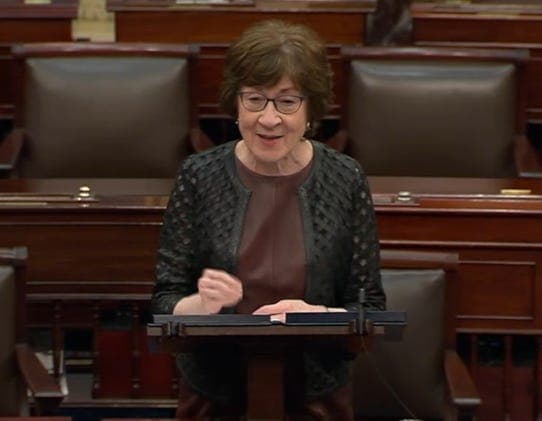
*For more insights, a recent video titled "It's Time to Update Legislation and Protect Our Seniors" emphasizes the urgency of reform and safeguarding elder interests amid ongoing policy developments.*