# The 2026 Robotics Revolution: Humanoids and Social Robots Transform Homes, Care, and Urban Life
The year 2026 marks a pivotal milestone in the evolution of robotics, as humanoid and social robots have transitioned from experimental prototypes to ubiquitous fixtures across homes, healthcare settings, hospitality venues, and urban logistics. This rapid adoption signals a profound societal shift—altering norms, reshaping industries, and fostering new forms of human-robot collaboration. Driven by technological breakthroughs, strategic investments, and growing societal acceptance, robots are now seamlessly integrated into daily life, offering new opportunities and posing fresh challenges.
## From Experimental Prototypes to Mainstream Integration
Over the past few years, robotics innovation has accelerated at an unprecedented pace. Leading corporations and startups have introduced a broad spectrum of robots capable of complex tasks, emotional engagement, and smooth integration into human routines:
- **Commercial Humanoids and Social Robots**
- **HONOR** and **Xiaomi** exemplify the global push toward social robotics. HONOR’s humanoids have advanced in **naturalistic interaction**, **emotional expression**, and **adaptive behaviors**, especially supporting vulnerable populations such as seniors and individuals with disabilities. These robots foster **meaningful human-robot relationships**, reducing **loneliness** and enhancing **emotional well-being**.
- Xiaomi’s deployment of humanoid robots across households demonstrates China’s strategic focus on **AI and robotics**, with applications ranging from **household chores** to **entertainment** and **companionship**.
- Demonstrations showcase robots performing **object manipulation**—such as **opening fridge doors**, **retrieving beverages**, and **managing household items**—highlighting significant progress in **dexterity** and **autonomous household management**.
- **Healthcare and Hospitality Innovations**
- Contactless dining systems, like **WellSpan’s "Fresh Take Eatery,"** have become common in hospitals and hotels, streamlining **efficiency** and **staffing flexibility**.
- Robotic waiters, maid assistants, and concierge bots now provide **touchless**, **personalized service**, transforming the **hospitality industry’s** physical and digital interfaces.
- **Care and Companion Robots**
- The deployment of **social robots** as **companions for older adults** continues to expand. These robots are designed to **offer emotional support**, **remind users about medications**, and **assist with mobility**, significantly reducing **social isolation**.
- Advances in **emotional intelligence**—including **facial expression recognition**, **gesture interpretation**, and **tone of voice analysis**—allow robots to **respond empathetically**, making interactions **more natural** and **trustworthy**.
## Technological Frontiers Driving Change
The impressive variety and sophistication of robots are fueled by rapid **technological convergence**:
- **Enhanced Manipulation and Dexterity**
- Robots like the **JONR X9 Pro** now feature **20,000 Pa suction power**, **wet mopping with fresh water**, and **specialized AI for pet management**, enabling handling of **complex household chores** with **greater efficiency and safety**.
- **Embodied AI and Imitation Learning**
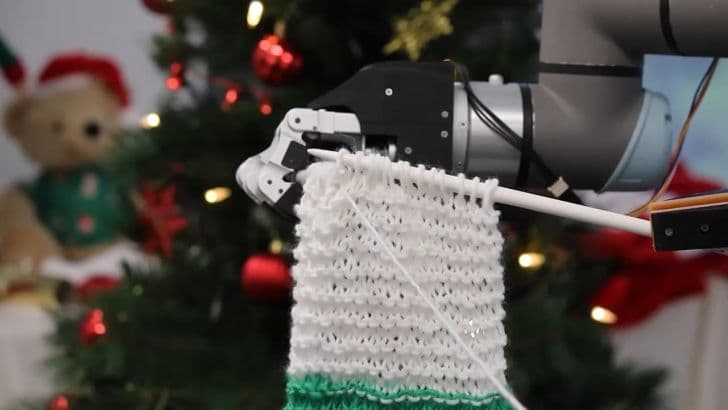
- Researchers leverage **motion capture** and **imitation learning** to enable robots to **observe and replicate human actions**, from **cooking** to **cleaning**. This approach fosters **trust** and **natural interactions**, as robots learn through **embodied experience** rather than pre-programmed routines.
- **Social and Emotional Intelligence**
- Institutions such as **Purdue University** and industry leaders have made significant progress in developing **robots capable of interpreting human emotions**, **gestures**, **facial cues**, and **vocal tones**.
- These advancements facilitate **empathetic interactions**, crucial for **caregiving**, **therapy**, and **social companionship**.
- Development of **multi-platform interoperability** ensures that **emotional and social data** are shared securely across devices, creating **holistic, responsive ecosystems**.
- **Smart-Home and Urban Integration**
- The **2026 smart home ecosystem** emphasizes **interoperability**—allowing devices like **cleaning robots**, **security systems**, and **entertainment hubs** to **communicate seamlessly**.
- Autonomous delivery robots operated by companies such as **Serve Robotics** and **White Castle** now reliably navigate **urban streets**, performing **last-mile deliveries** via **smart sidewalk platforms**—revolutionizing **urban logistics**.
- Retail environments showcase **AI-powered kiosks** and **contactless dining robots**, further embedding robots into **commercial spaces**.
## Ecosystem Expansion and Industry Investment
The robotics ecosystem continues to flourish, driven by **open-source platforms**, **community engagement**, and **massive investments**:
- **Open-Source and Hobbyist Engagement**
- Platforms like **GitHub** and communities such as **Reddit** foster **collaborative development**, enabling **customization** of robots—from simple vacuums to complex social companions.
- Initiatives like **"Build Your Own Humanoid Robots"** democratize access, empowering **startups**, **researchers**, and **enthusiasts**.
- **Industry and Market Dynamics**
- Leading corporations are making **large-scale investments**, including **funding rounds**, **acquisitions**, and **strategic partnerships**.
- Notably, **Sunday**, a consumer robotics startup, raised **$165 million** in Series B funding, achieving **unicorn status**, reflecting the **market’s vibrancy**.
- Acquisitions such as **Scythe’s** integration into larger ecosystems indicate **industry consolidation** aimed at **enhancing capabilities** and **market reach**.
## Navigating Risks: Liability, Privacy, and Safety
As robots become more embedded in personal and public spheres, addressing **liability**, **privacy**, and **safety** concerns is critical:
- **Connected Robotics and Liability**
- The proliferation of **connected robots** increases **attack surfaces**, raising questions about **responsibility** in cases of **malfunctions** or **security breaches**.
- Industry leaders and legal experts emphasize the need for **clear liability frameworks**, especially as robots perform **safety-critical** functions.
- **Privacy and Data Security**
- Robots collecting **emotional**, **health**, and **behavioral data** necessitate **robust security protocols** and **transparent user consent mechanisms**.
- Recent industry reports highlight ongoing efforts to **standardize privacy practices** and **implement secure data management**.
- **Safety Standards and Ethical Frameworks**
- Certifications by organizations like **UL Solutions** for **customer-facing robots** are establishing **trustworthy safety benchmarks**.
- Policymakers are actively working with industry stakeholders to develop **ethical guidelines** for **emotional AI**, **data handling**, and **human-robot interaction**.
## Societal and Workforce Implications
The integration of social and service robots has profound **social** and **economic** impacts:
- **Caregiving and Emotional Support**
- Robots are increasingly **augmenting caregiving roles**, providing **emotional companionship** and **support for vulnerable populations**, notably the elderly, thereby **reducing social isolation** and **improving quality of life**.
- **Job Transitions and Workforce Dynamics**
- As robots take on **service** and **care tasks**, concerns about **job displacement** are mounting. Policymakers and industry leaders are advocating for **training programs** and **regulation adjustments** to **manage workforce transitions** responsibly.
- **Regulatory and Ethical Oversight**
- Governments are establishing **regulatory frameworks** to balance **innovation** with **public safety**, **privacy**, and **social stability**.
## The Road Ahead: Near-Term Outlook and Societal Impact
Today, **humanoid** and **social robots** are actively **embedded in homes, clinics, hotels, and cities**. Deployment of **AI-powered dining**, **advanced cleaning**, and **autonomous delivery robots** continues to accelerate, supported by **robust ecosystems** of **developers**, **investors**, and **regulators**.
### Future Trends and Implications
- **Deeper Social Integration**
- Robots will become more **emotionally intelligent**, capable of **interpreting subtle human cues** and **forming stronger emotional bonds**.
- **Holistic Ecosystems**
- Improved **interoperability** will foster **personalized, automated environments** that adapt dynamically to individual needs.
- **Expanded Social Roles**
- As **trust** and **capability** grow, robots will serve increasingly as **emotional companions**, **therapeutic agents**, and **social facilitators**, especially for **vulnerable populations**.
### Current Status and Societal Outlook
The ongoing robotics revolution offers **significant opportunities** for **enhanced service delivery**, **greater accessibility**, and **emotional well-being**. Simultaneously, it necessitates **responsible governance** to address **privacy**, **security**, and **ethical concerns**.
**Recent developments** include:
- Continued **product launches** and **demonstrations**, showcasing **dexterous household robots**, **social companions**, and **smart kiosks**.
- Active **legal and certification activity**, with organizations like **UL Solutions** setting **safety standards**.
- A surge in **startup funding**—notably, **Sunday’s** $165 million Series B round—and **industry acquisitions** like **Scythe** consolidating capabilities.
### Final Reflection
As **humanoid** and **social robots** become ever more integrated into everyday life, society stands at the cusp of a **new era** of **human-robot collaboration**. These advances promise to **enhance quality of life**, **expand accessibility**, and **transform social interactions**, while also demanding careful attention to **ethical**, **legal**, and **social** frameworks. The journey toward a future where humans and robots **coexist and collaborate** more closely is well underway—shaping a world where technological innovation supports a more connected, empathetic, and efficient society.