# Escalating Middle East Conflict: Civilian Toll, Infrastructure Devastation, and Regional Turmoil Deepen
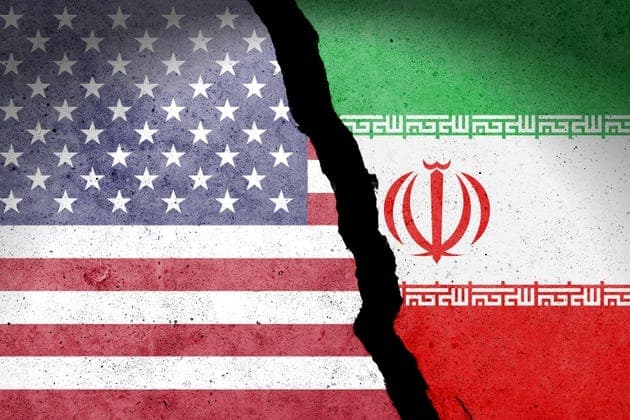
The Middle East's ongoing conflict has entered a dangerously escalatory phase, marked by a surge in civilian casualties, widespread destruction of critical infrastructure, and mounting regional instability. Recent developments have intensified fears of a broader, possibly global, conflict, with devastating humanitarian consequences and complex geopolitical repercussions.
## Rapid Escalation of Military Strikes and Urban Warfare
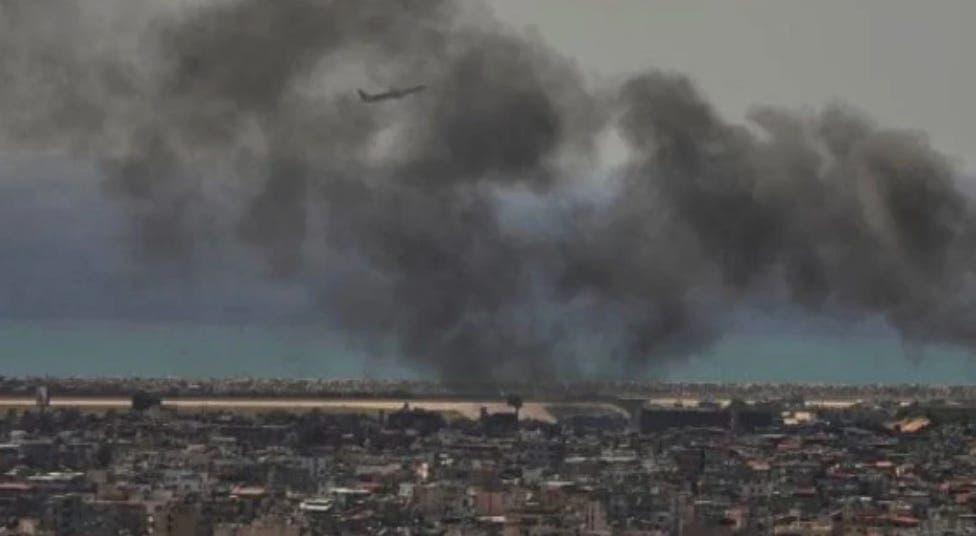
Over the past ten days, confirmed civilian fatalities have surpassed **1,255**, with approximately **12,000 wounded**—numbers likely underreported due to ongoing hostilities and restricted reporting channels. Urban centers such as **Haifa**, **Beirut**, **Tehran**, and strategic sites like **Kharg Island** have become hotspots of intense fighting:
- **Haifa** continues to endure relentless missile and drone assaults, transforming a city once known for its vibrancy into a battlefield rife with destruction. Residential neighborhoods are heavily targeted, with dense civilian populations caught amidst military operations.
- In **Lebanon**, the violence has forced nearly **100,000 residents** to flee their homes. Many are seeking refuge in public spaces, makeshift shelters, or simply on the streets, revealing the fragile security situation and urgent humanitarian needs.
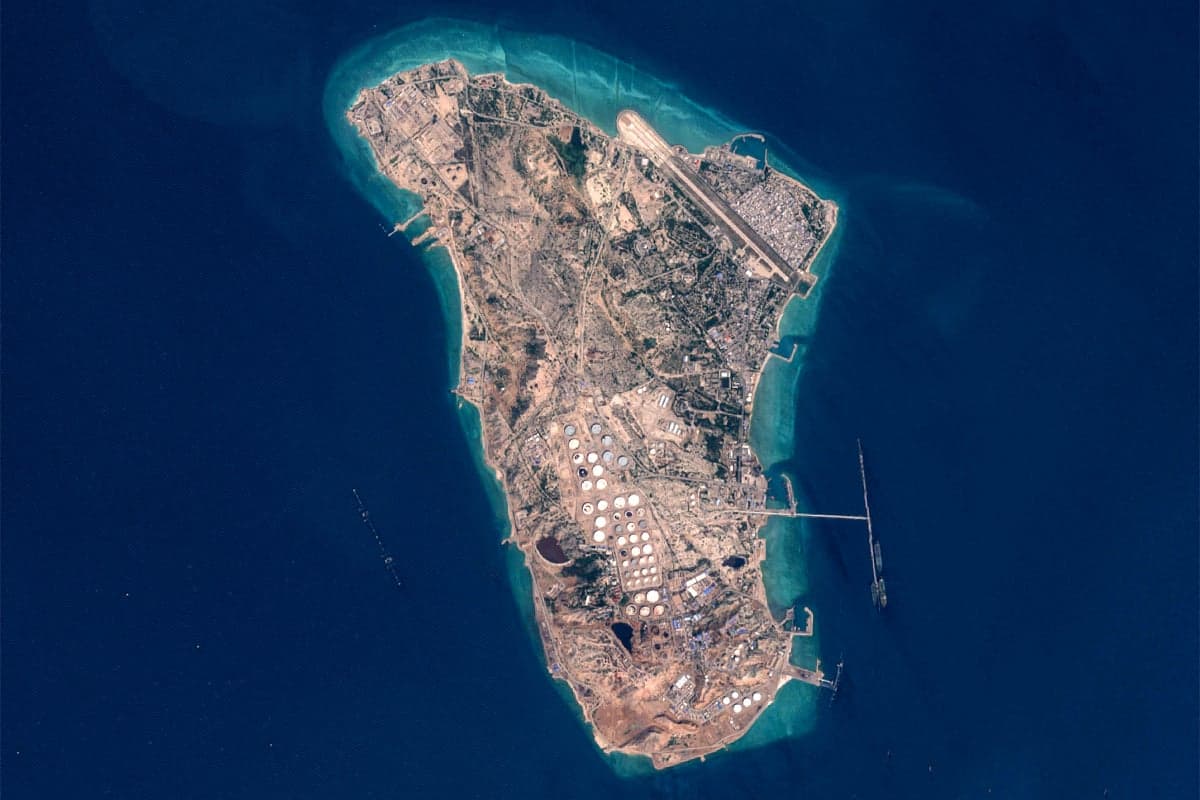
- **Iran** reports indicate escalating military activities, including strikes on strategic sites within its borders. The recent attack on **Kharg Island**, Iran’s vital oil export hub, resulted in at least **12 fatalities** and several wounded, threatening regional energy stability and global oil markets.
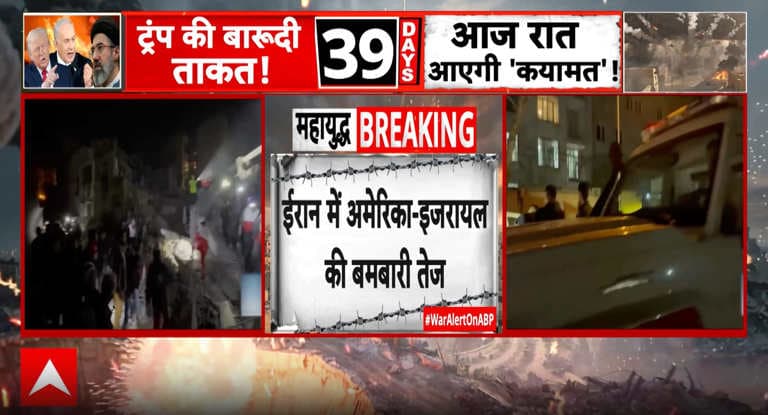
Heavy casualties have also been reported in Iran’s **Kurdistan** region, where **more than 110 civilians** have been killed and nearly **1,000 injured** amid US-Israel targeted strikes on Iran’s infrastructure. These actions have significantly destabilized the regional landscape and intensified fears of wider conflagration.
## Infrastructure Collapse and Humanitarian Crisis
The conflict’s toll extends beyond human casualties, severely damaging essential infrastructure:
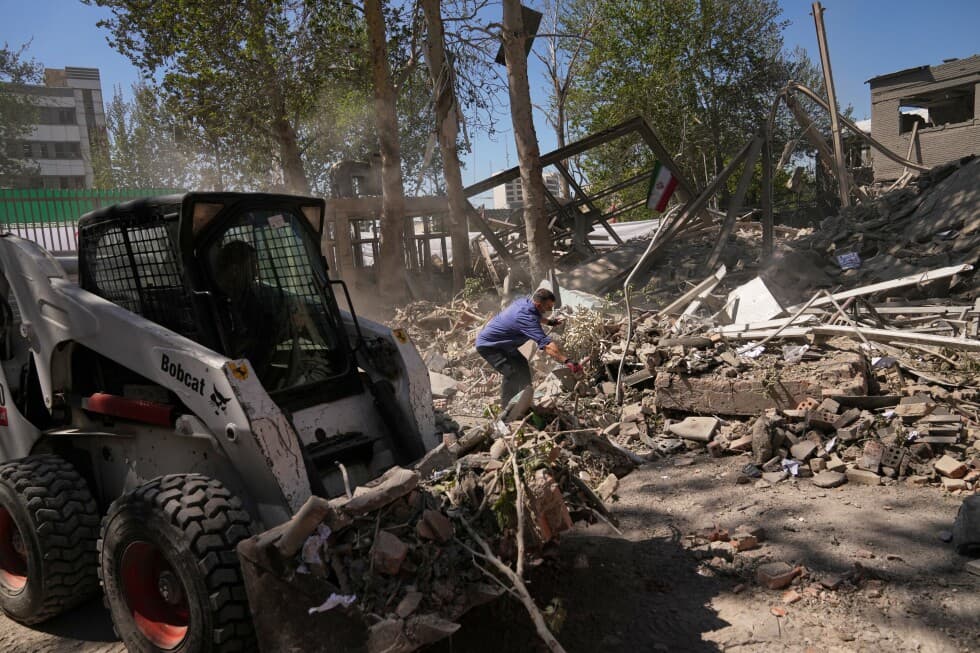
- **Power plants, hospitals, schools, and water facilities** have been extensively damaged—either directly targeted or collateral damage from relentless bombardments.
- Power outages are widespread, crippling hospitals’ ability to treat the wounded, disrupting water supplies, and disabling critical civilian services.
- The destruction has triggered a **massive displacement crisis**:
- In Lebanon, nearly **100,000 displaced persons** are living in overcrowded shelters or on the streets.
- Neighboring countries are experiencing similar displacement waves, with humanitarian agencies warning that these numbers could swell if hostilities persist.
Rescue and relief efforts are hampered by the infrastructural destruction. The loss of electricity, healthcare facilities, and clean water supplies worsens civilian suffering and complicates long-term recovery efforts.
## Communication Blackouts and Humanitarian Challenges
A major obstacle in managing this crisis is the widespread disruption of communication networks:
- Recent military operations, including Iran’s ongoing military activities, have led to **internet shutdowns and communication blackouts** across affected areas.
- Civilians are deprived of real-time safety information, hindering rescue efforts and complicating coordination among humanitarian agencies.
- These blackouts deepen vulnerabilities, making it even harder to organize evacuations or deliver aid. Despite international calls for **safe corridors** and communication restoration, access remains perilous amid ongoing violence and infrastructural destruction.
The **United Nations** has described the situation as a **"major humanitarian emergency,"** urging urgent action to re-establish communication lines, create humanitarian corridors, and rebuild critical infrastructure to mitigate civilian suffering.
## Key Military Escalations and Geopolitical Developments
### Strikes on Beirut, Tehran, Kharg Island, and Beyond
Recent military actions have signaled a dramatic escalation:
- **Israeli strikes** have targeted **Beirut** and **Tehran** anew, fueling fears of a wider regional conflict.
- The attack on **Kharg Island**, Iran’s strategic oil terminal, resulted in **at least 12 deaths**, with reports of multiple wounded. This strike threatens to disrupt Iran’s oil exports, with potential ripple effects on global energy markets.
- Iran has vowed to retaliate, emphasizing that “**Iran will not leave such aggression unanswered**” (N5).
### Iran’s Military Infrastructure and Naval Clashes
Satellite imagery and military analyses reveal Iran’s formidable underground infrastructure, including a **hidden underground airbase** supporting advanced aircraft and missile operations, underscoring Iran’s capability for sustained military efforts (N6). This complicates efforts to neutralize Iran’s military assets.
At sea, confrontations have intensified:
- Iranian forces reportedly targeted US vessels, including an attack on a US aircraft carrier in the Gulf, with exchanges of missile fire raising the risk of broader naval conflict (N8).
- The US has responded by deploying **additional Marines and military personnel**, and utilizing advanced, AI-enhanced targeting systems such as **Palantir’s Maven Smart System** and **Anthropic’s Claude**. Experts warn that reliance on AI in densely populated zones increases the risk of targeting errors, potentially causing unintended civilian casualties.
### Diplomatic and Strategic Ramifications
- The recent strikes threaten global energy markets, especially with Kharg Island’s importance to Iran’s oil exports.
- The attack on the **US embassy in Baghdad** has heightened fears of wider spillover, prompting increased diplomatic tensions and calls for de-escalation.
- The US’s deployment of additional forces is driven by multiple strategic aims: deterring Iran’s expansion, preparing for potential offensive actions, and protecting regional allies and vital energy infrastructures.
## Latest Developments: US State Department Urges Vigilance
In response to the escalating military activities, the **US State Department** has issued an **urgent advisory** to American citizens and diplomatic personnel in the region. The advisory emphasizes:
- **Heightened travel and communication dangers** due to ongoing military operations and infrastructure disruptions.
- The need for **civilian protection**, urging Americans to avoid non-essential travel, maintain situational awareness, and adhere to security instructions.
- A recommendation for Americans to **remain vigilant** in regions experiencing active conflict, and to stay informed through official channels.
Officials warn that the conflict's unpredictability could lead to sudden escalation, making civilian safety a top priority for international agencies.
## Outlook: A Volatile and Dangerous Crossroads
The conflict remains highly volatile. The recent strikes on Kharg Island and Iran’s Kurdistan region underscore a dangerous escalation, with Iran promising retaliation and multiple urban centers suffering heavy casualties. The combination of infrastructure destruction, civilian displacement, communication blackouts, and military confrontations indicates a worsening humanitarian crisis.
Regional powers are on high alert, and international efforts to establish **humanitarian corridors**, **restore communications**, and facilitate **diplomatic negotiations** are more urgent than ever. Without immediate coordinated action, the risk of a broader, protracted regional war—potentially involving global energy markets and international security—continues to rise.
**In conclusion**, the Middle East stands at a perilous crossroads. Continued violence not only devastates civilian populations but also threatens regional stability and global security. Urgent measures to de-escalate hostilities, facilitate humanitarian aid, and restore critical infrastructure and communication lines are essential to prevent further catastrophe and promote a pathway toward peace.