# The New Frontlines of Modern Conflict: Information Warfare in the Iran–U.S. Escalation
In today’s geopolitical landscape, the battlefield has transcended traditional notions of tanks, missiles, and troops. Now, **information campaigns, strategic narratives, and digital influence** have emerged as pivotal arenas where states and non-state actors wage war—shaping perceptions, destabilizing rivals, and influencing international policy. The recent escalation between the United States and Iran exemplifies this shift, highlighting how modern conflicts are increasingly fought through words, images, and cyber operations, often blurring the lines between truth and propaganda.
## The $10 Million Bounty: A Strategic Messaging Milestone
The U.S. government’s announcement of a **$10 million bounty on Iranian Supreme Leader Mojtaba Khamenei** marks a significant evolution in conflict tactics. Far from a mere punitive measure, this move functions as a **powerful messaging tool**, signaling unwavering resolve to both regional and global audiences. The bounty is officially justified as a response to Iran's support for regional militias and nuclear ambitions, but its primary function is to **undermine Iran’s leadership and project strength**.
This bold move has ignited a fierce wave of Iranian propaganda. State-controlled media and social media campaigns portray Iran as a **victim defending its sovereignty against Western aggression**. Themes of resistance, resilience, and victimhood dominate Iranian narratives, framing the bounty as an **illegitimate provocation** designed to destabilize Iran both internally and externally. These messages serve to reinforce domestic legitimacy and rally nationalist sentiment.
## Iranian Propaganda and Escalatory Threats
In response to the bounty, Iran has escalated its messaging with explicit threats and aggressive posturing:
- **Threats to UAE Ports**: Iranian leadership has **warned that UAE maritime infrastructure could be targeted**, raising fears of disrupting global oil supplies and regional stability. On March 14, 2026, Iranian officials emphasized the possibility of **turning the Persian Gulf into a zone of conflict**, effectively transforming it into a strategic flashpoint.
- **Kinetic Acts of Resistance**: Iran’s proxy groups have engaged in acts of violence that serve as messaging tools. Notably, the **missile attack on the U.S. embassy in Baghdad** exemplifies Iran’s capacity to escalate tensions physically, reinforcing its narrative of resistance against Western influence. Such actions are carefully calibrated to demonstrate influence and resolve, fueling regional instability.
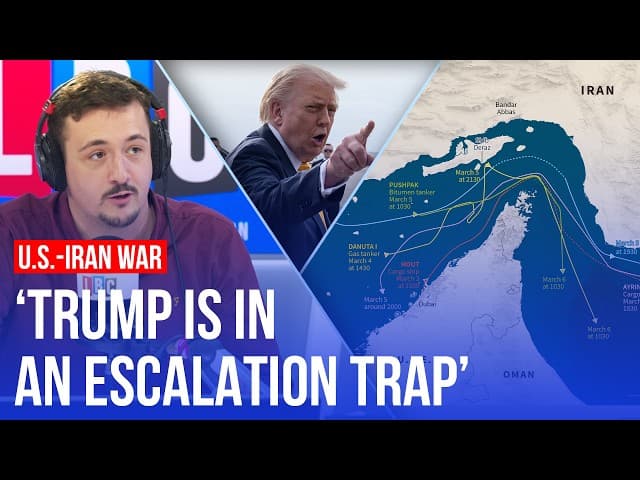
- **Threats to Maritime Security**: Iran’s warnings about **closing the Persian Gulf** if further provocations occur underscore its intent to leverage regional waterways as strategic battlegrounds, with implications for global energy markets.
## Cyber and Space Warfare: The Digital Battlefield
Modern conflict now extends into the cyber and space domains:
- **U.S. Electronic Warfare**: Reports indicate that the U.S. has been **jamming Iranian satellite communications**, disrupting Iran’s space-based capabilities and hindering its ability to coordinate both propaganda and operational activities. Such electronic warfare tactics are central to modern conflict, providing a strategic advantage by destabilizing Iran’s information infrastructure.
- **Iran’s Cyber Campaigns**: Iran has developed sophisticated cyber operations aimed at **disrupting satellite signals**, interfering with social media narratives, and conducting influence operations targeting both domestic and international audiences. These efforts are increasingly supported by **AI-generated content and deepfake technology**, making it more difficult to verify truth and distinguish fact from fiction.
- **Technology as a Force Multiplier**: The use of AI and deepfake tools amplifies misinformation campaigns, enabling actors to produce convincingly fake images and videos that deepen confusion, sow discord, and manipulate public perception.
## The Role of Proxy Networks and Regional Actors
Iran’s influence extends through a network of **proxy groups and militias** actively participating in both regional conflicts and information campaigns:
- Recent reports, such as *"Who Is Fighting Beside Iran In The 'Ramadan War'? Iranian Allies Summarised"*, detail how these groups bolster Iran’s regional posture through asymmetric operations, attacks, and disinformation efforts.
- **Alliance with Hamas and Other Militias**: Iran’s partnerships with organizations like Hamas have become more overt, especially amid regional crises like the Gulf tensions. A recent video, **"Hamas Senses A Bigger Storm? Iranian Proxy Desperately Pleads With 'Brothers In...' Amid Gulf Crisis"**, highlights how these proxies seek support and align their messaging with Iran’s strategic goals, amplifying regional instability.
## Escalation in the Gulf: Maritime and Missile Threats
The Gulf region remains a critical flashpoint:
- **Kharg Island Attack**: Iran’s attack on the strategic oil export terminal **Kharg Island** has been portrayed as a **retaliatory act**, heightening fears of wider conflict. Iranian officials have **explicitly warned** that if U.S. or allied actions escalate further, Iran might **close the Persian Gulf to maritime traffic**—a move that could have devastating impacts on global energy supplies.
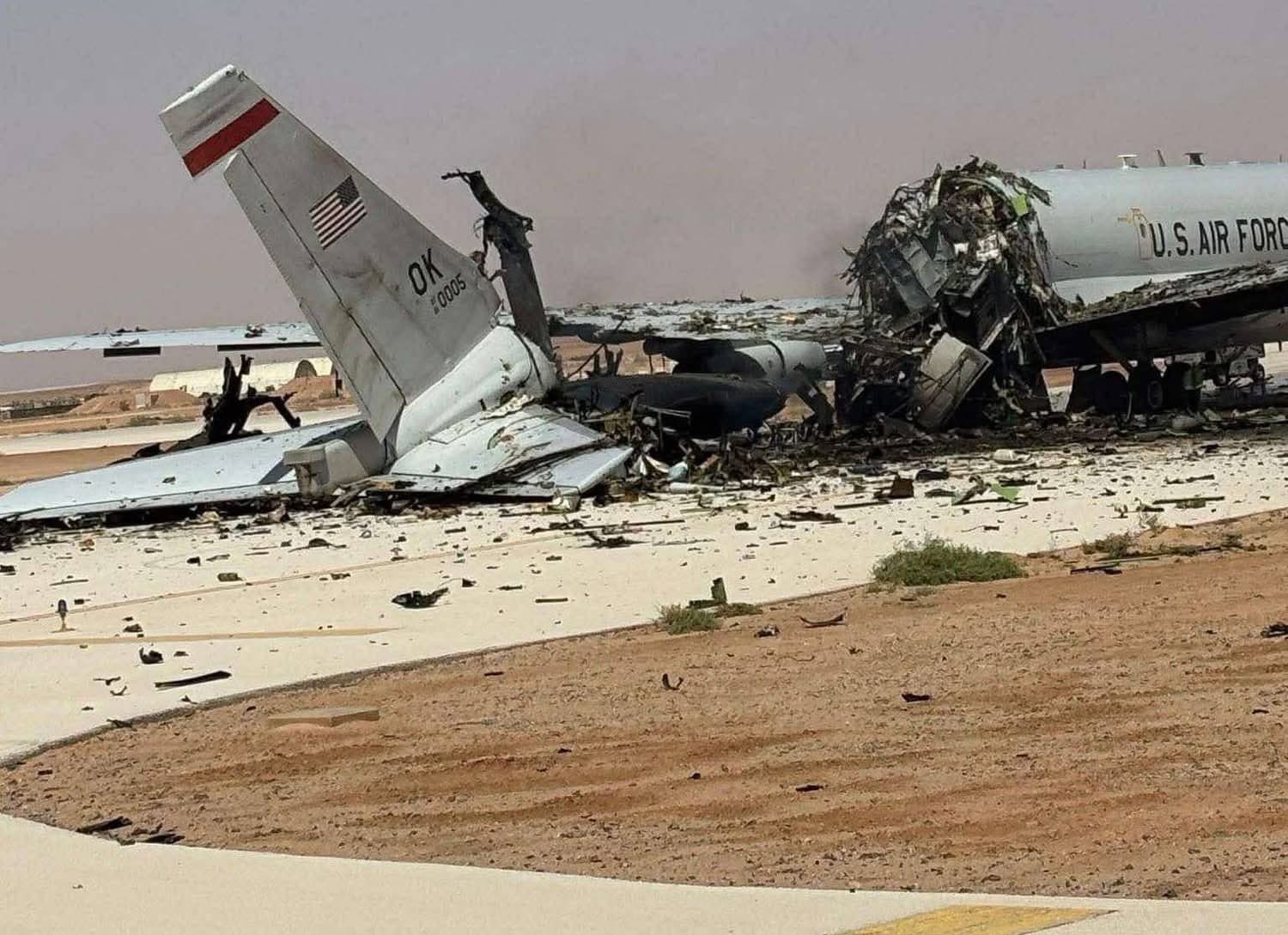
- **Missile and Drone Interceptions**: The Gulf states have intercepted numerous **missiles and drones fired by Iran**, which signals both Iran’s kinetic capabilities and its intent to intimidate regional rivals. These acts serve as **messaging tools**, emphasizing Iran’s willingness to escalate violence if provoked.
- **Regional Tensions**: Recent developments underscore the potential for **widening conflict**, with Iran threatening to expand its military operations beyond its borders, turning the Gulf into a **permanent zone of confrontation**.
## The New Warfront: Technologies and Tactics
The modern conflict landscape is characterized by **multi-platform narrative warfare**:
- **Social Media Amplification**: Bot networks and algorithmic boosting create a **perceived consensus**, often masking disinformation campaigns behind a veneer of legitimacy.
- **State-Controlled Media**: Propaganda emphasizing themes of victimhood and resistance helps justify provocative actions and rally domestic support.
- **Deepfake and AI Content**: Advanced tools produce convincing fake images and videos, complicating verification efforts, and spreading false narratives with ease.
- **Cyber and Space Operations**: Disruptions to satellite communications, cyber-attacks on critical infrastructure, and space domain interference serve as force multipliers, destabilizing opponents’ strategic communications and operational coordination.
## Impact on Public Opinion and Diplomatic Efforts
The deployment of strategic narratives profoundly influences perceptions:
- **Domestic Impact**: Propaganda fosters governmental legitimacy, suppresses dissent, and consolidates national unity—especially when external threats are magnified.
- **International Dynamics**: Skewed narratives complicate diplomatic negotiations, deepen regional polarization, and often prolong conflicts. Iran’s framing of the U.S. bounty as illegitimate fuels anti-Western sentiment domestically, while Western outlets emphasize Iran’s destabilizing activities, justifying sanctions and military postures.
- **Misinformation Feedback Loop**: Perceptions are continually shaped and reinforced through this cycle, often making de-escalation more difficult and increasing the risk of unintended conflict.
## Recent Developments and Strategic Implications
### 1. **China’s Role as a Military Laboratory (N1)**
Recent reports reveal that **China is leveraging the Iran conflict as a military laboratory**, testing advanced technologies such as radar performance, thermal signatures, and ISR (Intelligence, Surveillance, Reconnaissance) capabilities. This **field data collection** helps China refine its own military systems and influence operations, with potential spillover effects for global messaging and electronic warfare strategies.
### 2. **Regional Escalation: New Missiles and Drones (N2)**
Gulf states have intercepted **new types of missiles and drones**—a sign of Iran’s escalating kinetic capabilities. Iran’s ongoing missile and drone campaigns aim to **widen the conflict**, with threats to **attack maritime targets and launch cross-border assaults**. Such actions underscore the increasing danger of **regional war** and highlight Iran’s use of **force as a messaging tool**.
### 3. **U.S. Leadership Rhetoric (N3)**
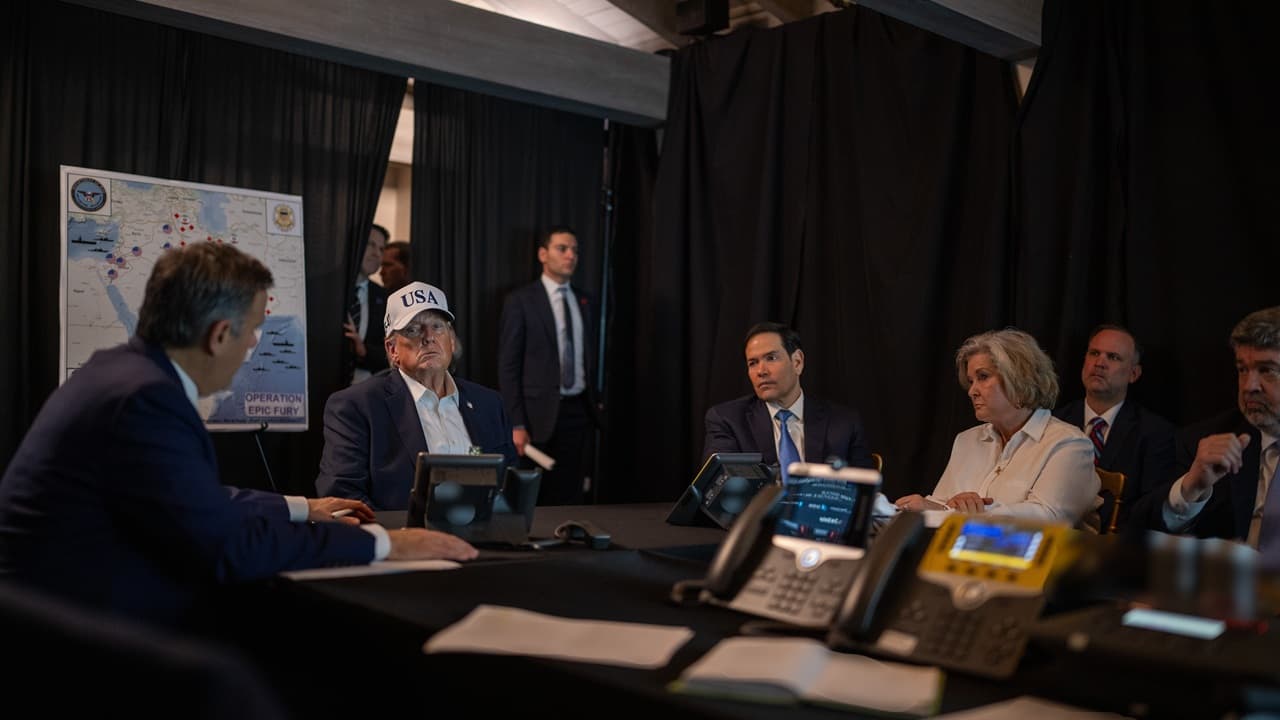
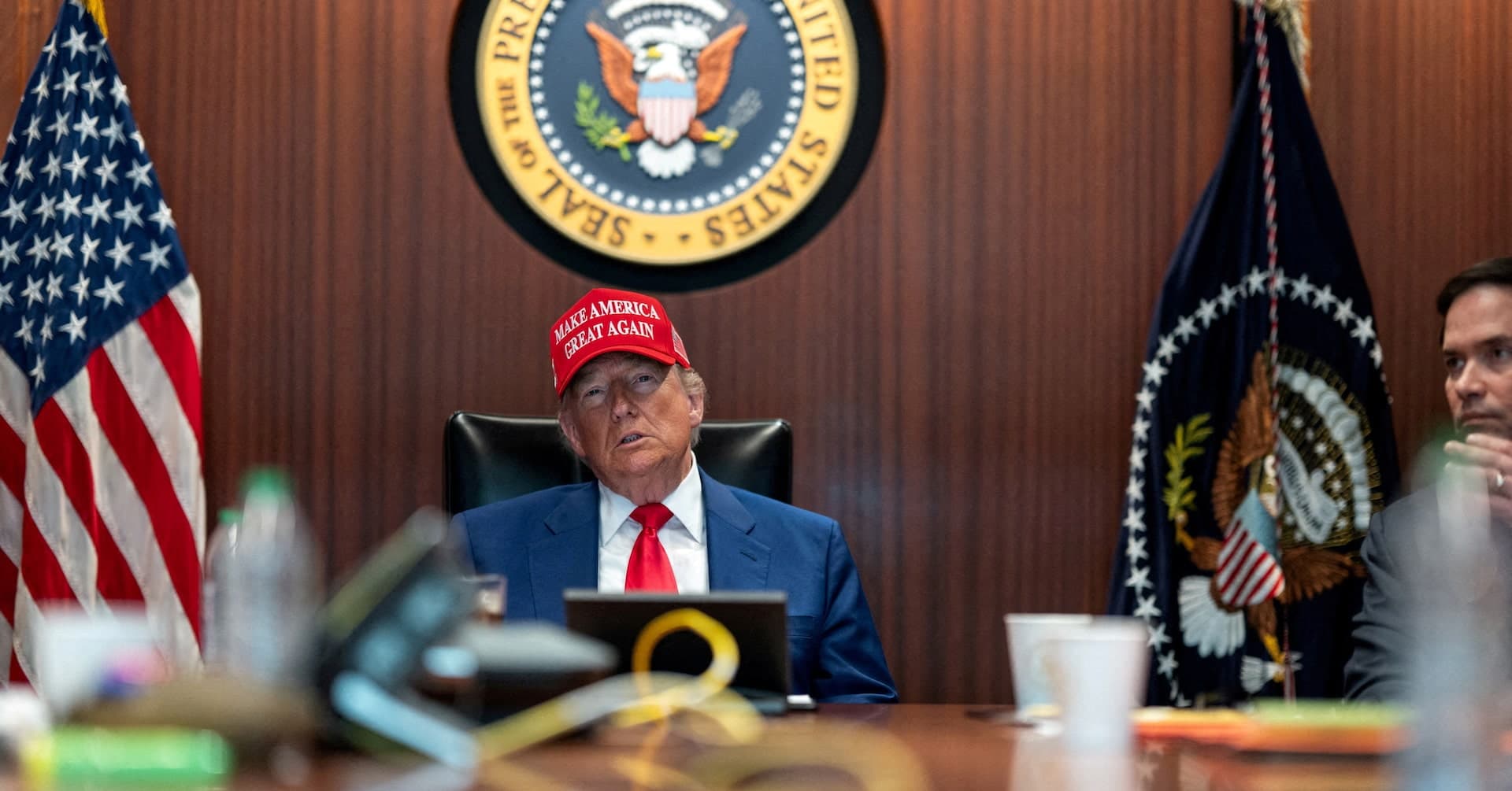
In the wake of the Kharg Island attack, **U.S. President Trump** has issued stark warnings, stating he will be **"bombing the hell" out of Iran** if necessary, especially after Iran’s regime threatened to **abduct U.S. military personnel**. These statements serve as **reciprocal strategic signaling**, emphasizing determination and willingness to escalate militarily if Iran crosses certain red lines.
## Conclusions and Outlook
The recent developments vividly illustrate that **modern conflict revolves as much around perception management as physical control**. Both Iran and the U.S. are harnessing **advanced technologies**, **cyber tools**, and **strategic messaging campaigns** to shape the narrative, influence regional stability, and secure strategic advantages.
**Key takeaways** include:
- The increasing sophistication of **disinformation**, **deepfake**, and **AI-driven influence** complicates verification and counter-messaging efforts.
- **Social media** remains a battleground for influence operations, requiring **enhanced media literacy** and **international cooperation**.
- Diplomatic efforts must contend with the **deep-rooted information wars**, emphasizing **transparent communication** and **credible verification** to prevent misperceptions and accidental escalation.
As the conflict continues to evolve, understanding and countering the **information dimension** will be vital to avoiding full-scale war and promoting de-escalation. The battlefield of the future is as much about **truth and perception** as it is about missiles and troops—making strategic communication, resilience against misinformation, and verification essential tools for policymakers and global actors alike.