# The 2026 Decentralized Creative Audio and Speech Revolution: An Expanded Overview of Innovations and Trends
The year 2026 stands as a watershed moment in the evolution of creative audio, speech processing, and multimedia workflows. Building upon earlier breakthroughs in privacy-preserving, offline AI models and edge computing, this year has witnessed an unprecedented surge toward **decentralized, user-empowered tools**. These innovations are fundamentally transforming how creators—ranging from individual hobbyists to small teams—produce, manipulate, and share multimedia content. By reducing reliance on centralized cloud infrastructures, this movement fosters a **vibrant, community-driven ecosystem** rooted in **privacy, accessibility, resilience**, and **autonomy**.
## Mainstreaming AI-Generated Music and Ambient Soundscapes
A defining trend of 2026 is the **mainstream adoption of sophisticated AI-driven music and ambient soundscape generation**. **Google’s Lyria 3**, now seamlessly integrated into the **Gemini app**, exemplifies this shift. It enables **real-time, high-quality soundscape creation** that’s **widely accessible**—empowering **DIY musicians, educators, content creators, and hobbyists** to craft **mood-specific compositions** like “upbeat summer” or “melancholic piano” simply through **descriptive text prompts**.
This **low barrier to entry** promotes **rapid experimentation** and **spontaneous musical exploration**, previously confined to professional studios. The entire process is **completely free**, embedded within **intuitive interfaces** that encourage creative experimentation. Key features include:
- **Text-to-music synthesis** capturing mood, genre, and instrumentation
- **Instantaneous audio output** for quick iterations
- **User-friendly interfaces** fostering accessibility
Supporting these developments are **community-driven open-source projects** such as **LatentScore**, which allow users to generate ambient or procedural music based on mood inputs. These tools exemplify how **autonomous, offline AI models** facilitate **privacy-preserving workflows**, reinforcing a **decentralized ecosystem** where creators can work **securely and independently**—**free from external server dependencies**.
## Breakthroughs in Voice, Speech, and Personalization Technologies
Alongside musical innovations, **voice and speech processing** have experienced a renaissance, emphasizing **privacy, real-time performance, and local inference**. Several breakthroughs have emerged:
- **Local Voice Cloning**: Tutorials like **“[NEW] Clone Any Voice Locally Free in 2026”** demonstrate how users can **offline replicate high-fidelity voices**. These tools **safeguard privacy** while enabling **personalized voice manipulations** for narration, character creation, or voiceovers—**empowering creators without cloud reliance**.
- **Offline Transcription and Dictation**: Applications such as **Onit**, **trnscrb**, and **Wispr** now operate **entirely on local devices** (e.g., macOS), providing **fast, highly accurate, and privacy-conscious speech-to-text workflows**. They can **detect and transcribe audio streams** from conferencing platforms like Zoom, Meet, and Slack—making them indispensable for **journalists, podcasters, and professionals handling sensitive or confidential material**.
- **Real-Time Voice-to-Insight Systems**: Tools such as **VoiceScribe AI** analyze speech **on the fly**, extracting **summaries, action items, and insights**, streamlining workflows while **preserving user privacy**.
A particularly notable innovation is **Zclaw**, a **tiny AI agent** capable of running **on microcontrollers such as the ESP32**, requiring **less than 888 KB of storage**. Developed in C, **Zclaw** exemplifies **privacy-preserving, offline AI assistants** capable of:
- **Processing voice commands**
- **Answering questions**
- **Automating tasks**
> *“Zclaw demonstrates that even the most constrained hardware can host capable AI assistants, fundamentally changing how we think about privacy and ubiquitous computing.”*
This signifies a future where **AI is embedded directly into everyday hardware**, ensuring **personal data security** and **ubiquitous access**—from smart home devices to wearables and embedded gadgets.
## Autonomous Media Pipelines, Asset Management, and Safety Protocols
The ecosystem continues to mature with **edge-first media pipelines** and **multi-agent automation frameworks** capable of **offline, autonomous content creation**. Notable examples include:
- **OpenClaw** and **SceneSmith**, leveraging **large language models (LLMs)** and **autonomous agents** to **orchestrate entire multimedia projects offline**—from scripting and editing to distribution—while maintaining **full privacy and control**.
- **Cline CLI 2.0** facilitates **complex scripting for content workflows**, ensuring projects remain **private and secure** without reliance on external cloud services.
- Asset management tools like **DropTidy** and **keychains.dev** streamline **metadata handling, asset discovery, and credential sharing** within **trustworthy decentralized environments**.
### Ensuring Safety and Trust in Autonomous Systems
As autonomous AI agents become more integrated into workflows, **trust and safety** are critical. In 2026:
- **jx887/homebrew-canaryai** introduces an **AI agent security monitor** for Claude Code, which **scans session logs in real time** and applies **detection rules** to identify **potential unsafe or unintended behaviors**.
- The **TLA+ Workbench** now supports **formal verification**, ensuring **correctness and safety** of autonomous agents—**crucial as these systems influence more sensitive workflows**.
### Interoperability and Protocols for Seamless Collaboration
To facilitate **trustless communication** and **decentralized collaboration** among AI agents, new protocols and frameworks have emerged:
- **Symplex**, an **open-source semantic negotiation protocol**, enables **trustless coordination** among agents across decentralized networks.
- **Aqua**, a **CLI messaging interface**, supports **efficient orchestration of agent interactions**, enhancing **offline multimedia workflows**.
Enthusiasts have demonstrated **building custom offline agent frameworks**, such as **"Building a (Bad) Local AI Coding Agent Harness from Scratch"**, emphasizing **privacy, flexibility**, and **developer experimentation**.
## Visual and Video Media Creation
Advances in audio and speech technologies now extend into **visual media**, enabling **privacy-conscious content generation**:
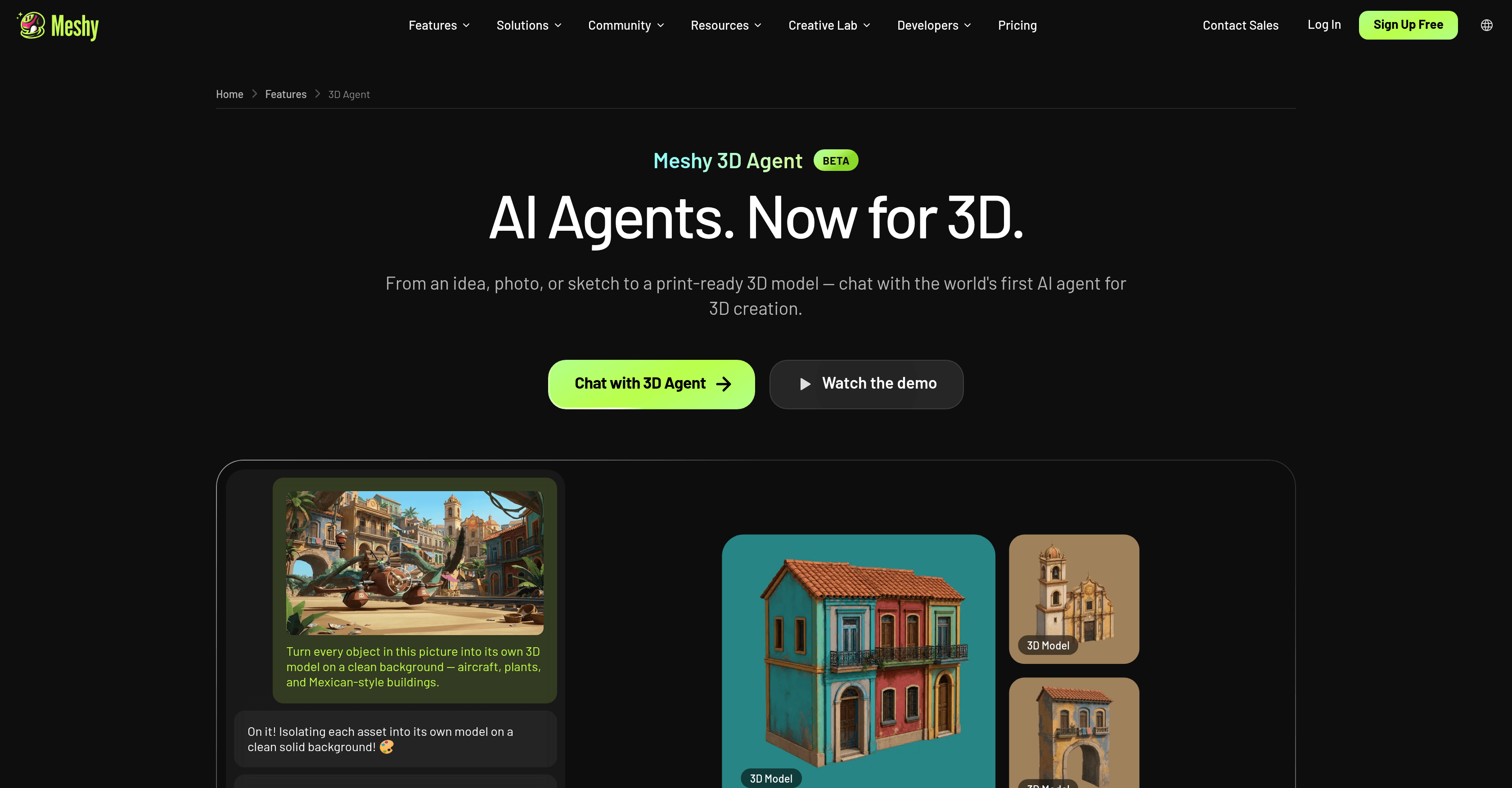
- **Text-to-image and text-to-3D models**—like **Qwen-Image-2.0** and **Sketch-to-3D workflows**—allow rapid creation of **virtual characters, environments, and immersive assets** without manual modeling.
- **Video generation tools** such as **Seedance 2.0** produce **lip-synced, realistic videos** within minutes, supporting **social media content, marketing campaigns, and virtual events**—all **operating locally** to **preserve user privacy**.
Community platforms like **OpenClaw Map** curate **repositories of tools, plugins, and AI agents**, fostering **collaborative development** within an **open, decentralized ecosystem**.
## Spotlight on Privacy-Preserving AI: GIDE, Zclaw, and New Meeting Tools
**GIDE** has established itself as a **leader in offline AI coding assistance**:
- An **offline AI coding companion** that offers **code suggestions, debugging, and project management**, empowering **secure, local development environments**.
**Zclaw** continues to exemplify **privacy-focused AI**:
- Running entirely on **ESP32 microcontrollers**, **Zclaw** processes **voice commands**, **answers questions**, and **automates tasks** **offline**—a testament to the **power of embedded AI** and **security**.
Recent innovations include:
- **Remote control for local Claude Code sessions**: Users can **manage and steer local AI code sessions remotely via smartphones**, enhancing **mobility and flexibility**.
- **Contemporary meeting assistant demos**: Tools now demonstrate **meeting summarization, transcript redaction, and autonomous agent management**, all **on-device or within secure environments**—illustrating **secure, privacy-preserving workflows** for conferences, team collaboration, and sensitive discussions.
> *"These tools exemplify how remote control and on-device AI assistants are making autonomous multimedia workflows more accessible, flexible, and secure."*
## Accelerating Offline Creative Workflows
Innovations like **CapCut’s AI Remix** feature exemplify the movement toward **fast, offline, privacy-conscious content creation**:
- **AI Remix** enables creators to **generate remixed videos instantly**, supporting **rapid production for social media and marketing**. Its **offline operation** guarantees **user privacy** and **low latency**, empowering creators to **produce high-quality content swiftly**.
## Recent Key Developments: Browser-Run Models and Google’s ProducerAI
The landscape continues to evolve with **powerful, browser-capable AI models** gaining prominence:
- **TranslateGemma 4B**, now available on **Hugging Face**, **runs entirely in the browser via WebGPU**, allowing users to **perform complex translation and language tasks locally**. This **eliminates reliance on cloud servers**, ensuring **privacy and low-latency performance**.
- **Google’s ProducerAI**, launched through **Google Labs**, introduces an **AI-powered music creation platform** designed for **offline and low-latency workflows**. It allows users to **produce, remix, and customize music tracks directly within their browsers or local environments**, further emphasizing the **decentralized, accessible nature of creative tools**.
Additionally, **Qwen3.5 Flash** has been introduced as a **multimodal, fast browser model** capable of **processing text and images simultaneously**, making **multimodal interactions more seamless**. **Granola**, an **AI meeting notetaker**, is gaining popularity for **automatically capturing, summarizing, and organizing meeting insights**, fundamentally **upgrading collaborative workflows**.
Furthermore, **"AI Agents Made Simple"** is a new tutorial series that demystifies the **creation and deployment of autonomous AI agents**, emphasizing **ease of use, safety, and flexibility**—signaling a maturation of **agent ecosystems**.
## New Articles and Resources for Creators
Recent resources continue to lower barriers for **offline, privacy-preserving multimedia production**:
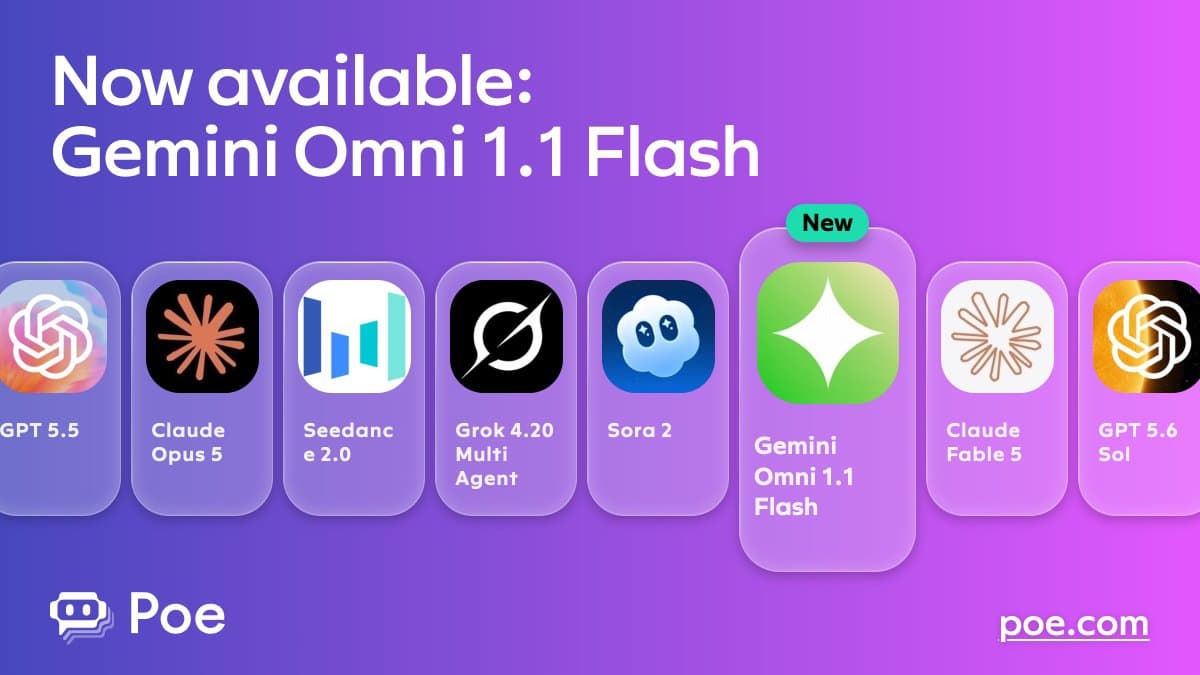
- **"Qwen3.5 Flash is live on Poe!"** showcases a **fast, multimodal model** that processes **text and images** efficiently within browsers, enabling **instantaneous content creation**.
- **"Granola is the AI Notepad that's upgrading my meetings"** highlights an **AI-powered meeting assistant** capable of **capturing, analyzing, and organizing discussions**, making meetings more productive.
- **"AI Agents Made Simple: Everything You Need to Know"** offers a comprehensive **tutorial on building and managing autonomous AI agents**, emphasizing **privacy and offline operation**.
- **"Free AI Video Generator No Watermark: 7 Tools Tested (2026)"** and **"AI Documentary Video Making Tutorial✅ | Free Tools, No Watermark!"** provide practical guidance for **producing professional-quality videos offline**, democratizing access to **high-end multimedia tools**.
## Comparative Insights: Perplexity Computer vs. OpenClaw
A recent comparison between **Perplexity Computer** and **OpenClaw** underscores different approaches within the **decentralized AI ecosystem**. **Perplexity Computer** offers a **turnkey experience**, guiding users through **task management and AI responses**, aiming for **simplicity and immediacy**. **OpenClaw**, on the other hand, emphasizes **flexibility and customization**, enabling **developers to craft tailored autonomous agents** suited for complex workflows.
This contrast **illustrates** the ecosystem's diversity: **from user-friendly, integrated solutions to highly customizable frameworks**, all focused on **privacy, decentralization, and autonomy**.
## Implications and Future Outlook
The developments of 2026 collectively point toward a **paradigm shift**—where **offline, decentralized AI tools** become the norm rather than the exception. This shift **empowers individual creators and small teams** to **produce, manipulate, and share multimedia content securely**, **free from censorship, surveillance, or external dependencies**.
**Key implications include:**
- **Democratization of content creation**, accessible with modest hardware and minimal technical expertise
- **Enhanced privacy and data security**, protecting sensitive projects and personal information
- **Resilient offline pipelines** capable of functioning **fully without internet connectivity**
- **Community-driven innovation**, fostering collaboration and rapid development of new tools and workflows
As tools like **GIDE, Zclaw, Symplex, Aqua, ProducerAI**, and **AI agents like Granola** continue to evolve, the **creative landscape of 2026 is characterized by autonomy, security, and inclusivity**. This decentralized ecosystem **not only democratizes access** but also **sets the stage for more sophisticated, resilient multimedia environments**—where **privacy-preserving, accessible, and flexible content creation becomes standard**.
---
In summary, **2026 marks a transformative era** where **offline, privacy-preserving AI tools** revolutionize **audio, speech, and visual media workflows**. The convergence of **edge computing, community innovation, and open standards** fosters an ecosystem where **individual creators** can **produce, manipulate, and share high-quality multimedia content** securely and efficiently. This movement **empowers creators worldwide**, ensuring that **the future of digital arts is more secure, accessible, and resilient than ever before**.