The 2026 NBA trade deadline has not only reinforced the league’s foundational pillars—**defensive versatility, reliable bench depth, and disciplined salary cap management**—but also introduced nuanced challenges that will shape playoff trajectories and offseason strategies for months. As teams continue integrating new pieces and managing health uncertainties, the deadline’s ripple effects reveal an increasingly complex landscape where front office acumen and coaching adaptability are paramount.
---
### Defensive Versatility and Cap Discipline Remain Essential, But Questions Linger
The deadline underscored the premium on **multi-positional defenders** who can switch across assignments, protect the rim, and anchor flexible schemes. Yet, the impact of recent acquisitions, particularly for contenders, remains partly uncertain.
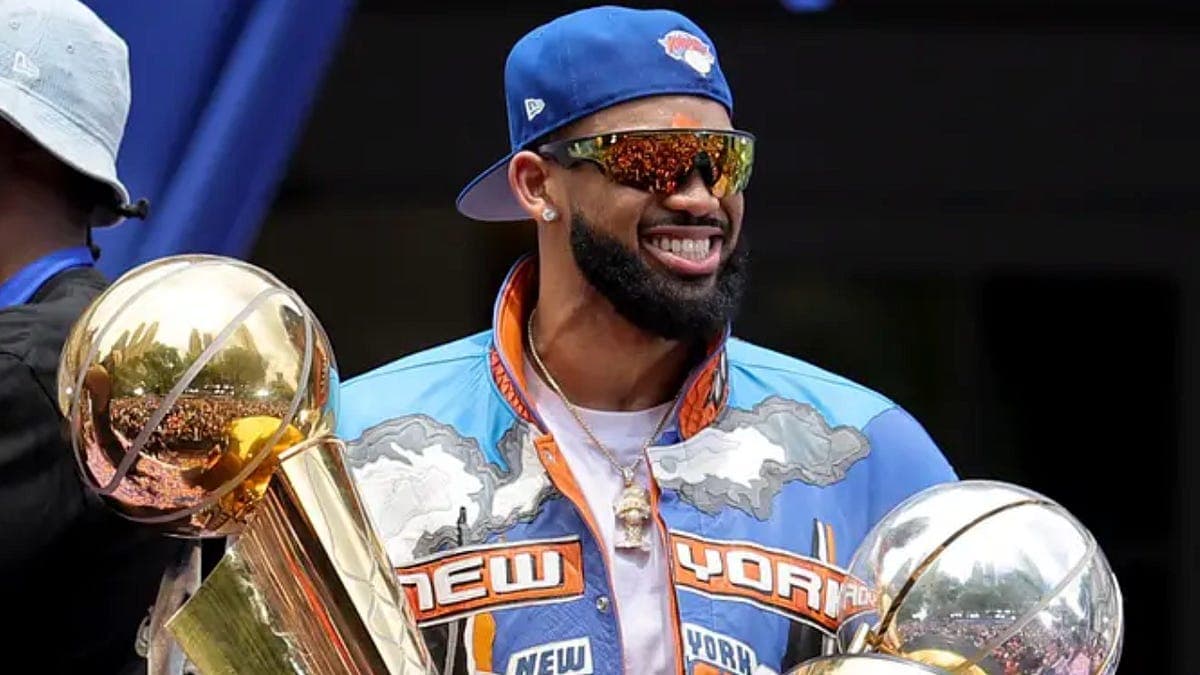
- The **New York Knicks** maintain their defensive-first identity, bolstered by the recent four-year, $150 million extension for **Mikal Bridges**, whose perimeter defense remains elite. Coach **Scott Drew** has successfully integrated defensive contributors like **Guerschon Yabusele** and **Jeremy Sochan**, fortifying one of the league’s stingiest units.
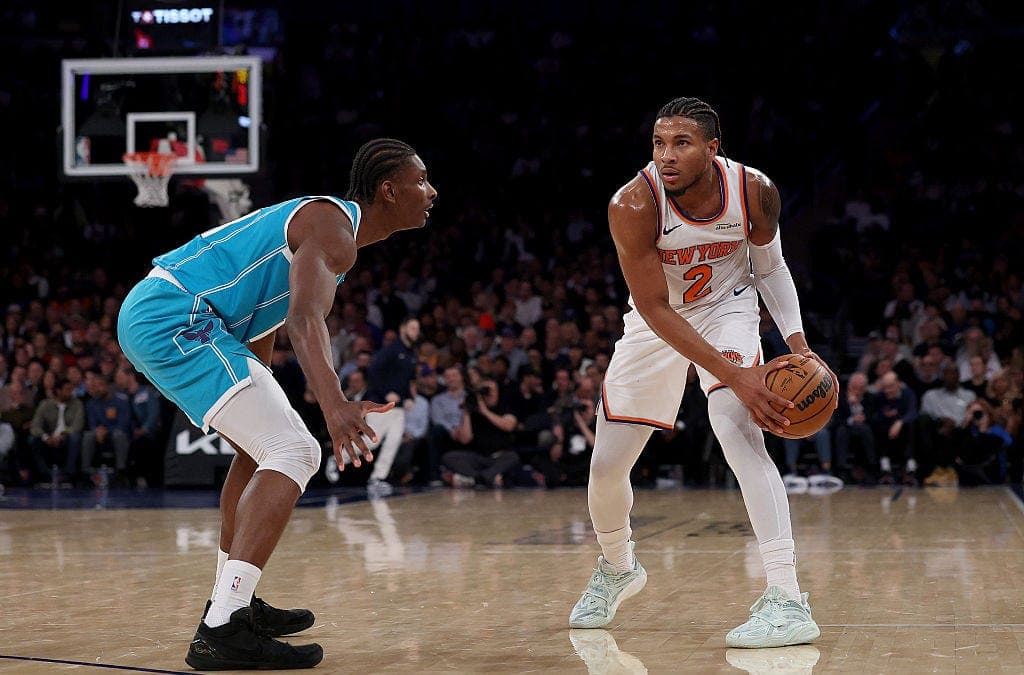
- However, the Knicks still face a **significant unknown in Jose Alvarado**, acquired at the deadline. While Alvarado’s tenacity and defensive versatility are promising, the team has yet to fully understand how his presence will affect rotations and overall defensive chemistry. Early signs suggest a potential impact on backcourt defensive fit and offensive spacing, making his assimilation a key storyline as the playoffs approach.
- Interior defense continues to be a focal point for teams such as the **Indiana Pacers** and **Toronto Raptors**, who added rim protectors **Walker Kessler** and **Ivica Zubac**, respectively. Both players provide critical paint deterrence while preserving salary cap flexibility, reflecting a wider league trend favoring affordable defensive specialists.
- The **Detroit Pistons** serve as a cautionary example of aggressive deadline moves gone awry. Their acquisitions, while defensively motivated, have complicated asset management and competitive window clarity, underscoring the risks of misaligned roster construction despite good intentions.
---
### Utah Jazz: Retaining Walker Kessler and the Pursuit of Fit
Utah’s approach to **Walker Kessler** remains a defining offseason subplot, with recent reports shedding light on the organization’s cautious posture:
- CEO **Danny Ainge** has reiterated commitment to building around Kessler as a defensive cornerstone. Despite the Jazz’s openness to “big trades,” their reluctance to part with Kessler signals confidence in his long-term value.
- Investigative reporting revealed the Jazz targeted marquee players like **Jrue Holiday**, **Damian Lillard**, and **Kristaps Porzingis** before the deadline. However, concerns over fit and financial constraints led Utah to ultimately pass on these high-profile names. This conservative, fit-first approach reflects a strategic preference for maintaining defensive integrity and roster stability.
- The **Los Angeles Lakers** remain Utah’s most prominent suitor for Kessler, viewing him as a vital rim protector to complement their perimeter firepower. Yet, Utah’s firm stance has stalled any deal, leaving the Lakers’ pursuit unresolved but pivotal for their championship aspirations.
---
### Lakers’ Deadline Moves: Balancing Ambition with Cap Prudence
The Lakers’ trade deadline activity showcased a blend of ambition and measured cap management:
- Passing on a $9 million defensive wing from the Knicks is now widely viewed as a missed chance to add affordable perimeter defense.
- An aggressive but ultimately unsuccessful attempt to acquire a 7-foot center with an $87 million contract from the Oklahoma City Thunder demonstrated a willingness to absorb significant salary for defensive upgrades, yet also highlighted the limits imposed by cap discipline.
- The returns of **Andrew Wiggins** and addition of sharpshooter **Luke Kennard** improved wing defense and spacing, key complements to the Lakers’ ongoing rim protection chase.
- Star **Luka Doncic** publicly endorsed the front office’s cap strategy, signaling strong locker room confidence despite the unresolved pursuit of a defensive anchor.
Collectively, these moves set the stage for a potentially transformative offseason, contingent on securing Kessler or a comparable rim protector.
---
### Washington Wizards: Navigating Trae Young’s Recovery and Integration
The blockbuster midseason trade for **Trae Young** has reshaped expectations in Washington but also revealed integration challenges:
- Nearly two months after the trade, Young has been candid about his ongoing health and conditioning hurdles, describing the midseason relocation as “crazy” and “different.” This candidness has tempered expectations for his immediate impact.
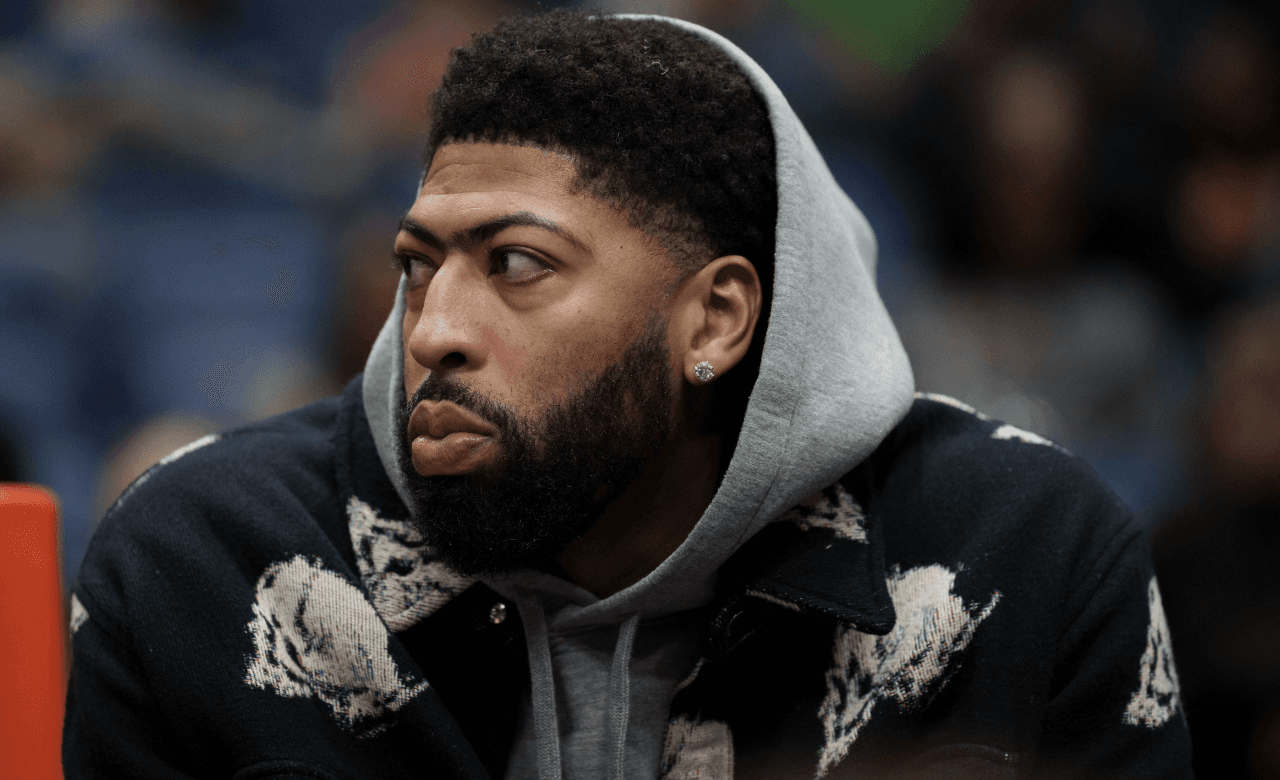
- The anticipated on-court synergy between Young and **Anthony Davis** remains an unfinished storyline. Davis, still awaiting his Wizards debut, remains optimistic but acknowledges the timeline for peak chemistry may extend deep into the postseason or even next season.
- Washington’s roster now blends elite offensive creation with improved defensive versatility, but patience will be essential before this high-upside configuration can consistently perform at an elite level.
Young’s recent five-minute video interview reflecting on his Atlanta return added a human dimension to this high-profile midseason upheaval, revealing the emotional and physical toll of such transitions.
---
### Clippers’ Internal Discord: Player-Management Frictions Escalate
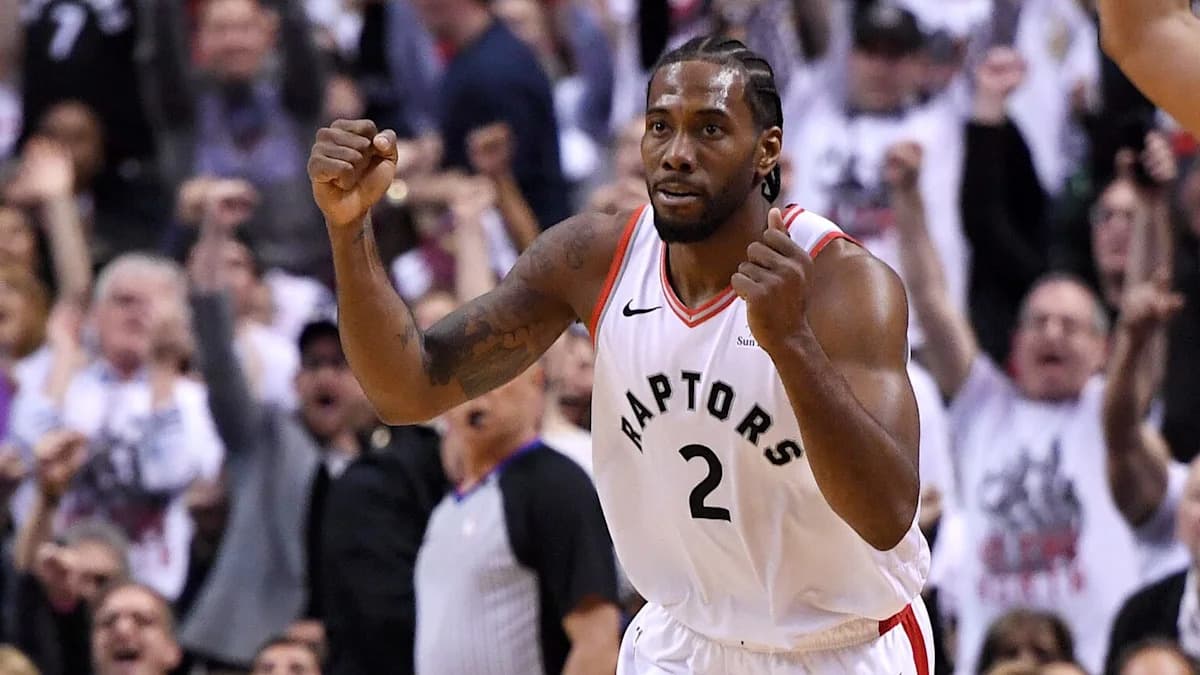
The **Los Angeles Clippers** remain mired in internal tension post-deadline, highlighted by **Kawhi Leonard’s** rare public critique of the front office:
> “The moves didn’t make us better. It felt like the direction wasn’t aligned with what we needed to compete.”
Leonard’s remarks spotlight growing disconnects between players and management, exacerbated by injuries—most notably to **Darius Garland**, who had been a key trade asset in packages involving **James Harden**. This discord contrasts sharply with more unified organizations like the Knicks and Lakers, illustrating how alignment on vision and communication is critical in tight playoff races.
---
### Philadelphia 76ers: Youth Development Debate Intensifies After Jared McCain Trade
The Sixers’ trade of promising two-way guard **Jared McCain** has ignited debate over their developmental priorities:
- McCain was viewed as a defensive cornerstone for Philadelphia’s youth movement, and his departure signals a front office focus on immediate roster tweaks over long-term depth cultivation.
- Critics warn this short-term orientation risks eroding the Sixers’ defensive identity and could jeopardize roster health amid championship aspirations.
- The move has intensified scrutiny on management’s strategic direction, with mounting pressure to justify this approach as the season progresses.
---
### Chicago Bulls: Deadline Inactivity Amid Injury Crisis Draws Criticism
The Bulls’ passivity at the deadline, combined with injuries to key players **Jaden Ivey**, **Anfernee Simons**, and **Zach Collins**, has exposed glaring roster deficiencies:
- Unaddressed needs in defensive specialists and bench depth have left the team vulnerable.
- Front office reluctance to act during a critical competitive window has drawn widespread criticism from fans and analysts alike.
- Without reinforcements, the Bulls risk prolonging their playoff drought and complicating rebuilding timelines.
---
### Denver Nuggets: Balancing Talent Retention and Cap Realities
The Nuggets face a challenging offseason balancing rising talent retention with salary cap constraints:
- The looming contract extension for wing **Peyton Watson** threatens to push Denver closer to luxury tax territory, forcing difficult roster decisions.
- Trade rumors continue to circulate around potential starter moves aimed at preserving cap flexibility.
- Their deadline decision to stand pat reflects confidence in their core, but foreshadows tough roster and payroll management choices ahead.
Denver’s situation typifies the broader league tension between cultivating young talent and maintaining championship viability under financial constraints.
---
### Additional Developments: Pistons’ Missteps and Bucks’ Stability
- The **Detroit Pistons’** aggressive deadline gambit, once heralded for ambition, is now viewed as backfiring—complicating competitive timelines and asset management. Their experience highlights risks of repositioning without a clear, cohesive strategy.
- Meanwhile, the **Milwaukee Bucks** have effectively moved past offseason Giannis trade drama. Their stable deadline approach has preserved organizational confidence and a competitive posture, providing a stark contrast to more tumultuous franchises.
---
### Coaching Adaptability, Chemistry, and Intangibles: The Hidden Edge
Beyond on-court talent and financial maneuvering, the deadline reinforced the importance of:
- **Coaching adaptability** — The Knicks’ seamless assimilation of new defensive pieces under **Scott Drew** exemplifies how effective coaching can unlock roster potential midseason.
- **Team chemistry** — Teams like the **Cavaliers** and **Celtics** continue balancing offensive creativity with defensive accountability amid roster churn. Stars such as **Donovan Mitchell** and **Derrick White** embody the emotional and role-clarity challenges that midseason moves often provoke.
These intangible factors frequently distinguish contenders from pretenders when margins are razor-thin.
---
### League-Wide Themes: Competitive Integrity and Front Office Sophistication
- NBA icon **Charles Barkley** reignited calls for stricter anti-tanking policies, spotlighting tensions between asset accumulation and preserving league-wide competitiveness.
- Front offices increasingly demonstrate sophistication in balancing immediate upgrades with long-term strategic positioning, signaling maturation in NBA roster construction philosophies.
---
### Playoff and Fantasy Implications: Adjusting Expectations
- Teams like the **Oklahoma City Thunder** and **Denver Nuggets** preserved roster continuity, maintaining stable playoff outlooks.
- The **New York Knicks** and **Washington Wizards** enhanced postseason hopes but face chemistry and injury uncertainties—most notably Trae Young’s recovery timeline and Jose Alvarado’s integration.
- The volatile **Cleveland Cavaliers** remain heavily dependent on defensive fit around **James Harden**.
- Fantasy managers should recalibrate expectations: stars like **Anthony Davis** and **James Harden** remain focal points, while versatile defenders such as **Jeremy Sochan**, **Jose Alvarado**, and **Mikal Bridges** continue rising in multi-category value.
---
### Conclusion: A Strategic Inflection Point With Complex New Dimensions
The 2026 NBA trade deadline has crystallized the league’s core imperatives for contention while unveiling complex new dimensions around player health, roster integration, and organizational alignment. The **New York Knicks’** defense-first, culture-driven blueprint stands as a sustainable model amid rising complexity. The **Los Angeles Lakers’** patient cap management and targeted rim protection pursuit position them for a potentially transformative offseason. The **Washington Wizards’** high-upside Trae Young-Anthony Davis experiment faces tempered expectations due to health and chemistry hurdles.
Meanwhile, the **Clippers’** internal discord, the **Sixers’** youth development debate, the **Bulls’** passivity, and the **Nuggets’** cap crossroads illustrate the varied strategic challenges franchises confront balancing short-term goals with long-term viability.
As the league advances toward the playoffs and offseason, narratives involving **player health**, **roster construction**, **coaching adaptability**, and **team chemistry** will dominate discussion. The 2026 trade deadline has shaped immediate playoff trajectories and firmly established the strategic pillars likely to define NBA success for years ahead.