# New Evidence Reshapes Maya, Aztec, and Olmec Histories: A Paradigm Shift in Understanding Mesoamerican Civilizations
The story of Mesoamerican civilizations—Maya, Aztec, and Olmec—has long been told through narratives of sudden decline, environmental catastrophe, and conquest. For decades, scholars viewed these societies as tragic victims of upheaval, often emphasizing their supposed abrupt collapses. However, recent groundbreaking multidisciplinary research is fundamentally transforming this perspective, unveiling societies characterized by resilience, adaptability, and continuous cultural evolution. This emerging understanding reframes these civilizations not as fallen empires but as enduring cultures that persisted through adversity and redefined their identities over centuries.
## Cutting-Edge Technological and Scientific Discoveries
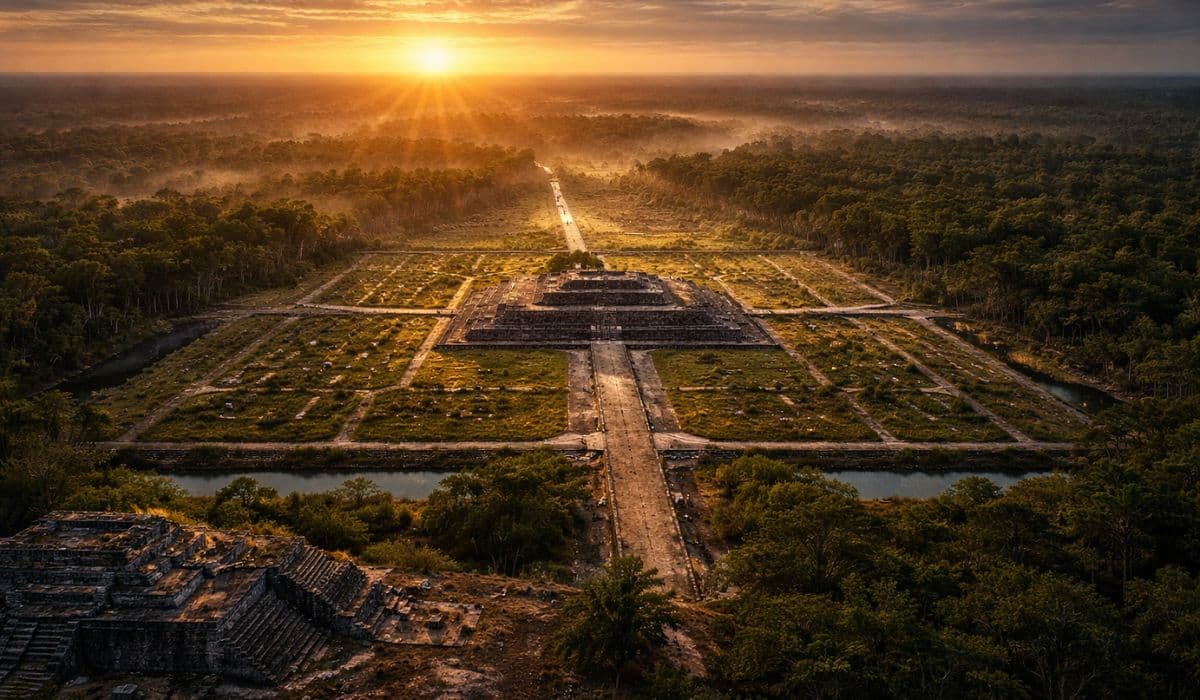
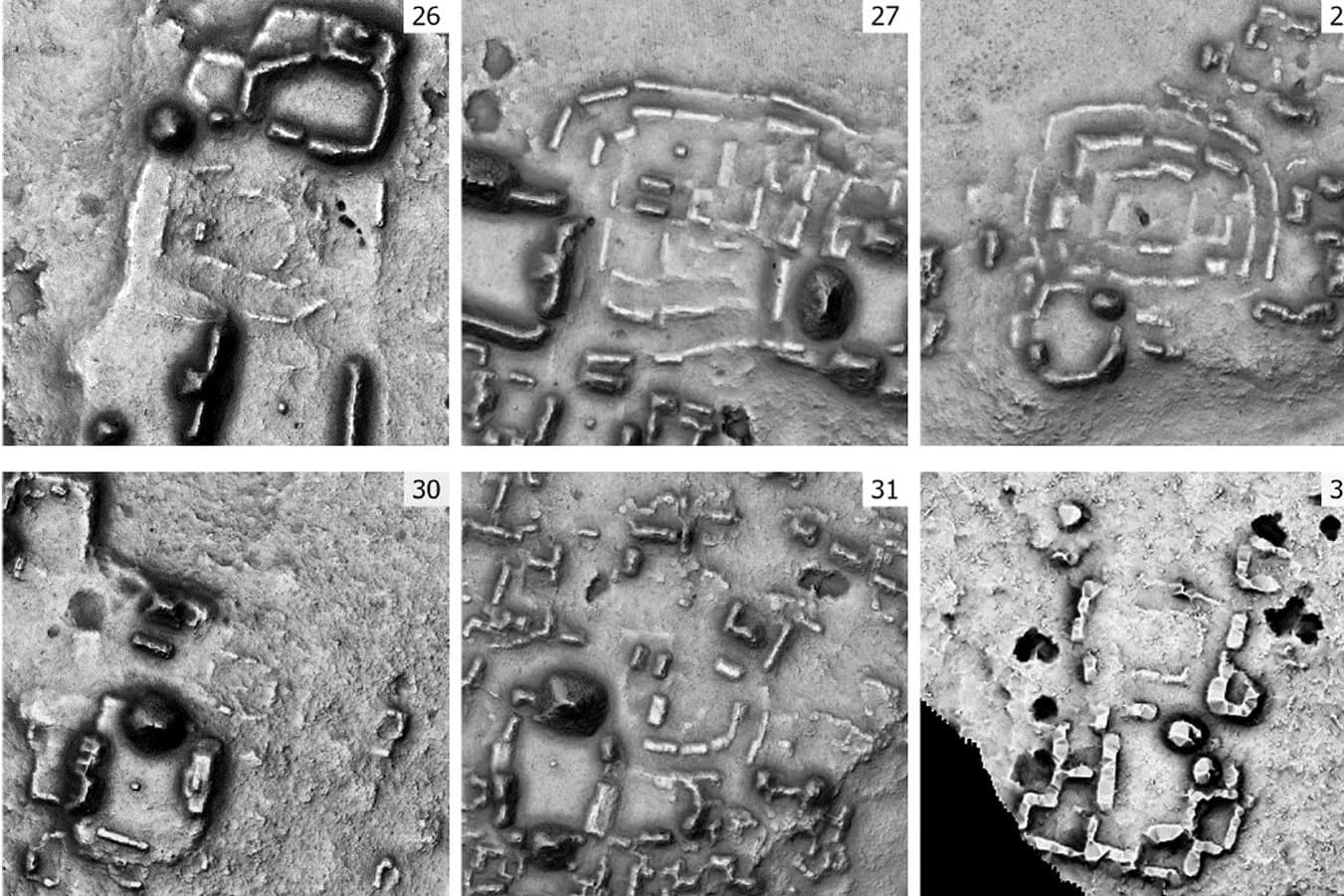
A major catalyst for this paradigm shift has been the widespread application of **lidar (Light Detection and Ranging)** technology. By deploying laser scans from aircraft to penetrate dense jungle canopies, archaeologists have uncovered vast, previously hidden urban networks across the Maya lowlands. These scans reveal sprawling cityscapes interconnected by an intricate system of **roads, causeways, and ritual centers**, painting a picture of a highly organized society that endured over centuries rather than collapsing suddenly around **AD 800–950**.
**Implications of lidar discoveries include:**
- Moving away from the idea of abrupt Maya collapse to understanding a **gradual decentralization** and regional adaptation.
- Evidence that **environmental factors**, such as **prolonged droughts** and environmental degradation, prompted migrations and shifts in political and population centers.
- Dr. Maria Lopez, a leading Maya archaeologist, states, "**The evidence shows resilience and adaptation, not total destruction. Communities developed innovative water management, agricultural techniques, and social structures to survive environmental stresses.**"
In tandem, **climate reconstructions** have documented periods of severe drought that impacted water sources and crop yields. Yet, rather than societal collapse, these stresses appear to have spurred **innovative responses**, including water conservation, resilient agricultural practices, and social reorganization—further challenging the narrative of sudden decline.
## Genetics and Bioarchaeology: Evidence of Long-Term Continuity
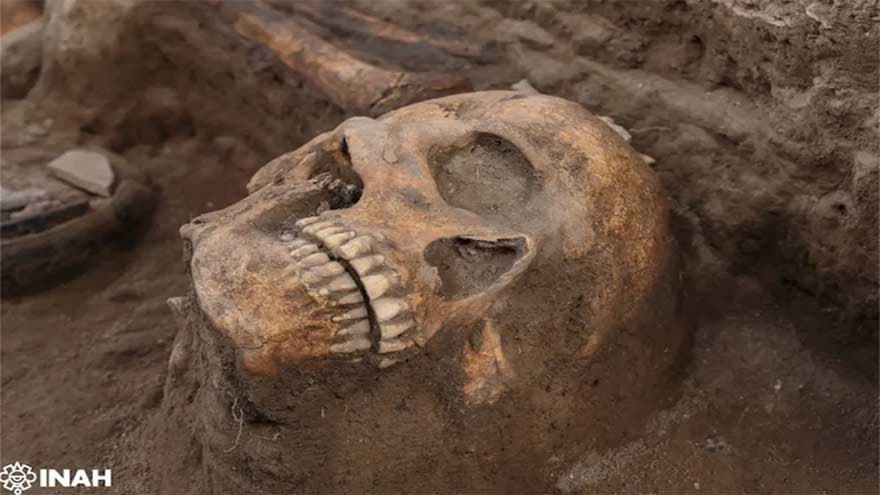
Advances in **ancient DNA (aDNA)** analysis have profoundly reshaped understandings of population dynamics within these civilizations. Studies of skeletal remains from sites such as Copán and others reveal **deep-rooted, heavily admixed lineages**, indicating long-standing local populations engaged in continuous migration, intermarriage, and cultural exchange.
**Key findings include:**
- Persistent **cultural traditions** maintained over centuries, even amid environmental and colonial upheavals.
- A notable 1,400-year-old burial site in Mexico demonstrates **regional cultural resilience**, with genetic data underscoring ongoing social cohesion despite environmental stresses.
These insights dispel earlier assumptions of societal fragmentation or homogeneity, instead emphasizing **dynamic, interconnected communities** capable of adapting, resisting, and thriving across centuries.
## Cultural and Ritual Persistence
Recent scholarly analyses of **Maya codices, murals, and artifacts** reveal that intellectual, spiritual, and political vitality persisted despite periods of upheaval. The endurance of **astronomical knowledge**, **symbolic systems**, and **ritual practices** indicates continuous cultural expression.
**Notable discoveries include:**
- Detailed **astronomical texts** encoded in surviving codices, signifying ongoing scholarly engagement.
- Ritual uses of animals such as **axolotls** and water deities—symbols of transformation and rebirth—that remained culturally significant.
- Murals and artifacts depicting **social cohesion** and **religious traditions**, countering the idea of cultural collapse.
The recurring symbolism of the **axolotl**, associated with transformation and renewal, exemplifies themes of resilience and spiritual continuity that persisted despite political or environmental crises.
## Colonial Violence and Indigenous Resilience
The conquest of the 16th century brought immense suffering, including violence, forced labor, and cultural suppression. Yet, recent research highlights stories of **resistance and adaptation** among indigenous communities. For example, the experiences of **Aztec noblewomen** following the fall of Tenochtitlan in 1521 reveal profound hardship but also moments of resilience and cultural persistence.
As historian Dr. Isabel García notes, "**Understanding the brutal reality faced by noblewomen underscores the resilience of indigenous communities amid colonial violence.**" Their stories reflect broader patterns of **cultural continuity and transformation**, which continue into the present day.
## Indigenous-Led Scholarship and Artifacts Repatriation
A significant contemporary development is the rise of **Indigenous-led scholarship** and **artifact repatriation efforts**. Indigenous communities and scholars are increasingly involved in **reinterpreting artifacts, texts, and history**, asserting cultural sovereignty and agency.
Recent initiatives include:
- **Legal actions** to halt the sale and export of pre-Columbian artifacts, asserting their cultural significance and ownership rights.
- Collaborative projects where Indigenous scholars and communities actively participate in **reinterpreting archaeological findings**, revitalizing oral traditions, and preserving rituals.
- Official repatriation of artifacts to their countries of origin, fostering **cultural revitalization** and **community empowerment**.
This shift not only corrects historical misrepresentations but also strengthens **cultural identity**, resilience, and self-determination for descendant communities.
## New Perspectives on Warfare and Social Dynamics
Recent scholarly work titled **"Embattled Bodies, Embattled Places: War in Pre-Columbian Mesoamerica"** offers nuanced insights into the role of conflict. Far from being solely destructive, warfare appears to have been a **pervasive and integrated aspect** of social and political life.
**Key findings include:**
- Evidence of **organized warfare** involving **fortified sites** and **embattled landscapes**.
- Conflict played a role in **shaping social hierarchies**, **alliances**, and **ritual practices**.
- Many societies adapted their social structures in response to conflict, illustrating resilience rather than collapse.
This understanding underscores that **conflict was intertwined with societal resilience**, fostering social complexity and evolution rather than simple destruction.
## Current Status and Broader Implications
The cumulative weight of these discoveries—lidar surveys revealing vast urban networks, genetic studies confirming long-term population continuity, and Indigenous-led initiatives reclaiming narratives—collectively affirm that **Mesoamerican civilizations were resilient, adaptable, and enduring**. They defy simplistic collapse models, instead offering a rich story of survival, innovation, and cultural vitality.
Today, these insights influence both academic scholarship and the way descendant communities reclaim their histories. The narrative is shifting from one of tragic fall to one of **ongoing resilience and cultural rebirth**.
**In conclusion**, the emerging evidence underscores that the legacy of Maya, Aztec, and Olmec societies is not merely a story of decline but a testament to human resilience. These civilizations—through innovation, resistance, and cultural continuity—have persisted across centuries, offering inspiring lessons on adaptation amid adversity. Their enduring presence continues to shape the cultural landscape of Mesoamerica and the world.
---
**Recent Developments Highlighted:**
- The **legal action by Mexico** demanding the halt of a Paris auction house sale of pre-Columbian artifacts, emphasizing efforts to protect cultural heritage and assert ownership rights.
- Ongoing **repatriation initiatives** and collaborative scholarship with Indigenous communities, fostering cultural sovereignty.
- New publications and studies illustrating the **pervasive role of warfare** in societal resilience and social cohesion.
These developments reinforce a transformative view: **Mesoamerican civilizations are not relics of a fallen past but vibrant legacies of resilience and ongoing cultural vitality.**