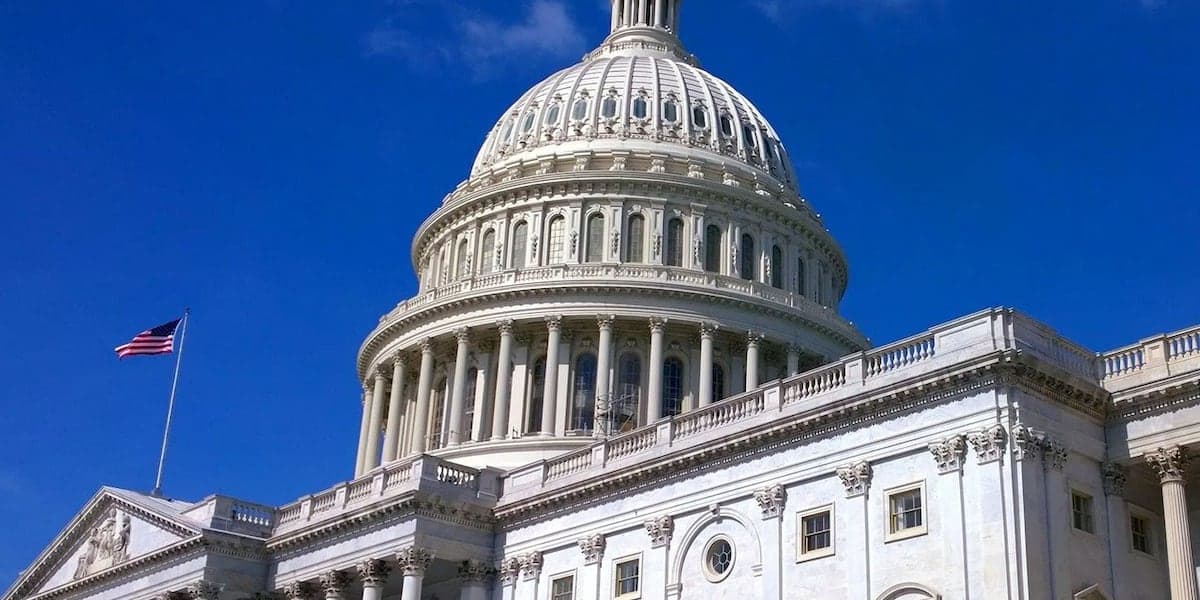
# Parties Clash Over Rules, Courts, and Control of Congress as 2026 Looms
As the countdown to the 2026 congressional elections intensifies, the American political landscape is more tumultuous and polarized than ever. The battles are no longer confined solely to which party will control Congress; they now extend deeply into the very institutions, legal frameworks, and procedural rules that uphold American democracy. From contentious state-level redistricting battles to judicial races, investigations into election interference, and ideological fights over voting laws, the nation is embroiled in a multi-front struggle that threatens to further erode public trust and destabilize democratic norms.
## Multi-Front Battles Signal High Stakes
### State-Level Redistricting and Power Struggles
States remain the primary battlegrounds for partisan influence, with pivotal regions shaping the electoral map for years to come:
- **Texas:** The redistricting process here has become emblematic of partisan conflict. Republican authorities have pushed maps critics argue heavily favor GOP candidates, resulting in numerous legal challenges. The state’s recent primary season has been characterized by high-profile races, notably the Texas Senate primary featuring intense outside spending. Prominent figures like **Rick Perry** have pledged significant resources—Perry stating he would invest “whatever we need”—to support incumbent **John Cornyn**, underscoring the high stakes for party control. Recent analyses suggest that **redistricting has significantly reduced the number of competitive House seats**, raising concerns about electoral fairness and the potential for entrenched partisan advantage.
- **North Carolina:** The state’s Supreme Court remains a crucial arbiter amid its swings between Democratic and Republican control. Its rulings on voting laws and district boundaries could decisively influence the 2026 landscape, with recent decisions possibly favoring either partisan advantage or fairness, depending on the ruling.
- **Georgia and Other Swing States:** The Republican primaries to replace **Marjorie Taylor Greene** and other key races reflect deep ideological divides within the GOP. Early voting data and turnout figures underscore the importance of mobilization amid ongoing debates over election integrity, voter access, and suppression tactics.
### Judicial Races and Election Law Battles
Control over election oversight bodies is increasingly vital:
- **Michigan, Arizona, and Georgia:** Judicial races in these states will determine who oversees redistricting, voting procedures, and the enforcement of election laws. The Department of Justice recently revealed investigations into GOP figures—particularly in **Arizona**—who submitted false electoral votes after 2020, highlighting a strategic push to challenge electoral legitimacy and influence future outcomes. These efforts are raising alarms about the erosion of electoral integrity and the potential for future disputes to undermine confidence in the electoral process.
- **Ballot Deadlines and Mail-In Voting:** The debate over whether ballots should only be counted if received by Election Day has escalated. Some Republicans are seeking Supreme Court rulings to enforce strict deadlines, citing security concerns. Critics warn such measures could disenfranchise marginalized voters who depend on mail-in and early voting, raising serious questions about access, fairness, and voter suppression.
### Investigations, Legal Challenges, and Political Strategies
- **Fake Electors Scheme:** The DOJ continues its investigation into efforts by GOP officials—particularly in **Arizona**—who falsely submitted electoral votes in 2020. Recent disclosures reveal organized efforts and significant legal expenses aimed at contesting or undermining the legitimacy of the 2020 election, with potential ramifications for the integrity of future elections.
- **Legal and Organizational Expenses:** The mounting costs associated with these battles reflect well-funded efforts to influence electoral outcomes, further politicizing the judiciary and election administration structures. These efforts underscore the intensity of partisan stakes in shaping election outcomes.
## The Trump Factor and Institutional Polarization
Former President **Donald Trump** remains a central figure in this turbulent environment:
- **Endorsements and Rhetoric:** While Trump’s endorsements continue to influence GOP primaries, he has **declined to endorse** in some critical races, notably the Texas Senate primary involving **John Cornyn**, **Ken Paxton**, and **Jim Hines**. This hesitancy signals intra-party factional conflicts and strategic calculations, highlighting divisions within Republican ranks.
- **Legal Tactics and Claims of Fraud:** Trump’s persistent assertions of election fraud and aggressive legal efforts threaten judicial independence and fuel public distrust. His rhetoric has escalated recently, with analysts like **Mark Leibovich** warning, *"Trump’s about to start a war, and Washington is asleep,"* emphasizing fears of further polarization and institutional destabilization.
- **Impact on Institutions:** The judiciary and election agencies are under mounting partisan pressure, with some judges experiencing threats and intimidation. The politicization surrounding judicial appointments and election oversight agencies risks undermining norms vital for democratic stability.
### Recent Developments and Their Significance
Several recent events illustrate the volatile environment:
- **GOP Use of Fraud Allegations:** GOP officials, especially in **Arizona**, are leveraging claims of election fraud to energize their base and challenge election officials aligned with Democrats. These narratives seek to reshape electoral rules in their favor, often at the expense of voter access.
- **The SAVE America Act Vote:** The Senate is preparing to vote on the **SAVE America Act**, which proposes a new Voter ID law claiming to enhance election security. Critics warn this legislation could disenfranchise millions, especially marginalized communities reliant on mail-in and early voting, intensifying debates over security versus accessibility.
- **Texas Primary Outside Spending:** Major outside groups, including those aligned with Rick Perry supporting Cornyn’s opponents, are pouring resources into the Texas Senate primary. This influx exemplifies intra-party factionalism and underscores the importance of controlling Senate seats in the broader electoral contest.
- **Georgia’s Special District Race:** The contest to fill the seat vacated by **Marjorie Taylor Greene** highlights ongoing ideological battles within the GOP. Early voting indicates high partisan engagement, emphasizing the stakes of these races.
- **Justice Department and Institutional Strain:** Coverage, including insights from **Laura Coates**, Chief Legal Analyst, underscores how politicization at the Justice Department is affecting its credibility. Coates reacted strongly to the display of a Trump banner at Main Justice, calling it “not normal,” and raising alarms about the erosion of institutional norms.
- **Governors’ Efforts to Move Past Trump:** At a recent White House dinner, governors from both parties gathered to signal their desire to transcend Trump’s influence. Their efforts aim to restore bipartisan norms, bolster institutional integrity, and forge a path forward amid ongoing chaos.
### Recent Developments: Trump’s 2026 State of the Union and Political Narratives
- **Trump’s 2026 State of the Union Address:** In a highly anticipated event, President Trump delivered his first official State of the Union since announcing his 2026 bid. The speech, broadcast live with extensive analysis, was marked by combative rhetoric emphasizing election integrity, border security, and conservative cultural values. **Three key takeaways** from his speech include:
- A reaffirmation of his claims that the 2020 election was stolen, fueling ongoing conspiracy theories.
- Emphasis on restoring “law and order,” framing his agenda as a moral crusade against the Biden administration’s policies.
- A call for “America first” policies that seek to reshape immigration, trade, and foreign policy debates.
- **Reactions and Unforgettable Moments:** The address featured contentious moments, including disruptions and protests. For example, **Al Green** was ejected after holding a sign that read “Black People Aren’t Apes,” symbolizing ongoing racial tensions. The speech also drew widespread reactions—supporters praised his focus on “restoring America,” while critics warned it deepened polarization and threatened democratic norms.
- **Fact-Checking and Rhetoric Analysis:** NPR’s annotations highlighted how Trump’s speech often stretched or misrepresented facts, underscoring the ongoing battle over truth and misinformation in political discourse.
## Broader Implications and Future Outlook
The current environment underscores **deepening polarization** where electoral rules, judicial control, and partisan narratives are intertwined:
- **Partisan Manipulation of Institutions:** The display of Trump banners at Department of Justice facilities and reactions from legal experts like Laura Coates exemplify the profound challenges in maintaining impartial institutions under partisan pressure.
- **Intra-party Dynamics:** Governors and state leaders are increasingly seeking independent pathways to reduce Trump’s influence and restore public confidence in democratic processes. Their efforts point toward a potential shift toward more pragmatic, institution-centered politics.
- **Declining Competitiveness in House Races:** Redistricting has markedly decreased the number of competitive districts, concentrating control among partisan map-drawers and escalating intra-party conflicts. This shift raises concerns about the fairness of future elections and the health of representative democracy.
### Key Considerations Moving Forward
- The **control of Congress** will hinge on the outcomes of critical races in battleground states, with judicial decisions on district maps and voting laws playing a decisive role.
- The **integrity of elections** depends on court rulings regarding ballot deadlines, mail-in voting, and the enforcement of voting rights protections.
- The **resilience of institutions**—the judiciary, Justice Department, and election agencies—will determine whether democratic norms can withstand escalating partisan assaults.
**The overarching concern** remains whether these polarized battles will undermine foundational democratic principles or whether concerted efforts to depoliticize and strengthen institutions can prevail.
## Conclusion
The fierce contest over rules, courts, and control of Congress reflects a broader ideological and institutional struggle over the future of American democracy. As 2026 approaches, the stakes are higher than ever—each legal decision, legislative maneuver, and electoral contest shaping the nation’s democratic trajectory. The coming months will be pivotal: the resilience of American institutions, the integrity of the electoral process, and the capacity for bipartisan cooperation will determine whether the nation can uphold its democratic norms or slide further into polarization and instability. Vigilance, adherence to the rule of law, and a collective commitment to democratic principles are essential if the United States is to preserve its constitutional foundations amid this turbulent era.