# Transforming Alzheimer’s Disease Prevention: The New Era of Early Intervention, Biomarkers, and Precision Strategies
The vision of preventing Alzheimer’s disease (AD) **before symptoms even manifest** is rapidly becoming a tangible reality. Thanks to groundbreaking scientific discoveries, technological innovations, and large-scale clinical efforts, the paradigm is shifting from a **reactive, symptom-based approach** to a **proactive, prevention-centered strategy**. This transformation holds the promise of **delaying or even preventing** the onset of clinical dementia, thereby **saving lives, reducing societal burden**, and fundamentally redefining how we approach neurodegenerative diseases.
---
## The Paradigm Shift: From Symptom Management to Preclinical Prevention
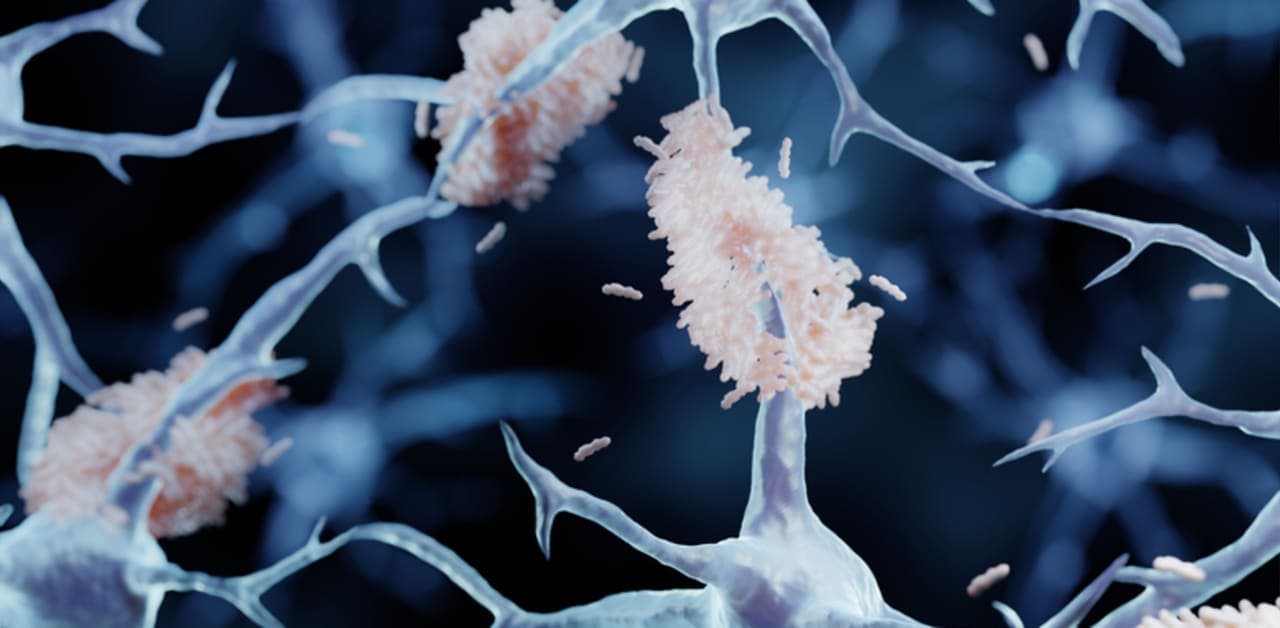
For decades, AD research focused chiefly on **managing symptoms after diagnosis**, often at stages when neurodegeneration was advanced and less amenable to treatment. Now, scientists recognize that **pathological changes—amyloid and tau protein accumulations—occur decades before cognitive symptoms emerge**. This awareness has catalyzed a **fundamental shift**: the emphasis is moving toward **early detection and intervention** during the **preclinical window** to **prevent or delay** the clinical manifestation of dementia.
### Key Clinical Initiatives: Pioneering Early-Stage Trials
A **landmark example** is the **AHEAD (Alzheimer’s Disease Early Amyloid Detection) Study**, which targets **cognitively normal adults** showing **early amyloid pathology** identified through **advanced PET imaging, blood biomarkers,** and **CSF analysis**. The goal is to intervene **before significant neurodegeneration** sets in.
Recent developments are **accelerating this effort**:
- **Anti-amyloid monoclonal antibodies** such as **lecanemab** and **donanemab** are being administered **during the preclinical phase** to **actively reduce amyloid plaques**.
- Incorporation of **lifestyle modifications**—including **diet, physical exercise,** and **cognitive training**—aims to **bolster brain resilience**.
- **Public engagement** has surged, evidenced by over **2,390 views** of informational videos about the AHEAD study, indicating **growing awareness** and **willingness to participate**.
**Successful outcomes** from these trials could **delay or prevent** progression to symptomatic AD, **redefining standard care** from **reactive symptom management** to **personalized prevention**, ultimately **saving millions** and **reducing healthcare costs**.
---
## Advances in Biomarker Technologies: Detecting Pathology Early and with Greater Precision
**Biomarker innovations** are at the heart of this preventive revolution, enabling **early, accurate detection** of AD pathology **before clinical symptoms** appear.
### The Molecular Tau Atlas: A Diagnostic Revolution
Researchers have created a **comprehensive molecular atlas of tau protein**, which:
- **Refines diagnostic accuracy** through **region-specific detection** of tau deposits,
- **Correlates tau accumulation** with **neurodegeneration severity**,
- **Identifies shared tau features** across neurodegenerative diseases, paving the way for **broad-spectrum therapeutics**.
### Blood-Based Biomarkers and Lipidomics: Making Detection Accessible
Significant progress has been made toward **scalable, minimally invasive biomarkers**:
- **Blood Tests:**
Companies like **Quanterix** and **Roche** are developing assays nearing **FDA approval**. For example, **Labcorp’s recent FDA approval** of **Roche’s Elecsys pTau-181 blood test** makes **early risk detection more accessible**.
- **Lipidomic Signatures:**
Studies such as **"Lipidomic signatures reveal biomarkers of mild cognitive impairment"** have identified **specific lipid profiles** associated with **early MCI**, providing **additional risk stratification tools**.
### Multimodal Diagnostics and Predictive Models
By **integrating PET imaging, CSF analysis, blood biomarkers**, and **lipid profiles**, clinicians can achieve **high diagnostic precision**. Innovations like the **blood ‘clock’**, which leverages **plasma pTau-181** and related biomarkers, allow **estimations of the timeline** until **clinical conversion**—enabling **personalized, timely interventions**.
**Implication:**
These advancements **empower early detection**, **risk assessment**, and **intervention planning**, heralding an era of **precision medicine** in AD prevention.
---
## Understanding and Harnessing Brain Resilience
A particularly **exciting frontier** involves understanding **why some individuals** remain **cognitively intact** despite harboring **amyloid and tau pathology**.
- **Gene expression signatures** in **neocortical layer 4 neurons** are associated with **resistance**.
- **Protective genetic variants**, such as **PLCG2** and **TREM2**, are linked to **delayed disease onset**.
- The **immune system**, especially **microglial activity**, appears **neuroprotective**.
- **Vascular health** plays a critical role, with **APOE4’s influence** on **vascular integrity** emphasizing **vascular contributions** to AD.
### The Vascular Contribution: Tiny Clots and Microvascular Damage
A recent article titled **"Tiny Clots Could Be the Missing Piece in Alzheimer’s Puzzle"** discusses **microvascular blockages** and **tiny blood clots** as potential **early drivers** of neurodegeneration.
- **Blood proteins** like **fibrin**, interacting with **amyloid or tau**, may **initiate or accelerate** pathological cascades.
- **Addressing vascular health**—through **preventing microvascular damage** and **clot formation**—is emerging as a **crucial component** of **preventive strategies**.
**Implication:**
Enhancing **vascular health** could **complement amyloid and tau therapies**, further **delaying or preventing** clinical onset.
---
## Expanding Therapeutic and Technological Horizons
### Anti-Amyloid Strategies and PET-Guided Monitoring
Recent clinical data reinforce that **initiating anti-amyloid therapies** during **pre-symptomatic stages** can **slow or halt** cognitive decline. Drugs like **lecanemab** and **donanemab** have demonstrated **significant reductions** in amyloid burden, fueling optimism for **early pharmacological intervention**.
**PET imaging** plays a pivotal role in:
- **Diagnosing early pathology**,
- **Monitoring therapeutic response**,
- **Optimizing intervention timing**.
**Recent insights** highlight that **near-complete amyloid removal (~18 months)** maximizes **clinical benefit**, underscoring the importance of **personalized PET-guided treatment plans**.
### Next-Generation Approaches: Broadening the Therapeutic Arsenal
Beyond anti-amyloid antibodies, the therapeutic landscape is broadening to include:
- **Tau immunotherapies** targeting specific tau species,
- **Immune modulation strategies**, such as **NLRP3 inflammasome inhibitors**,
- **Vascular repair therapies**,
- **Stem-cell-based approaches** coupled with **ultrasound-assisted gene delivery**,
- Small molecules like **Xanamem**, an **11β-HSD1 inhibitor**, for **neuroprotection**.
Recent developments include the **initiation of Phase 1 trials** for **NLRP3 inflammasome inhibitors** by companies like **AC Immune**, aiming to **target neuroinflammation**, a key contributor to disease progression.
### Diversification and Personalization
Therapies are increasingly **tailored** to individual **biological profiles**, considering **high-risk groups** such as those with **Down syndrome**, **specific tau species**, or **immune system variations**. The goal is to develop **personalized, effective interventions** that **maximize benefit**.
---
## The Role of PET Imaging in Treatment Timing and Monitoring
**Emerging evidence** emphasizes **PET-guided stratification**, showing that **near-complete amyloid removal (~18 months)** correlates with the **most significant clinical benefits**. This underscores the need for **personalized intervention windows** based on **PET assessments** to **maximize therapeutic outcomes**.
---
## Navigating Regulatory, Ethical, and Policy Challenges
The **rapid pace of scientific progress** prompts **regulatory and ethical debates**:
- The **FDA** has **accelerated approval pathways** for **blood-based biomarkers** to promote **early screening**.
- Conversely, some regions, such as **Scotland**, **denied approval** for certain **anti-amyloid therapies**, citing **insufficient evidence** or **cost-effectiveness concerns**. This highlights ongoing **discussions over standards of evidence**, **treatment access**, and **economic sustainability**.
> **"Should all individuals with biomarker evidence of Alzheimer’s pathology receive anti-amyloid therapy?"**
> This question underscores the **balance** between **early intervention benefits** and potential **risks**, **costs**, and **regulatory frameworks**.
---
## The Predictive Power of Blood ‘Clocks’ and Symptom Onset Forecasting
A **groundbreaking study**, titled **"New approach roughly predicts when Alzheimer’s symptoms begin"**, introduces a **blood ‘clock’** based on **plasma pTau-181** and related biomarkers. This **predictive model** estimates **the timeline** until **clinical conversion**, enabling **more precise intervention timing**.
**Implication:**
Such **personalized predictive tools** could **optimize intervention windows**, **delay symptom onset**, and **improve patient outcomes**.
---
## Recent Advances in Symptom Prediction: The Blood Test Revolution
A recent article, **"Can a Blood Test Help Predict Alzheimer’s Disease’s Symptoms?"**, explores how **blood-based assays** are **not only risk detectors** but also **predictive of symptom onset timelines**. These tools, including the **blood ‘clock’**, could **complement existing models** and **personalize preventive strategies**.
---
## Current Status and Future Outlook
The **convergence** of **biomarker innovations**, **therapeutic advances**, and **resilience research** positions the field at an **exciting inflection point**. Large longitudinal studies like **DIAN** continue deepening our understanding of **early intervention windows**, while industry trials such as **Alzinova’s Phase 2 program** push toward **clinical application**.
The **FDA’s approval** of **blood-based tests**—notably **Roche’s Elecsys pTau-181**—**broadens early screening and risk assessment**, making **routine detection feasible**. As **early detection becomes routine**, the focus intensifies on **preventive interventions**—a synergy of **biomarkers**, **targeted therapies**, and **lifestyle modifications**.
> **Implication:**
> The **future of Alzheimer’s prevention** involves a **multi-modal approach**—integrating **biomarkers**, **personalized medicine**, **vascular health**, and **resilience factors**—aimed at transforming AD from an **inevitable decline** into a **preventable or delayable condition**, **preserving cognitive health** and **enhancing quality of life**.
---
## Recent Breakthroughs and Global Perspectives
### The Rise of Vascular and Immune Interventions
A **notable recent development** is the **initiation of Phase 1 trials** by **AC Immune** for **NLRP3 inflammasome inhibitors**, targeting **neuroinflammation**, a key contributor to AD pathogenesis. Additionally, **evidence** suggests that **early silent drops in brain blood flow**—detected via advanced imaging—may **trigger or accelerate** neurodegenerative processes. Addressing these **vascular drivers** is increasingly viewed as **integral** to **comprehensive prevention**.
### Japan’s Pioneering iPSC-Based Therapies
A **significant regulatory move** comes from Japan, where a **regulatory panel recommended advancing** the **world’s first iPSC-based therapies**. These stem-cell approaches, combined with **gene delivery technologies**, promise **regenerative and neuroprotective potential**—a **novel frontier** in **disease-modifying treatments**.
### China’s Comprehensive Strategy
A recent article, **"China is waging war on Alzheimer’s. What can its approach teach the rest of the world?"**, highlights China’s **massive investments** in **biomarker research, scalable screening,** and **public health initiatives**. With nearly **30% of global dementia cases**, China’s **large-scale, proactive approach**—focusing on **early detection, vascular health,** and **public education**—offers valuable lessons for **global implementation**.
---
## **In Summary**
The field of Alzheimer’s prevention is experiencing a **remarkable renaissance**:
- **Biomarker breakthroughs** like the **blood ‘clock’** and **comprehensive tau atlases** are **refining early detection**.
- **Therapeutic innovations**—from **anti-amyloid** to **immune and vascular therapies**—are **expanding treatment options**.
- **Personalized models** enable **timely, targeted interventions**.
- **Global strategies**, exemplified by China and Japan, underscore the importance of **public health infrastructure** and **regulatory agility**.
This **integrated vision** offers hope that **Alzheimer’s disease** can eventually be **prevented or substantially delayed**, shifting the narrative from **inevitability** to **possibility**—and ultimately, **to reality**. As these advances accelerate, future generations may enjoy **healthier cognitive aging**, with **dementia no longer an unavoidable fate** but a **preventable condition**—a true breakthrough in **neurodegenerative disease management**.