# Day 12 of the US-Israel–Iran Escalation: A Critical Crossroads in West Asia
The conflict in West Asia has reached an unprecedented and perilous peak on Day 12, marking a critical turning point with the potential to reshape regional stability and global security. What initially appeared as localized hostilities has rapidly evolved into a complex, multi-layered confrontation involving direct military strikes, proxy warfare, maritime tensions, and high-stakes political shifts. As the international community grapples with mounting concerns, the risk of a broader regional or even global conflict has intensified dramatically.
## Escalating Military Engagements and Cross-Border Operations
### Israeli Strikes on Iranian and Hezbollah Targets
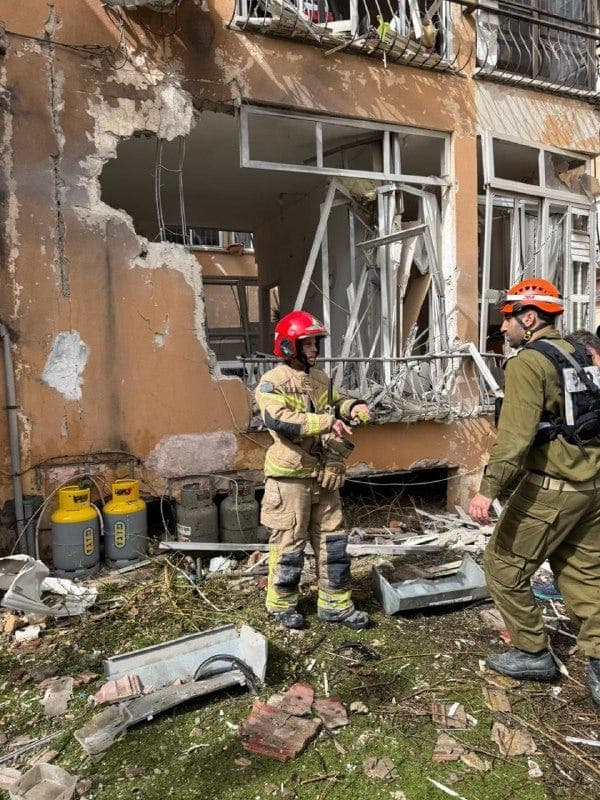
Israeli defense forces have significantly escalated their military operations, executing precise aerial and missile strikes against Iranian military infrastructure in Tehran and Hezbollah positions in Beirut. Recent reports confirm sustained efforts aimed at degrading Iran’s military capabilities and Hezbollah’s missile arsenals. Targets have included strategic sites such as weapons depots, command centers, and missile launch sites—highlighting Israel’s intent to preemptively weaken Iran’s regional influence.
Israeli officials have reiterated that these strikes are **defensive and preemptive**, designed to prevent Iran and its proxies from escalating their offensive capabilities further. The strikes come amid rising tensions and are viewed by many analysts as part of a broader effort to contain Iran’s regional ambitions.
### Iran’s Fierce Retaliation and Military Capabilities
Iran has responded with aggressive countermeasures, notably claiming to have **shot down over 100 drones**, including high-value MQ-9 Reaper and Hermes UAVs. Iran asserts that its air-defense systems have performed effectively amidst ongoing aerial assaults, signaling a robust defense posture.
Furthermore, Iran has **publicly announced successful tests of hypersonic missiles** capable of reaching targets across Israel, U.S. bases, and regional allies. This technological leap underscores Iran’s rapid military advancements and strategic intent to bolster deterrence against Western and Israeli military actions. The testing of hypersonic weapons marks a significant escalation, as these missiles are difficult to intercept and could dramatically alter the battlefield dynamics.
### Proxy Warfare and Regional Militias
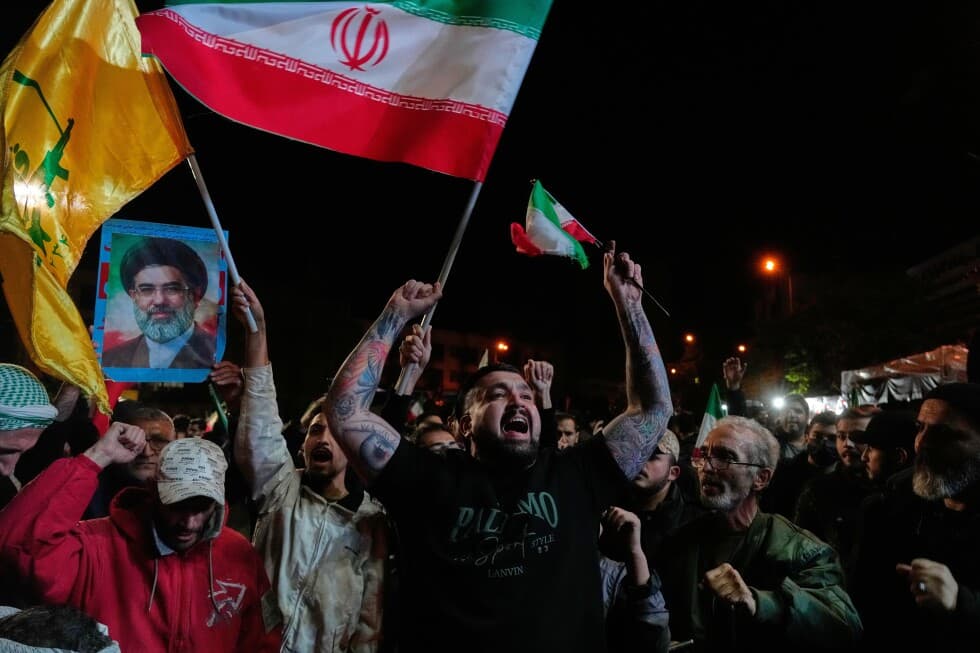
Iran-backed militias across West Asia are actively engaged in hostilities, firing **dozens of rockets from Hezbollah** toward Israeli positions. In addition, Iran’s proxies in Syria, Iraq, and Lebanon have stepped up attacks—targeting Israeli military assets, infrastructure, and strategic locations. These groups have also launched strikes on U.S. bases and allied facilities in the region, further complicating the military landscape.
This proliferation of proxy attacks demonstrates Iran’s strategic goal of conducting a **multi-front offensive**, seeking to stretch Israeli, American, and regional defenses simultaneously. The active engagement of militias underscores the broader danger of the conflict spilling into wider regional chaos.
## Maritime Tensions and Energy Market Disruptions
### Attacks in the Strait of Hormuz and Gulf Waters
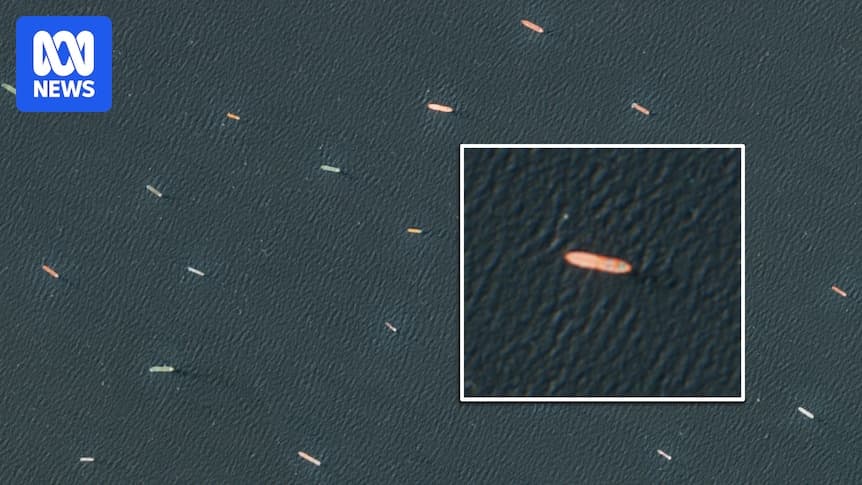
Maritime security remains critically strained, with **six ships targeted in recent attacks** across the Strait of Hormuz and regional waters. Iran has issued stern warnings that any interference with its maritime activities will be met with force, raising fears of naval clashes that could jeopardize one of the world's most vital energy corridors.
These maritime incidents threaten to escalate into full-scale naval confrontations, potentially disrupting global oil supplies. The Strait of Hormuz, through which approximately 20% of the world's oil passes, remains a flashpoint amid escalating tensions.
### Safe Passage for Commercial Vessels
Despite the heightened risks, recent updates confirm that **two Indian vessels carrying LPG successfully crossed the Strait of Hormuz**, marking a cautious but notable step toward maintaining international shipping routes. This indicates ongoing coordination among maritime nations to ensure the safety of commercial vessels amid the conflict.
### Surge in Oil Prices and Global Energy Security
The escalation has caused **oil prices to surge past $100 per barrel**, the highest since early 2023. Investors and markets are deeply concerned about potential supply disruptions, especially if naval conflicts intensify in the Strait of Hormuz. Any further escalation could trigger a global energy crisis, impacting economies worldwide and underscoring the stakes of regional conflict.
## Political and Leadership Developments in Iran
### Leadership Changes and Strategic Demands
Iran’s political landscape is experiencing significant shifts, notably with the appointment of **Mojtaba Khamenei as Iran’s new Supreme Leader**. This move is widely interpreted as signaling a more assertive and unpredictable Iran, especially amid ongoing military confrontations and diplomatic tensions.
The change in leadership coincides with increased military activity and diplomatic posturing, suggesting Iran’s leadership may pursue an even more aggressive stance in the coming days. Khamenei’s ascendancy is viewed by some analysts as a signal that Iran intends to escalate its regional engagements.
### Iran’s Diplomatic and Military Posturing
Iranian military leadership has issued **explicit threats targeting U.S. and Israeli strategic centers**, including hints at deploying **hypersonic missile strikes**. Iran claims to have **damaged U.S. and Israeli assets with advanced missile technology**, aiming to challenge Western dominance and deter future interference.
In a bold political move, Tehran has **publicly demanded reparations from Israel**, an unprecedented stance that signals escalation beyond mere military confrontation. Iran’s active operations across multiple fronts—strikes in Kuwait, the UAE, and Saudi Arabia—are part of a broader strategy to weaken regional adversaries and project power.
### Calls for U.S. Base Closures and Regional Restraint
Iran’s leadership has **publicly called for the closure of all U.S. military bases in the region**, framing this as essential for regional stability. Videos and official statements emphasize that U.S. military presence acts as a destabilizing factor, further inflaming tensions.
### Diplomatic Outreach and BRICS Involvement
Amid the chaos, Iran has urged **India to lead a BRICS statement condemning US–Israel strikes**, seeking to garner international support and legitimacy for its stance. This diplomatic move underscores Iran’s effort to forge alliances and leverage multilateral forums to counter Western influence.
## Recent Major Developments and Live Updates
### Iranian Drone Campaigns and Targeted Attacks
Iranian forces continue their **drone operations targeting Israeli infrastructure**, including military facilities and economic sites. Reports from **Fars News Agency** highlight ongoing drone strikes aimed at undermining Israeli capabilities and demonstrating Iranian resolve.
### IRGC Threats and Strikes on Kharg Island
The Islamic Revolutionary Guard Corps (IRGC) has issued **vehement threats to U.S. forces in the UAE**, following recent strikes on Kharg Island—an essential strategic oil export terminal. Video footage from **WION** shows successful strikes against military targets at Kharg, further escalating the conflict and signaling Iran’s willingness to target critical energy infrastructure.
### U.S. and Israeli Responses
U.S. officials, including former officials from the Trump administration, have released **videos claiming the destruction of Iranian military targets on Kharg Island**, emphasizing Iran’s advanced missile capabilities. Israeli officials acknowledge that their recent strikes are **reactive measures rather than part of a long-term regime change plan**, highlighting the unpredictable nature of current military operations.
### Media Narratives and International Perception
A complex media environment surrounds the conflict. Analyses, such as those from **FRANCE 24**, reveal that narratives are shaped by a mix of factual reporting, propaganda, and sensationalism. These narratives influence public opinion and policymaking, often amplifying fears of imminent escalation or painting Iran as technologically advanced and aggressive.
## Current Status and Broader Implications
As of Day 12, the situation remains highly volatile:
- **Israeli forces** continue targeted operations against Iranian and Hezbollah positions.
- **Iran** reports shooting down over 100 drones, testing hypersonic missile technology, and making bold political demands, including reparations.
- Maritime tensions persist with **multiple ships attacked or seized**, and **oil prices exceeding $100** per barrel.
- Iran’s newly appointed **Mojtaba Khamenei** has issued aggressive demands, including **U.S. base closures**, signaling a more confrontational stance.
- Iran’s forces are active across multiple fronts, conducting strikes in Kuwait, the UAE, and Saudi Arabia, further destabilizing the region.
### Broader Global Implications
The escalation heightens the **risk of a wider regional conflict** that could involve major powers such as the United States and Russia. The potential for a full-scale war threatens global energy markets, with further disruptions likely to cause economic instability worldwide. Diplomatic efforts continue but are strained, and the possibility of miscalculation and unintended escalation remains high.
## The Media Environment and Perception Management
An important aspect of this crisis is how narratives are constructed and disseminated. Media outlets are actively shaping perceptions, whether emphasizing Iran’s technological advancements, portraying imminent threats, or downplaying certain actions. This dynamic influences international responses and the prospects for de-escalation.
## Conclusion
Day 12 marks a crucial juncture where military actions, political shifts, and regional tensions intertwine dangerously. The coming days will be decisive: whether diplomatic channels can be revitalized to prevent full-scale war or whether the region plunges into chaos. With global markets on edge, particularly energy supplies, the international community faces mounting pressure to navigate this volatile landscape carefully. The risk of escalation—and the potential for profound, long-lasting consequences—has never been higher.