# President Trump’s 2026 Economic Strategy: A Renewed Push for American Sovereignty and Industrial Resurgence
As the 2026 elections draw near, the Trump administration continues to execute a highly coordinated and strategic messaging campaign emphasizing **America’s economic resurgence, energy dominance, supply chain resilience, and strategic trade policies**. Recent developments underscore a sustained effort to project an image of **renewed American sovereignty**, highlighting tangible achievements that reinforce the narrative of **long-term industrial revival rooted in deregulation, protectionism, and strategic investments**. This renewed push aims to position the U.S. as a **self-reliant global economic leader capable of leading industries amid complex geopolitical challenges**.
---
## Reinforcing Resilience, Power, and Energy Dominance
The administration persistently underscores a **robust U.S. economy**, citing macroeconomic indicators and sector-specific job gains as evidence of successes:
- **GDP Growth:** The U.S. economy has achieved an **annualized growth rate of 4.3%**, often spotlighted as a testament to effective policy measures.
- **Tariff Revenue:** Protectionist tariffs have **generated a record $200 billion** in revenue, which is now being **reinvested into domestic programs**, industry support, and shielding American industries from global shocks.
- **Job Gains:** Recent employment reports reveal **thousands of new jobs** in **auto manufacturing** and **energy sectors**, particularly in key battleground states, bolstering the administration’s goal of **full employment and industrial resurgence**.
To amplify this message, the administration launched prominent promotional campaigns, such as the **"America is Back, Stronger Than Ever"** video featuring President Trump celebrating milestones like **trade victories** and **market confidence**. Clips like **“Trump touts Dow 50,000, price drops as he heads to Mar-a-Lago,”** project resilience and optimism even amid market volatility, reinforcing the narrative of **economic strength**.
---
## Sector-Focused Policy Actions: Deregulation, Defense, and Trade Measures
### Deregulation and Business Support
The **Small Business Administration’s “Deregulation Strike Force”** remains active, with officials like **Kelly Loeffler** visiting major companies such as **GE Vernova in South Carolina**. These efforts focus on **reducing red tape** and **costs**, aiming to **stimulate growth** and **create jobs** across sectors. The administration promises **"more relief on the way,"** fostering a **business-friendly environment** to attract both **domestic and foreign investment**.
### Defense and Industrial Expansion
Recent policies prioritize **strengthening defense contractors** by restricting **stock buybacks** and **dividend payouts**, redirecting resources toward **military readiness** and **industrial capacity building**. These measures are designed to **support high-paying defense jobs** and **maintain strategic dominance**, aligning with the broader goal of **reasserting American military and industrial leadership**.
### Strategic Tariffs and Trade Policies
- **Extended Tariffs:** Tariffs on **household goods** like **furniture** and **kitchen cabinets** have been **extended for another year**, helping **prevent inflation spikes** while maintaining **consumer affordability**.
- **Protectionist Chip Tariffs:** A **25% tariff** on **advanced computing chips** continues to support **domestic semiconductor manufacturing**, reducing reliance on foreign sources. Officials emphasize, **“This tariff safeguards American innovation while supporting our industrial base.”**
- **European Tariffs:** Starting **February 2024**, a **10% tariff** will be imposed on **imports from eight European countries**, including **Germany, France, and the Netherlands**. This move signals an **assertive protectionist stance** amid ongoing trade disputes, prioritizing **resource security** and **fair trade**. It also demonstrates the administration’s diplomatic posture of **asserting America’s economic sovereignty**.
### Supporting Farmers and Energy Affordability
The **$12 billion farm rescue package** remains vital, providing support to **rural sectors** amidst ongoing global trade tensions. President Trump champions **year-round E15 sales**, increasing ethanol blending to **reduce fuel prices** and **foster energy independence**. During a visit to Iowa, he highlighted this initiative as essential for **rural economic growth** and **consumer savings**.
---
## Major Energy Achievements: Surpassing Biden’s Records
Recent data reveal that the Trump administration has **surpassed Biden’s energy production records within months**, marking a **historic period of energy growth**:
- **Record-high energy output:** Including **oil, natural gas, and coal**, revitalizing traditional energy sectors.
- **Federal land leasing:** New initiatives have **expanded exploration opportunities**, leading to **more jobs** and **lower energy prices** domestically.
- **Infrastructure expansion:** Building pipelines and export terminals to **increase energy exports**, thereby strengthening **America’s global influence**.
A recent report titled **"Trump trounces Biden energy records in just months as admin celebrates 1 year of 'historic gains'"** emphasizes these accomplishments, framing energy as a **cornerstone of the broader economic resurgence**.
---
## Consumer-Driven Initiatives and Long-Term Financial Security
To address household financial pressures, the administration launched several initiatives:
- The **“Trump Accounts”** program offers **$1,000 savings accounts for newborns**, emphasizing **long-term financial security**.
- Measures like **lowering mortgage rates** and **capping credit card interest at 10% for one year** aim to **stimulate homeownership** and **reduce household debt**.
In a significant move, President Trump directed Fannie Mae and Freddie Mac to **purchase $200 billion in mortgage-backed securities**, designed to **bring back affordable homeownership**. This policy aims to **expand access** to housing finance, especially for middle- and working-class families, reinforcing the administration’s commitment to **economic opportunity and stability**.
---
## Critical Minerals and Supply Chain Security: Launch of **Project Vault**
A cornerstone of the administration’s strategy is **Project Vault**, a **$12 billion initiative** aimed at **countering China’s dominance** in critical mineral supply chains:
- Establishes a **strategic stockpile** of **rare earth elements**, **lithium**, and other essential minerals vital for **advanced manufacturing**, **military systems**, and **renewable energy infrastructure**.
- The **Export-Import Bank (EXIM)** backs this with a **15-year, $10 billion loan guarantee**.
- Collaborates with **private firms** to develop **domestic mining, processing, and recycling facilities**, ensuring **supply chain resilience**.
An official states, **“Investing in critical minerals and establishing a strategic stockpile is essential for maintaining our technological edge and industrial independence.”** This long-term commitment aims to **reduce reliance on foreign sources**, especially China, and **secure America’s technological and industrial future**.
### Federal Investment in Rare Earths
A **$1.6 billion federal investment** supports **USA Rare Earth**, a leading domestic producer, with the government acquiring a **10% equity stake**. This funding will **expand processing capacity** and **increase output**, securing critical mineral supplies necessary for **semiconductors**, **EV batteries**, and **renewable energy components**.
---
## International Trade and Diplomatic Strategy
The administration’s protectionist stance remains firm, with **tariffs on European imports** scheduled to **begin February 2024**. The **10% tariff** on imports from **Germany, France, and the Netherlands** underscores an **assertive approach** to trade disputes, emphasizing **resource security** and protecting **American industries**.
Diplomatically, efforts are underway to **fortify alliances** around **critical supply chains**, emphasizing **resource security** and **economic sovereignty**. The U.S. aims to **lead global initiatives** in **securing critical minerals** and **energy resources**, reinforcing America’s position as **the world’s industrial leader**.
---
## Macroeconomic Leadership: Fed Nomination and Inflation Trends
In a strategic move, President Trump has nominated **Kevin Warsh** to **lead the Federal Reserve**. Warsh’s background as a **former Fed governor** and **prominent economist** suggests a **pro-growth, protectionist monetary policy** focused on **inflation control** and **industrial expansion**.
Recent data show **inflation has fallen to its lowest level in eight months**, reinforcing the narrative that **current policies are fostering sustainable growth** while **curbing inflation**. This development provides momentum to **consider targeted tariff rollbacks** to **reduce consumer costs**.
### Potential Tariff Rollbacks
Discussions are ongoing about **rolling back some tariffs** on **steel and aluminum**, aiming to **reduce manufacturing costs** and **improve relations with allies**. Such moves would demonstrate a **pragmatic trade policy**, balancing protectionism with **domestic industry needs**.
---
## Electoral Momentum and Political Strategy
The administration’s **robust fundraising**—exceeding **$304 million**—continues to fuel **advertising campaigns**, **grassroots outreach**, and **support initiatives**. Recent polls indicate a **12-percentage-point increase** in support, driven by **economic achievements** and a narrative emphasizing **American strength and independence**.
### Campaign Highlights
- A **Mar-a-Lago event** celebrated milestones such as **$18 trillion in economic output** and a **Republican sweep in Florida**, with Trump showcasing a **video montage** titled **“America is Back, Stronger Than Ever.”**
- The release of a **long-form video**, **“Trump Celebrates 1 Year in Office,”** highlights **policy victories**, **international trade moves**, and **protectionist policies**, aimed at **bolstering morale** and **solidifying voter support**.
---
## Regional Job Gains and Electoral Impact
Data continue to demonstrate **broad-based job creation** across key battleground states:
- **Texas:** Over **500,000 jobs**, mainly in **energy** and **manufacturing**.
- **Florida:** Over **300,000 jobs**, benefiting from **energy**, **construction**, and **tourism**.
- **Ohio:** Approximately **250,000 jobs**, especially in **auto manufacturing** and **aerospace**.
- **Pennsylvania:** Over **200,000** jobs, primarily in **steel**, **energy**, and **infrastructure**.
- **North Carolina:** Around **180,000** jobs, notably in **technology** and **logistics**.
- **Arizona:** Nearly **150,000 jobs**, particularly in **aerospace** and **tech**.
- **Georgia:** About **140,000 jobs**, especially in **transportation** and **manufacturing**.
- **South Carolina:** Over **130,000** jobs, fueled by **automotive** and **energy** sectors.
- **Nevada:** Approximately **120,000**, mainly in **construction** and **gaming**.
- **Indiana:** Around **110,000** jobs, especially in **manufacturing** and **agriculture**.
These regional job gains are central to the administration’s **electoral strategy**, demonstrating **tangible economic benefits** to voters and solidifying support in critical states.
---
## Recent Developments Elevate the Economic Narrative
### Fox Business Highlights on Housing Costs
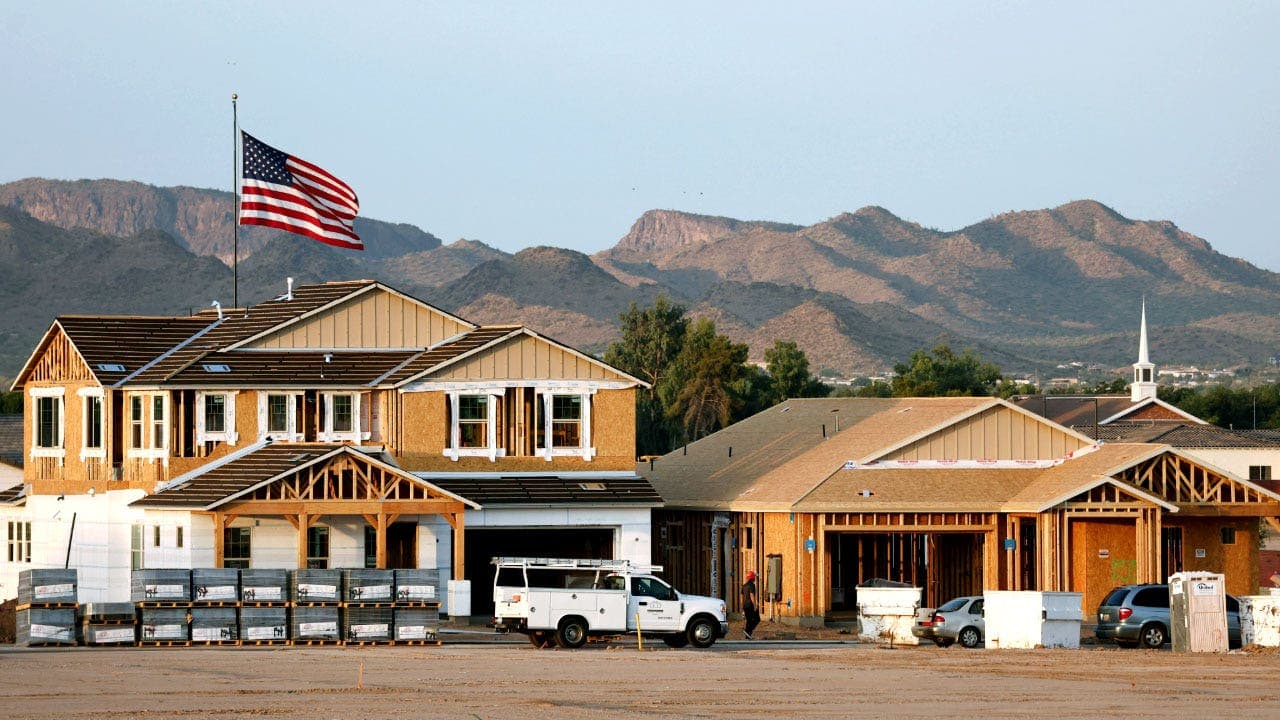
A recent feature from **Fox Business** underscores the administration’s efforts to **lower housing costs and maintain home values**. The article emphasizes how the **federal government’s initiatives**, including **support for affordable housing**, **streamlined permitting**, and **housing market stabilization**, are **delivering results**. The piece notes that **home prices are stabilizing or rising in key markets**, aligning with the administration’s promise to **keep homeownership within reach** for middle-class families.
### State of the Union and Tax-Cut Pitch
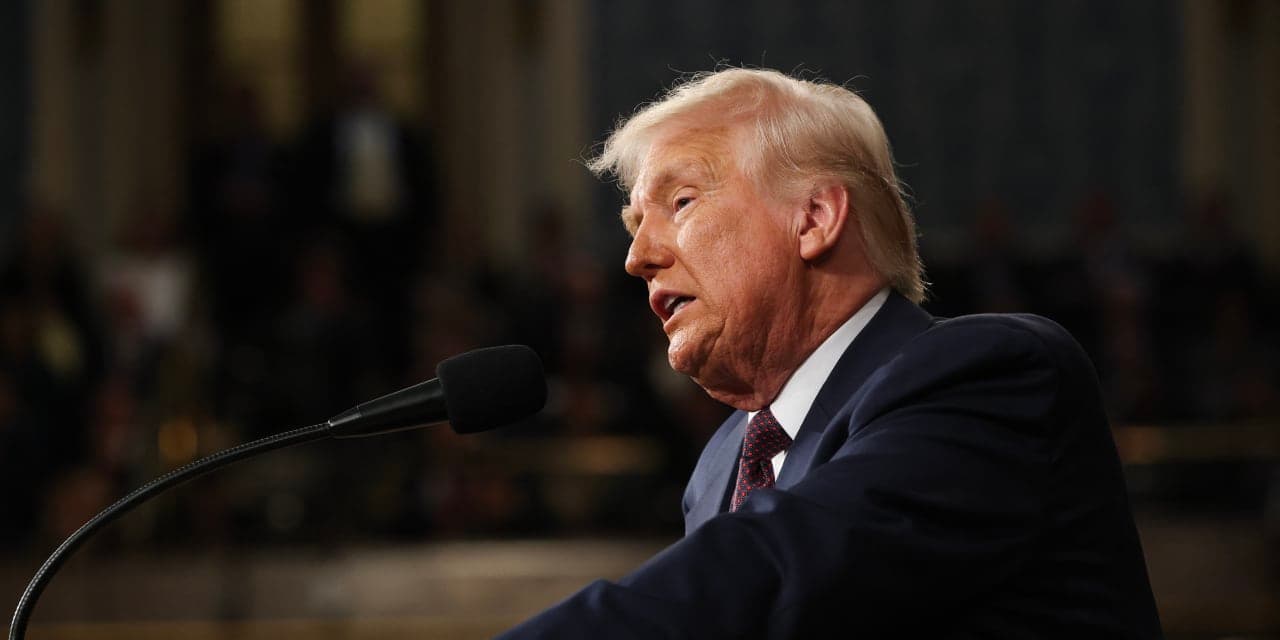
In the upcoming **State of the Union**, President Trump is expected to **advocate for a targeted tax cut agenda**, proposing **personal and corporate tax reductions** that can be **implemented without Congressional approval** through **executive actions** or **budget maneuvers**. This approach aims to **stimulate economic growth**, **increase household disposable income**, and **further solidify support among voters**. The pitch will emphasize **tax relief as a pillar** of the broader strategy to **make America more competitive** and **support working families**.
---
## **Current Status and Implications**
The Trump administration’s **coordinated efforts**—encompassing **escalating tariffs**, **strategic investments in critical minerals**, **deregulation**, and **energy dominance**—are shaping a **new era of American industrial independence**. The latest energy milestones and declining inflation **bolster the narrative of a resilient, self-sufficient America**.
The **potential rollback of certain tariffs** on steel and aluminum reflects a **pragmatic balance**—aiming to **reduce costs for manufacturers** while maintaining **protectionist principles**. Meanwhile, **Project Vault** exemplifies a **long-term commitment** to **supply chain resilience** and **technological independence**.
As the election cycle intensifies, this **unified messaging** centered on **job creation, energy strength, and supply chain security** is designed to **energize voters** with a **vision of a resilient, independent America**—one that **leads globally through strategic resilience and industrial innovation**. The administration continues to **foster economic sovereignty**, **drive industrial growth**, and **cement America’s position as a global industrial leader in the decades to come**.