# Ukraine War 2025: Deepening Humanitarian Crisis, Resilience, and International Dynamics
As the Ukraine conflict enters its fifth year, the toll on civilians, infrastructure, and the geopolitical landscape has intensified, revealing a complex tapestry of human suffering, strategic ingenuity, and shifting international engagement. Recent developments underscore the urgency of sustained global action, nuanced diplomacy, and accountability for war crimes amid escalating violence and displacement.
---
## Worsening Humanitarian Crisis: Civilian Casualties, Displacement, and Infrastructure Devastation
The year 2025 has seen a dramatic escalation in Ukraine’s humanitarian emergency. Official estimates now report **at least 3,800 civilians killed and over 18,000 wounded** within the first months—numbers that mark a significant rise compared to previous periods. Russian missile and drone strikes continue to target critical infrastructure, plunging regions into chaos and hardship.
- **Energy and Water Infrastructure Attacks:** Late March saw devastating strikes on Odesa’s port and energy facilities, causing widespread power outages and water shortages. The destruction of energy infrastructure during winter left millions without heating, increasing risks of hypothermia and disease, especially among vulnerable populations like the elderly and children.
- **Healthcare System Overload:** Hospitals across Kyiv and eastern regions operate mainly on backup generators, with **less than 20% of high-rise buildings adequately heated**. Emergency services are overwhelmed, leaving children, the elderly, and the chronically ill particularly exposed to health crises.
- **Mass Displacement:** Despite international aid—including energy generators from Lithuania and boilers from Italy—reconstruction efforts lag. An estimated **100,000 homes** have received some form of support, yet millions remain displaced, living in overcrowded shelters or in limbo. The **OSCE and UNHCR** warn that displacement levels have reached unprecedented heights, threatening long-term societal cohesion and economic stability.
### The Human Cost
The widespread suffering is compounded by a collapsing healthcare infrastructure and ongoing attacks, turning many regions into zones of hardship. Displaced families grapple with accessing basic needs, and the bitter winter conditions exacerbate health risks, especially for the most vulnerable. Psychological trauma from ongoing violence and loss remains pervasive, with reports of despair and resilience coexisting in affected communities.
---
## The Ongoing Crisis of Abductions, Missing Persons, and Justice Efforts
A deeply troubling aspect persists: **systematic abductions of Ukrainian children by Russian forces**. While recent efforts have led to the **repatriation of approximately 2,000 children**, thousands more remain detained, missing, or unaccounted for, fueling international human rights concerns.
- **Child Abductions and Violations:** Reports indicate children are forcibly removed from conflict zones, subjected to trauma, physical abuse, and psychological scars. These acts blatantly violate international law and deepen familial wounds, with children often held in harsh detention conditions.
- **Repatriation and Diplomatic Initiatives:** Ukrainian President Zelensky announced the **release of around 150 prisoners of war (POWs)** and **2,000 children**, marking a diplomatic milestone. However, the exact number of children still in captivity remains uncertain, intensifying calls for accountability.
- **International Legal and Investigative Efforts:** The **International Criminal Court (ICC)** has accelerated investigations into war crimes, including systematic abductions and violence. The **International Commission on Missing Persons (ICMP)** is actively collecting DNA samples and collaborating with civil society to locate and identify the over **80,000 unresolved cases**—a stark reminder of the enduring trauma.
- **Conditions and Justice:** Reports highlight harsh detention conditions—limited medical care, psychological trauma, and abuse—underscoring the urgent need for justice, reparations, and victim support to address these profound violations.
---
## Society’s Resilience: Veterans, Resistance, and Cultural Revival
### Challenges Facing Veterans and Civil Society
Ukraine’s veteran population remains deeply scarred by years of combat. Many suffer from trauma, disabilities, and insufficient rehabilitation infrastructure:
- **Support Gaps:** Medical and psychological aid for veterans remains inadequate, hampering societal resilience and fueling frustration among those who served.
- **Societal Fatigue and Division:** War fatigue, economic hardship, and insecurity strain social cohesion. Yet, stories of resistance, solidarity, and cultural revival continue to inspire hope and collective strength.
### Resistance and Strategic Adaptability
Despite territorial setbacks, Ukrainian forces demonstrate resilience through inventive tactics:
- **Partisan and Underground Operations:** Saboteur networks target supply lines, logistics hubs, and Russian-controlled areas, prolonging resistance efforts and complicating occupation.
- **Urban and Underground Warfare:** Ukrainian fighters utilize tunnels, subway systems, and urban infrastructure to resist occupation and disrupt enemy movements effectively.
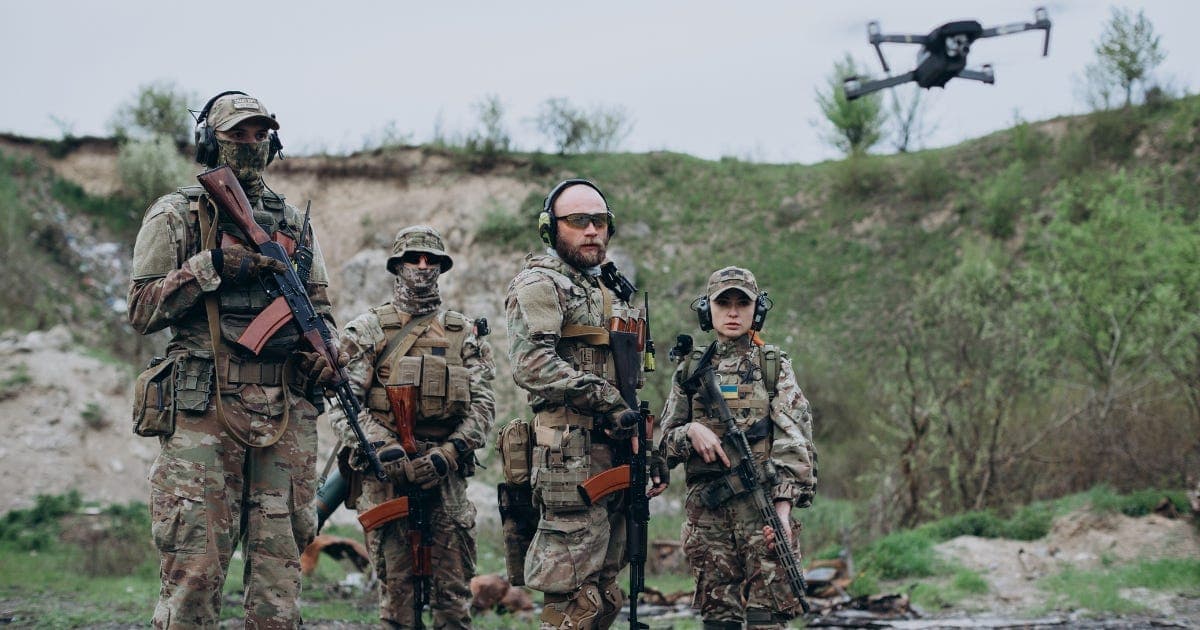
- **Technological and Military Innovation:** Ukraine’s deployment of cyber warfare, electronic sabotage, and precision strikes showcases strategic ingenuity. Notably, a recent **long-range drone attack on a Russian missile plant over 800 miles away** disrupted missile production, demonstrating Ukraine’s expanding strategic capabilities. Ukrainian-designed drones are increasingly produced abroad, notably in Germany, exemplifying international cooperation and resilience.
### Cultural Revival and Women’s Leadership
Amid destruction, cultural initiatives like “Lines from the Frontline” use poetry, music, and visual arts to process trauma, foster unity, and sustain hope. Ukrainian women have emerged as pivotal societal leaders—leading aid efforts, advocating for peace, and shaping societal resilience—embodying a new wave of societal strength and determination.
---
## Conditions in Russian-Occupied Territories and Escalation Risks
Life under Russian occupation remains dire:
- **Severe shortages** of food, medicine, and essential services are widespread.
- Civilians face repression, forced relocations, and violence. Personal stories, such as that of Inna Vnukova, now living in Estonia, underscore the lasting psychological trauma inflicted by occupation:
> “Even in Estonia, I can’t purge the terror from my mind. The fear, the destruction—it's a trauma that stays with you.”
These conditions hinder recovery and deepen societal scars, making reconciliation elusive in the near term.
### Military and Diplomatic Developments
In a significant escalation, Ukraine recently conducted a **long-range drone strike targeting a Russian missile plant over 800 miles away**, disrupting missile production and signaling Ukraine’s expanding strategic reach. Such operations, along with increased cyber and electronic warfare, highlight Ukraine’s shift toward more assertive, precise military actions.
Diplomatically, **Ukrainian negotiators are scheduled to meet U.S. officials in Geneva** this week to discuss **post-conflict reconstruction, military aid, and pathways to peace**. These high-stakes talks aim to leverage international support and seek diplomatic solutions amid ongoing hostilities. Notably, **Ukrainian Prime Minister Rishi Sunak has accepted a role as an international adviser**, assisting President Zelensky with Ukraine’s economic renewal—an effort critical in addressing the **$588 billion+ reconstruction shortfall** facing the country.
---
## International Response: Aid, Justice, and Escalation Risks
### Humanitarian and Reconstruction Efforts
International aid continues to flow, but the sheer scale of destruction demands expansive investments. Restoring energy infrastructure, healthcare, and housing remains a priority, complicated by large funding gaps and logistical challenges. The Ukraine Relief, Recovery, Reconstruction, and Reform Trust Fund (URTF) is coordinating efforts, but the gap persists, threatening recovery prospects.
### Sanctions and Disinformation Campaigns
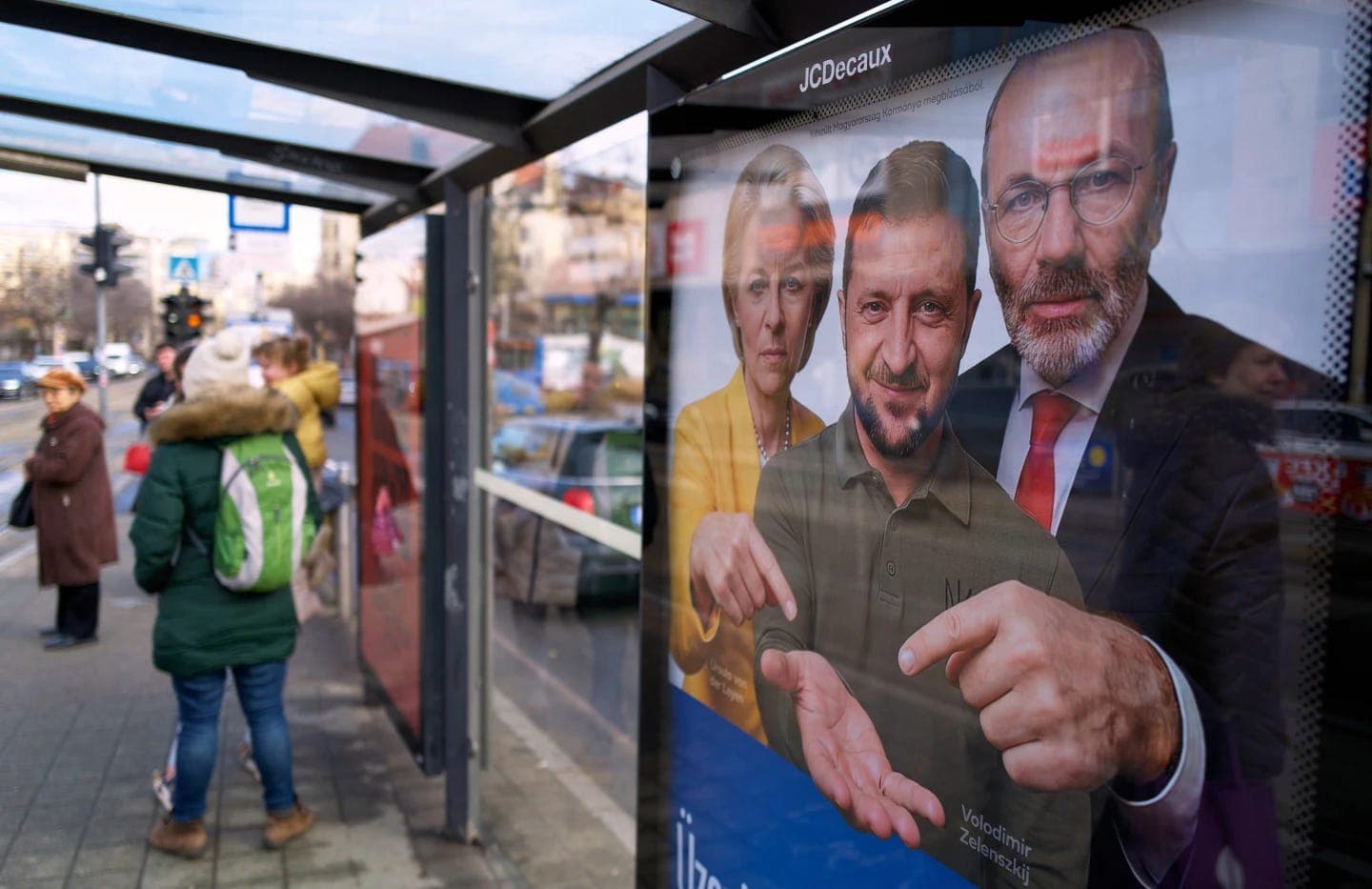
Sanctions against Russia remain in place; however, recent reports suggest **EU measures are only marginally impacting Russia’s economy**, partly due to internal tensions and vetoes—most notably Hungary’s veto of some sanctions. Russia’s disinformation campaigns have intensified, aiming to undermine morale and international support, emphasizing the need for robust digital literacy and fact-checking initiatives.
### Risks of Escalation
Recent deep strikes and Ukraine’s long-range drone capabilities have heightened fears of broader conflict escalation. Both sides exercise caution, but the potential for miscalculation or wider hostilities remains high, underscoring the critical importance of diplomatic restraint and sustained international engagement.
---
## Current Status and Outlook
The Ukraine conflict in 2025 embodies a paradox: **intense human suffering intertwined with remarkable resilience and strategic innovation**. Civilian casualties and displacement continue to grow, yet Ukraine’s military ingenuity and societal resolve persist.
- The recent **long-range drone attack** exemplifies Ukraine’s expanding strategic reach.
- Upcoming **diplomatic talks in Geneva** offer hope for negotiated peace, but the path remains fraught with challenges.
The humanitarian crisis demands urgent global attention, while accountability for war crimes—particularly child abductions—must be prioritized. The international community’s role in supporting justice, reconstruction, and peace will be pivotal in shaping Ukraine’s future trajectory toward stability and reconciliation.
---
## Conclusion
As Ukraine endures this protracted war, the resilience of its people—manifested through military innovation, cultural revival, and societal leadership—remains a beacon of hope amidst darkness. The coming weeks are critical: whether diplomatic breakthroughs can halt further suffering or whether escalation fuels wider conflict remains uncertain. The global effort to support justice, reconstruction, and peace will determine Ukraine’s long-term stability and its path toward recovery.