# The 2026 AI Media Revolution: Advancements, Ecosystems, and Legal Frontiers Reach New Heights
The year 2026 marks a watershed moment in the ongoing AI-driven transformation of media creation, distribution, and consumption. Building upon earlier breakthroughs, recent developments have further democratized content production, introduced sophisticated tools for live and local workflows, and intensified legal and ethical debates surrounding AI-generated media. These converging forces underscore a critical reality: AI is not only enhancing creative capabilities but also fundamentally reshaping industry structures, ownership models, and regulatory frameworks vital for fairness, trust, and sustainability.
## Major Consolidation and Platform Expansion: Google Deepens Its AI Media Ecosystem
The competitive landscape has seen significant consolidation as tech giants vie for dominance in AI media ecosystems:
- **Google’s Strategic Advances with 'ProducerAI' and Gemini**:
Google has cemented its leadership position through the launch of **ProducerAI**, an advanced platform enabling users to generate **entire musical tracks** from simple textual prompts. A recent demo showcased a **2-minute YouTube presentation** illustrating capabilities such as **full-length song creation**, **custom vocals**, and **interactive editing**—signaling that AI-assisted music production is rapidly becoming mainstream for both amateurs and professionals.
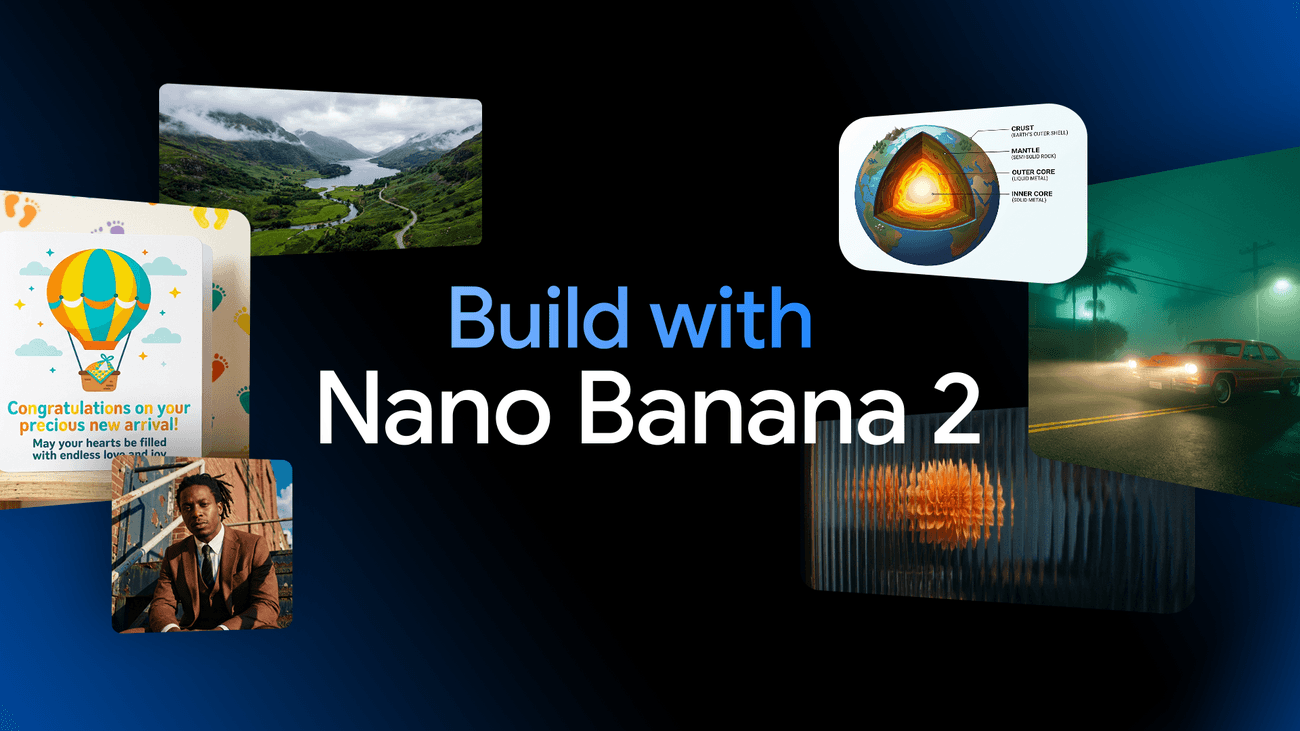
Alongside this, **Google’s Gemini ecosystem** has undergone notable upgrades, especially in **image generation**. Recent reports indicate that **Nano Banana 2**—Google’s latest image model—has been integrated as the default within the Gemini app and AI mode, according to TechCrunch. This upgrade significantly boosts the system’s ability to produce **high-fidelity, nuanced visual content**, further pressuring traditional creative software providers like Adobe and Figma. In fact, **shares of Adobe and Figma** reacted negatively on Thursday, reflecting increased competitive pressure.
- **High-Fidelity Music and Visual Content**:
**Lyria 3**, part of Gemini’s suite, now produces **professional-grade compositions** and **on-demand vocals** from simple prompts, revolutionizing soundtrack creation for media, advertising, and independent artists. This means **full tracks** can be generated directly from text and images, drastically reducing production timelines and costs.
- **Open-Source and Industry Collaboration**:
Meanwhile, **Meta’s release of AudioCraft**, an open-source AI music generator, continues to foster **community-driven innovation** and **lower barriers** for smaller creators and startups—ensuring a more **distributed and diverse AI ecosystem**.
- **Video and Visual Content Innovations**:
In visual media, **ByteDance’s Seedance 2.0** now enables **hyper-realistic imagery**, **cinematic scenes**, and **entire video sequences** from prompts. Collaborations such as **Doubao** and **Jia Zhangke** have tested Seedance 2.0 in AI filmmaking, culminating in a **short film production** that demonstrated its practicality. Notably, **Logan Paul** produced a **short film in just seven days** entirely with Seedance AI—highlighting how rapid AI-driven content creation is becoming the norm.
- **Major Industry Partnerships**:
Leading entertainment conglomerates like **Disney** have announced **$1 billion deals** with OpenAI to embed AI characters and narratives into their franchises. This signifies a strategic shift toward **AI-augmented storytelling at blockbuster scales**.
## Live, On-Device, and Autonomous Workflows: Redefining Performance and Production
Real-time, on-device AI workflows are revolutionizing live performance and content creation:
- **Nano Banana 2 and On-Device Inference**:
The **Nano Banana 2** system now supports **advanced AI inference directly on consumer hardware**—laptops, tablets, smartphones—thanks to recent hardware and software optimizations. Demonstrations have showcased performers producing **AI-generated vocals and instrumental accompaniments** during **live acoustic sessions**, enabling **interactive concerts** and **improvisational performances** without internet reliance. This democratizes live AI music-making and opens new avenues for **mobile, on-the-spot creativity**.
- **Mobile Apps and Creator Tools**:
Platforms like **AppCap.ai** have announced **Q1 2026 releases** of **mobile applications** tailored for **independent musicians**. These tools facilitate **prompt-driven music creation**, **live editing**, and **performance management**, effectively **bringing the studio to the stage**—allowing artists to **compose and modify work anywhere** with minimal setup.
- **AI Agents and Marketplaces**:
The **Pokee Agent Marketplace** has launched, enabling **users to buy, sell, and customize AI agents** for **music production**, **visual effects**, and **workflow automation**. Industry observers such as **@Scobleizer** commented, “Just plug and play—streamlining creative workflows,” as these marketplaces lower entry barriers and foster **rapid experimentation**.
- **Node-Based Automation and Real-Time Pipelines**:
Tools like **Gemin** and **Trellis2** facilitate **visual scripting** for **motion graphics** and **content automation**, allowing **real-time updates** and **batch processing**—crucial for **viral media**, **live events**, and **rapid response content**.
## Visual Content, Virtual Performers, and Marketplaces: Expanding Creative Horizons
The visual AI landscape continues its rapid evolution:
- **Hyper-Real CGI and Animation**:
Platforms such as **Seedance 2.0** and **Higgsfield Cinema Studio 2.0** now generate **animated sequences**, **CGI scenes**, and **visual effects** directly from prompts. Recent tutorials demonstrate how entire **animated narratives** can be produced swiftly, transforming **storytelling pipelines** and **production timelines**.
- **WebAR and 3D Content**:
**Kivicube** offers intuitive tools for creators to develop **immersive WebAR experiences**, vastly expanding **solo creator** and **small-studio** capacities for **interactive AR content**.
- **Virtual Musicians and Digital Twins**:
The phenomenon of **AI-generated virtual performers**, exemplified by acts like **Electric Hearts**, continues to grow. These **digital personas** now feature in **music videos**, **live streams**, and **interactive media**, prompting ongoing **ethical debates** around **authorship**, **ownership**, and **representation**.
## Automation, Marketplaces, and the Ecosystem’s Growing Complexity
The ecosystem’s **automation tools** are maturing rapidly:
- **Agent Marketplaces**:
Platforms such as **Pokee** enable **buying, selling**, and **customizing AI agents** tailored for **specific creative tasks**, making **advanced AI tools** accessible to a broader creator base.
- **Node-Based and Visual Scripting**:
**Gemin** and **Trellis2** empower **visual programming** of **motion graphics** and **content pipelines**, allowing **rapid adaptations** to trends or live event demands.
- **WebAR and 3D Development**:
Tools like **Kivicube** and **Higgsfield Cinema Studio 2.0** facilitate **interactive AR experiences** and **full CGI productions**, expanding the creative toolkit for solo creators and small studios.
## Legal, Ethical, and Provenance Challenges: The Growing Crisis
Despite technological progress, **legal disputes** and **ethical concerns** are escalating:
- **High-Profile Lawsuits**:
Major entertainment studios—including **Paramount**, **Disney**, and **Skydance**—are escalating **copyright infringement lawsuits** against **ByteDance** over **Seedance AI**. Allegations focus on **unauthorized training data use** and **content ownership claims**, with **over $500 million** at stake. These disputes highlight the urgent need for **clear legal frameworks** governing **training datasets**, **content rights**, and **royalty distribution**.
- **Deepfakes and Misinformation**:
The proliferation of **synthetic media** fuels **misinformation**, **privacy violations**, and **content misattribution**. Initiatives like **Bazaar V4** are developing **cryptographic signatures** and **blockchain-based provenance systems** to **authenticate AI-generated media** and **trace ownership**, aiming to **restore trust** and **protect creators’ rights**.
- **Provenance and Rights Infrastructure**:
Efforts are underway to embed **watermarking**, **cryptographic signatures**, and **content traceability systems** into media files. The **Bazaar ecosystem** exemplifies this movement, establishing **standards** for **content authenticity** and **royalty management** in an increasingly synthetic environment.
## Latest Developments: Hands-On With Nano Banana 2 and Its Practical Impact
A significant recent highlight is the **hands-on review of Nano Banana 2**, Google’s latest AI image generator. The system now offers **remarkable performance**, producing **high-fidelity visuals** with **enhanced detail**, **color accuracy**, and **speed**. Its **on-device inference capabilities** mean that creators can generate **professional-quality images** directly on **consumer hardware**, without reliance on cloud services—making it ideal for **mobile artists**, **live performers**, and **rapid prototyping**.
The **developer community** is already exploring **use cases** such as:
- **Real-time visual augmentation** during live events
- **On-the-fly concept art creation** for quick iteration
- **Personalized content generation** for branding and marketing campaigns
This reinforces **Nano Banana 2’s practical impact**: lowering barriers for **on-location**, **immediate visual content** creation, and fostering **more autonomous workflows**.
## Current Status and Broader Implications
The **AI media landscape of 2026** is characterized by **remarkable technological progress** paired with **complex legal and ethical challenges**. Platforms like **ProducerAI** and **Nano Banana 2** demonstrate the **power of AI tools** to **democratize content creation**, enabling **independent artists**, **small studios**, and **hobbyists** to produce **studio-quality media locally and rapidly**.
However, these innovations come with **urgent vulnerabilities**—notably, disputes over **training data rights**, **content ownership**, and **authorship**—which threaten to undermine **trust and fairness** in the ecosystem. The development of **provenance systems**, **cryptographic watermarking**, and **industry standards** is critical to **protect creators’ rights** and **ensure ethical use**.
In sum, **AI in media in 2026** is a **dual-edged sword**—a **powerful engine of creative innovation** that simultaneously raises **legal**, **ethical**, and **societal questions**. Its responsible development depends on **industry collaboration**, **regulatory clarity**, and **ethical standards**. If navigated wisely, this revolution promises to **transform storytelling, performance, and ownership**, ushering in an era of **unprecedented creative potential**—benefiting both creators and audiences—while safeguarding fairness and integrity in the digital age.