# Yemen’s Houthis Reshape the Maritime Front of the Iran-U.S.-Israel Standoff in 2026
The maritime battleground of the Middle East has entered a new, highly volatile phase in 2026, driven by the increasingly aggressive tactics of Yemen’s Iran-aligned Houthi movement. Their escalation in asymmetric warfare—encompassing drone swarms, seabed mines, missile strikes, and threats against critical chokepoints—has profoundly destabilized regional shipping routes and amplified risks to global energy security. This evolving scenario not only underscores Yemen’s strategic importance but also signals a pivotal shift in the broader Iran-U.S.-Israel confrontation, transforming Yemen into a central flashpoint in the ongoing geopolitical chess game.
## Escalation and Strategic Shifts in Houthi Maritime Operations
Since late 2025, the Houthis have evolved from sporadic harassment to a sophisticated and sustained maritime offensive. Leveraging **advanced drone technology, covert seabed mine-laying capabilities, and precision missile strikes**, they have significantly enhanced their operational reach and destructive potential. Their primary focus remains on vital chokepoints such as the **Bab el-Mandeb Strait**, the gateway linking the Red Sea to the Gulf of Aden, and the **Strait of Hormuz**, through which a substantial portion of the world's oil exports transit.
**Key tactical evolutions include:**
- **Sea bed mine-laying:** The Houthis have deployed covert mines in critical shipping lanes, creating a persistent threat to commercial vessels and military ships alike. These mines often go undetected until damage occurs, complicating naval response efforts.
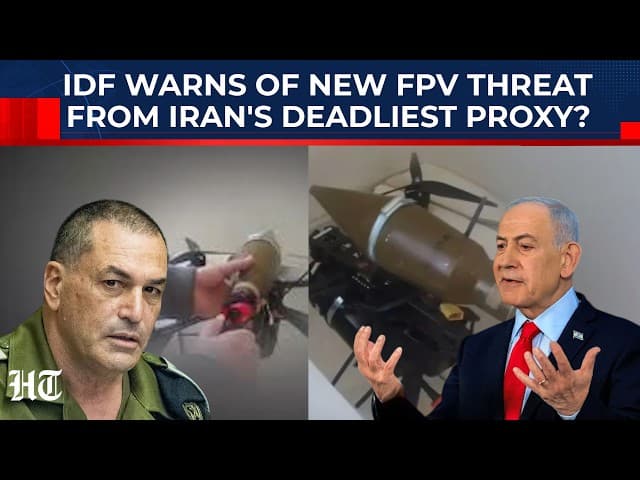
- **Drone swarms:** Coordinated drone attacks now target ships, ports, and naval assets, overwhelming traditional defense systems with high volumes of small, fast-moving aerial threats.
- **Missile launches:** Precision-guided missile strikes target both military and commercial vessels, as well as regional infrastructure, aiming to maximize disruption and demonstrate their capabilities.
The consequences of these tactics are stark:
- **Red Sea shipping traffic has nearly halved**, leading to severe delays, increased shipping costs, and ripple effects on global supply chains.
- **Global oil markets** are under pressure, with fears mounting over potential supply disruptions and consequent price spikes.
- **U.S. naval stocks**, especially interceptor missiles and missile defense systems, are depleting at a faster rate than they can be replenished, exposing vulnerabilities in maritime defense.
Analysts suggest that the Houthis are seeking to **exercise regional and international pressure** through prolonged disruption, aiming to influence diplomatic negotiations and economic policies, while also testing the resilience of Western naval responses.
## Iran’s Signaling and the Threat of Full Blockades
Adding a new layer of complexity, Iran’s leadership has issued explicit warnings and signals indicating a willingness to escalate further. In early 2026, Iranian officials openly **threatened to close the Bab el-Mandeb Strait** and **blockade the Strait of Hormuz**, citing responses to perceived provocations by the U.S. and its allies.
Recent reports, including insights from *Türkiye Today* and analyses from *WION*, reveal that Iranian officials suggest **if U.S.-Israeli activities persist**, Iran might escalate to **military actions aimed at sealing these strategic passages**. Such a move would constitute a **full maritime blockade**, with catastrophic global consequences:
- **Approximately 20% of the world’s oil exports** could be halted, triggering sharp price surges and economic destabilization.
- The risk of **wider regional conflict** would escalate, possibly involving proxies and regional powers aligned with Iran.
In response, the U.S. and allied navies have **expanded patrols**, **launched targeted strikes against Iranian mine-laying vessels**, and increased deployment of **advanced naval assets** to deter Iranian escalation. Despite these efforts, the asymmetric tactics employed—drones, mines, and proxy actions—continue to challenge traditional naval defenses, especially amidst **surveillance gaps** and **limited interceptor stocks**.
## International and Regional Countermeasures
The international community has intensified efforts to contain and deter maritime threats:
- **France** has deployed additional warships into the Red Sea, bolstering patrols and intelligence-sharing with regional partners.
- The **United States** introduced a **$20 billion maritime reinsurance initiative**, offering financial incentives for shipping companies to operate through high-risk zones by offsetting insurance costs.
- **Enhanced escort protocols** and **state-of-the-art surveillance systems** have been rapidly implemented to monitor threats, though gaps remain that challenge comprehensive coverage.
Operational highlights include **U.S. CENTCOM’s targeted strikes** against Iranian vessels laying mines in the Strait of Hormuz, signaling a willingness to confront asymmetric threats militarily. However, the persistent use of **drones, seabed mines, and proxy attacks** underscores the complexity of maritime defense in this environment, emphasizing the need for **multinational coordination** and **resource augmentation**.
## Recent Developments: Market Disruptions and Propaganda Campaigns
The escalation has had immediate economic and geopolitical repercussions:
- **Oil prices** surged past **$100 per barrel**, driven by fears of supply disruptions and potential chokepoint closures.
- Iran has escalated **attacks on Dubai’s port infrastructure** and regional shipping lanes, further destabilizing markets and raising the risk of broader conflict.
A recent media campaign, including videos titled *"Oil surges above $100 as Middle East shipping attacks rattle markets"* and *"Iran Escalates Attacks on Dubai and Shipping, Rattling Markets"*, underscores Iran’s operational tempo and willingness to escalate further.
Meanwhile, the Houthis continue to send mixed signals. While propagandistic messaging sometimes claims **deepening involvement in the broader conflict**, recent reports, such as the *AP* article titled *"As other Iran‑allied groups are engaging in the Mideast war, Yemen's Houthis hold back,"* suggest that the Houthis are **deliberately calibrating their actions**. They appear to be **waiting for an opportune moment**—possibly a diplomatic breakthrough or a strategic miscalculation by opponents—before escalating their direct involvement.
**Additional context from sources like *Who Is Fighting Beside Iran In The “Ramadan War”? Iranian Allies Summarised*** highlights that Iran’s network of allied groups is extensive, providing a layered support system that complicates international responses.
## Current Status and Future Outlook
As of March 2026:
- **Houthi missile, drone, and mine attacks** continue to disrupt maritime traffic, maintaining their strategic pressure.
- Iran’s signaling of a **possible full blockade of Bab el-Mandeb** raises the stakes dramatically, with the potential for a **full maritime shutdown**.
- **U.S. and allied naval operations** remain active, but resource constraints, coupled with asymmetric tactics, limit their capacity to fully neutralize threats.
The **key uncertainty** centers around whether the Houthis will **transition from a calibrated asymmetric campaign to more direct participation** in the Iran-U.S.-Israel conflict, or if Iran’s threats will materialize into **tangible military actions**. The potential for **coordinated proxy attacks or a full blockade scenario** continues to loom, with profound implications for regional stability and global markets.
## Implications for the Region and Beyond
This evolving maritime crisis demonstrates that the **Houthis are no longer merely a regional insurgent group** but have become a **central actor in the Iran-U.S.-Israel standoff**. Their asymmetric tactics threaten **international trade, energy flows**, and **regional stability**. The possibility of **full blockades, large-scale proxy conflicts, or direct military confrontations** remains high, risking further escalation.
The **regional and global implications** are clear:
- Escalation could **disrupt global energy markets**, with price spikes and supply shortages.
- The risk of **wider regional conflict** involving multiple proxy groups and state actors is elevated.
- Diplomatic efforts and resource support are crucial to prevent a descent into **full maritime conflict**.
## Final Thoughts
The ongoing situation underscores the **fluid and unpredictable nature of modern maritime conflict** in the Middle East. Yemen’s Houthis, with their advanced asymmetric tactics, are transforming the Red Sea and Gulf of Aden into **high-stakes battlegrounds in 2026**. Their actions, coupled with Iran’s strategic signaling and proxy support, threaten to escalate into **full blockades or broader regional conflicts**.
The international community’s response—focused on **diplomacy, resource sharing, and maritime defenses**—will be decisive in shaping the future. Without effective intervention, the region risks slipping into a **full-blown maritime crisis** with long-lasting repercussions for global security, energy markets, and regional stability. Vigilance, multinational cooperation, and diplomatic engagement are essential to prevent this scenario from materializing and to steer toward de-escalation.