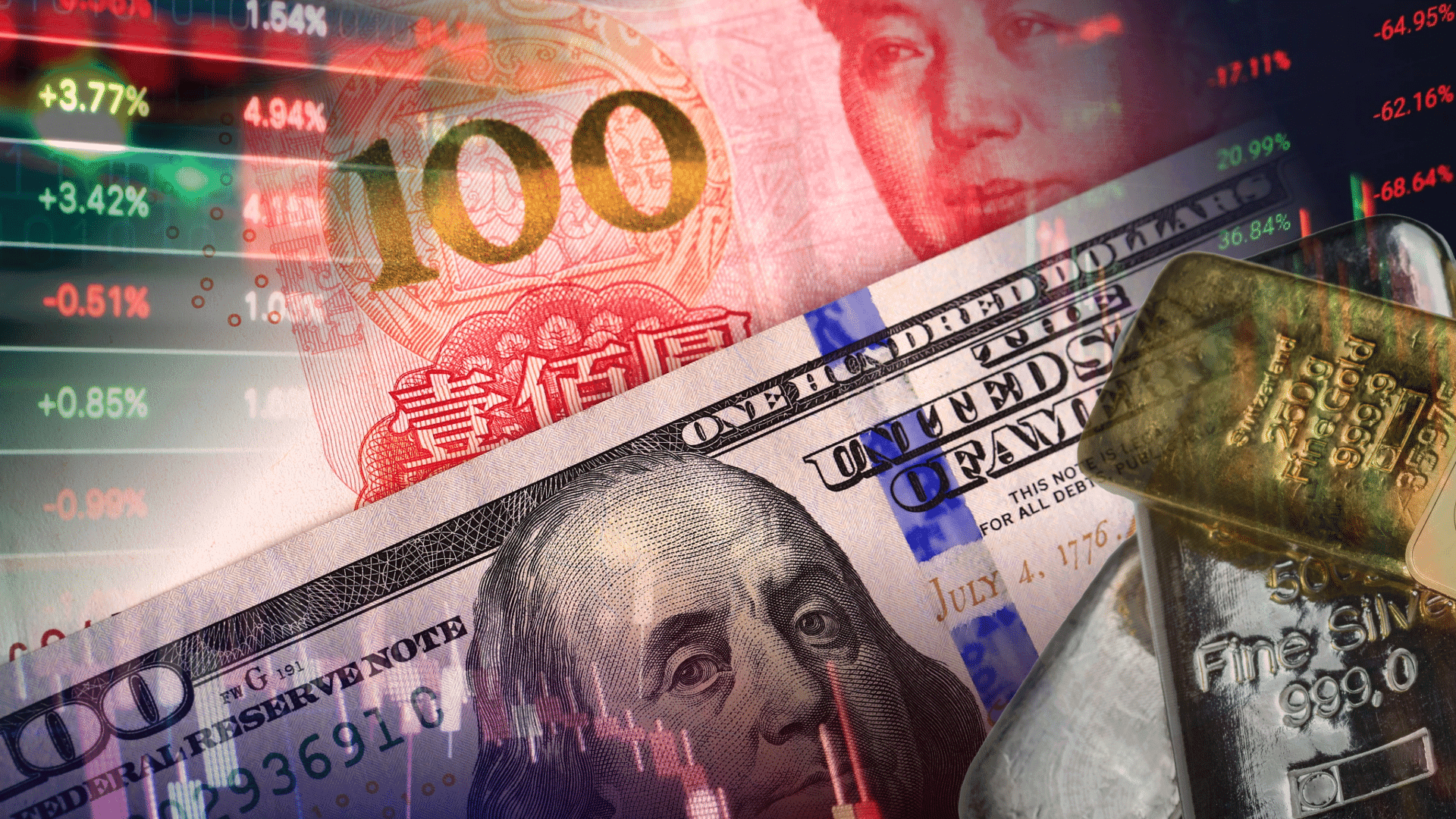
The global monetary system’s transformation continues apace in the latter half of 2026, propelled by sustained sovereign gold accumulation, intensifying de-dollarization efforts, and mounting strains within bullion market infrastructure. Recent developments reinforce gold’s pivotal role as a strategic reserve asset amid persistent geopolitical volatility, sticky macroeconomic data, and evolving market dynamics. Sovereign actors, private capital, and institutional participants are adapting to a complex environment where bullion prices surge beyond historic thresholds and systemic challenges abound.
---
### Sovereign-Driven Gold Accumulation: Unwavering Structural Engine Amid Multipolar Shifts
Sovereign demand for gold remains the primary structural driver of the ongoing rally, with **China, Russia, and the expanded BRICS coalition** persisting in aggressive bullion purchases and portfolio realignment away from U.S. dollar assets.
- **China’s People’s Bank of China (PBOC)** continues to acquire over **600,000 ounces monthly**, extending a disciplined accumulation streak surpassing 18 months. This strategy reflects Beijing’s dual objective of hedging dollar exposure while reinforcing the RMB's international standing within a multipolar monetary framework.
- The **expanded BRICS group**—now including Saudi Arabia, Argentina, and other resource-rich nations—collectively accounts for approximately **70% of global sovereign gold and silver reserves**. Their deliberate shift from U.S. Treasuries into physical bullion signals a deepening **de-dollarization** trend aimed at mitigating dollar-centric vulnerabilities and enhancing monetary autonomy.
- **Russia** maintains a sizeable bullion reserve estimated at **$1.7 trillion**, despite occasional tactical sales responding to sanction-induced fiscal pressures. Moscow’s gold holdings remain a bedrock of its monetary sovereignty and geopolitical leverage.
Other notable sovereign initiatives further illustrate evolving bullion strategies:
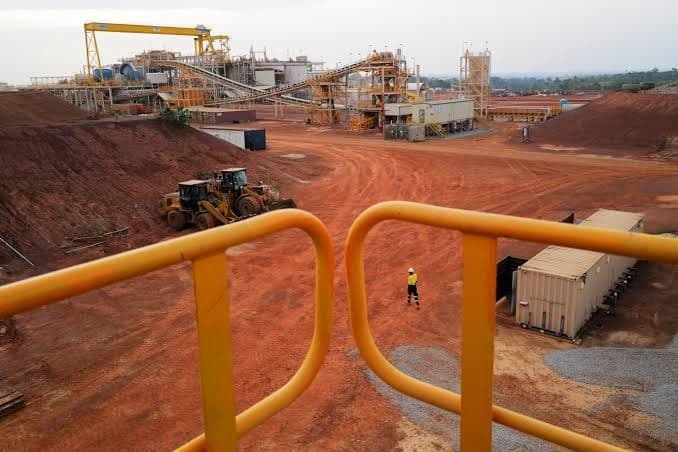
- The **Democratic Republic of Congo (DRC)** advances its innovative **mines-to-vaults program**, channeling artisanal and formal gold production directly into central bank reserves. This approach strengthens resource nationalism and institutional reserve governance, offering a replicable model for emerging economies pursuing diversified reserve portfolios.
- Conversely, **Lebanon’s ongoing debate over partial liquidation of its $45 billion gold stockpile** highlights the fragility of bullion sovereignty under acute economic distress, underscoring the tension between immediate fiscal needs and long-term reserve preservation.
---
### Bullion Market Infrastructure: Intensifying Strains, Pricing Fragmentation, and Systemic Risks
The surge in sovereign and industrial bullion demand has exacerbated vulnerabilities within global bullion market infrastructure, manifesting in several critical ways:
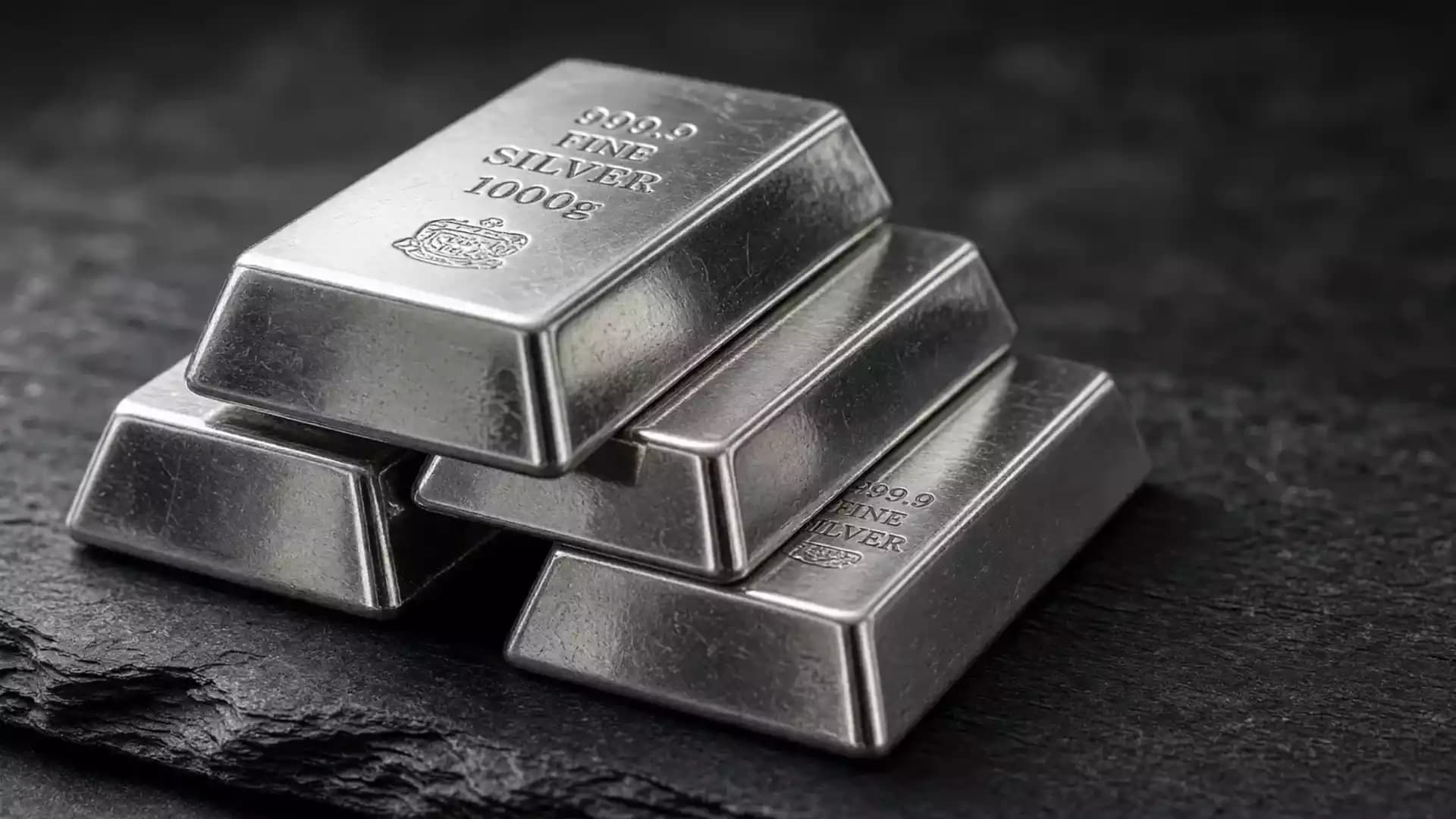
- **Pricing fragmentation remains particularly acute in the silver market.** Leading miners such as **First Majestic Silver and Hecla Mining** have actively rejected traditional COMEX benchmark prices, choosing instead to sell physical silver at significant premiums in Asian and local markets. This divergence reflects tight physical supply conditions and increasing dislocation between paper and physical silver pricing.
- The **COMEX warehouse network** confronts heightened liquidity and stacking challenges. Delivery bottlenecks, especially for silver, have become more frequent due to declining vault inventories in both China and the U.S., resulting in localized shortages and elevated price volatility.
- Operational disruptions have further exposed systemic fragility. Notably, in **February 2026, CME Group suspended trading across silver, gold, and natural gas derivatives on its Globex platform** due to technical difficulties linked to unprecedented volumes and complex options flows—a stark reminder of infrastructure limits amid surging market activity.
- The **February 2026 CME Metals Options Report** confirms persistent tightness in gold and copper markets, with platinum also showing resilience amid policy uncertainties. Elevated open interest and concentrated options positioning contribute to heightened price sensitivity and the potential for sharp volatility spikes.
---
### Geopolitical Risks and Macro Uncertainties Sustain Robust Safe-Haven Demand
Gold’s role as a safe-haven asset remains unshaken amid escalating geopolitical tensions and sticky macroeconomic indicators:
- Renewed **Middle East hostilities**, particularly an intensifying **U.S.-Iran nuclear standoff**, have driven significant capital flight into gold. Investors seek liquidity and security in bullion, sustaining prices comfortably above the **$5,200 per ounce** mark and pushing monthly highs higher.
- Slowing U.S. economic growth combined with persistently sticky core inflation—especially in Personal Consumption Expenditures (PCE)—has reinforced a risk-off environment favorable to bullion accumulation.
- Leading financial institutions continue to affirm bullish gold outlooks:
- **UBS** projects gold could reach **$6,200 per ounce by mid-2026**, citing persistent geopolitical risks and anticipated Federal Reserve easing.
- **J.P. Morgan** forecasts gold hitting **$6,300 per ounce** and silver surging to **$150 per ounce**, emphasizing ongoing safe-haven demand amid constrained physical supply.
- **Goldman Sachs** describes recent slowdowns in central bank gold buying as “temporary,” expecting sovereign purchases to resume momentum and push prices toward **$5,400 per ounce by year-end**.
---
### Silver Market Turmoil: Retail Squeezes, Pricing Realignments, and Market Fragmentation
The silver market remains under acute stress, characterized by sharp supply constraints and pronounced pricing fragmentation:
- Early 2026 witnessed an extraordinary **retail-driven silver short squeeze in Shanghai**, propelling physical silver prices to nearly **$95 per ounce**—almost double the global benchmark. This unprecedented event sent shockwaves through the global market, culminating in silver prices peaking at **$53.55 per ounce**, the highest in 45 years.
- The growing divergence between physical silver prices and COMEX benchmarks has led miners to increasingly bypass traditional exchanges, selling at substantial premiums in Asian and local markets. This behavior exacerbates systemic pricing fragmentation and elevates liquidity risk.
- Silver derivatives markets exhibit rising complexity and risk, with the CME metals options report highlighting elevated open interest and skewed positioning that could precipitate further volatility spikes.
---
### Mining Sector and Private Capital: Strong Earnings, Junior Outperformance, and Growth Momentum
The private sector is responding dynamically to sovereign bullion trends, with robust capital deployment and sectoral realignment:
- The **VanEck Gold Miners ETF (GDX)** continues to serve as a favored vehicle for exposure to established producers such as **AngloGold Ashanti** and **Newmont Mining**. Notably, AngloGold Ashanti **tripled its profits in 2025**, buoyed by record gold prices and expanded reserves.
- Junior miners, tracked by the **GDXJ ETF**, have recently outperformed seniors, surging **5.81% amid a notable decoupling from bullion prices**. This outperformance signals growing retail and speculative interest in exploration and development plays, potentially heralding a new phase of capital inflows into the junior mining sector.
- Increased merger and acquisition activity and elevated capital expenditures suggest a nascent **“golden age” for mining**, supported by sustained insider buying and bullish investor sentiment.
- **Aura Minerals**, a key junior player, is set to report earnings soon, with all 10 analysts covering the stock rating it a buy. The upcoming results will test the robustness of the gold rally’s growth narrative in the mining sector, potentially reinforcing confidence in continued capital investment and expansion.
- Industry thought leaders, including Christopher Gannatti in *“Gold Above $5,000: What Comes Next?”*, and resource investment veterans like Rick Rule, emphasize the evolving investor behavior amid shifting macroeconomic and geopolitical conditions, reinforcing a medium-term bullish case for gold and silver.
---
### Sovereign Divergences and Institutional Innovation: Nuanced Approaches to Reserve Management
While sovereign accumulation broadly underpins the rally, notable divergences and innovative reserve strategies are emerging:
- **Russia’s episodic bullion sales** remain tactical, addressing short-term fiscal pressures without undermining its broader goal of gold-backed monetary sovereignty.
- **Lebanon’s potential liquidation of gold reserves** underscores bullion sovereignty’s limits under severe economic stress, illustrating the difficult trade-offs between liquidity needs and strategic reserve preservation.
- The **DRC’s mines-to-vaults program** exemplifies institutional innovation by directly integrating artisanal gold production into secure sovereign reserves, enhancing resource nationalism and reserve diversification. This program offers a replicable framework for other emerging economies seeking to bolster monetary autonomy through gold.
---
### Toward a Multipolar, Gold-Anchored Monetary Order: Emerging Implications
The convergence of record sovereign gold accumulation, bullion market stresses, geopolitical risks, and private sector dynamism signals a deepening metamorphosis of the global monetary system:
- The historic **concentration of gold and silver reserves within China and the expanded BRICS coalition** steadily erodes the dollar’s primacy as the global reserve currency.
- Sovereign commitments to **physical custody and direct bullion control** redefine monetary sovereignty, despite operational challenges and liquidity trade-offs.
- Systemic infrastructure constraints—including **COMEX pricing fragmentation, delivery bottlenecks, and trading halts**—expose vulnerabilities that underscore both gold’s strategic importance and the fragility of existing market mechanisms.
- Embedding gold within **national security and industrial supply chains** institutionalizes bullion’s role as a cornerstone of geopolitical and economic resilience.
- Market disruptions, such as the **Shanghai silver short squeeze, miners’ rejection of COMEX pricing, and CME trading interruptions**, highlight the complex interplay among sovereign actors, retail investors, and speculators—further consolidating bullion as a flight-to-safety asset.
- Sovereign divergences reflect evolving fiscal realities and growing institutional sophistication, especially among resource-rich emerging markets, fostering a more multipolar and gold-anchored reserve architecture.
---
### Conclusion
As mid-2026 progresses, the global monetary order unmistakably pivots toward a **multipolar, gold-anchored system propelled by sovereign bullion accumulation and de-dollarization**. Gold prices have surged beyond **$5,200 per ounce**, with forecasts targeting **$6,000+** levels amid persistent geopolitical and macroeconomic uncertainties. This historic rally unfolds alongside **acute bullion market infrastructure strains, pricing fragmentation, and operational challenges**, signaling a complex transition rich with both opportunity and risk.
Private capital flows and mining sector expansions complement sovereign trends, while institutional innovations—exemplified by the DRC’s mines-to-vaults program—reflect a maturing approach to bullion governance. Collectively, these forces herald a new monetary paradigm in which gold transcends its traditional safe-haven status to become a **strategic anchor of a reshaped global reserve system**.
---
*This updated analysis integrates the latest sovereign reserve behaviors, bullion market disruptions, geopolitical developments, and private-sector dynamics, illustrating how their interplay continues to redefine the trajectory of the global monetary system throughout 2025–2026.*