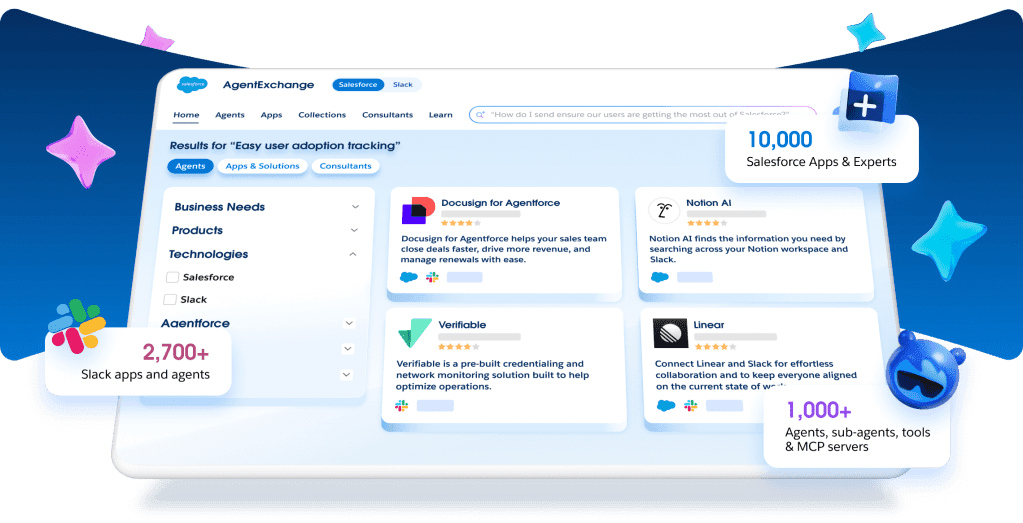
Salesforce delivered a blockbuster finish to fiscal year 2026 with record-breaking Q4 results, fueled by accelerating adoption of its agentic AI products. However, the excitement was tempered by a cautious outlook for fiscal 2027 and near-term revenue growth, which fell short of Wall Street expectations, triggering a notable pullback in the stock. In response, management unveiled an aggressive $50 billion share repurchase plan and adopted a more measured tone during the earnings call to reassure investors. Yet, uncertainty remains high as analysts debate the sustainability of Salesforce’s AI-driven growth and the company’s ability to translate AI adoption into durable top-line expansion.
---
### Record Q4 Performance Highlights AI Momentum
Salesforce’s Q4 FY26 results surpassed consensus estimates on both revenue and earnings, underscoring the rapid market embrace of its agentic AI offerings. These AI-powered solutions have been central to Salesforce’s recent growth narrative, enhancing automation, customer engagement, and sales productivity across industries. The strong quarterly performance reaffirmed Salesforce’s position as a leader in enterprise AI integration.
- **Revenue and EPS Beat:** Salesforce posted record revenues, exceeding analyst expectations, driven largely by AI product uptake.
- **AI as a Growth Catalyst:** The agentic AI suite contributed significantly to sales acceleration, marking a pivotal shift toward AI-driven enterprise software.
---
### Cautious Forward Guidance Dampens Enthusiasm
Despite the stellar quarter, Salesforce’s fiscal 2027 revenue guidance and near-term projections came in below Wall Street forecasts. This divergence sparked investor concerns about the company’s growth trajectory and the pace at which AI monetization can scale.
- **Revenue Guidance Miss:** Management’s outlook suggested slower growth relative to market expectations, raising questions about demand sustainability.
- **Muted Earnings Call Tone:** Executives adopted a more conservative communication style, emphasizing measured optimism amid macroeconomic headwinds and competitive pressures.
- **Stock Reaction:** Shares declined following the earnings release, reflecting investor wariness despite the strong quarterly results.
---
### Aggressive Capital Return Strategy: $50 Billion Buyback
To bolster investor confidence, Salesforce announced a substantial $50 billion share repurchase program, one of the largest in the tech sector. This move signals management’s commitment to returning capital and supporting the stock amid growth uncertainties.
- **Buyback Scale:** The $50 billion authorization represents a significant capital deployment, aimed at offsetting valuation pressures.
- **Strategic Message:** The repurchase plan is intended to demonstrate confidence in the company’s long-term prospects despite near-term challenges.
---
### New Product Innovation: Telco-Specific AI Agents Target Revenue Stagnation
In a bid to convert AI adoption into firmer top-line growth, Salesforce recently launched telco-specific AI agents designed to help global telecom operators tackle persistent revenue stagnation and rising customer churn.
- **Industry-Specific AI Solutions:** These tailored AI agents address unique challenges in the telecommunications sector, such as customer retention and service personalization.
- **Market Context:** Telecom operators are facing slowing growth, intensifying competition, and higher churn—conditions Salesforce aims to alleviate with its AI platform.
- **Strategic Implication:** This move signals a product-led growth strategy, leveraging AI’s potential to unlock new revenue streams in key verticals.
---
### Analyst Perspectives: Divided on AI Monetization and Growth Outlook
The market remains split on Salesforce’s prospects as it navigates the complex interplay of strong current execution, cautious guidance, and aggressive buybacks.
- Some analysts view the agentic AI portfolio and new vertical-specific offerings as powerful growth levers that could accelerate revenue expansion once adoption matures.
- Others caution that monetizing AI at scale is challenging, and near-term macroeconomic uncertainties may constrain Salesforce’s growth potential.
- The $50 billion buyback is seen both as a positive sign of confidence and a reflection of limited organic growth visibility.
---
### Looking Ahead
Salesforce’s fiscal 2026 Q4 results showcased the company’s AI-driven innovation and ability to deliver record revenues, but the tempered fiscal 2027 outlook and cautious investor sentiment underscore the challenges in sustaining momentum. The launch of telco-specific AI agents highlights Salesforce’s commitment to leveraging AI for industry-tailored solutions, seeking to convert technological adoption into robust, recurring revenue growth.
Investors and analysts will be watching closely how effectively Salesforce can monetize its AI investments across sectors and whether the aggressive share repurchase program can help stabilize the stock while the growth story unfolds. The coming quarters will be critical in determining if Salesforce’s AI strategy can overcome near-term headwinds and deliver on its long-term promise.