# Evidence and Practice of Intermittent Fasting and Time-Restricted Eating: Latest Developments and Practical Insights
Intermittent fasting (IF) and time-restricted eating (TRE) have transitioned from niche dietary trends to prominent areas of scientific investigation and clinical practice. As research deepens, new evidence continues to clarify their potential benefits, mechanisms, and implementation strategies, offering promising avenues for improving metabolic health, longevity, and patient-centered care. Recent developments, including fresh trials, comprehensive meta-analyses, and practical guidance, reinforce and expand our understanding of how meal timing influences health beyond mere calorie counting.
---
## Expanding the Evidence Base: From RCTs to Meta-Analyses
The foundational research establishing IF and TRE’s health effects has grown substantially. Randomized controlled trials (RCTs) and systematic reviews—including those from Cochrane and large network meta-analyses—have consistently shown that these dietary patterns can favorably influence weight management, glycemic control, and cardiometabolic markers.
**Key findings include:**
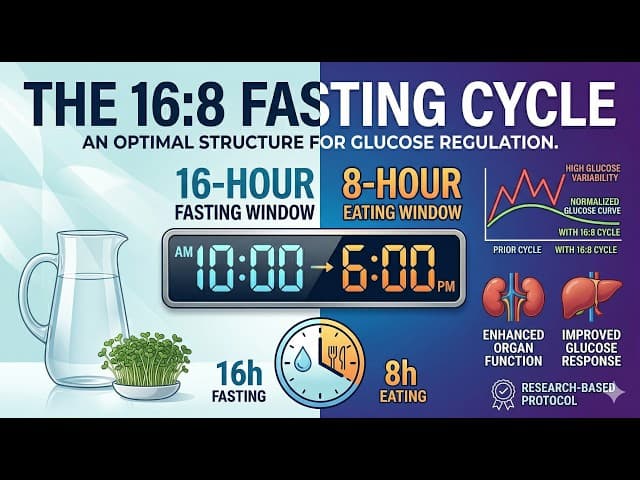
- **Weight and Body Composition:** Multiple RCTs demonstrate that TRE protocols, such as eating within a 8-10 hour window, lead to modest but meaningful weight loss comparable to traditional calorie-restricted diets. Notably, some meta-analyses suggest that early TRE—aligning food intake with circadian rhythms—may confer additional metabolic benefits.
- **Glycemic Control in Type 2 Diabetes:** Evidence indicates that fasting interventions, including 4:3 protocols and 48-hour fasts, can improve HbA1c levels. A recent Cochrane review highlighted that, while short-term improvements are evident, long-term data remains limited, emphasizing the need for ongoing studies.
- **Cardiometabolic Outcomes:** Network meta-analyses reveal that fasting regimens can improve blood pressure, lipid profiles, and insulin sensitivity. Importantly, the timing of meals—such as early versus late eating windows—appears to modulate these effects, with earlier eating aligning better with endogenous circadian rhythms.
---
## Contextual and Mechanistic Insights
### Ramadan Fasting and Physiological Adaptations
Ramadan fasting continues to provide valuable insights into physiologic adaptations associated with extended fasting and meal timing. Studies highlight that Ramadan fasting, which involves abstaining from food and drink from dawn to sunset, induces metabolic shifts including increased lipolysis, improved lipid profiles, and transient insulin sensitivity improvements. These effects are influenced by cultural practices, meal composition, and sleep patterns, underscoring the importance of context in fasting studies.
### Perioperative Intermittent Fasting: The PRINCESS Trial
The PRINCESS trial, a groundbreaking study in perioperative care, investigated the safety and benefits of preoperative IF. Participants undergoing elective surgery who adhered to fasting protocols showed reduced insulin resistance, decreased inflammatory markers, and shorter hospital stays. These findings suggest that strategically timed fasting before surgery can optimize metabolic resilience and recovery, opening new avenues for integrating IF into surgical pathways.
### Age-Specific Considerations and Refeeding Strategies
Recent research emphasizes tailoring fasting protocols for older adults, who may have different metabolic and physiological responses. Prolonged fasting in this population requires careful monitoring to prevent adverse effects such as hypoglycemia or muscle loss. Additionally, the importance of structured refeeding after extended fasts has gained recognition. Proper refeeding protocols—gradually reintroducing nutrients with balanced macronutrients—are crucial to prevent refeeding syndrome and optimize metabolic benefits.
---
## Media, Practical Guidance, and Patient Education
A notable addition to the educational landscape is the informative video titled **"What Happens To Your Body When You Eat Once a Day"** by Doctor Mike. This hour-long content explores the physiological effects of OMAD (one meal a day), including impacts on energy levels, hunger hormones, digestion, and metabolic pathways, providing a clear, accessible explanation for the lay audience.
Practical resources now include:
- **Step-by-step guides** for implementing TRE and prolonged fasting, with emphasis on safety, hydration, and monitoring.
- **Patient-facing videos** that demystify hour-by-hour effects, making it easier for individuals to understand what to expect and how to adapt.
- **Refeeding protocols** highlighting the importance of gradual reintroduction of calories and balanced nutrition after extended fasts to maximize health benefits and minimize risks.
---
## Gaps, Cautions, and Future Directions
Despite promising evidence, several gaps remain:
- **Long-term outcomes:** Most studies are short-term; robust data on sustained health benefits and potential risks over years are lacking.
- **Medication adjustments:** Particularly in individuals with diabetes or cardiovascular disease, fasting protocols necessitate careful medication management to prevent hypoglycemia or hypotension.
- **Individualization:** Age, comorbidities, surgical status, and lifestyle factors influence safety and efficacy, underscoring the need for personalized approaches.
Furthermore, ongoing trials and mechanistic studies aim to clarify how meal timing interacts with circadian biology, microbiome composition, and genetics to influence health outcomes.
---
## Current Status and Implications
The evolving evidence supports the integration of IF and TRE as complementary strategies within holistic health management. Clinicians and patients are encouraged to approach fasting with flexibility, informed by current research, individual health status, and professional guidance. As new data emerges, especially concerning long-term safety and personalized protocols, practice guidelines will continue to refine.
In conclusion, intermittent fasting and time-restricted eating have moved from experimental diets to evidence-based interventions with significant potential to improve metabolic health. Continued research, patient education, and tailored implementation will be key to harnessing their full benefits in clinical and everyday settings.