# The Evolution of Google Ads’ Demand Generation: Embracing Visual, Audience-Centric Campaigns in a Complex Ecosystem
The digital advertising landscape is experiencing a seismic shift driven by technological innovation, data sophistication, and changing consumer preferences. Central to this transformation is Google’s strategic pivot toward **Demand Generation (Demand Gen)**—a focus on **visual storytelling, personalized content, and audience-led targeting**—which marks a departure from traditional keyword-centric search ads. This evolution aims to **engage consumers earlier**, foster emotional connections, and **build demand through immersive, multi-sensory formats**. Recent developments, including new industry insights and platform innovations, highlight how **advanced data ecosystems, AI-driven tools, and evolving privacy frameworks** are shaping the future of demand generation.
---
## The Core Shift: From Keywords to Visual, Audience-Led Engagement
Google’s renewed emphasis on Demand Gen reflects a recognition that **modern consumers seek rich, engaging, and personalized experiences** even before they actively search for products or services. This shift underscores the importance of **creative assets such as videos, interactive ads, and dynamic imagery**, designed not just to attract attention but to **evoke emotions, foster engagement, and guide the customer journey seamlessly**.
Market research supports this focus: **visual, audience-led advertising** consistently outperforms traditional text-based placements in **capturing attention and influencing purchase intent**. Consequently, brands are channeling significant investments into **creative excellence**, understanding that **high-quality, engaging content** is vital for **building demand and maintaining a competitive edge**.
---
## Building the Ecosystem: Data, Partnerships, and Measurement
### 1. **Enhanced Audience Targeting via Data and Strategic Collaborations**
The ecosystem’s evolution is heavily driven by **robust data signals and strategic partnerships**:
- **Infillion’s acquisition of Catalina**: This move provides access to **deterministic purchase data** on a global scale, enabling advertisers to **identify and target high-value audiences based on actual purchase behavior** rather than probabilistic estimates. Infillion’s platform allows for **agentic media execution**, deploying **highly precise, audience-led campaigns** across multiple channels, thereby **enhancing relevance and targeting accuracy**.
- **Partnerships like LiveRamp and Canela Media**: These collaborations are expanding **demand generation inventory into OTT and CTV environments**, especially targeting **culturally specific audiences**. For example, Canela’s partnership with LiveRamp enables **precise targeting of U.S. Hispanic audiences** via OTT platforms, allowing brands to **deliver culturally resonant, visual content** that deepens engagement.
### 2. **Advances in Measurement and Data Infrastructure**
Measurement remains a critical challenge but has seen significant progress:
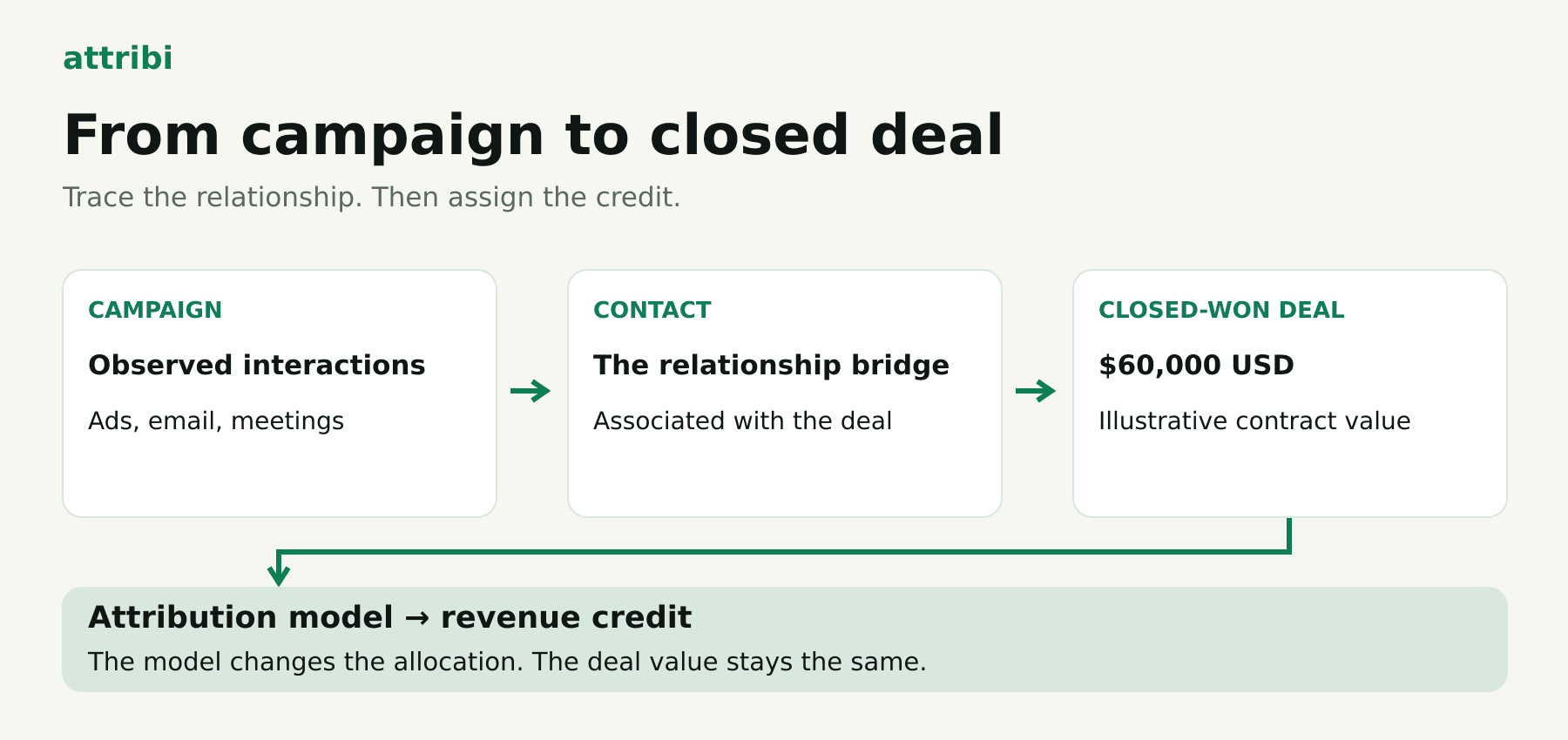
- **Metadata and evaluation systems** are evolving to **better quantify campaign success**. As TiVo Ads’ Fariba Zamaniyan highlights, “Metadata isn’t sexy, but it’s crucial for understanding campaign success.” New tools incorporate **multi-touch attribution models, brand lift studies, and engagement metrics** to **more accurately assess ROI**.
- The industry is investing in **metadata-driven systems** that **collect, analyze, and report data across multiple touchpoints**, allowing marketers to **refine creative assets, improve targeting, and measure impact with greater confidence**.
### 3. **Creative Investment and Content Innovation**
The effectiveness of Demand Gen campaigns hinges on **high-quality, engaging creative assets**:
- **Video, rich media, and interactive content** are now **essential components**. Brands are investing in **storytelling visuals** that evoke emotion and resonate with target audiences.
- Personalization remains key—leveraging behavioral and interest data enables **tailored creative assets** that ensure messaging remains **relevant and impactful at scale**.
---
## Technological and Platform Ecosystem Dynamics
### 1. **AI and Agentic Systems Driving Campaign Agility**
Recent insights underscore the transformative role of **AI and autonomous systems**:
- As discussed in "The Agentic Era Is Here," **AI-powered, autonomous systems** are revolutionizing **media buying and creative adaptation**. These tools facilitate **real-time responses, personalized messaging at scale, and campaign agility**, all crucial for **visual, audience-led Demand Gen**.
- **Platform innovations such as Ventura OS from The Trade Desk** exemplify how **programmatic platforms** are being restructured to better serve **Demand Gen needs**. These platforms offer **greater flexibility, transparency, and efficiency**, supporting **creative variation, measurement integration, and expanded inventory access**.
### 2. **Inventory Expansion and Cross-Channel Integration**
The media inventory landscape is becoming more diverse:
- **Video, CTV, and linear-plus-CTV tactics** are now central to the visual demand-generation approach. Integrating **traditional linear TV with digital video and CTV** allows brands to **reach broader audiences with immersive content**.
- Emerging strategies include **physical and out-of-home (OOH) advertising**, which, when combined with digital formats, create **holistic, multi-sensory campaigns** that enhance **brand visibility and engagement**.
### 3. **AI’s Role in TV Advertising and Cross-Channel Reach**
Recent developments reveal AI’s expanding role in TV:
- **MNTN’s Mark Douglas** discusses how **AI-driven approaches** are transforming **TV ad creative and targeting**, enabling **more personalized, responsive campaigns** that adapt in real-time to viewer behaviors.
- Data from Walmart Connect shows that **combining CTV with linear TV** results in a **55% increase in reach**, emphasizing the strategic importance of **video and CTV inventory**. Khurrum Malik notes, “The integration of CTV plus linear TV significantly expands reach, providing a more comprehensive audience engagement platform.” This underscores the importance of **video, CTV, and AI-enabled creative and measurement tools** for effective Demand Gen.
---
## Navigating Privacy and Regulatory Challenges
As technological capabilities evolve, **privacy and regulatory considerations** remain paramount:
- **Browser restrictions and data broker regulations** limit traditional targeting and measurement methods. As highlighted in "Ep. 29 | Navigating privacy regulations as a data broker," **trusted partnerships and first-party data** are becoming essential to maintain **campaign effectiveness** while respecting user privacy.
- The industry is shifting toward **privacy-first strategies**, emphasizing **contextual targeting, aggregated signals, and user consent** to sustain demand generation efforts amid tightening regulations.
---
## Strategic Implications for Marketers
To thrive in this environment, brands should:
- **Invest in creative excellence**: Develop **high-quality videos, interactive ads, and rich media** tailored to audience segments, leveraging behavioral data for **personalization**.
- **Leverage deterministic data and trusted partnerships**: Use **purchase signals from providers like Infillion** and collaborate with **reliable data partners** to **expand reach** and **refine segmentation**.
- **Implement advanced measurement and verification frameworks**: Adopt **multi-touch attribution, brand impact assessments, and engagement metrics** to **accurately evaluate ROI** within privacy constraints.
- **Embrace AI and platform innovations**: Utilize **AI-driven media orchestration** and stay informed about **platform developments** like Ventura OS to **enhance creative flexibility, measurement, and inventory access**.
- **Prioritize privacy-conscious strategies**: Incorporate **first-party data, contextual signals, and user consent** to sustain effective Demand Gen campaigns.
---
## Current Status and Future Outlook
Google’s commitment to **visual, audience-led Demand Gen campaigns** signals a **paradigm shift in digital advertising**. By integrating **innovative creative formats**, **advanced data ecosystems**, and **AI-powered platforms**, brands are better positioned to **engage consumers earlier** and **drive sustained demand**.
The ecosystem’s evolution suggests that success will depend on **investment in creative quality**, **leveraging deterministic and trusted data sources**, and **adapting swiftly to technological and regulatory changes**. The future landscape promises **personalization, immersive experiences, and measurable impact**, empowering brands to **forge deeper, more meaningful connections** in an increasingly complex digital environment.
---
## New Frontiers: Physical and Cross-Channel Demand Gen
Recent industry insights emphasize the importance of **building a new operating system for physical advertising**, as discussed by Mo Moubayed of Veridooh. The **integration of digital and physical media**—including **OOH, in-store, and ambient advertising**—is becoming vital to creating **holistic, seamless brand experiences**. These efforts are supported by innovations in **offline data**, enabling **offline-to-online attribution and measurement**, helping brands **capture demand across multiple touchpoints**.
Simultaneously, **industry leaders like The Trade Desk** are navigating **headwinds related to objective indie ad tech**, emphasizing the importance of **trustworthy, transparent, and privacy-compliant media ecosystems** as they develop **new operating systems** for complex, cross-channel advertising environments.
---
## Final Thoughts
The current landscape underscores that **visual, audience-centric Demand Gen campaigns** are not just a trend but a fundamental shift shaping Google Ads and the broader digital marketing ecosystem. The convergence of **creative innovation, advanced data ecosystems, AI, and cross-channel inventory expansion** offers unprecedented opportunities for brands to **capture demand early**, **measure impact accurately**, and **build lasting consumer relationships** in a privacy-conscious world.
As the ecosystem continues to evolve, **success will hinge on agility, innovation, and trust**—delivering **personalized, immersive experiences** that resonate deeply and foster loyalty in the digital age.