# Escalating Israel–Palestine and Lebanon Fronts Signal Deepening Regional Crisis
The Middle East stands at an increasingly perilous juncture as violence intensifies across multiple fronts, with Israel’s military operations expanding in Gaza, Hezbollah’s provocative activities along the Lebanon border, and regional power dynamics becoming more volatile. The convergence of these conflicts threatens to escalate into a broader regional war, with devastating civilian, political, and humanitarian consequences.
## Widening Military Confrontations and Escalation
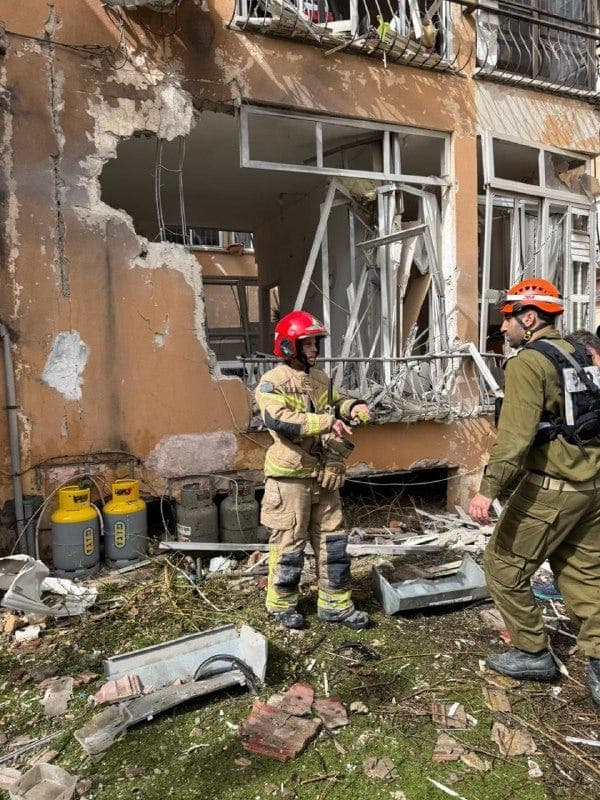
Since the last update, hostilities have dramatically intensified. The Israel Defense Forces (IDF) have escalated their campaign in Gaza, conducting widespread airstrikes targeting militant command centers, weapon storage sites, and densely populated neighborhoods. Civilian casualties are rising sharply; hospitals are overwhelmed, with oxygen shortages and depleted medical supplies, signaling an impending humanitarian catastrophe. The United Nations warns Gaza is on the brink of infrastructure collapse, famine, and disease outbreaks unless humanitarian corridors are opened immediately.
Simultaneously, Israel is mobilizing for a potential ground invasion. Additional troops, armored units, and logistical support are being deployed along the Gaza border, raising fears of an escalation that could trap civilians in the crossfire. The objective remains to dismantle militant networks, but the risk of further civilian suffering and regional destabilization is mounting.
In the north, tensions have spilled into Lebanon, driven by increased Hezbollah activity. Reports suggest Israel is considering establishing a **Lebanese buffer zone**—a controversial move aimed at preventing cross-border attacks but risking further destabilization. Reinforcements along the Lebanon-Israel border underscore Israel’s efforts to contain Hezbollah, which continues to receive support from Iran through ongoing supplies and strategic backing. A recent update from the U.S. Defense Department highlights heightened alertness among American forces in the region, emphasizing the potential for wider conflict.
## Humanitarian Crisis Deepens Amid Civilian Suffering
The toll on civilians remains catastrophic. In Gaza, the death toll continues to mount, including many children. Hospitals are nearing collapse, and shortages of essential supplies—food, fuel, medicine—pose an existential threat to millions. Humanitarian agencies like UNICEF have repeatedly called for safe corridors to allow aid delivery, but ongoing hostilities, blockades, and security concerns have prevented effective access. The blockade has plunged Gaza into what many describe as a **near-total collapse**, with the threat of famine and disease outbreaks escalating daily.
Global protests have erupted in cities such as London and New York, demanding urgent diplomatic intervention and the opening of humanitarian corridors. Expatriates and aid workers face mounting dangers, complicating evacuation efforts and further emphasizing the urgency of international action.
## Political Fragmentation, Diplomatic Efforts, and Regional Outreach
Within Palestinian territories, political fragmentation persists. The Palestinian Authority (PA), which traditionally seeks diplomatic solutions, remains sidelined in Gaza, where Hamas maintains control. This division weakens prospects for unified negotiations and prolongs instability.
In Israel, internal unrest has intensified, with mass protests criticizing government military strategies, handling of the crisis, and perceived escalation. Citizens express frustration over mounting casualties, economic strains, and government responses.
Diplomatically, regional actors are increasingly active:
- **Lebanon** has made a surprising move, requesting direct peace talks with the U.S. and Israel—an unprecedented step signaling a possible shift toward de-escalation. Reports titled **"Lebanon asks US for DIRECT PEACE TALKS with Israel"** suggest Lebanon’s openness, though skepticism persists due to Hezbollah’s influence and longstanding regional distrust.
- **Egypt** continues to play a mediatory role, with President Abdel Fattah el-Sisi describing recent efforts to broker a Gaza ceasefire as a **"turning point."** However, complex issues such as border security, refugee flows, and political disagreements present significant hurdles.
- **Turkey’s President Recep Tayyip Erdoğan** has issued stark warnings that the conflict could spill into a **broader regional war** if unchecked, calling for swift measures to contain the violence and prevent chaos.
## Broader Strategic Dynamics: Iran, US, and Regional Powers
### Iran’s Assertive Posture
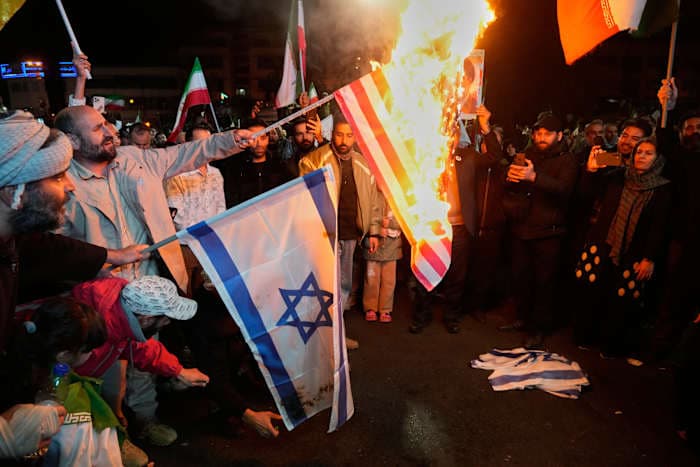
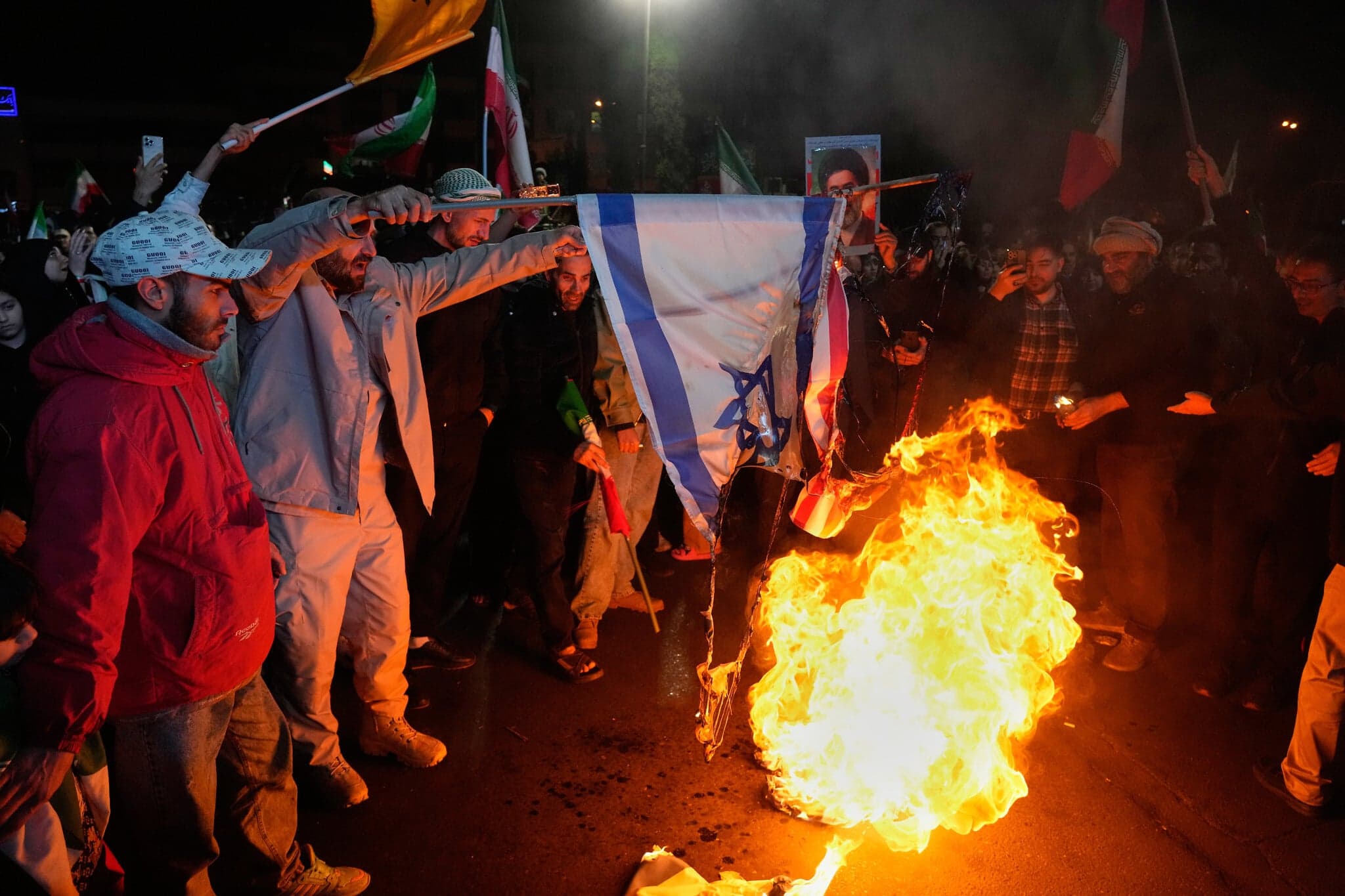
Iran remains a central actor, with its newly appointed Supreme Leader issuing a strong message to the United States, emphasizing Iran’s regional influence and warning against Western interference. A recent video titled **"Iran’s New Supreme Leader Sends Strong Message to the U.S."** underscores Tehran’s resolve to support proxies like Hezbollah and back aggressive actions if provoked further.
Iran’s backing of militant groups continues to escalate tensions. Some analysts argue that Iran’s strategic motives go beyond immediate conflicts, with control over its vast natural resources playing a role in regional and global power calculations. Discussions such as **"Is control of Iran's natural resources a factor in US strategy?"** highlight the complex interplay of resource geopolitics and regional influence.
### US and International Responses
The United States remains actively involved, with recent updates from Defense Secretary Lloyd Austin emphasizing efforts to prevent escalation. The US aims to support Israel’s security while carefully managing Iran’s influence, seeking a delicate diplomatic balance to avoid broader regional war.
### Regional Engagements and Diplomatic Initiatives
- Lebanon’s overtures for direct talks could mark a breakthrough, but high regional distrust complicates efforts.
- Egypt’s continued mediation efforts focus on securing a ceasefire and humanitarian access.
- Turkey’s warnings reflect regional fears of escalation, urging rapid diplomatic action to prevent a wider conflict.
## New Developments and Intra-Proxy Tensions
Recent reports indicate that Hamas has urged Iran to **limit broader Gulf attacks**, signaling internal efforts to moderate some proxy conflicts amidst the chaos. This move underscores intra-proxy tensions—while Iran supports multiple groups, there are signs of attempts at strategic restraint to prevent wider regional escalation.
A compelling new article titled **"Hamas urges Iran to halt attacks on Gulf, slams aggression on Tehran"** reveals the complex web of intra-regional diplomacy and conflict moderation efforts, suggesting that some factions are seeking to avoid a total regional meltdown.
## Media Focus and Global Attention
Coverage continues to emphasize Iran’s pivotal role, with recent articles like **"While the war in Iran gets attention, what’s happening in Gaza?"** analyzing how interconnected these conflicts are and the risks of further escalation.
## Key Questions and Future Outlook
The current situation remains highly unstable. Israeli military operations show no signs of immediate de-escalation, and Gaza’s humanitarian crisis worsens daily. The risk of a broader regional war persists, driven by proxy conflicts, political fragmentation, and regional power struggles.
**Critical questions for the coming weeks include:**
- Will diplomatic initiatives—such as Lebanon’s overtures and Egypt’s mediation—lead to a tangible ceasefire and humanitarian access?
- Can regional powers, notably Iran, the U.S., and Turkey, find common ground to prevent full-scale escalation?
- How will intra-proxy tensions, such as Hamas’s cautious diplomacy with Iran, influence the broader conflict’s trajectory?
Experts warn that without urgent diplomatic action, the region could face a prolonged, devastating conflict with far-reaching implications for regional stability and global security.
---
*The Middle East faces a pivotal moment. The choices made by regional and international actors in the coming days will determine whether this crisis spirals into a wider war or moves toward a fragile de-escalation. The world must remain vigilant and committed to diplomatic solutions to prevent further catastrophe.*