# Navigating the Evolving Landscape of Medication Risks: Protecting Seniors and Chronic Condition Patients
In today's healthcare environment, the widespread availability of over-the-counter (OTC) medications combined with a growing culture of self-care has created both opportunities and risks. While OTC products offer convenient relief, their complex ingredient profiles and potential for dangerous interactions—especially among seniors and patients with chronic illnesses—necessitate heightened vigilance. Recent developments underscore the importance of understanding these hazards, recognizing new evidence, and adopting proactive strategies to safeguard vulnerable populations.
## The Hidden Dangers of Multi-Ingredient OTC Products
Many commonly used OTC remedies—such as cold, flu, allergy, and pain medications—contain multiple active ingredients. Although these products are often perceived as safe due to their over-the-counter status, their combined effects can lead to severe adverse events. Key risks include:
- **Serotonin Syndrome:** OTC products like dextromethorphan (found in formulations such as Mucinex DM) can dangerously interact with serotonergic antidepressants (SSRIs, SNRIs), precipitating serotonin syndrome—characterized by agitation, hallucinations, rapid heartbeat, and hyperthermia. Notably, recent insights reveal that some formulations like Mucinex DM may enhance this risk, especially when combined with other serotonergic agents.
- **Blood Pressure Spikes:** Decongestants containing pseudoephedrine or phenylephrine, such as in Mucinex Fast-Max Cold, Flu & Sore Throat, can cause significant elevations in blood pressure. This effect is particularly troubling for older adults or those with hypertension, and can lead to hypertensive crises if not carefully monitored.
- **Anticholinergic Burden:** First-generation antihistamines, including diphenhydramine (Benadryl) and carbinoxamine, contribute to anticholinergic load, impairing cognitive function, causing confusion, urinary retention, dry mouth, and increasing fall risk among seniors.
- **Sedation and Respiratory Depression:** Certain OTC combinations, like Contac Severe Cold and formulations containing promethazine with dextromethorphan, can cause excessive sedation, dizziness, and respiratory depression, posing dangers especially for older or sensitive individuals.
- **Device Interference:** Emerging evidence indicates that some OTC medications, particularly certain formulations, can interfere with continuous glucose monitors (CGMs), leading to inaccurate blood glucose readings. Such interference can result in inappropriate insulin dosing and increased risk of hypoglycemia or hyperglycemia in diabetic patients.
## Recent Evidence and Developments
### Case Reports and Data Highlights
Recent reports highlight specific OTC products associated with dangerous interactions:
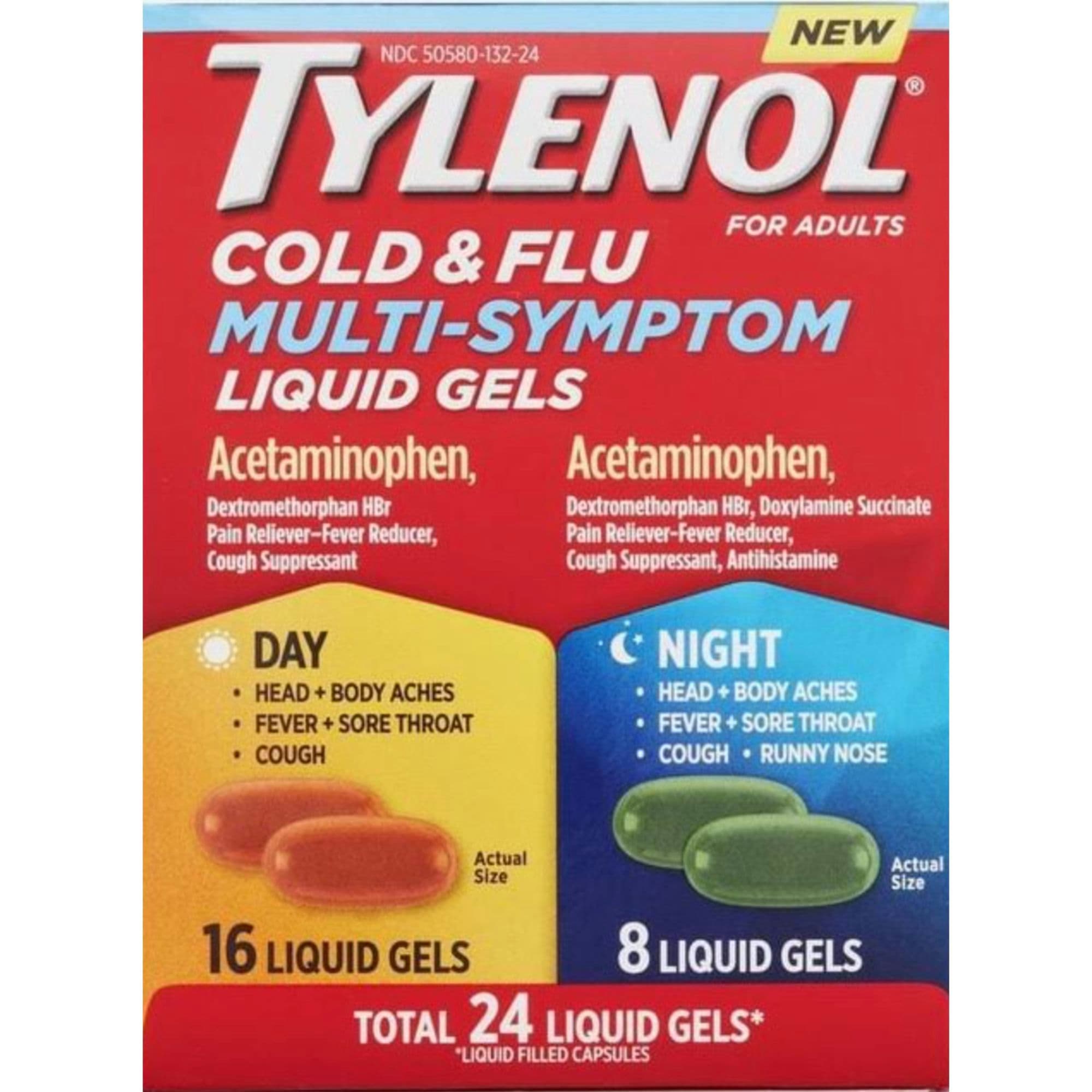
- **Ry-Tann and Tylenol Cold Multi-Symptom Severe:** Potential to induce serotonin syndrome or exacerbate blood pressure issues when combined with serotonergic medications.
- **All-Nite Multi-Symptom Cold/Flu Relief and Lurasidone:** Possible enhanced sedation or cardiovascular effects requiring close monitoring.
- **Creomulsion and Tussafed-EX Drops:** Risks of additive sedative or stimulant effects that impair alertness and cardiovascular stability.
- **Contac Severe Cold and Promethazine with Dextromethorphan:** Increased potential for respiratory depression and serotonergic toxicity, particularly in older or polypharmacy patients.
### The Impact of Reduced Flu Vaccine Effectiveness
Adding to the complexity, the CDC recently reported that this season’s flu vaccine was less effective than usual—a situation that has led to increased OTC medication use for symptom relief. **As flu activity persists and vaccine efficacy wanes, more individuals, especially vulnerable populations, turn to OTC options, heightening exposure to these risks.** [*Source: CDC*]
### Specific Risks Associated with Dextromethorphan
Dextromethorphan, a common component in cough suppressants like Mucinex DM, is generally safe when used appropriately. However, **new guidance emphasizes its sedative effects and interaction potential**, especially when combined with other central nervous system depressants or serotonergic agents. Overuse or combining it with drugs like promethazine or certain antidepressants can lead to confusion, drowsiness, or worse.
### Warnings for Carbinoxamine and Phenylephrine Combinations
Formulations such as Mucinex Fast-Max Cold, Flu & Sore Throat, which contain carbinoxamine (a first-generation antihistamine) and phenylephrine, **pose increased risks of dizziness, drowsiness, and confusion**. When combined with dextromethorphan, these effects can be amplified, raising concerns about falls and cognitive impairment, especially among seniors.
## Why Seniors and Patients with Chronic Conditions Are Most Vulnerable
Physiological changes with aging, coupled with polypharmacy and cognitive impairments, make older adults particularly susceptible to OTC medication risks:
- **Cognitive Decline & Confusion:** Anticholinergic agents like diphenhydramine can worsen memory and cognition, increasing fall risk.
- **Blood Pressure Instability:** OTC decongestants can provoke hypertensive episodes in hypertensive or cardiovascular patients.
- **Falls & Injuries:** Sedating OTC remedies impair balance and judgment, leading to falls—the leading cause of injury-related hospitalization among seniors.
- **Diabetes Management Challenges:** OTC medications interfering with CGMs can cause mismanagement of insulin doses, risking dangerous blood sugar fluctuations.
## New Initiatives and Safety Measures
### Enhanced Reporting and Monitoring
In response to these concerns, regulatory agencies such as the FDA and CDC have launched centralized adverse-event reporting platforms. These systems facilitate rapid reporting of medication-related problems, enabling quicker identification of dangerous interactions and informing regulatory actions.
### Consumer Education and Guidance
Health authorities and professional organizations have published practical guidance to help consumers avoid risky OTC use:
- **Avoid first-generation antihistamines** unless necessary, especially in older adults.
- **Always read labels carefully** to identify sedating or interacting ingredients.
- **Consult healthcare providers or pharmacists** before combining OTC remedies with prescription drugs.
- **Be vigilant for overlapping active ingredients** to prevent overdose.
- **Recognize warning signs** such as confusion, dizziness, or blood pressure changes, and seek prompt medical attention.
### Focused Alerts and Warnings
Recent communications emphasize specific product interactions:
- **Mucinex DM and Mucinex Fast-Max formulations** with dextromethorphan, carbinoxamine, or phenylephrine, pose high risks of sedation, blood pressure spikes, and serotonergic toxicity.
- **Use caution when combining OTC cold remedies with mental health medications** like lurasidone, due to potential additive sedation.
- **Healthcare providers are urged to review all OTC and prescription medications** during patient assessments, especially for seniors and those with complex health conditions.
## Practical Recommendations for Patients, Caregivers, and Healthcare Providers
To mitigate risks, the following steps are crucial:
- **Consult healthcare professionals** before starting, stopping, or combining OTC products with prescription medications.
- **Review all medication lists regularly** for overlapping ingredients, especially active agents known for adverse interactions.
- **Limit or avoid anticholinergic and sedating agents** in older adults whenever possible.
- **Monitor vital signs and mental status** during OTC medication use, and report any concerning symptoms immediately.
- **Use adverse-event reporting platforms** to alert authorities of suspected medication-related problems, contributing to broader safety efforts.
- **Educate caregivers and patients** about the potential dangers of multi-ingredient OTC products and the importance of professional guidance.
## The Current Situation and Future Outlook
The ongoing flu season, coupled with reduced vaccine efficacy, has led to increased OTC medication use, amplifying exposure to potential hazards. **The recent launch of improved adverse-event reporting systems and targeted educational campaigns represents a positive step toward reducing medication-related harm.** Nevertheless, the landscape remains complex; continued vigilance, education, and collaboration among healthcare providers, regulators, and consumers are essential.
**The key takeaway is that medication safety is an ongoing, dynamic process.** As new evidence emerges, staying informed, practicing caution, and seeking professional advice are the best defenses against preventable adverse events—particularly for our most vulnerable populations.
**In conclusion**, the expanding knowledge base underscores the importance of cautious OTC use, especially during seasons of high illness activity. With the right strategies—centered on awareness, communication, and monitoring—we can better navigate this evolving landscape and protect public health.