# Rising Respiratory Risks: Staying Ahead of This Season’s Challenges
As the nation confronts one of the most severe and widespread respiratory illness seasons in recent history, the importance of proactive, layered protective strategies has never been clearer. The convergence of highly aggressive circulating viruses, environmental stressors, and vulnerable populations—particularly seniors and residents of nursing homes—has amplified risks and underscored the need for informed, tailored interventions. Recent developments reveal both the evolving nature of these threats and critical steps individuals and communities can take to protect themselves.
## An Unprecedented and Uneven Respiratory Season
This year's respiratory season has shattered previous records, with over **300 deaths attributed to influenza in North Carolina alone**. Across the country, multiple states are experiencing record-high transmission rates, straining healthcare capacities and causing widespread concern. Nursing homes and elderly populations are bearing the brunt—facing severe complications, hospitalizations, and fatalities—making targeted protective measures more urgent than ever.
Recent reports indicate that **outbreaks within nursing homes are intensifying**, with rapid viral spread among residents. These settings have become focal points for intervention, demanding strict infection control protocols, increased vaccination efforts—including the promising RSV vaccines for seniors—and staff training to prevent catastrophic outcomes.
## Drivers Behind the Severity
Several interconnected factors contribute to this season’s heightened severity:
- **Aggressive circulating strains**: Analyses confirm that more virulent influenza variants are predominant, leading to higher hospitalization and death rates.
- **Multiple respiratory viruses circulating simultaneously**: The concurrent spread of influenza, Respiratory Syncytial Virus (RSV), and common cold viruses complicates diagnosis and treatment, increasing overall risk. This viral overlap creates a “perfect storm” for vulnerable populations.
- **Environmental stressors**: Rapid weather fluctuations, especially in March, have exacerbated allergy and sinus issues. Dr. Laura Martinez, an allergist, emphasizes: “Sudden shifts from warm to cold weather not only trigger allergy flare-ups but also impair mucosal defenses, making it easier for viruses like influenza and cold viruses to take hold.” These environmental factors weaken the body's natural defenses, facilitating viral transmission and severity.
## Evolving Protective Strategies
In response to these challenges, health authorities continue to promote a **layered approach** to protection:
- **Vaccinations**: The annual flu shot remains foundational. This season, emphasis has also been placed on **RSV vaccines for seniors**, which have shown promising effectiveness in reducing severe RSV-related illnesses among older adults.
- **Mask use**: Wearing masks in crowded or high-transmission environments remains a proven method to curb the spread of influenza, RSV, and other respiratory viruses.
- **Hygiene and infection control**: For seniors and immunocompromised individuals, diligent handwashing, surface disinfection, and visitor limitations during outbreaks are critical.
- **Monitoring local transmission**: Staying informed via CDC updates and local health alerts allows individuals to adjust precautions dynamically.
## Medication Safety: New Insights and Risks
Recent developments have heightened awareness of medication safety, especially for elderly populations:
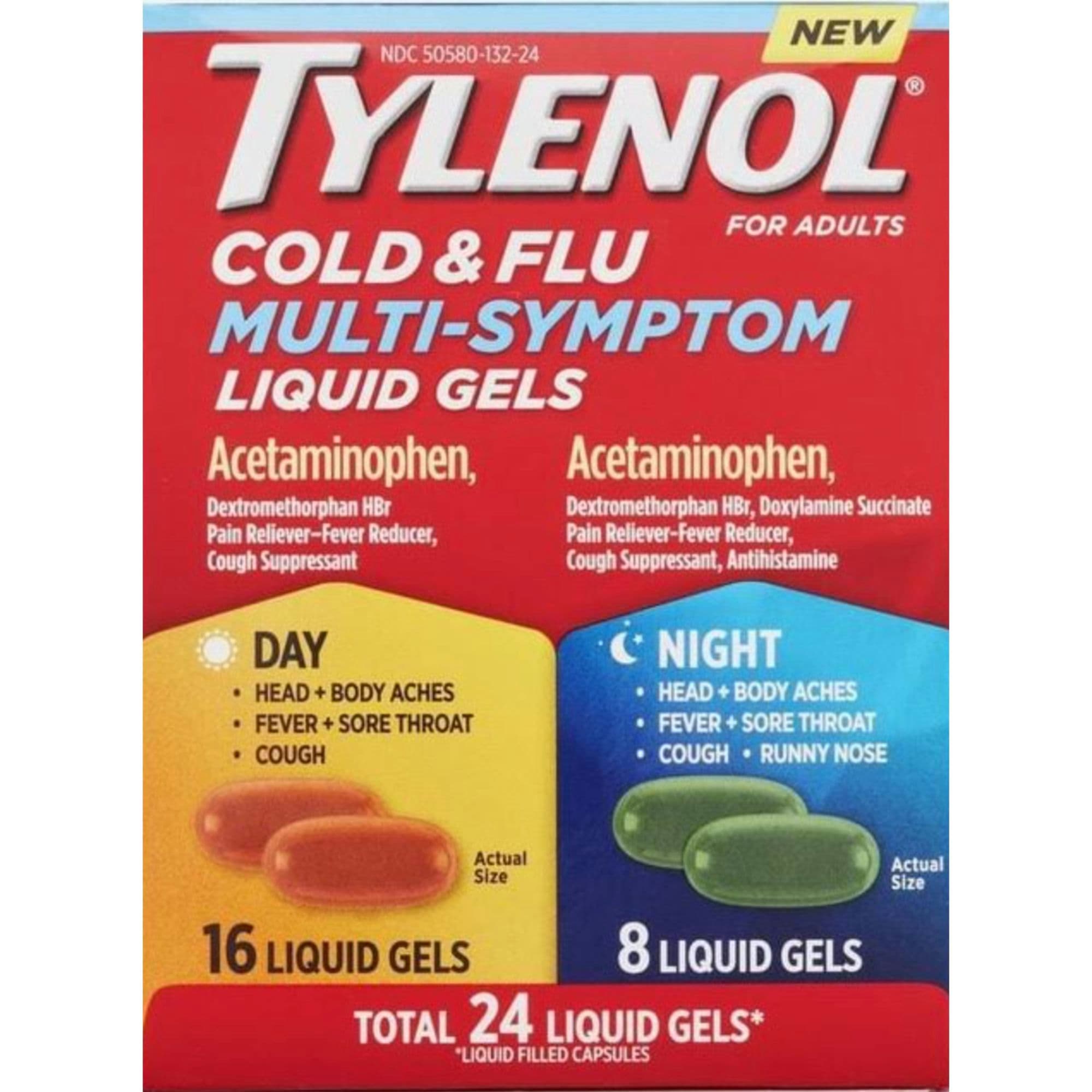
- **Risks of sedating antihistamines and OTC nighttime cold remedies**: Products containing ingredients like **diphenhydramine** pose significant risks—such as falls, cognitive impairment, and confusion—in seniors. As Dr. Susan Lee, a geriatric specialist, states, “These medications may seem helpful but can be dangerous for older adults.” Furthermore, **over-the-counter sleep aids** containing antihistamines are notorious for causing **next-day drowsiness** or “hangover effects,” impairing daily functioning, especially in older individuals.
- **Cardiovascular risks associated with certain cold and allergy medications**: A recent **YouTube video titled "Cardiologist Warns: These 5 Pills Increase the Risk of Heart Attack and Stroke in the Elderly"** emphasizes that some cold and allergy pills can elevate cardiovascular risks, particularly in vulnerable populations.
### Medication Interactions and Effectiveness Concerns
Further complicating medication management are reports of **reduced flu vaccine effectiveness** this season, as highlighted by the CDC. The **"CDC report indicates this season’s flu vaccine wasn’t very effective,"** underscoring the importance of additional protective measures.
Specific OTC medications also warrant caution:
- **Mucinex DM**: Combining dextromethorphan (a cough suppressant) and guaifenesin, this remedy has been scrutinized for side effects such as **drowsiness** and **dizziness**, which are particularly problematic for older adults managing multiple health conditions.
- **Drug interactions with cold remedies**: Formulations like **Cheracol D Cough** and **Delsym Night Time Cough & Cold** contain ingredients such as **carbinoxamine** and **dextromethorphan**, which may synergistically increase side effects like **dizziness**, **confusion**, and **drowsiness**. An article titled **"Cheracol D Cough and Delsym Night Time Cough & Cold Interactions"** warns that such combinations can also diminish medication efficacy or worsen adverse reactions.
**Key advice**: Always **consult healthcare providers or pharmacists** before using OTC remedies, especially for seniors or individuals on multiple medications. Resources like the article **"Before You Take Any Medicine, Read This | Savikalpa Sciences"** further emphasize the importance of informed medication use.
## Focused Attention on Vulnerable Populations
The latest data underscore the urgent need to protect high-risk groups:
- **Nursing homes** are experiencing intense outbreaks of what some are calling the "super flu," with CDC data showing surges among elderly residents. Enhanced vaccination campaigns, strict infection control, and staff training are critical to mitigate severe outcomes.
- **Seniors and immunocompromised individuals** must be prioritized for vaccination and protective measures, including personalized medication guidance to avoid harmful interactions.
## Practical Steps for Individuals and Families
Successfully navigating this challenging season requires vigilance and informed action:
- **Monitor local transmission levels** through official health department updates and CDC alerts.
- **Ensure all eligible family members**, especially seniors and those with underlying health conditions, receive their **flu and RSV vaccines**.
- **Use masks** in crowded or high-risk environments, particularly if experiencing symptoms or during peak transmission periods.
- **Implement rigorous hygiene routines**: frequent handwashing, surface cleaning, and limiting contact with sick individuals.
- **Seek professional guidance** on medication choices—especially for allergy and cold symptoms—to prevent dangerous interactions or side effects. For example, avoid OTC sleep aids containing antihistamines or medications with known cardiovascular risks unless advised by a healthcare provider.
## Current Status and Implications
Despite the daunting landscape, **layered protection measures**—including vaccination, masking, hygiene, and cautious medication management—remain essential tools. The recent focus on **reduced vaccine effectiveness** and **medication interaction risks** highlights the need for ongoing vigilance and personalized healthcare approaches.
**In summary**, this respiratory season underscores the importance of community cooperation and individual responsibility. Protecting our vulnerable populations, staying well-informed about evolving risks, and practicing layered defenses are crucial to mitigating the impact of these unprecedented times. Continued public health efforts, combined with informed personal choices, will be vital in navigating this severe season safely.