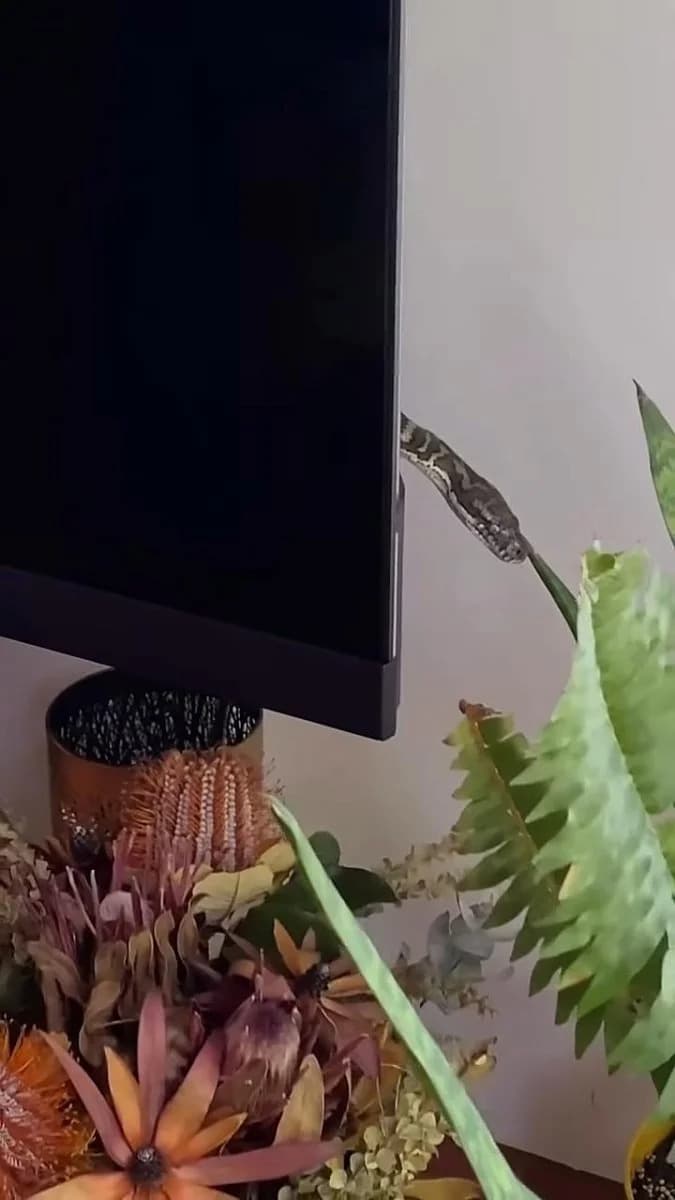
Recent breakthroughs across snake biology, conservation, medical science, and captive husbandry are converging to deepen our understanding of these enigmatic reptiles, shaping an integrated framework that balances scientific rigor, ethical stewardship, and community involvement. Building on landmark discoveries—from the confirmation of the world’s longest reticulated python to precision antivenoms and genomics-driven conservation—new developments continue to enrich this multidisciplinary landscape, posing both novel opportunities and complex challenges for snake management in a changing world.
---
### World’s Longest Reticulated Python Confirmed: A Milestone in Herpetology
The **Guinness World Records’ recent verification of a female reticulated python (*Malayopython reticulatus*) measuring an astounding 28 feet 11 inches (8.8 meters)** cements its status as the longest snake ever reliably recorded. This accomplishment, achieved through **stringent scientific protocols involving certified herpetologists and wildlife officials**, underscores the remarkable growth potential of these giants in their native Indonesian habitats.
- This new record eclipses previous contenders and complements data from African pythons, which, while heavier (exceeding 240 pounds), remain shorter, illuminating distinct species-specific growth trajectories shaped by ecological and physiological factors.
- Dr. Emmanuel N’Doye, a leading herpetologist, reflects on the significance: *“These ancient titans challenge our ecological and physiological models of snake growth, calling for renewed field expeditions and museum specimen reassessments.”* His remarks highlight the critical interplay between contemporary fieldwork and museum collections in validating extraordinary biological records.
- Regional institutions such as East Texas’s Caldwell Zoo leverage this discovery to bolster **conservation education and local stewardship**, demonstrating how global scientific milestones resonate at community levels.
This milestone not only celebrates biological extremes but also spotlights the essential role of **museum archives and integrative field data** in ensuring scientific accuracy and public confidence.
---
### Florida’s Everglades: Evolving Strategies in Invasive Python Management
Florida’s struggle against invasive Burmese pythons remains a complex ecological puzzle intensified by climate variability:
- The Everglades removal program has now surpassed **48,000 pounds of python biomass removed**, reflecting sustained, large-scale management efforts.
- Recent telemetry studies reveal **intricate nocturnal and seasonal movement patterns**, including long-distance migrations linked to thermoregulatory needs. These behaviors complicate detection and removal, pushing managers toward adaptive, behavior-informed techniques.
- A notable recent cold snap caused the mortality of approximately **5,200 invasive green iguanas**, offering a temporary ecological reprieve for native plants and underscoring the unpredictable influence of climate extremes on invasive populations.
- Experts caution that **climate change effects will be uneven**, sometimes suppressing invasive species and at other times facilitating their spread, emphasizing the need for flexible, data-driven management frameworks.
- The Florida Fish and Wildlife Conservation Commission (FWC), supported by dedicated field teams known colloquially as the **‘croc docs’**, continues to spearhead coordinated removal, tracking, and public education initiatives. These fearless scientists capture and monitor alligators and pythons alike, bridging field research with practical ecosystem management.
This ongoing battle exemplifies how invasive species control requires integration of **behavioral ecology, climate science, and community engagement** to foster resilient ecosystems.
---
### Advances in Behavioral and Physiological Research Inform Conservation and Husbandry
Recent studies illuminate the sophisticated adaptations that enable snakes to thrive in diverse environments, with direct applications for conservation and captive care:
- Biomechanical analyses confirm that some snake strikes surpass the speed of a human blink, with accelerations exceeding **600 m/s²**, highlighting extraordinary neuromuscular precision.
- The **thanatosis (death-feigning) behavior of hognose snakes** has been characterized in unprecedented detail, including breath cessation and rigor mortis-like postures. This fascinating defense mechanism is increasingly used in educational outreach to reduce ophidiophobia and promote empathy.
- Investigations into thermal regulation, sensory perception, and metabolic flexibility continue to refine knowledge essential for improving captive husbandry protocols and enhancing species survival strategies.
These biological insights bridge fundamental research with practical applications, elevating welfare standards and conservation outcomes.
---
### Medical Innovations: Precision Antivenoms, Rapid Diagnostics, and Venom-Derived Therapeutics
Snakebite envenomation remains a critical global health issue, yet recent medical advances offer promising solutions:
- **Next-generation precision antivenoms**, informed by venom proteomics and tailored to geographic venom variation, have reduced systemic complications by up to **40%** compared to conventional polyvalent antivenoms.
- Deployment of **portable rapid diagnostic kits** in over 120 tropical clinics facilitates identification of the offending snake species within minutes, enabling targeted treatment and contributing to a **15% reduction in mortality over two years**.
- Pharmacological research is advancing **venom-derived peptides** with potent antinociceptive and anti-inflammatory properties, promising novel, non-opioid pain management therapies with applications beyond snakebite care.
- Community-based prevention programs integrate **indigenous Amazonian ecological knowledge**, including barefoot tracking and habitat cues, successfully lowering snakebite incidence by fostering early warnings and coexistence strategies.
- Public health messaging increasingly emphasizes **preventive habitat management**, advocating yard decluttering and the use of protective footwear to shift from reactive treatment to proactive prevention.
This fusion of cutting-edge science and cultural wisdom exemplifies a transformative approach to snakebite management.
---
### Genomics and Conservation Genetics: Charting Evolution and Guiding Stewardship
Genomic technologies continue to revolutionize snake taxonomy, conservation, and captive breeding:
- Sequencing of **century-old museum specimens** has reconstructed historical population genetics, providing baselines critical for modern conservation assessments.
- Combined genetic and morphological analyses reveal **local adaptations to temperature and habitat**, enhancing predictions about species’ resilience amid climate change.
- A landmark genomic study traced the diversification of the **steppe rat snake (*Elaphe dione*)** to the Mid-Pleistocene climatic transition, illustrating how ancient environmental shifts shaped present-day distributions.
- Genetic monitoring of Michigan’s **eastern massasauga rattlesnake** uncovered significant **inbreeding depression**, prompting conservation actions such as habitat corridor creation and managed translocations. The Detroit Zoo’s *“Inside & Out — Michigan’s only venomous snake”* program exemplifies how captive education and genetics synergize for conservation impact.
- Taxonomic clarifications include the description of ***Hebius malnatei*** from China, resolving cryptic diversity, and refined phylogenetic placement of *Psammophis schokari*.
- In captive breeding, the identification of **deleterious “dead and dying” ball python morph genes** has sparked ethical debates, emphasizing the imperative for responsible breeding prioritizing animal welfare and genetic health.
These genomic insights provide critical tools for informed management of wild and captive snake populations.
---
### Cutting-Edge Captive Husbandry: Embracing Naturalism, Ethics, and Technology
Captive snake care continues evolving toward science-based, ethical, and welfare-focused approaches:
- **Bioactive enclosures**—incorporating live plants, beneficial microbes, and detritivores like springtails and isopods—have become standard, creating self-regulating ecosystems that support natural behaviors, maintain humidity, and reduce waste.
- Advanced **smart environmental monitoring systems** provide real-time data on temperature, humidity, photoperiod, and air quality, with alerts to preempt stressors linked to illness.
- Feeding regimens now reflect species-appropriate metabolic demands and natural fasting cycles; for example, adult corn snakes tolerate month-long fasts without harm, alleviating owner concerns.
- Disease prevention prioritizes **scale rot avoidance** through dry, well-ventilated substrates and microclimate stability, along with strict quarantine and mite control protocols.
- Behavioral welfare research informs enrichment and handling by recognizing subtle stress signals (e.g., rapid strike posturing) and integrating natural defensive behaviors such as thanatosis into keeper education.
- Ethical breeding gains momentum through genetic screening and transparent morph discussions, discouraging propagation of harmful alleles. Non-invasive genetic testing via **shed skin analysis** is increasingly employed for accurate morph verification.
- Species-specific reproductive needs inform husbandry: boas require spacious, stable enclosures; blood pythons depend on high humidity for successful incubation; kingsnakes and corn snakes remain favored as beginner species.
- The morph market anticipates a surge in boa morph popularity in 2026, accompanied by ongoing ethical dialogue positioning responsible morph breeding as a means to potentially reduce wild collection pressures.
- Owner education resources, such as *“I SPENT $5,000 on a Snake My FIRST Year! | HERE’S WHY!”*, emphasize informed stewardship covering enclosure setup, veterinary care, nutrition, and long-term commitment.
Collectively, these advances mark a maturation of captive snake husbandry into a humane, scientifically grounded discipline.
---
### Welfare, Rescue Initiatives, and Public Engagement: Strengthening Community and Media Roles
The reptile community increasingly prioritizes welfare, rescue, and education amidst evolving public perceptions:
- Parasites and diseases like scale rot remain significant threats to captive snake health, underscoring the need for routine veterinary screening and collaborative care partnerships.
- High-profile neglect cases, such as the discovery of an abused python in the Philippines’ Davao City, have galvanized calls for stricter regulation, enhanced education, and timely intervention.
- Rescue efforts, exemplified by the recent **J&R Aquatic Animal Rescue exotic pet surrender event in Milwaukee**, highlight community compassion and the critical importance of rehoming initiatives for exotic snakes.
- The fieldwork of the Florida Everglades’ **‘croc docs’**, who track and manage alligator and invasive python populations, showcases a model of science-based, hands-on conservation that bridges public safety and ecosystem health.
- Educational outreach increasingly blends modern scientific knowledge with indigenous ecological wisdom to foster coexistence, reduce fear, and cultivate respect for snakes.
- Conservation successes, including the **King Cobra rescue near Silchar, Assam**, and programs protecting **prairie rattlesnakes in North Dakota** and **eastern hog-nosed snakes in Massachusetts**, exemplify culturally sensitive, science-driven conservation.
- The rise of digital media, fueled by viral content like *“The Snake We Almost Missed...”*, democratizes access to snake knowledge and counters misinformation. However, critical analyses such as *“Reptile YouTube Has Never Been BETTER… and Never Been WORSE?! | Here's WHY!”* underscore the dual-edged nature of online reptile content, highlighting the need to promote verified, science-based resources.
This growing integration of community, media, and science is vital for fostering ethical care and positive public perception.
---
### Toward a Holistic and Resilient Future for Snakes and Humans
The intersection of biological discoveries, medical innovation, genomics, captive husbandry, and community engagement is forging a comprehensive paradigm for snake conservation and welfare:
- Sustained **genetic monitoring and managed gene flow** are critical to preventing inbreeding and maintaining viable populations both in wild habitats and captivity.
- Enhanced **disease surveillance and biosecurity** improve health outcomes, particularly in captive collections vulnerable to parasites and infections.
- Continued advancements in **precision antivenoms and rapid diagnostics** hold promise for further reducing morbidity and mortality in underserved tropical regions.
- Balancing **native species conservation with invasive species control** requires ecosystem-based, adaptive management fostered through multi-stakeholder collaboration.
- Integrating **indigenous ecological knowledge alongside scientific research** supports culturally respectful, effective conservation and coexistence strategies.
- Comprehensive **biodiversity surveys and updated field guides**, enriched by genomic data, remain foundational for adaptive management and policy formulation.
As Dr. N’Doye aptly concluded, *“Such findings must be celebrated with scientific rigor and cultural sensitivity to ensure these ancient titans thrive alongside human societies.”* Through sustained research, ethical stewardship, and inclusive education, snakes—whether colossal giants or cryptic specialists—will continue to enrich Earth’s ecological and cultural tapestry, offering profound lessons in adaptation, resilience, and coexistence.
---
**Key Resources and Further Viewing:**
- *Reptile Habitat Setup Checklist Essentials Beginners Always Miss!*
- *Unpacking Scale Rot: What’s Really Going on With Your Snake’s Skin?*
- *Dead and Dying Ball Python Genes (Morphs)*
- *Month without food? Corn Snake Panic SOLVED!*
- *I SPENT $5,000 on a Snake My FIRST Year! | HERE’S WHY!*
- *The Snake We Almost Missed...*
- *Detroit Zoo: Inside & Out — Michigan’s only venomous snake*
- *Walking barefoot in the Amazon: Indigenous knowledge reducing snakebite*
- *Reptile YouTube Has Never Been BETTER… and Never Been WORSE?! | Here's WHY!*
---
This integrative approach—uniting science, ethics, culture, and technology—charts a resilient path forward for snake conservation and welfare, assuring that these remarkable reptiles continue to thrive in harmony with human societies well into the future.