# 2026 Retail Meltdown: Widespread Bankruptcies, Store Closures, and Market Transformation
The retail sector in 2026 is undergoing an unprecedented upheaval, with a relentless wave of bankruptcies and store closures reshaping communities, economies, and consumer habits nationwide. Once a resilient and diverse industry, retail now faces a tumultuous transition driven by economic pressures, technological shifts, and evolving consumer preferences. While disruptive, this upheaval also opens pathways for urban renewal, innovative reuse, and a fundamental reimagining of retail and commercial spaces.
## A Nationwide Wave of Retail Bankruptcies and Store Closures
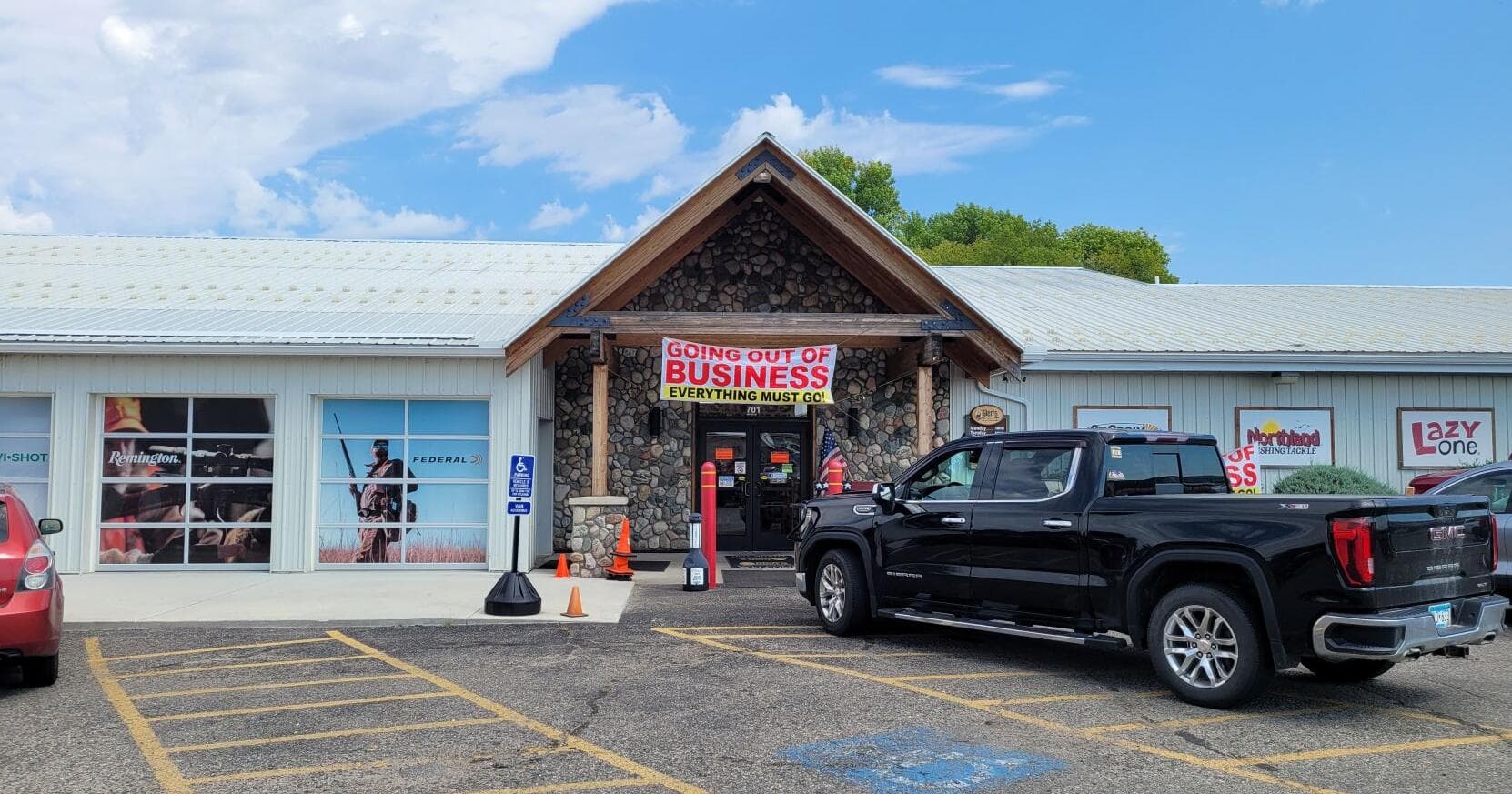
Across nearly every retail segment, no category remains unaffected. The fallout includes **millions of workers facing layoffs**, **vacant storefronts proliferating**, and **growing challenges in accessing essential goods**—from groceries and pharmaceuticals to household staples. Many historic and beloved brands are shuttering permanently, leaving behind a landscape riddled with empty spaces that pose both urban renewal challenges and opportunities for adaptive reuse.
### Sector and Regional Impacts
- **Department Stores and Luxury Retail:**
- Iconic chains like **Macy’s** continue shuttering flagship stores in major cities, despite efforts to pivot toward **digital innovation** and **personalized shopping experiences**. However, many flagship outlets remain closed, casting doubt on the traditional department store model’s future.
- **Saks Global**, which filed for Chapter 11 earlier this year, is consolidating operations, closing high-end outlets as luxury spending continues to decline.
- Online-only luxury brands are liquidating inventories, struggling to replicate the in-store experience that once drew crowds, accelerating their decline.
- **Specialty Apparel and Accessories:**
- **Francesca’s**, a beloved women’s boutique chain, announced the **complete shutdown of all its stores** following bankruptcy filings earlier this year. Recent developments confirm the **winding down of operations** at mall locations including **Marlton**, **Cherry Hill**, and **Blackwood**—a significant regional and community loss.
- Retailers like **Torrid** and **Lids** are retreating from key regional markets such as Chicago and Dallas, reducing options for consumers seeking affordable fashion and accessories.
- **Furniture and Home Goods:**
- Regional staples such as **Value City Furniture** are closing all outlets, with liquidation sales underway at stores in Lexington, Tukwila, and beyond.
- In Maryland alone, **six furniture outlets**—including **Art Van**, **Ashley Furniture**, and **Rooms To Go**—are shutting this spring, exemplifying a regional furniture crisis.
- The **Eddie Bauer** store in Gettysburg—serving the community for over two decades—is holding a **major closure sale** amid bankruptcy proceedings, marking a significant local retail loss.
- **Grocery and Food Access:**
- Chains vital to urban food deserts, such as **Sentry Foods** in Wisconsin and Illinois, are closing multiple locations, worsening food security issues in underserved neighborhoods. The expansion of large big-box retailers and online grocery platforms continues to threaten smaller, independent stores.
- **Pharmacy and Healthcare Services:**
- **DrugTiger**, a major pharmacy chain, plans to shutter approximately **296 stores** nationwide, disproportionately impacting rural and underserved communities. This trend raises serious concerns over healthcare access in vulnerable populations.
- **Big-Box Retailers and Home Improvement:**
- **IKEA** and other large-format retailers are reevaluating their physical footprints; several IKEA stores are closing due to declining foot traffic and rising operational costs. The trend indicates a move toward **smaller urban outlets** and increased reliance on **online sales**.
### Recent Notable Liquidation Events and Asset Sales
In recent weeks, a surge in **final-store closing sales** and **offsite liquidation auctions** underscores the mounting financial pressures faced by retailers. These events often attract community participation, offering deep discounts and serving as poignant moments for local residents.
**Examples include:**
- **Hometown Store and Kitchen Gifts** (Ukiah, CA):
This regional retailer, serving artisans and gift buyers for nearly a decade, announced its **closure**, exemplifying how small-town businesses are feeling the economic pinch.
- **‘Drastic Discounts!’ Furniture Store** (Lehigh Valley, PA):
With over **50 years of history**, this iconic furniture retailer launched a **“Closing Sale”** with discounts reaching **50%**, attracting large crowds and marking the end of an era for local furniture shopping.
- **Legacy Warehouse Liquidation** (Chesapeake, VA):
An **offsite liquidation event** offering electronics, seasonal items, and general merchandise at significant discounts highlights how surplus assets are being offloaded to recoup losses amid a collapsing retail environment.
- **Family Dollar:**
After **17 years**, a nearby **Family Dollar** announced its **closure**, prompting last-minute shopping frenzies among loyal customers. These closures further diminish access to affordable essentials, especially in low-income neighborhoods.
- **M’Coul’s** (Greensboro, NC):
This neighborhood fixture is preparing for a **public liquidation sale**, evoking community mourning but also offering bargains for savvy shoppers.
### Additional Regional Closures and Auctions
- **Newington, CT:**
**Cozy Home Furniture** is closing after years of service, hosting an **“everything must go”** sale amid ongoing struggles within the regional furniture sector, driven by online competition and economic pressures.
- **Fayetteville, AR:**
An upcoming **liquidation auction** scheduled for **February 28th** at **3990 N. Old Wire Road** will feature assets from stores like **Ukiah’s Store and Kitchen Gifts**. Platforms such as **AuctionZip** and **B-Stock** facilitate these sales, providing resellers and small businesses access to inventory at deep discounts, fueling the resale economy.
- **Brooklyn, NY:**
The **Warehouse Tool Clearout Sale** (February 21 onward) features surplus tools and hardware, attracting contractors, resellers, and DIY enthusiasts eager to capitalize on shifting market conditions.
- **Portland, OR:**
**Steel Leaf Brewing**, a craft brewery, announced its **closure**, hosting a liquidation sale that includes brewing equipment, taproom furnishings, and remaining inventory. The brewery’s farewell events underscore mounting pressures on craft breweries amid rising operational costs and market saturation.
- **Hopkinsville, KY:**
**Charlotte’s on 6th** announced its **closing at the end of February**, reflecting ongoing challenges faced by small-town retail ventures.
- **Gettysburg, PA:**
The **Eddie Bauer Outlet**, a regional fixture for outdoor apparel for over two decades, is holding **closure sales** amid bankruptcy proceedings, marking the end of a retail chapter in the community.
### Major Asset Liquidations and Corporate Failures
- **Rogue Ales and Spirits:**
The Portland-based craft brewery announced the **sale of all brewery and distillery assets** via a bankruptcy auction, illustrating how even iconic brands are vulnerable amid rising costs and market saturation. The assets—including brewing equipment and distribution rights—are now available for purchase, signaling the end of Rogue’s storied presence in craft brewing.
- **Value City Furniture:**
After filing for Chapter 11 protection in November, **Value City Furniture** has left many customers disappointed as they were unable to retrieve purchases, exemplifying the human toll of large-scale retail failures.
- **Other Regional Furniture Chains:**
Chains like **Art Van** and **Rooms To Go** are also closing multiple stores this spring, further shrinking the furniture retail landscape.
## The Rise of Resale and Liquidation Markets
Amidst the wave of closures, **secondary markets for surplus inventory** are experiencing explosive growth. Retailers, manufacturers, and liquidators increasingly leverage online auction platforms such as **B-Stock**, **AuctionZip**, and **Essendant** to offload excess stock—ranging from electronics and seasonal goods to general merchandise.
- **Major Liquidation Events:**
For example, on **February 23, 2026**, **Essendant Liquidation Auctions** announced the sale of **5 pallets of general tools and hardware** in Denver, CO, with an estimated retail value of over **$45,000**. These lots include used tools in fair condition, ideal for resellers and refurbishers seeking inventory at a fraction of retail.
- **Corporate Participation:**
Giants like **Walmart** and **Target** are actively leveraging these platforms to manage surpluses, reducing losses and embracing the circular economy. This strategic shift signifies a move toward sustainability and reuse, transforming traditional supply chains.
- **Resale Market Growth:**
Platforms such as **Poshmark**, **Depop**, and **ThredUp** are seeing record activity, as consumers increasingly buy secondhand. Retailers are integrating resale options into their strategies, blurring the lines between retail and reuse.
## New Developments in Asset Management and Store Liquidation
A notable recent development involves **Eddie Bauer LLC**, which has retained a **real estate advisor** to manage ongoing store liquidations. This approach aims to **maximize recoveries** and **coordinate redevelopment efforts**, potentially transforming former retail spaces into **residential**, **office**, or **mixed-use projects**—a proactive response to urban blight.
Similarly, **7th Avenue Auto Salvage** in Fargo announced its **closure after over 40 years**, reflecting the decline of niche retail and service sectors impacted by broader market shifts.
## The Latest: Local Restaurant Asset Auctions Reflect Broader Trends
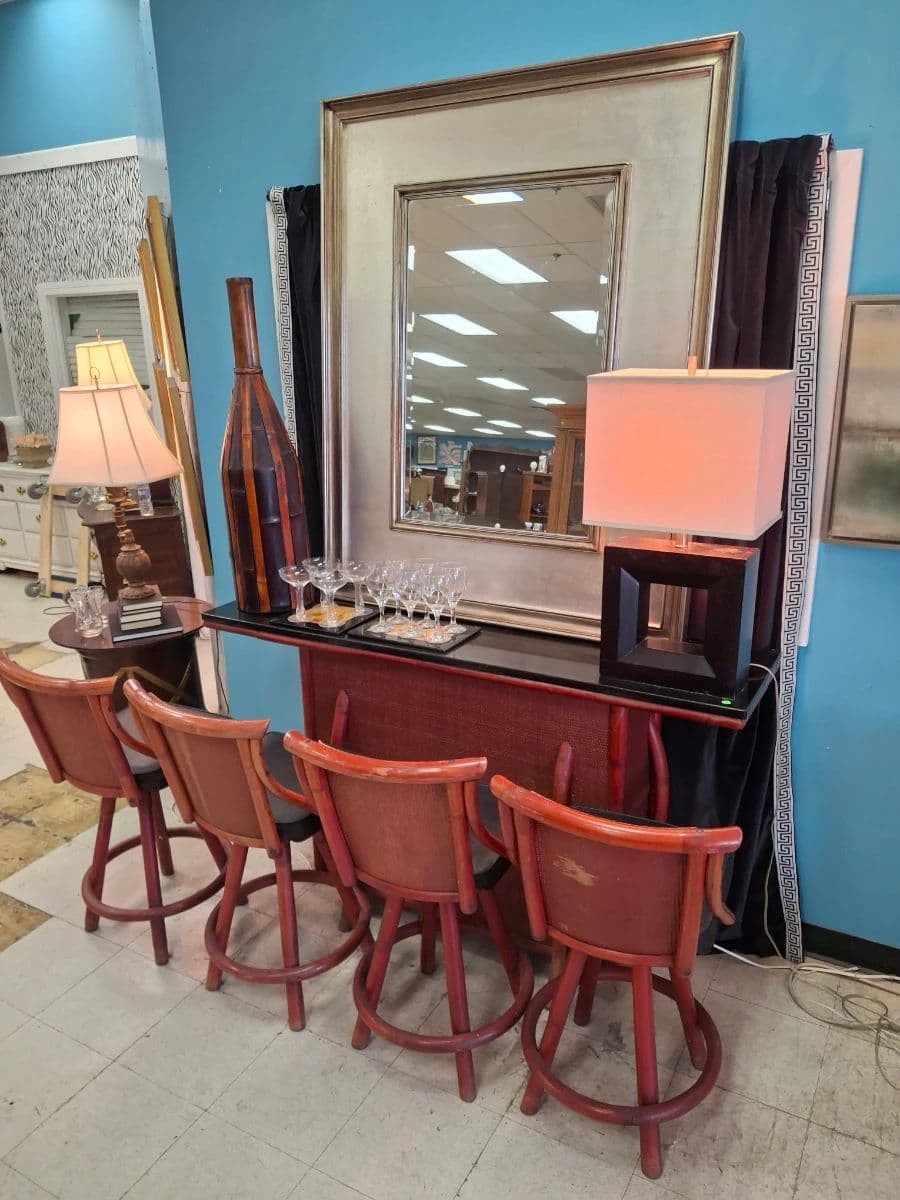
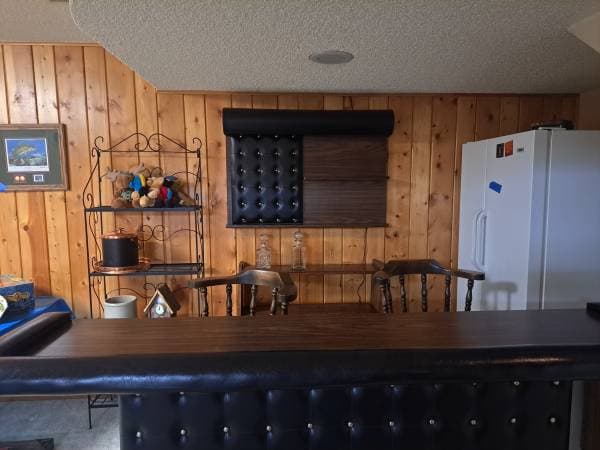
Adding to the ongoing wave of closures, **a recent notable event** involved the auction of contents from a closed Wichita restaurant. This auction included a wide array of items—tables, chairs, kitchen equipment, and decor—offered **for the everyman**. The sale provides an opportunity for **aspiring restaurateurs**, **homeowners**, and **small business owners** seeking affordable equipment, embodying the trend of **asset repurposing and reuse** in the aftermath of retail and hospitality closures.
> *"If you’re an aspiring restaurant owner looking for some new tables and chairs — or just a homeowner in need of durable furniture at a bargain price — this auction is a goldmine,"* said a local auctioneer. Such sales highlight how liquidations are not only about recouping losses but also about fostering community reuse and economic resilience.
## Additional Major Event: Cafe Saint-EX Auctioning Off Entire Restaurant Equipment
One of the most talked-about recent closures is **Cafe Saint-EX** in NW Washington, D.C.
**The restaurant announced** it would be **closing its doors and liquidating its entire inventory**, including kitchen equipment, dining furniture, and decor. The **auction** is set to feature everything from industrial ovens and refrigeration units to fine tableware and artwork.
**This closure marks the end of an era for the beloved local eatery**, which has been a fixture for years. The auction offers a rare chance for entrepreneurs and small business owners to acquire high-quality restaurant equipment at significant discounts, exemplifying how the hospitality sector is also affected by the broader retail and service industry downturn.
> *"It's bittersweet,"* said a longtime staff member. *"But at least this way, some of the equipment can find new life elsewhere."*
This event underscores the widespread pattern of hospitality closures, contributing further to the shrinking of local dining options and the reshaping of the urban landscape.
## Broader Implications and Future Outlook
The 2026 retail meltdown has profound societal implications:
- **Employment and Local Economies:**
Tens of thousands of retail workers are losing jobs, especially in regions heavily reliant on retail employment. Urban planners and policymakers are exploring **redevelopment initiatives**, transforming vacant spaces into **housing**, **community centers**, or **cultural hubs**. However, the scale of closures presents significant challenges.
- **Access to Essentials and Healthcare:**
The closures of chains like **Sentry Foods** and **DrugTiger** exacerbate issues of **food security** and **healthcare access**, particularly in underserved and rural communities. Addressing these gaps will require **community-led initiatives** and targeted policy interventions.
- **Urban Renewal and Adaptive Reuse:**
Many vacant retail spaces are prime candidates for **urban renewal projects**, converting former stores into **residential apartments**, **co-working spaces**, or **public facilities**. These transformations could revitalize distressed neighborhoods and reduce urban blight.
- **Growth of Resale and Circular Economy:**
The surge in resale and liquidation markets promotes a **more sustainable, circular economy**. Surplus inventories are being repurposed efficiently, reducing waste and offering affordable options to consumers and small entrepreneurs alike.
- **Innovation and Resilience in Retail Strategies:**
Retailers who survive are increasingly investing in **digital transformation**, adopting **online-first models**, and blending physical and virtual shopping experiences. Many small businesses are pivoting toward **online-only operations** or **diversified offerings** to adapt to the new landscape.
## Current Status and Looking Ahead
While 2026 has been marked by chaos and upheaval, it also signals opportunities for **reinvention and resilience**. The wave of bankruptcies and closures is catalyzing **urban redevelopment**, fostering **sustainable practices**, and encouraging **new economic models** that could define the retail landscape beyond this tumultuous year.
As communities, businesses, and policymakers adapt, the focus will increasingly shift toward **redevelopment**, **circular economy initiatives**, and **digital innovation**—aiming for a **more flexible and sustainable retail ecosystem**. The lessons of 2026 highlight that even in the face of collapse, there exists significant potential for transformation and renewal.