# Indoor Gardening 2024–2026: The Evolution of Practical, Stylish, and Sustainable Plant Care
The indoor gardening movement continues to flourish in 2024–2026, transforming from a niche hobby into a mainstream lifestyle rooted in sustainability, technological innovation, and aesthetic excellence. This period marks an exciting convergence of scientific insights, community-driven knowledge, and smart technology, empowering both beginners and seasoned enthusiasts to cultivate resilient, stylish, and eco-friendly indoor green spaces with ease.
## The Rise of Resilient and Stylish Indoor Plants
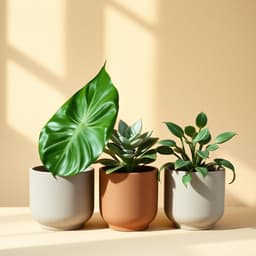
A defining trend remains the emphasis on **low-maintenance yet visually appealing plants** that thrive under varied conditions. The focus on **resilient species** ensures that indoor gardening remains accessible, even for those with busy schedules or less-than-ideal environments.
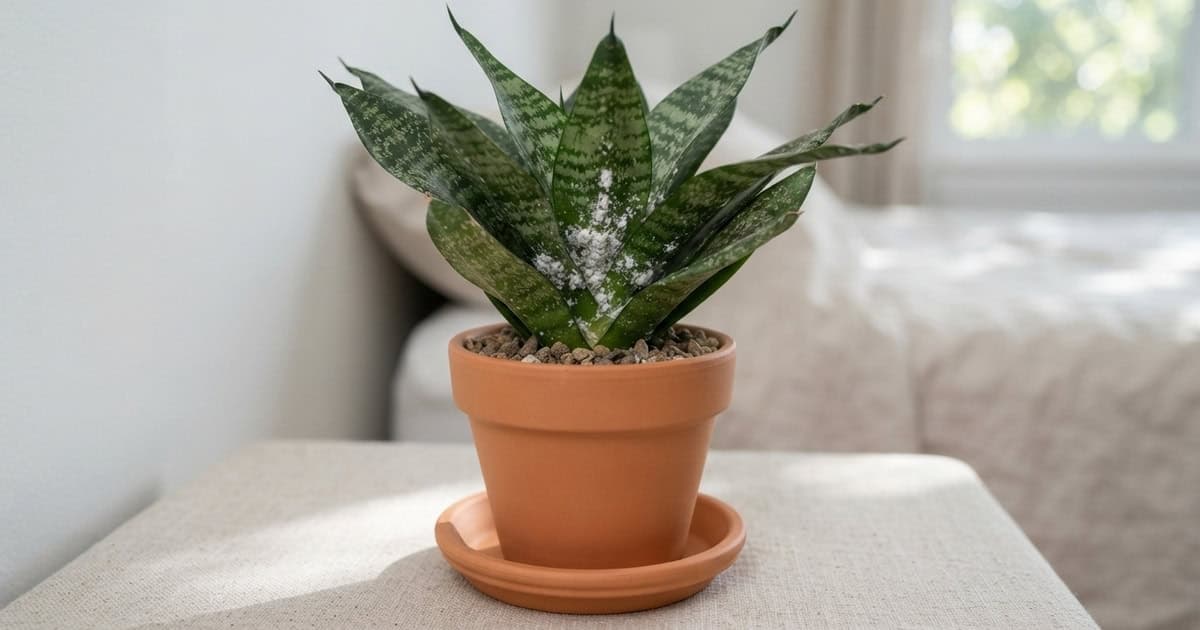
- **Snake Plants (Dracaena trifasciata):** Their reputation as nearly indestructible remains unchallenged. Recent tutorials, such as *"How to Divide Snake Plants the Right Way 🌿"*, have made propagation straightforward, encouraging growers to expand their collections effortlessly.
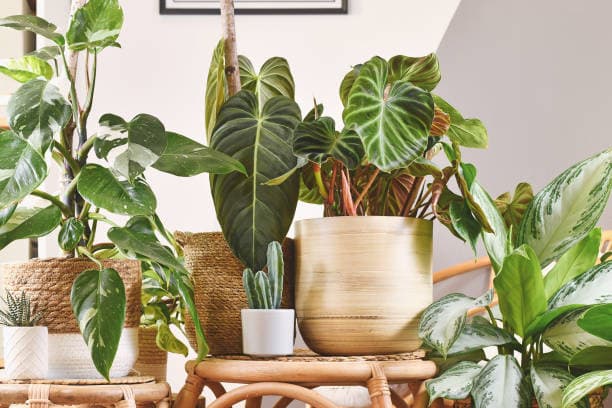
- **Cultivar Recognition and Diversity:** By 2026, growers increasingly identify specific cultivars like *"Perle von Nurnberg"*, *"NoID Monstera"*, and others. Recognizing cultivar-specific care routines—adjusting light, watering, and fertilization—has become standard, allowing personalized and optimal plant health.
- **Microgreens and Edibles:** Compact, fast-growing microgreens such as basil, radish, and garlic greens have gained popularity. They serve dual roles: vibrant indoor décor and fresh culinary ingredients, making indoor gardening both practical and flavorful.
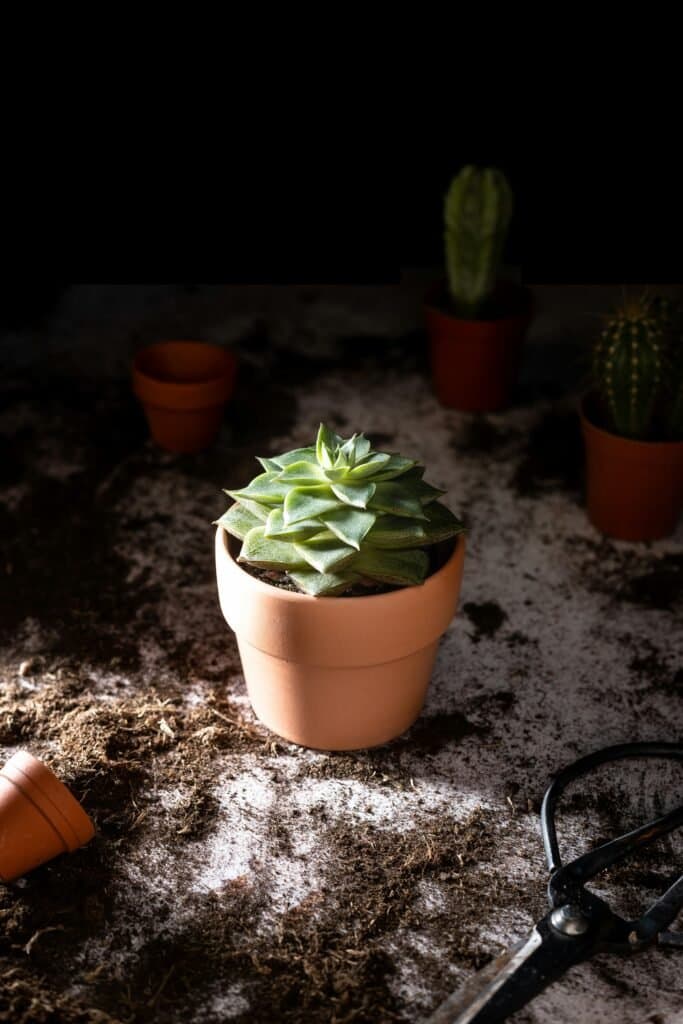
- **Hardy Succulents & Tropical Palms:** Sculptural succulents like *Graptoveria 'Fred Ives'* and *Crassula 'Money Maker'* are favored for their minimal water needs and striking appearance. Tropical palms, including **Majesty** and **Areca**, add lush, tropical ambiance with low resource demands, aligning with sustainability goals.
- **Spineless Cacti and Pet-Safe Options:** Recent focus on **spineless or minimal-spine cacti** such as *Echinopsis pachanoi* offers safe, low-maintenance options for households with children or pets.
## Simplified and Actionable Care Practices
Advancements in plant care techniques have made maintaining indoor gardens more straightforward and effective:
- **Soil & Repotting:** The importance of **well-draining indoor soils** cannot be overstated. The article *"The Best Kind of Soil for Indoor Plants (Hint: It's Not Garden Soil)"* emphasizes using soilless, designed mixes rather than outdoor garden soil to prevent issues like water retention and root rot. These mixes typically include ingredients like perlite, peat moss, or coconut coir, ensuring proper aeration.
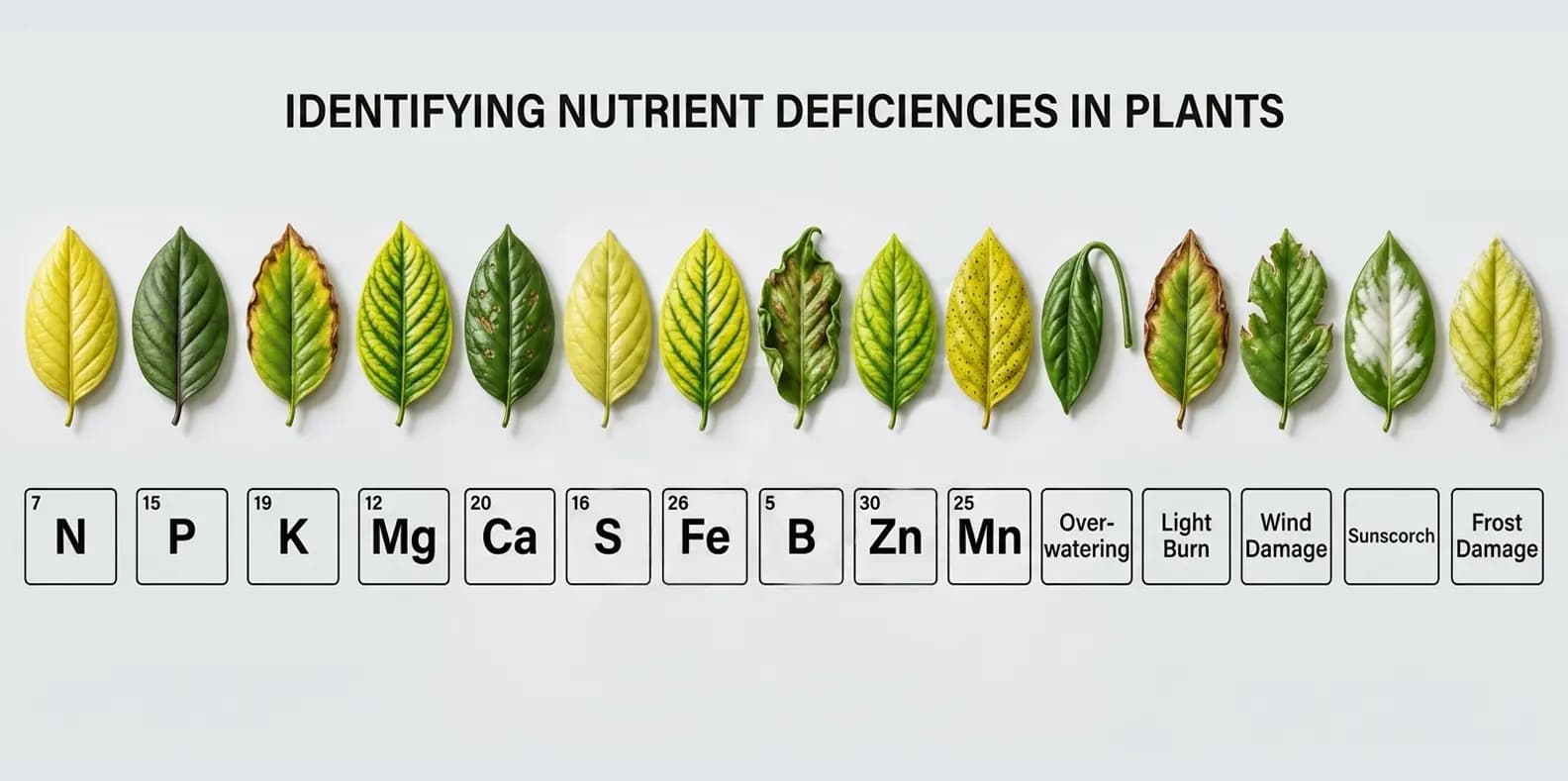
- **Watering Strategies:** Judicious watering remains crucial. Using **soil moisture checks** and **self-watering containers** reduces overwatering—one of the most common mistakes among indoor gardeners—ensuring plants receive consistent hydration.
- **Lighting Solutions:** The widespread adoption of **full-spectrum LED grow lights**, which are adjustable seasonally and species-specific, has revolutionized indoor lighting. Positioning plants near east or west-facing windows, with diffusing curtains for south-facing windows, maximizes photosynthesis and growth.
- **Humidity & Temperature Control:** Maintaining stable conditions—temperatures of 65–75°F and humidity levels of 40–60%—is essential. Devices like humidifiers and water trays are simple tools that help mitigate indoor dryness, especially in winter.
- **Leaf Cleaning & Pest Prevention:** Regular dusting with a damp cloth enhances photosynthesis and deters pests. Weekly inspections combined with organic pest controls like neem oil or insecticidal soap are now standard practices, helping keep plants healthy and pest-free.
## Propagation & Seasonal Growth Strategies
Propagation remains a rewarding aspect of indoor gardening, especially during the winter months when many plants are in dormancy or slower growth phases.
- **Callusing for Succulents:** Allowing succulent cuttings to dry and form a protective callus before planting has proven highly effective, as detailed in *"What Hardening Off Succulents Looks Like"*.
- **Propagation Techniques:**
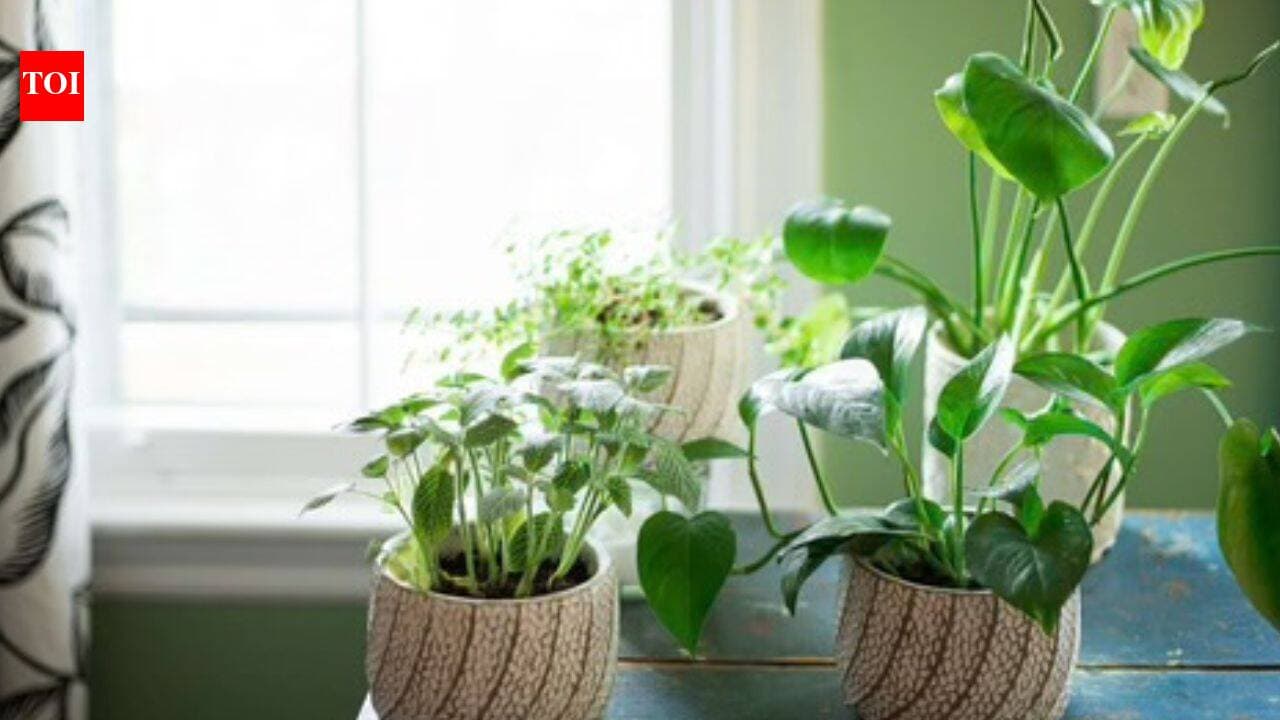
- **Stem and Leaf Cuttings:** For pothos, philodendrons, and rubber plants, these methods remain the easiest and most accessible.
- **Grafting and Layering:** Larger, woody plants benefit from grafting and layering, which accelerate growth and enable collection expansion.
- **Rubber Plant Propagation:** The step-by-step guide *"Rubber Plant Propagation 🌿 Leaf & Stem Cutting Ela Cheyyali?"* simplifies successful propagation practices.
- **Easily Propagatable Houseplants:** The article *"15 Houseplants Anyone Can Easily Propagate That Thrive In Michigan Homes"* offers practical options for novice and experienced gardeners alike, emphasizing species that adapt well to indoor conditions and propagate readily from cuttings or division.
## Addressing Climate Challenges and Common Mistakes
Climate variability and indoor environmental fluctuations demand adaptive strategies:
- **Drafts & Cold Zones:** Recent articles highlight the damage caused by cold drafts, such as after snowstorms in North Carolina (*"Why Your Houseplants Look Sad After A Snowstorm In North Carolina"*). To mitigate this:
- Keep plants away from drafty windows or doors.
- Use insulating materials or curtains during cold spells.
- Increase humidity and warmth using space heaters or humidifiers.
- **Adjusting Routines Post-Extreme Weather:** Sudden temperature drops or dry spells require re-evaluating watering, lighting, and placement routines. For example, plants may need more frequent watering if the soil dries quickly, or less direct light if they’ve been exposed to cold drafts.
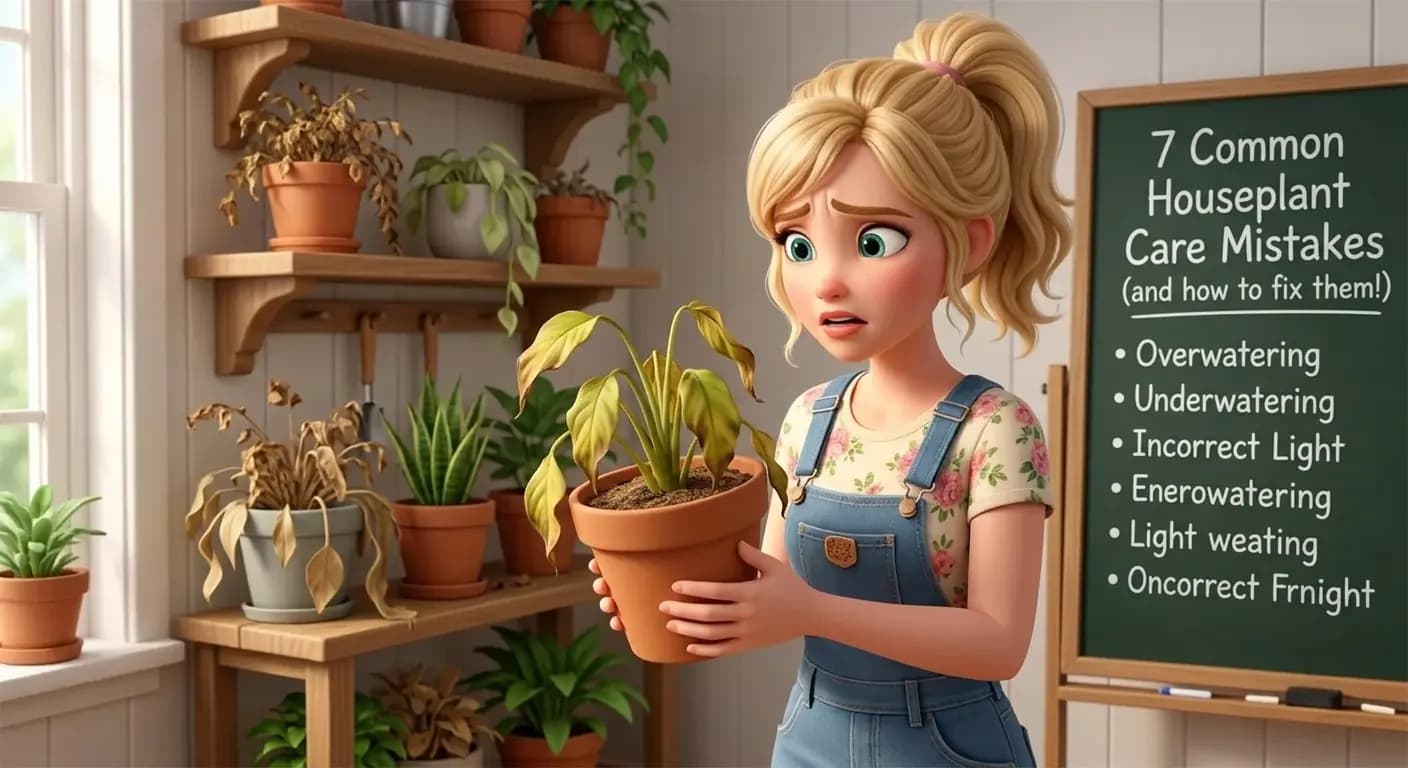
- **Common Mistakes & Educational Content:** Articles like *"【必見】初心者がやりがちな観葉植物のNGお手入れ5選"* focus on seasonal awareness and balanced routines, emphasizing the importance of moderation and observation.
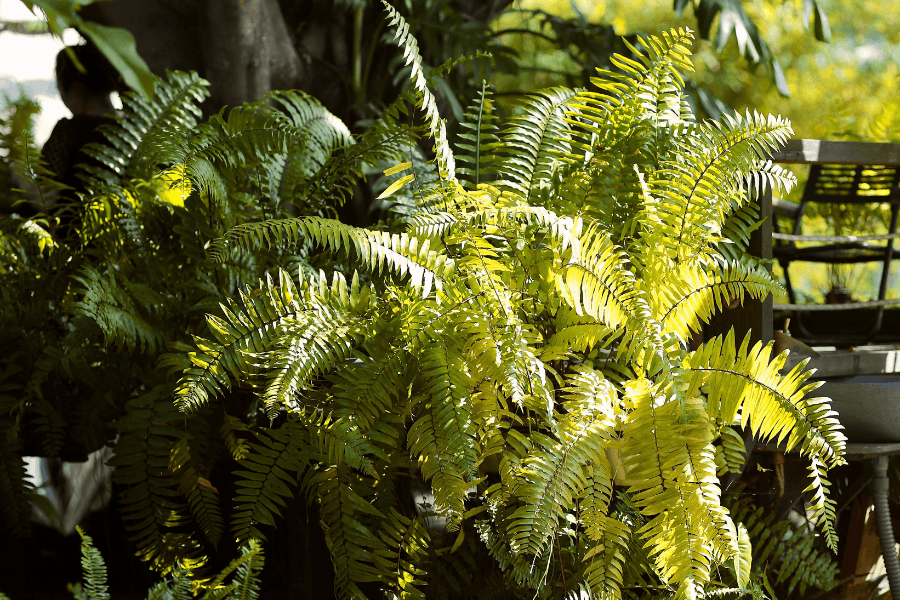
- **Seasonal Care Tips:** For example, *asparagus ferns* in February benefit from pruning to prevent shedding, encouraging healthy new growth and improving indoor air quality.
## Harnessing Technology and Community Support
Technology continues to enhance indoor gardening:
- **Adjustable Full-Spectrum LED Lights:** These enable tailored lighting conditions that adapt to seasonal changes and specific plant needs, reducing energy use and improving growth outcomes.
- **Self-Watering Systems:** Automated watering reduces guesswork and supports sustainable water use, ideal for busy or travel-prone households.
- **Plant Identification Apps & Online Communities:** Resources like plant ID apps, forums, and social media groups facilitate species recognition, troubleshooting, and knowledge sharing. They foster a vibrant community where success stories and troubleshooting tips are exchanged freely.
- **Educational Content & Tutorials:** Creators continue producing accessible videos such as *"Watch Me Plant Care And Propagate These Plants"*, democratizing plant care knowledge and inspiring new gardeners.
## New Developments & Practical Resources
Recent articles introduce valuable insights and plant options:
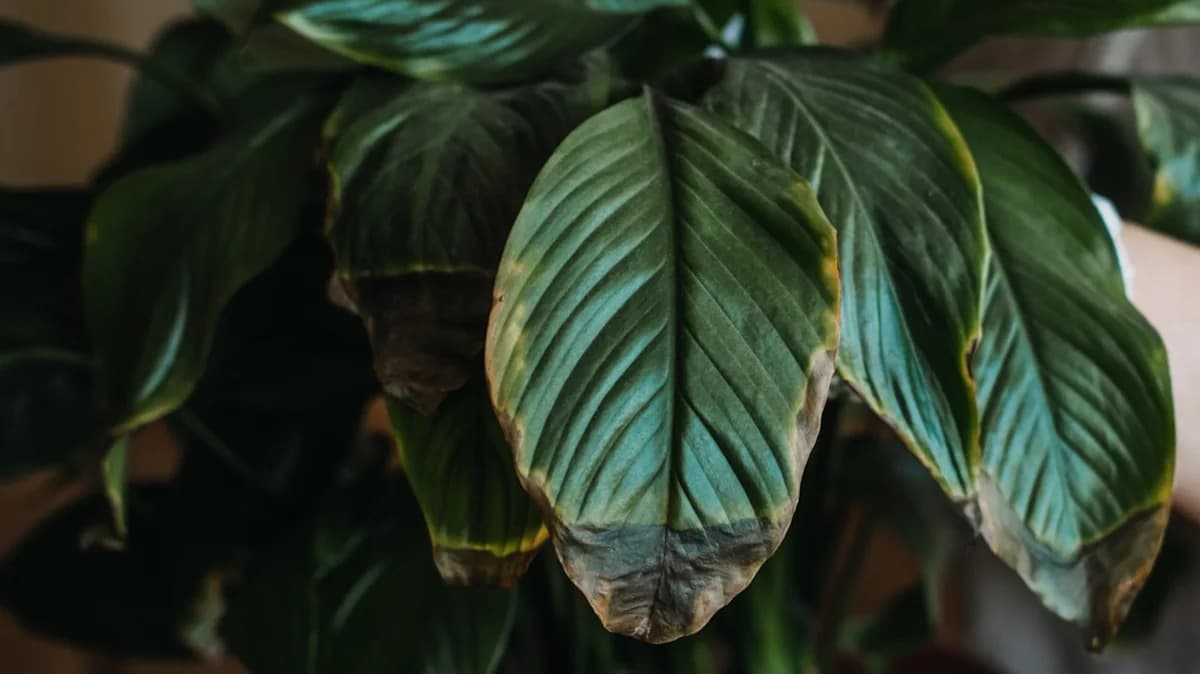
- **Pest Management for Peace Lilies:** The article *"The Telltale Signs That Your Indoor Peace Lily Plant Is Infested With Pests"* details early pest detection, including signs like yellowing leaves, sticky residue, and webbing. Organic controls like neem oil are highlighted for their effectiveness and safety.
- **Keeping Cast Iron Plants Healthy:** Despite their reputation for resilience, *Aspidistra elatior* benefits from proper watering and avoiding direct sunlight, as emphasized in *"The Overlooked Care Tip That Helps A Cast Iron Plant Thrive"*.
- **Indoor Cactus Options:** New features spotlight **spineless or minimal-spine cacti**, such as *Echinopsis pachanoi* and certain *Mammillaria* species, which are low-maintenance, safe, and ideal for indoor environments.
## The Current Status and Future Outlook
As we progress through 2024–2026, indoor gardening is increasingly recognized as a **practical, stylish, and sustainable lifestyle choice**. The integration of scientific research, innovative technology, and vibrant community knowledge creates an accessible environment where even complex routines are simplified.
The focus on **resilient plant selections**, **smart lighting and watering solutions**, and **seasonal adaptability** ensures that indoor gardens are sustainable, beautiful, and easy to maintain. This approach aligns with modern urban living, prioritizing wellness, environmental responsibility, and aesthetic appeal.
**In conclusion**, indoor gardening is evolving into a more inclusive and eco-conscious practice. With comprehensive resources—ranging from soil selection to propagation techniques—and supportive communities, enthusiasts are empowered to create lush, resilient green sanctuaries indoors that elevate both their living spaces and their well-being. The future of indoor plant care is bright, sustainable, and stylish—welcoming more people into the green fold than ever before.