# Proxy Dynamics Under Mounting Strain: Hezbollah, Kurdish Actors, and Regional Tensions Escalate
The Middle East remains an arena of intense proxy activity, geopolitical maneuvering, and internal unrest. While recent signals of restraint suggest some actors are trying to avoid full-scale conflict, emerging developments underscore the fragile balance and persistent risks of escalation. Notably, Hezbollah’s shift toward clandestine operations, the complex positioning of Kurdish groups, and heightened maritime threats reveal a region under mounting pressure.
## Hezbollah’s Evolving Strategy: From Overt Confrontation to Covert Operations
**Hezbollah**, ingrained within Lebanon and Syria, continues to adapt its tactics in response to regional pressures. Recent reports confirm Syria’s accusations that Hezbollah fired shells from Lebanon into its territory—highlighting ongoing proxy confrontations. However, the group appears to be steering away from overt military clashes toward **covert operations, cyber campaigns, and targeted assassinations**. This strategic shift aims to sustain influence while minimizing the risk of a broader regional conflict, especially as international diplomatic efforts intensify and regional actors remain cautious.
Hezbollah’s emphasis on **asymmetric tactics** reflects a broader pattern where Iran-backed proxies increasingly rely on cyber warfare, intelligence operations, and small-scale raids. These methods allow them to exert influence without provoking large-scale retaliation, maintaining a form of strategic ambiguity amid ongoing tensions.
## Kurdish Actors: Struggling to Maintain Autonomy Amid Repression
Across Syria, Iraq, and Iran, **Kurdish communities** face a delicate balancing act. The **Syrian Democratic Forces (SDF)** have issued stern warnings to Iran’s Kurdish factions, cautioning against aligning with U.S. forces—highlighting internal divisions exacerbated by external pressures. In Iraq, **Kurdish authorities** are actively suppressing reports of Kurdish-led uprisings in Iran, seeking to prevent provoking Tehran’s repressive machinery. Despite efforts to exercise restraint, Kurdish populations remain vulnerable to repression, with Tehran exerting relentless pressure to curtail autonomous movements.
The risk persists that **escalating repression or internal conflicts** could spill over into wider regional clashes. Kurdish communities, long targeted by Iranian and Turkish authorities, are increasingly caught between internal repression and external proxy pressures, heightening the danger of destabilization.
## Proxy Operations: Diversification and Escalation on Multiple Fronts
Proxy activity remains high, with Iran’s network deploying **diverse tactics to maintain influence**:
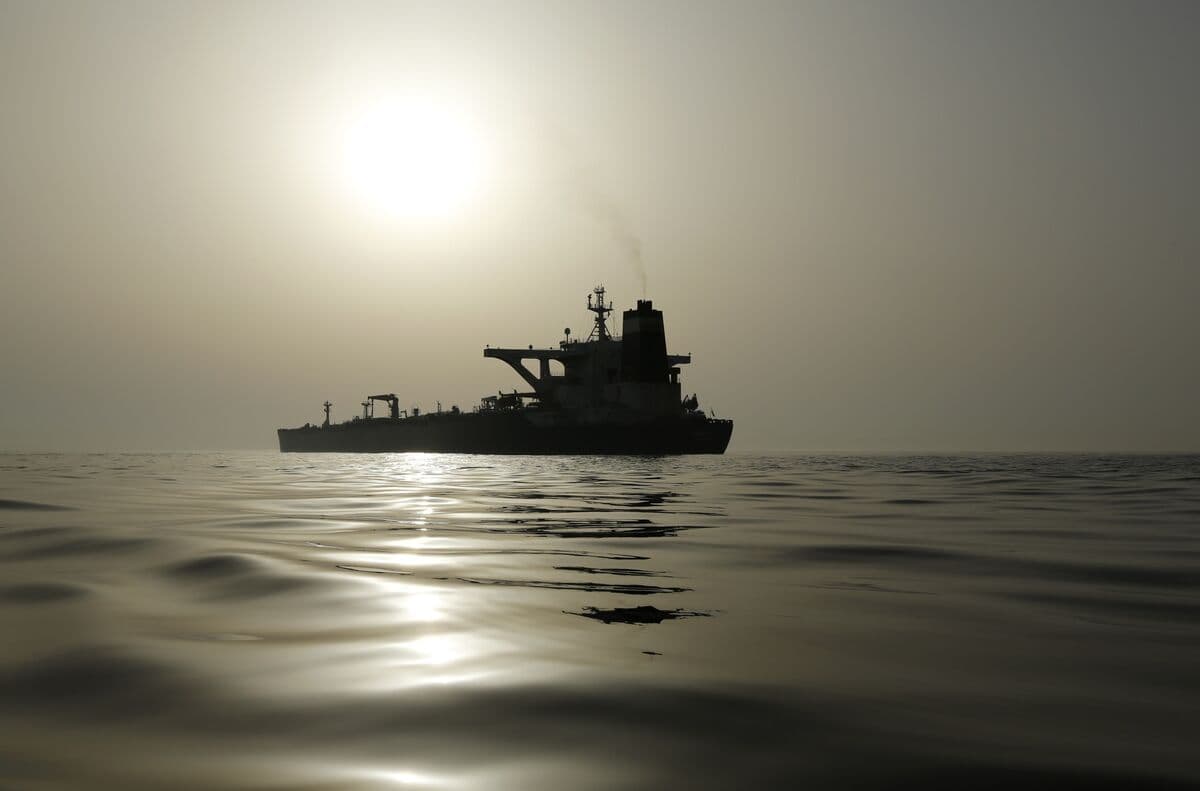
- **Maritime Attacks:** The Houthis have expanded missile and drone strikes into the Red Sea and Horn of Africa, targeting commercial shipping near the **Bab el-Mandeb Strait**. These attacks threaten global trade routes and could escalate into broader maritime conflicts, posing risks to energy supplies and international security.
- **Cyber Warfare:** Iranian proxies have intensified **cyber operations**, targeting infrastructure, government institutions, and private sectors across multiple countries. The increasing sophistication and frequency of these assaults serve both destabilization and intelligence-gathering objectives, complicating attribution and response.
- **Cross-Border and Covert Clashes:** In Syria and Iraq, Hezbollah’s shift from overt military engagement to **covert operations and cyber campaigns** underscores efforts to preserve influence while avoiding full-scale conflicts. Iraqi militias continue exerting influence over local governance and limited military actions, maintaining regional tensions that could flare unexpectedly.
Recent **regional flashpoints** include ongoing skirmishes in Syria and Lebanon, with accusations of shelling and provocations that risk spiraling into wider hostilities. Kurdish populations, already under pressure, face the danger that increased repression or miscalculations could ignite broader conflicts.
## Strategic Chokepoints and Energy Security: The Strait of Hormuz
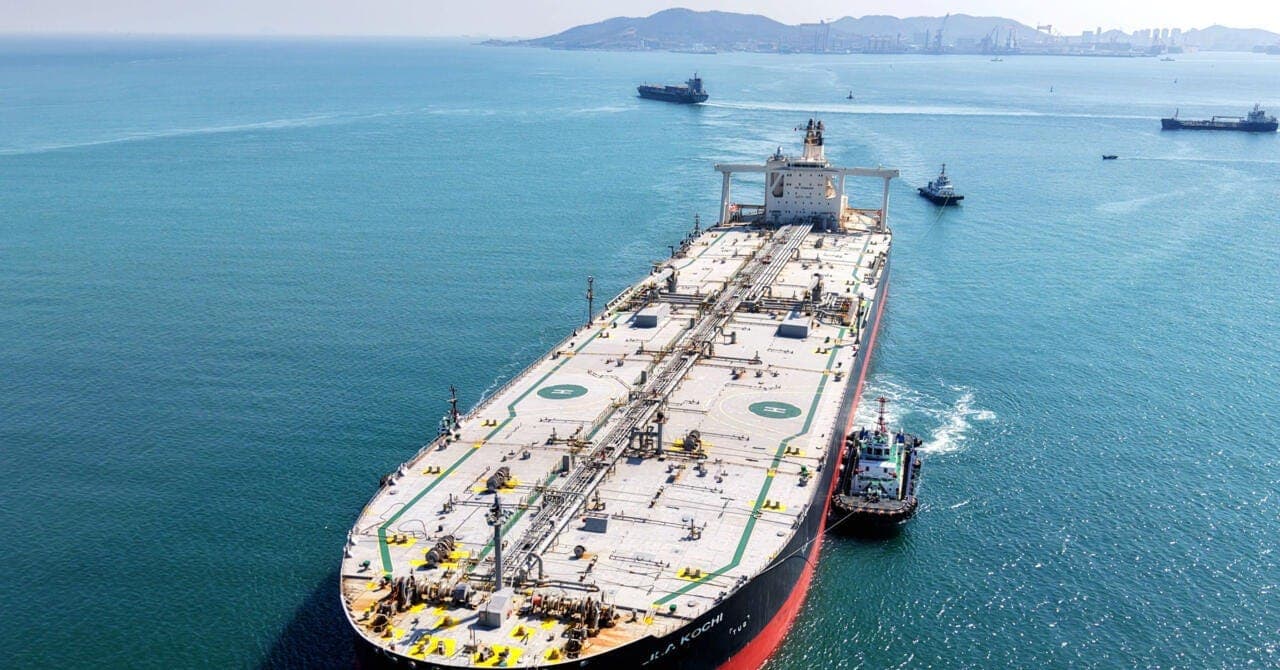
The **Strait of Hormuz** remains a critical geopolitical chokepoint, vital for global oil supplies. Iran’s persistent threats to block or control this strait have heightened tensions, with recent discussions at the **UN Security Council** emphasizing the catastrophic economic consequences should Iran attempt such a move. Any closure or militarization of the strait could trigger regional military responses, disrupting energy markets and destabilizing global economies.
Western powers continue efforts to reinforce maritime security, aiming to deter Iranian actions and secure open sea lanes. The risk of **miscalculation or accidental escalation** in this congested maritime zone remains a significant concern.
## Iran’s Domestic Politics and Diplomatic Standoff
Iran’s internal political landscape continues to shape its regional posture. Signals from reformist factions, alongside ongoing debates over nuclear policy, influence Tehran’s proxy activities. Iran’s **nuclear advancements**, notably uranium enrichment reaching **60%**, heighten regional anxieties and complicate diplomatic negotiations.
Diplomatic efforts, such as the **stalled Geneva talks**, remain deadlocked amid internal factional struggles and external resistance. Meanwhile, Iran’s **internal repression** has intensified—mass protests over economic hardship and political dissatisfaction have been met with harsh crackdowns. These domestic tensions bolster hardliners’ narratives of resilience and strength, even as Tehran seeks to project power regionally through proxies and clandestine actions.
Interestingly, recent developments suggest Iran is exploring **potential negotiations**. Reports indicate Iran has **offered deals aimed at ending hostilities with the U.S.**, signaling a possible, albeit limited, opening for de-escalation amidst internal and external pressures.
## Great Power and Regional Influences: Russia, China, and Turkey
**Russia’s involvement** with Iran continues to deepen. Reports suggest increased intelligence sharing, which could enable Iran to conduct more precise missile and drone strikes—raising risks of miscalculations. Moscow’s support emboldens Iran’s proxy network, complicating international efforts to contain escalation.
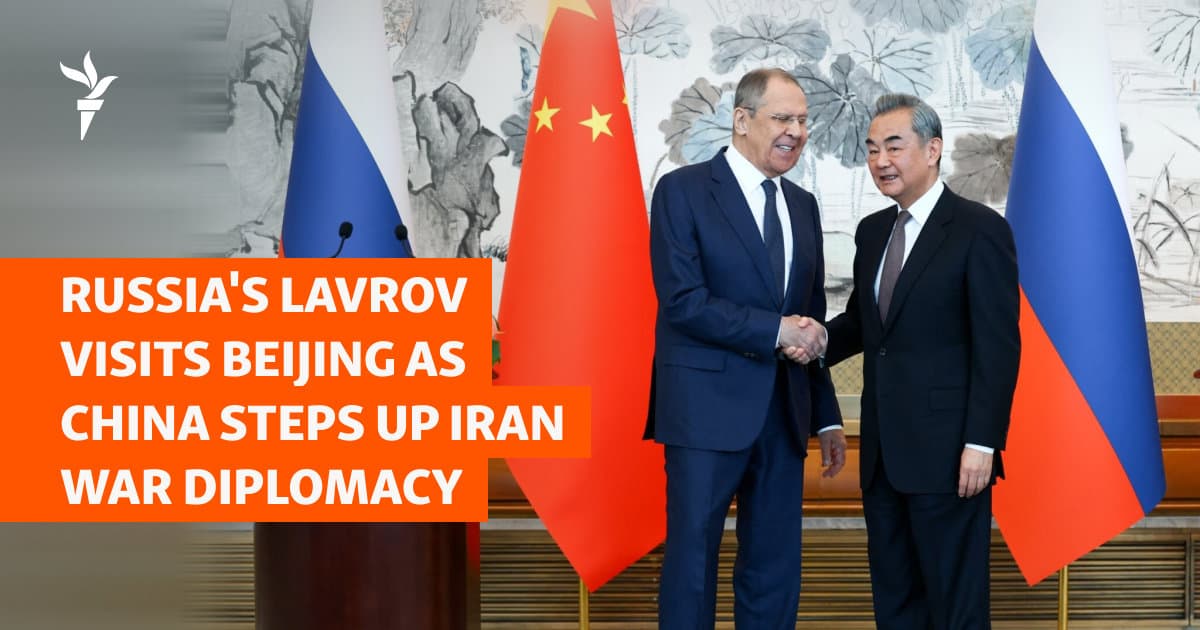
**China’s cautious diplomacy** maintains a neutral stance but adds a layer of complexity to regional stability. While publicly advocating for dialogue, regional observers warn that China’s influence could sway proxy behaviors or diplomatic negotiations in unpredictable ways.
**Turkey**, a key regional actor, remains assertive. Recent confrontations with Iran—particularly over missile incidents—highlight Turkey’s strategic independence and readiness to confront threats diplomatically or militarily if necessary. Turkish Foreign Minister **Hakan Fidan** has publicly emphasized the importance of **diplomatic back-channels** and **quiet negotiations**, especially amid stalled U.S.-Iran talks. Fidan’s efforts aim to prevent escalation, but tensions persist, notably after recent Iranian strikes near Turkish territory, which have heightened spillover risks.
## Recent Key Developments and Indicators of Tension
- **Hamas’s appeal** to Iran to **avoid widening the conflict** reflects a broader regional recognition of the catastrophic risks of escalation. Hamas’s messaging underscores the importance of regional stability for strategic interests.
- **Iran’s openness to negotiations** signals a potential shift, with some former Israeli diplomats suggesting that despite internal resistance, diplomatic avenues remain viable if incentives align.
- **Turkey’s warnings and diplomatic efforts** highlight ongoing attempts to **manage spillover risks**, with Ankara actively engaging in back-channel diplomacy and military preparedness.
- **Market reactions** include fluctuations in energy prices and adjustments related to Russian oil sanctions, illustrating how Middle Eastern instability continues to influence global markets.
- **Alleged Iranian strikes toward Turkey** have been reported, with recent tensions escalating over missile incidents. Turkish diplomatic efforts, including back-channel negotiations, aim to de-escalate these conflicts, but the situation remains fragile.
## Current Status and Outlook
While some actors signal restraint, **proxy activities, maritime threats, and regional skirmishes** persist at high levels. Iran’s decentralized proxy network, employing cyber, maritime, and clandestine tactics, complicates deterrence efforts and heightens the risk of miscalculations.
**Monitoring priorities** now include:
- The evolving tactics of proxies, especially cyber campaigns and maritime attacks.
- Political developments within Iran, particularly regarding nuclear policy and internal reform debates.
- The growing influence of Kurdish groups and Tehran’s efforts to suppress or co-opt them.
- Diplomatic signals from Turkey, Israel, and Gulf states concerning escalation or de-escalation.
- Security dynamics at the Strait of Hormuz, given Iran’s threats to close or militarize it.
- Interactions among great powers—especially Russia’s intelligence sharing, China’s regional diplomacy, and Turkey’s strategic maneuvers.
### **Implications**
The current landscape underscores a **delicate equilibrium**, where the line between restraint and escalation remains razor-thin. A single misstep—be it a maritime clash, cyberattack, or proxy confrontation—could rapidly spiral into broader regional conflict with **devastating global consequences**.
Proactive diplomacy, regional cooperation, and robust deterrence are essential to prevent escalation. The coming months will be pivotal; internal political shifts, diplomatic breakthroughs, or external shocks could tip the balance toward conflict or de-escalation.
**In summary**, the proxy chessboard remains highly volatile, with actors exercising caution but always ready to escalate. Maintaining stability requires vigilant monitoring, strategic patience, and renewed diplomatic engagement to navigate this complex, high-stakes environment.