# The Future of Software Development in 2026: AI-Enhanced Compilers, Autonomous Workflows, and Regulatory Preparedness
The landscape of software development continues to evolve at a breathtaking pace, driven by groundbreaking advances in AI-powered tools, intelligent workflows, and an increasing emphasis on safety and compliance. As we move deeper into 2026, these innovations are not only augmenting human capabilities but also laying the foundation for autonomous, scalable, and regulation-ready programming ecosystems.
## The Next Generation of AI-Augmented Compilers: From Assistance to Autonomy
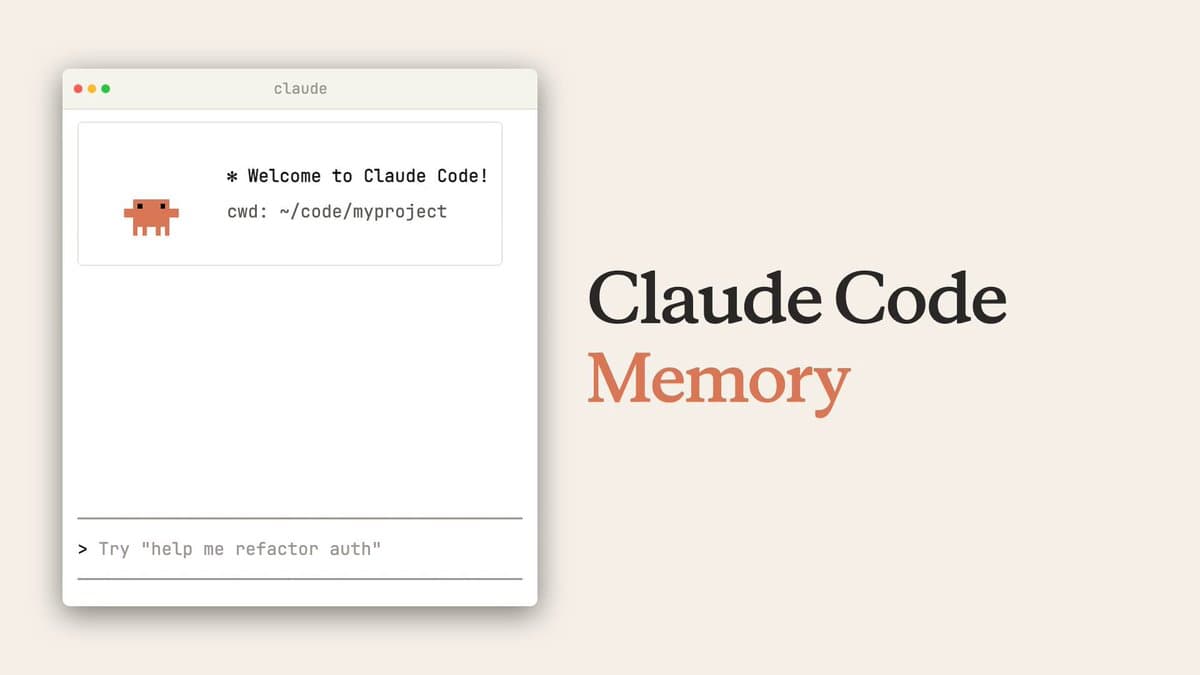
At the core of this transformation is the emergence of **Claude C**, a pioneering AI-augmented compiler that exemplifies **context-aware, autonomous toolchains**. Building upon earlier AI integration, Claude C now features **auto-memory support**, a breakthrough highlighted by industry insiders like @omarsar0 who announced, *"Claude Code now supports auto-memory. This is huge!"* This feature enables **persistent state across sessions**, addressing a long-standing challenge in AI-assisted development by allowing AI systems to **maintain long-term context**, thus facilitating more coherent and sophisticated interactions.
Furthermore, Claude C goes beyond traditional compilation by integrating **deep AI understanding**, allowing functionalities such as **dynamic code optimization, high-level intent recognition, and real-time suggestions**. Industry thought leaders like Chris Lattner have emphasized that **future toolchains will evolve into autonomous systems capable of understanding developer goals**, reducing manual effort and error rates. Early productivity gains, though modest at around **10%**, demonstrate the potential for AI to serve as a **valuable partner**, streamlining workflows, improving code quality, and accelerating project timelines.
Looking ahead, advancements are expected to include **more sophisticated AI-driven code generation**, **automatic architectural improvements**, and **adaptive optimization** that responds to the project's evolving requirements. These developments will lead to **more intelligent, self-improving development environments** that foster **higher quality and greater innovation**.
## Ecosystem Expansion: Bridging Design, Deployment, and Enterprise Adoption
The AI-driven development ecosystem continues to expand rapidly, integrating tools across the entire software lifecycle:
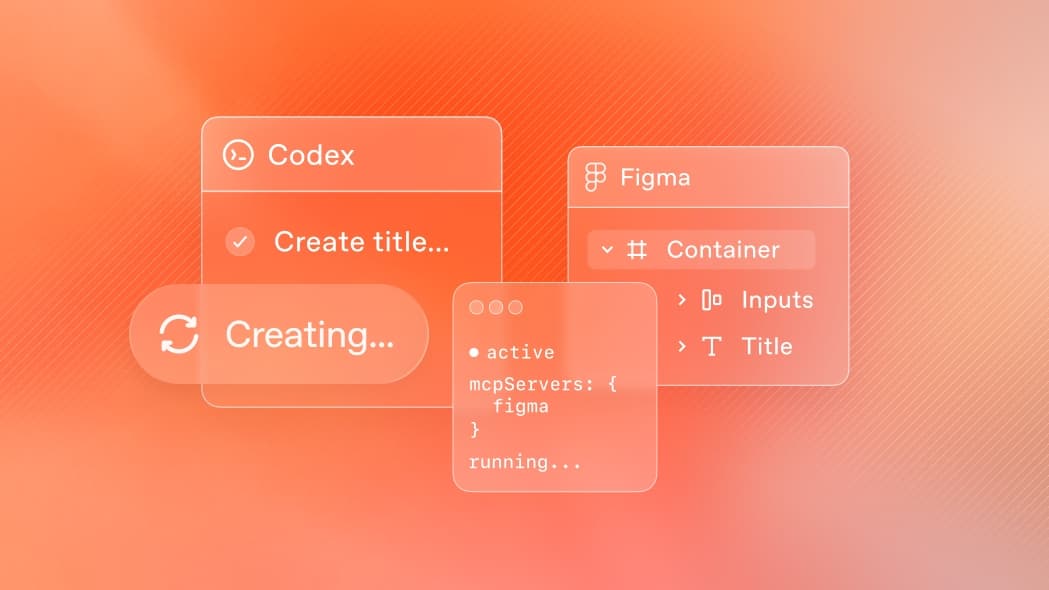
- **Design-to-Code Integration:** Platforms like **Figma** now incorporate **OpenAI’s Codex**, enabling **visual prototypes to be automatically translated into functional code** within familiar design environments. This seamless transition **bridges the gap** between design and implementation, fostering **closer collaboration** and significantly reducing development time.
- **Enterprise AI Adoption and Strategic Acquisitions:** The enterprise landscape is witnessing notable moves:
- **Trace**, a startup specializing in **AI workflow management**, recently raised **$3 million** to facilitate **smooth adoption of AI agents** within organizational systems.
- **Anthropic**, a leader in **AI safety and research**, acquired **Vercept**, a startup focused on **AI agents**, signaling a strategic push toward **autonomous, agentic workflows** capable of **autonomous decision-making and task execution** in complex environments.
- **Supporting Technologies:** Recent innovations bolster these workflows:
- **gpt-realtime-1.5**, an **advanced real-time API model**, enhances **voice and speech-driven development**, ensuring **more reliable voice commands** and **precise instruction adherence**.
- **DeltaMemory**, a **breakthrough persistent memory system**, addresses the critical challenge of **long-term session context management**. As highlighted in recent analyses, DeltaMemory enables **fast, reliable memory across sessions**, empowering AI agents to **preserve state and context** over extended periods, which is essential for **coherent, autonomous workflows**.
## Operationalizing AI Agents: From Pilot Projects to Enterprise-Grade Systems
The transition of AI agents from experimental pilots to **enterprise-ready solutions** is a key focus area. A recent **YouTube discussion titled "Enterprise-ready AI Agents: From Pilot to Production"** emphasizes the importance of **scalability, security, robustness, and compliance** in this process. Industry leaders highlight that **adoption will be incremental**: AI agents will **complement human developers**, handling routine tasks such as **code generation, system monitoring, and deployment automation**, while humans focus on **strategic oversight, architecture, and innovation**.
This **collaborative approach**, often termed **AgentOps**, is expected to become a **cornerstone** of modern development pipelines. As AI agents become **more reliable and secure**, organizations will embed them into **core workflows**, driving **long-term productivity and resilience**.
## Navigating the Regulatory Landscape: The EU's AI Act and Product Safety
With the proliferation of autonomous AI systems, regulatory frameworks are gaining prominence. The **EU's AI Act**, a comprehensive set of regulations aimed at ensuring **AI safety, transparency, and accountability**, is now a critical consideration for developers and organizations. A recent detailed overview titled **"AI Compliance & Product Safety | The EU's AI Act Explained"** underscores that **adherence to these regulations** will be essential for **market access and consumer trust**.
The regulations emphasize **risk management, transparency, and human oversight**, compelling organizations to **integrate compliance measures** into their AI development and deployment strategies. As AI systems like Claude C and DeltaMemory mature, **building compliance into their core** will be fundamental for **safe and sustainable innovation**.
## Education and Enablement: Preparing a Workforce for an Autonomous Future
Recognizing the importance of **skilled professionals** to manage and oversee **agentic AI systems**, the industry has launched **specialized training programs**. In 2026, **top agentic AI courses targeted at product managers** have become prominent, equipping leaders with the **knowledge to drive safe, scalable, and strategic AI adoption**.
These educational initiatives focus on **AI safety, ethical deployment, operational management, and regulatory compliance**, ensuring teams can **effectively leverage autonomous workflows** while **mitigating risks** associated with unchecked AI behavior. Such training is vital for **accelerating enterprise adoption** and fostering **trust in AI systems**.
## Current Status and Outlook: A Cautiously Optimistic Horizon
While these technological and organizational developments are impressive, **widespread impact depends on continued refinement, integration, and regulatory alignment**. The modest productivity gains observed initially are just the beginning; the trajectory points toward **AI becoming an integral part of every development stage**:
- **Smarter IDEs and compilers** will offer **more intelligent suggestions, automated refactorings, and adaptive optimizations**.
- **Autonomous workflows**, supported by **AgentOps**, will handle **routine and complex tasks**, freeing developers to focus on **strategic innovation**.
- **Persistent memory systems** like DeltaMemory will enable **long-term, coherent interactions**, essential for **large-scale, ongoing projects**.
- **Regulatory compliance**, particularly with frameworks like the EU’s AI Act, will shape **design and deployment practices**, ensuring safety, transparency, and trust.
This evolution is characterized by **cautious optimism**: AI will **augment human capabilities rather than replace them**, enabling **more efficient, higher-quality software development** through **closer human-AI collaboration**.
## Final Reflections
The confluence of **AI-augmented compilers, design-to-code integrations, enterprise-grade AI agents, regulatory frameworks, and educational initiatives** marks a **transformative chapter in software development**. Over the coming years, these innovations will **unlock unprecedented potential for creativity, scalability, and productivity**.
Today’s landscape indicates that **the future of software creation will be a symbiotic partnership**—where **human ingenuity and AI-driven tools** work hand in hand to **push the boundaries of innovation**. The journey continues, but the path forward is clearer than ever: **a collaborative future where AI empowers developers to reach new heights of efficiency, safety, and ingenuity**.