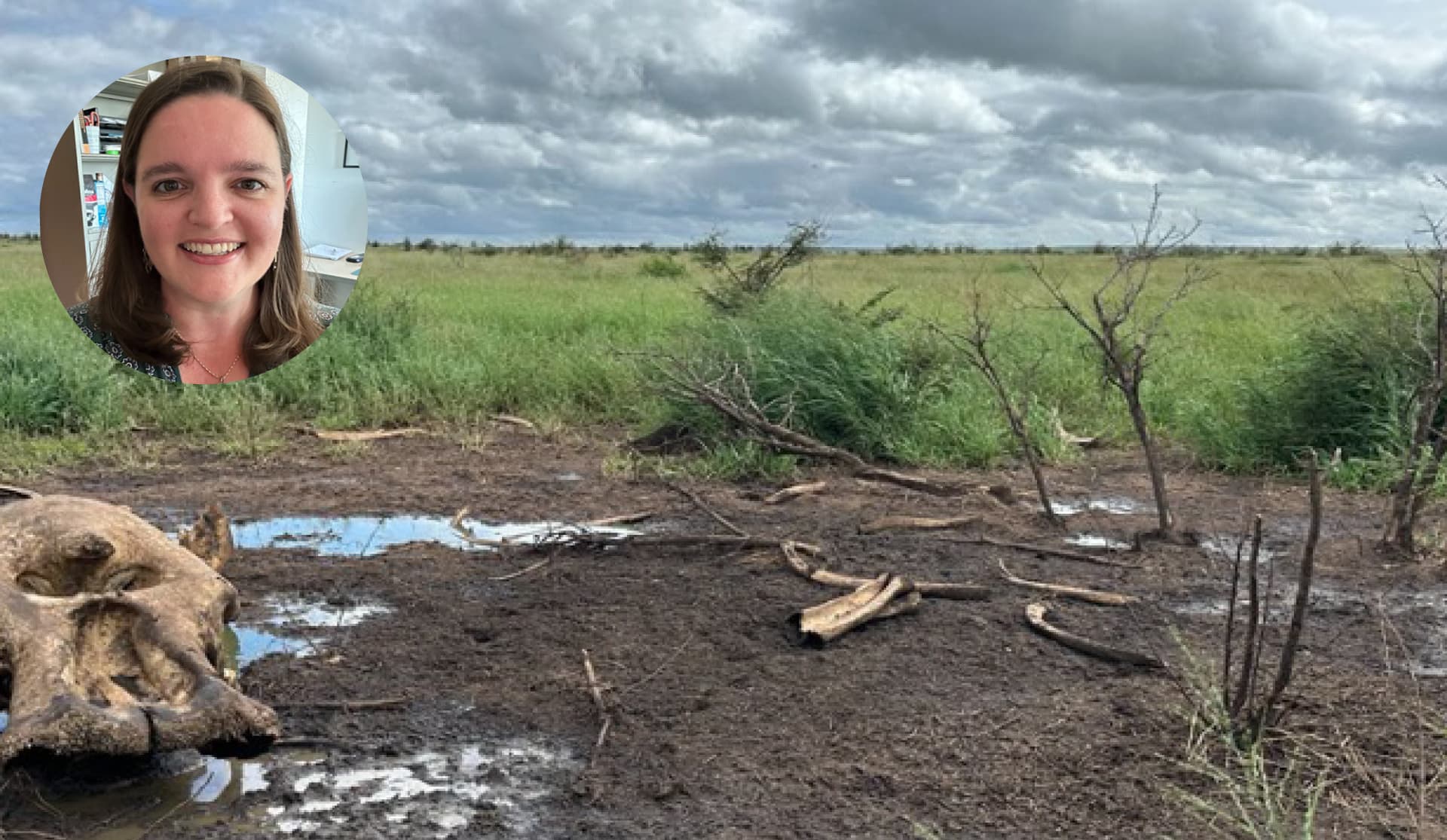
In an era marked by rapidly escalating biodiversity loss and environmental uncertainty, the global conservation community is witnessing a transformative shift toward **integrated, science-driven, and community-centered approaches** to species protection and ecosystem restoration. Building upon the pioneering legacy of the Tsavo lion rescue, recent developments through 2025 and early 2026 demonstrate how **rapid-response rescue operations, Indigenous stewardship, innovative policy frameworks, and long-term ecological monitoring** are converging to reshape extinction risk trajectories worldwide.
---
### Scaling Rapid-Response Conservation: Tsavo’s Model Inspires Global Action
The Tsavo lion rescue continues to stand as a **gold standard for emergency wildlife interventions**, illustrating the power of coordinated, multidisciplinary efforts that combine veterinary expertise, ecological science, and local knowledge. Since the original rescue, this model has been **scaled and refined globally**, incorporating:
- **Expanded rapid-response teams** with wildlife veterinarians, ecologists, and Indigenous and local experts prepared to deploy swiftly during crises affecting apex predators and vulnerable species.
- **Advanced technologies** including GPS tracking, camera traps, acoustic monitoring, and behavioral analytics, which now routinely inform rescue operations, reintegration strategies, and genetic management.
- **Deepened community engagement** that transforms local populations into proactive stewards, reducing human-wildlife conflicts and cultivating shared conservation responsibility.
These enhancements have proven invaluable not only for emergency rescues but also for **anti-poaching operations and ongoing population monitoring**, underscoring that **timely intervention coupled with sustained oversight is vital to reversing extinction risks**.
---
### Indigenous Stewardship: A Cornerstone of Species Recovery and Habitat Restoration
Emerging evidence confirms that **traditional land and species management by Indigenous peoples often outperforms formal national protection regimes**. This recognition has catalyzed a renewed emphasis on empowering Indigenous governance as a centerpiece of conservation success:
- In the **Pacific Northwest**, the Klamath River Tribes’ stewardship of over 10,000 acres of salmon habitat exemplifies this synergy. By blending **traditional ecological knowledge with modern restoration science**, the tribes have spearheaded salmon population recoveries that benefit entire watershed ecosystems.
- The rapid expansion of **Indigenous Protected and Conserved Areas (IPCAs)** across Canada, Central Africa, and beyond further affirms Indigenous leadership in safeguarding biodiversity, climate resilience, and social equity.
- Community-led landscape restoration efforts in **Tanzania** and the **purchase of Espíritu Santo Island in Mexico** highlight grassroots empowerment models where local agency, cultural values, and scientific guidance coalesce to regenerate habitats and foster coexistence with wildlife.
As one community member from Espíritu Santo reflected,
> “I never imagined we could buy an island,”
illustrating how such local ownership transforms conservation from external imposition into **a lived, self-determined stewardship**.
---
### Recent Species Recovery Highlights: Connectivity, Collaboration, and Hope
Across continents, inspiring stories of species resurgence illustrate the tangible outcomes of integrated conservation:
- The **return of Chinook salmon to Stuart Creek, California**, following years of habitat restoration and water quality improvements by the Sonoma Land Trust, underscores the power of **targeted watershed management**.
- In **Northeast China**, the sighting of a wild Amur tigress nursing five cubs—the largest litter in decades—signals success from **Sino-Russian cooperation, anti-poaching enforcement, and enhanced habitat connectivity**.
- The **rediscovery of elusive wild cats in Thailand** after nearly 30 years, facilitated by remote sensing and local community involvement, opens new frontiers for carnivore conservation in Southeast Asia.
- The confirmed presence of a **fifth male jaguar in Arizona** reflects effective **transboundary wildlife corridors linking the U.S. and Mexico**, enabling apex predators to reclaim historic ranges.
- Multinational agreements among Indian Ocean and Southeast Asian nations to protect **migratory whale sharks** through harmonized fishing restrictions and ecotourism protocols demonstrate the value of diplomatic collaboration in marine conservation.
- The **successful reintroduction of Sahara antelopes** into the desert five years ago, monitored with rigorous ecological assessment, showcases how **long-term monitoring is essential to adaptive management and ensuring population viability**.
Together, these successes reinforce that **connectivity—both ecological and political—is critical for species recovery**.
---
### Policy Innovations and Financial Mechanisms: Strengthening Conservation Foundations
Policy and governance advancements have provided crucial support to on-the-ground efforts:
- Inspired by Tsavo’s rapid-response success, **international donors and governments have committed increased funding** to establish and equip emergency wildlife response teams worldwide, ensuring humane and effective crisis interventions.
- The state of Oregon’s addition of **over 300 species to its vulnerable species list** enhances prioritization and resource allocation for conservation.
- As the **Endangered Species Act (ESA)** marks its 52nd year, advocates intensify efforts to counter regulatory rollbacks, emphasizing the ESA’s foundational role in species protections.
- The **Rights of Nature movement** gains legal traction, with ecosystems recognized as legal persons in parts of the Caribbean and the U.S., offering innovative frameworks that complement Indigenous governance and traditional conservation laws.
- Several U.S. states have enacted **exotic snake trade bans** to prevent invasive species introductions threatening native biodiversity.
- **Blended finance models** and **corporate-NGO partnerships**—such as the collaboration between Cargill and the National Fish and Wildlife Foundation in Colorado—demonstrate how private-sector investment, scientific monitoring, and landowner incentives can drive landscape-scale restoration.
- However, challenges persist. In **Latin America**, organized crime and extractive industries increasingly undermine conservation enforcement, highlighting the urgent need for integrated governance and security strategies.
---
### Escalating Threats: Enforcement, Conflict Mitigation, and Climate Resilience
Conservation gains unfold amid intensifying threats demanding urgent and multifaceted responses:
- **Poaching crackdowns in the Congo**, with high-profile raids on illegal camps documented by *Carter’s WAR*, illustrate ongoing battles to dismantle trafficking networks threatening iconic species.
- In **Kerala, India**, the Ministry of Environment has identified 30 human-wildlife conflict hotspots, with Wayanad district most affected. Retaliatory killings emphasize the necessity of integrated land-use planning, conflict mitigation, and sustainable livelihood programs.
- Persistent **deforestation and habitat fragmentation** from the Amazon Basin to Sri Lanka continue to erode biodiversity and exacerbate conflicts.
- Increasing **climate extremes**—including heatwaves, droughts, and erratic rainfall—disrupt breeding cycles and ecosystem stability, with recent Amazon fires and prolonged droughts signaling potential ecological tipping points.
- Controversy surrounds plans for **large-scale wildlife releases in Burkina Faso**, where the proposed release of two million pheasants raises ecological concerns about invasive species introduction and ecosystem imbalance, underscoring the need for rigorous risk assessments and adaptive governance.
- Political uncertainty and regulatory instability, particularly regarding the ESA, complicate long-term recovery efforts, emphasizing the importance of **stable, enforceable legal protections**.
---
### Ecosystem Restoration: Science-Driven Approaches for Climate and Biodiversity Resilience
Restoration ecology continues to evolve as a critical tool to counteract environmental degradation and support climate resilience:
- Practical restoration techniques—including **phytoremediation and pollutant filtering—are being deployed to rehabilitate degraded habitats**, offering scalable solutions for ecosystem recovery.
- Forest ecosystems remain pivotal as **climate stabilizers**, regulating carbon cycles while providing essential habitats for countless species.
- The integration of **restoration science with community governance and long-term monitoring** offers a promising pathway to mitigate threats and ensure durable biodiversity gains amid shifting environmental conditions.
---
### Synthesis: Toward Holistic, Inclusive Conservation Strategies
The cumulative lessons from Tsavo’s rescue and recent global developments affirm that **reducing extinction risk requires holistic, multifaceted strategies** that combine:
- **Rapid-response expertise** to manage acute threats and emergencies.
- **Long-term ecological monitoring** to track health, behavior, and population trends.
- **Technological innovation** for rediscovery, threat detection, and adaptive management.
- **Robust policy and legal frameworks** ensuring enforceable protections and resource prioritization.
- **Empowered community and Indigenous stewardship** guaranteeing culturally appropriate, equitable, and resilient conservation.
Scaling these interconnected approaches is imperative to confront mounting threats, adapt to climate change, and secure the future of Earth’s biodiversity.
---
### Conclusion: Renewing Global Commitment Through Collaboration and Compassion
From the **lifesaving Tsavo lion rescue** to the **return of Chinook salmon in Stuart Creek**, the **thriving Amur tigress cubs**, the **rediscovery of wild cats in Thailand**, the **empowered Klamath tribes’ stewardship**, the **successful Sahara antelope reintroduction**, and **community-driven restoration across Tanzania and Mexico**, these narratives embody a conservation ethos rooted in **hope, science, inclusivity, and respect for nature**.
Yet, escalating ecological threats and political uncertainties demand **renewed urgency, humility, and collaboration**. Conservationists, policymakers, communities, and funders must accelerate scaling and replication of integrated models that weave rapid intervention, rigorous monitoring, sound policy, and inclusive stewardship.
Only through such concerted, multifaceted efforts can iconic species not only survive but thrive—safeguarding biodiversity’s vital roles in climate resilience, food security, and cultural heritage for generations to come.