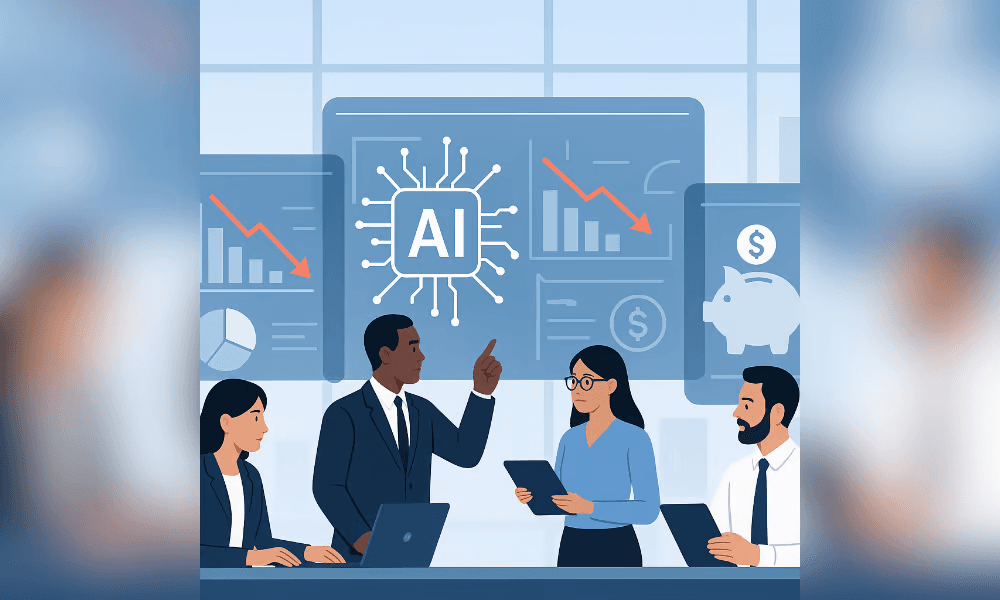
As artificial intelligence (AI) cements its transformative role in the workplace, **2026 marks a pivotal inflection point** for embedding **people-first governance, ethics, and safety** into AI’s operational ecosystem. Building on landmark regulatory strides and evolving governance frameworks, this year underscores a global shift toward **embedding transparency, accountability, and human dignity** as non-negotiable pillars of AI deployment at work.
---
### Strengthening the Regulatory Backbone: Accountability and Worker Protections Deepen
The regulatory environment in 2026 reflects a maturation of AI oversight, moving well beyond baseline compliance toward **enterprise-wide accountability and explicit worker safeguards**:
- **Italy’s AI Workplace Law: Continued Global Benchmark**
Italy’s 2025 statute remains a **gold standard**, widely cited for its requirement that AI-driven HR decisions come with **plain-language explanations** and enforceable **contestability rights**. Its institutionalization of **human-in-the-loop override mechanisms** cements the notion that AI governance is a **core corporate responsibility**—not an afterthought—in protecting worker rights amid digital transformation.
- **U.S. EEOC Advances Contestability and Transparency**
The Equal Employment Opportunity Commission (EEOC) has gone further by mandating that employers disclose the **algorithmic decision-making criteria** underpinning AI tools used in recruitment, promotion, compensation, and diversity initiatives. This introduces **legal enforceability to challenge AI outputs**, signaling a decisive retreat from opaque “black-box” systems toward **meaningful human oversight**.
- **European Union Harmonizes Pay Transparency and AI Restrictions**
The EU’s tightened wage transparency directive requires employers to provide granular pay data that exposes disparities. AI tools influencing pay decisions must now rely solely on **objective, performance-based data**, explicitly excluding subjective or proxy factors that could perpetuate bias. While this harmonization enhances cross-border worker protections, it raises compliance complexity, especially for multinational employers navigating diverse legal regimes.
- **Anticipating Enterprise-Wide AI Governance Mandates**
Emerging regulations are increasingly focused on requiring companies to implement **integrated AI governance frameworks**—spanning HR, legal, ethics, and technology functions—as part of their standard risk management practices. This signals a paradigm shift from siloed or reactive AI oversight to **continuous, proactive governance embedded across organizational layers**.
---
### Governance Innovation: Cross-Functional Leadership and Trust as Strategic Imperatives
In direct response to regulatory pressures and heightened ethical expectations, organizations are evolving governance models that prioritize **collaboration, transparency, and shared accountability**:
- **CHRO–CTO–CIO Triads Become Governance Norms**
The longstanding divide between HR and technology leadership is dissolving. Leading enterprises are institutionalizing **tripartite alliances between Chief Human Resources Officers, Chief Technology Officers, and Chief Information Officers**, strategically balancing technological expertise with human-centered values. These triads operationalize **human-in-the-loop override capabilities**, empowering HR leaders with real-time authority to intervene when AI outcomes threaten fairness, inclusion, or psychological safety. As one governance expert succinctly put it, *“The CHRO–CIO divide is a luxury we can no longer afford.”*
- **Emergence of Trust- and Ethics-Centered C-Suite Roles**
The Chief AI Officer role has evolved beyond technical stewardship to become a **cultural change agent**, embedding ethics, transparency, and accountability into AI strategy at the highest level. Complementing this, the rise of the **Chief Trust Officer** role reflects growing recognition that trust is a **strategic asset**—critical for maintaining employee, customer, and regulator confidence amid complex AI ecosystems and skepticism.
- **SAFE-AI Framework Institutionalization in HR Certifications**
The Human Resource Certification Institute (HRCI) now integrates the **Safety, Accountability, Fairness, and Empathy (SAFE-AI)** framework into its certification programs. This evolution moves AI governance from static compliance checklists toward **ongoing ethical leadership and bias mitigation**, equipping HR professionals to navigate dynamic regulatory and societal demands effectively.
- **Rise of Participatory Governance and Employee Co-Creation**
To combat algorithmic bias and “AI washing,” organizations increasingly embrace **participatory governance models** incorporating employee input, union representation, and external watchdogs. This democratization fosters transparency, trust, and cultural alignment, reducing reputational and legal risks while enhancing AI legitimacy.
- **Embedding AI Governance into Leadership Routines**
Thought leaders advocate for routinizing AI governance as a **core leadership discipline**, enabling agility and responsiveness to rapid technological, regulatory, and cultural shifts. Former Telstra CEO Andy Penn highlights in his 2026 leadership guide *“Transformation in Turbulent Times”* that **transparency and collective accountability** are foundational pillars for sustaining momentum in AI-driven transformation.
---
### People-Centered Risks and Ethical Resilience: Navigating AI’s Human Dimensions
Despite AI’s productivity and strategic benefits, its workplace integration amplifies complex human risks demanding **people-first management and ethical mindfulness**:
- **Psychological Safety and Mental Health Under Strain**
AI systems lacking empathetic design risk eroding **psychological safety**, a linchpin of employee well-being and engagement. Wellness experts caution that AI must **complement—not replace—human interpersonal support**, ensuring mental health remains a central organizational priority.
- **Frontline Digital Divide and Inclusion Gaps**
Nearly **90% of frontline workers still lack meaningful AI access**, limiting their participation in recognition, advancement, and safety enhancements. In response, organizations are deploying **mobile-first, user-friendly AI platforms** tailored to frontline workflows, expanding inclusion, equity, and operational safety.
- **Surge in Accommodation Requests Signals Growing Awareness**
A 56% increase in accommodation requests—driven largely by mental health disclosures and disability advocacy—necessitates AI systems built with **flexibility, sensitivity, and compliance** to evolving accommodation laws and ethical standards.
- **Leadership Capacity Erosion and “Cognitive Surrender” Risks**
Leaders face what experts term “capacity erosion” amid AI’s ethical complexity and operational pressures. The phenomenon of **“cognitive surrender”**—an overreliance on AI that diminishes human judgment—is increasingly recognized as a leadership hazard. Consequently, leadership development now prioritizes **critical thinking, adaptability, and ethical resilience** to navigate AI’s challenges effectively.
- **Addressing Change Fatigue with Resilient, Engaged Teams**
Change fatigue is acknowledged as a natural reaction to rapid transformation. Effective mitigation strategies include **transparent communication, participatory decision-making, and incremental implementation pacing**, essential for sustaining workforce engagement throughout AI-driven change.
---
### Practical AI Governance in Action: Operationalizing People-First Principles
Leading organizations translate governance ideals into concrete, actionable practices that blend technology with **human judgment, cultural sensitivity, and practical oversight**:
- **Human-in-the-Loop Override Mechanisms**
Empowering HR and frontline leaders with **real-time override authority** ensures AI decisions are subject to review and correction, safeguarding fairness and ethical standards.
- **Continuous Bias Audits and Safety Monitoring**
Dynamic monitoring systems detect emergent biases and safety risks in AI outputs, reinforcing governance robustness and regulatory compliance.
- **Transparent Candidate Protections Amid AI-Driven Hiring**
With AI reshaping recruitment—favoring structured data over subjective cover letters—organizations maintain **transparent AI systems and candidate protections** to prevent bias and ensure equitable employment opportunities.
- **Mobile-First AI Tools Tailored for Frontline Workers**
Deploying **intuitive, mobile-optimized AI solutions** tailored to frontline realities democratizes access and enhances operational safety.
- **Leadership Development Focused on Ethical Judgment**
Organizations increasingly prioritize hiring and developing leaders who demonstrate **critical thinking, intellectual curiosity, and ethical discernment**, vital for challenging AI outputs and upholding fairness.
---
### Insights from 2026 HR Tech and Leadership Trends
Recent analyses and industry thought pieces further illuminate the shifts shaping AI governance and workplace ethics:
- **“Keeping One Step Ahead of AI in 2026”** (Josh Bersin, HR Executive, Feb 2026)
Highlights how HR is transitioning from AI copilots toward **superagent** capabilities, blending automation with strategic human judgment. Bersin underscores that **ethical governance, transparency, and trust** are fundamental enablers of this shift.
- **“The Download: HR Technology Trends, February 2026”**
This roundup emphasizes accelerating adoption of AI governance tools that prioritize **bias mitigation, transparency, and employee participation**, reflecting a broader commitment to embedding ethics into HR technology stacks.
- **HR Leaders’ Evolving Roles and Skills**
Career coach Ciara Spillane notes that 2026 sees a **skills-based talent management revolution** alongside growing demands for leaders fluent in AI ethics and governance—critical for balancing technology with human values.
- **Mercer’s AI-Enabled Benefits Data Analysis**
Mercer reports how AI-driven insights personalize employee benefits, reinforcing AI’s role as an enabler of **human-centric workplace strategies** rather than a mere cost-saving tool.
- **Global CHRO Turnover Reflects Governance Pressures**
A 2025 surge in Chief Human Resources Officer turnover signals mounting pressure to align AI governance with organizational missions, underscoring the urgency of embedding **AI ethics and transparency within HR leadership mandates**.
- **Mastercard’s AI-Enhanced Performance Reviews**
Mastercard’s case study demonstrates how AI, paired with robust governance and human oversight, can **reduce bias, increase transparency, and foster employee trust** in performance management.
---
### Conclusion: Toward Trustworthy, Human-Centered AI Workplaces
The trajectory of AI governance in 2026 is defined by an unprecedented convergence of **regulatory rigor, governance innovation, and ethical leadership**. Milestones like Italy’s AI workplace law, the institutionalization of the SAFE-AI framework, and the rise of trust-focused C-suite roles offer replicable blueprints for embedding **transparency, human dignity, and accountability** into AI’s organizational DNA.
Cross-functional executive partnerships, participatory governance, and routinized leadership disciplines position **human judgment and collective responsibility as indispensable pillars** in the AI era. Organizations embracing this people-first ethos—investing in inclusive governance, mental health support, and leadership resilience—are best positioned to unlock AI’s promise responsibly.
In this pivotal era, AI must **amplify—not compromise—human dignity, empathy, and well-being**, forging a sustainable, equitable future for AI-augmented workplaces. The journey toward trustworthy AI demands **transparency, ethical vigilance, and leaders keenly attuned to the balance of technology, people, and culture**.
---
**References for Further Exploration:**
- *AI Governance in HR: From Tools to Workforce Strategy - HRCI*
- *The CTO-CHRO Alliance: Where Human Trust Meets Algorithmic Transparency*
- *The Rise of the Chief Trust Officer: A Game Changing New C-Suite Role*
- *How the Salesforce Fallout Highlights HR's Next C-Suite Challenge*
- *Routinizing Change: How to Make Continuous Transformation a Leadership Discipline*
- *Close Your Workforce’s AI Skills Gap by Designing an Adaptive Organization*
- *The Human Risks of AI Overuse in the Workplace | Thomson Reuters*
- *Employment Law This Week- What Do Federal DEI Crackdowns Mean for Employers?*
- *AI News: Italy Sets the Rules for AI in the Workplace | HUB - K&L Gates*
- *Change Fatigue Struggles: 4 Ways to Build Change-Ready, Resilient Teams*
- *HR Trends 2026: AI, Skills, & Evolving Leadership | Expert Q&A*
- *Unlocking the Power of Benefits Data and AI*
- *Global CHRO Turnover Up in 2025 Amid Need for Organisational Alignment | Human Resources Director*
- *How AI Fixed Performance Reviews (Mastercard Case)*
- *Keeping One Step Ahead of AI in 2026* (Josh Bersin, HR Executive, Feb 2026)
- *The Download: HR Technology Trends, February 2026*
---
This comprehensive synthesis of 2026’s regulatory, governance, and ethical developments charts a clear course: **people-first AI governance is no longer optional but imperative** for building workplaces where technology and humanity thrive together.