3h ago
LLMs Scaling Formal Verification: Limits and Implications
Can LLMs turn high-level specs into genuinely verifiable systems at scale—and what does that reveal?
- Proof generation works but hits a complexity...

Created by Redia Allred
Peer‑reviewed papers, pre‑prints, and technical blogs on cutting‑edge deep learning and foundation model research
Explore the latest content tracked by Deep Learning Breakthroughs
Can LLMs turn high-level specs into genuinely verifiable systems at scale—and what does that reveal?
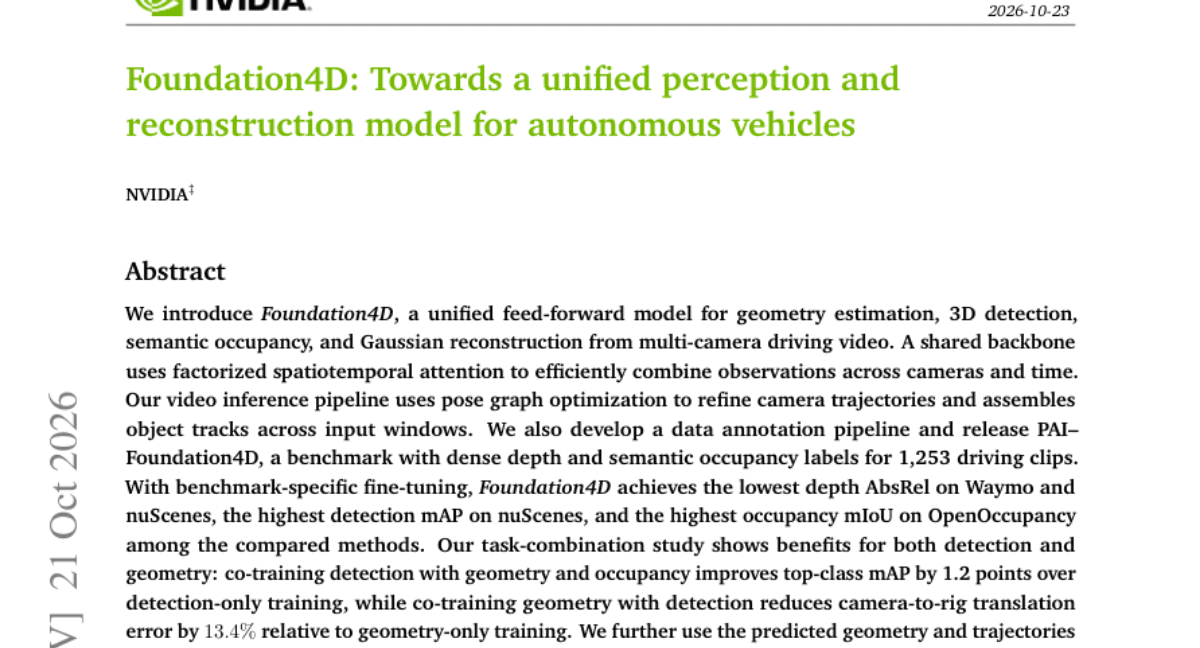
Foundation4D's co-training of geometry, detection, and occupancy delivers measurable gains: +1.2 mAP for detection and -13.4% translation error for...
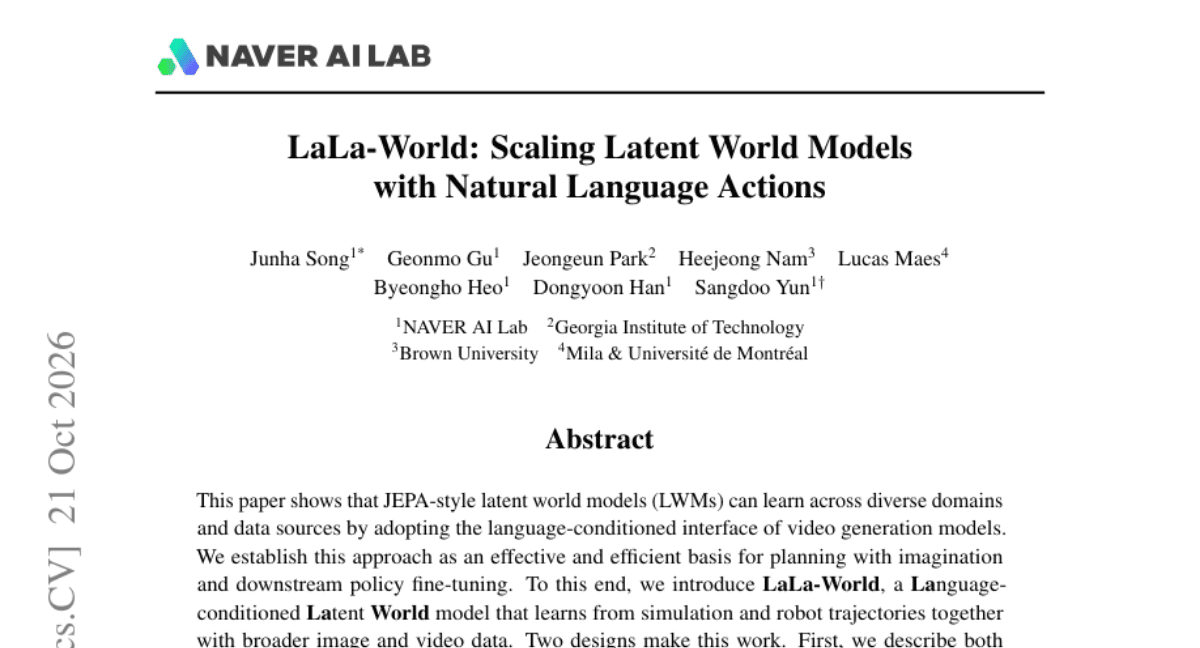
LaLa-World shows JEPA-style latent world models can train across simulation, robot trajectories, images, and video by describing actions and changes...
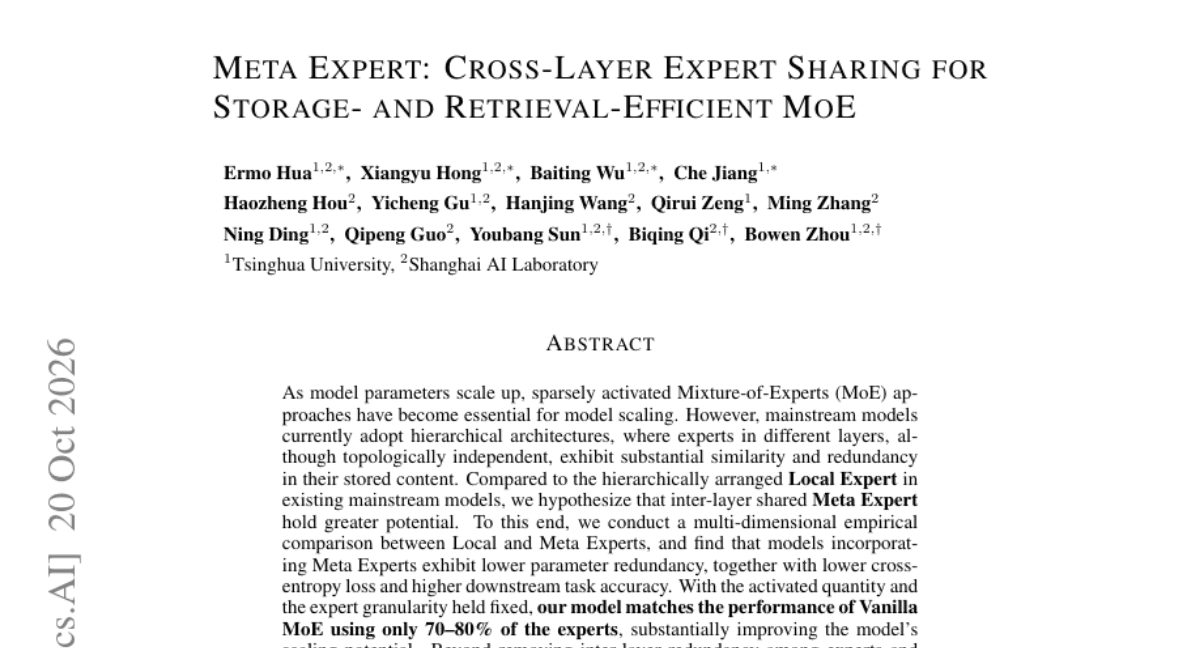
Meta Experts shared across layers match Vanilla MoE performance using just 70-80% of experts while lowering parameter redundancy and cross-entropy...
StreamEval introduces a dedicated benchmark for five interactive streaming video tasks, underscoring the need to evaluate real-time, user-driven generation rather than offline-only approaches.
Texas A&M researchers secured a $2 million grant to build the Aggie AI Foundry—an autonomous lab combining AI and robotics for rapid metal alloy...
Reviewer diversity reduces defects mainly by asking each agent a different question, not by using a stronger or separate model. CodeX-Verify data...
Guideline-grounded LLMs are positioned for automated extraction in genome-informed clinical contexts, though their performance in these settings remains incompletely characterized.
NVIDIA's Kumo family introduces open-weight foundation models specialized for structured enterprise data—tabular, relational, time series, and...
A correct answer on reasoning tasks does not prove the compressed context retained the necessary evidence. KEEP-Bench directly tests for this gap, exposing unfaithful compressions that traditional QA evaluations miss.
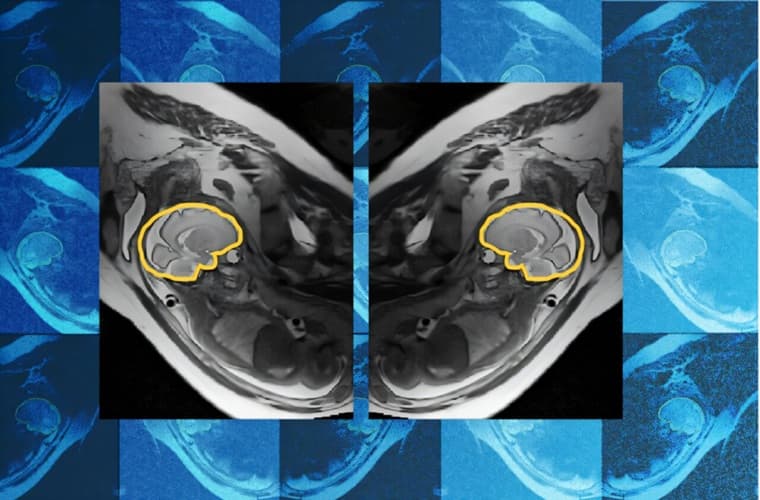
The E(3)-Pose deep learning model embeds fetal head symmetry into its architecture to improve 2D slice alignment for 3D reconstruction despite...
Bo Zhao maps symmetries in neural networks to organize parameter redundancies, creating a mathematical framework that improves optimization, merging,...
Combining structured and unstructured EHR data via LLMs delivers an average 6.4% performance boost in clinical predictive models. Three fusion...
ToM2Vec encodes multiple hypotheses about other agents' beliefs into continuous thought vectors, enabling better coordination without discrete hypothesis tracking. This approach improves results across 5 multi-agent tasks.
Tsinghua and CUHK's AKV replaces text truncation with direct KV-cache manipulation on GPU, using drop and repos primitives plus adaptive policies to...
MAESTRO pairs large language models that map cancer pathways from literature with 3D tumor cluster tests to prioritize drug combinations for experiments, identifying berberine as a strong partner for enzalutamide in resistant prostate cancer models.
Paper2Agent converts papers with code and data into AI tool sets that run analyses more accurately and over twice as fast as working from the original...
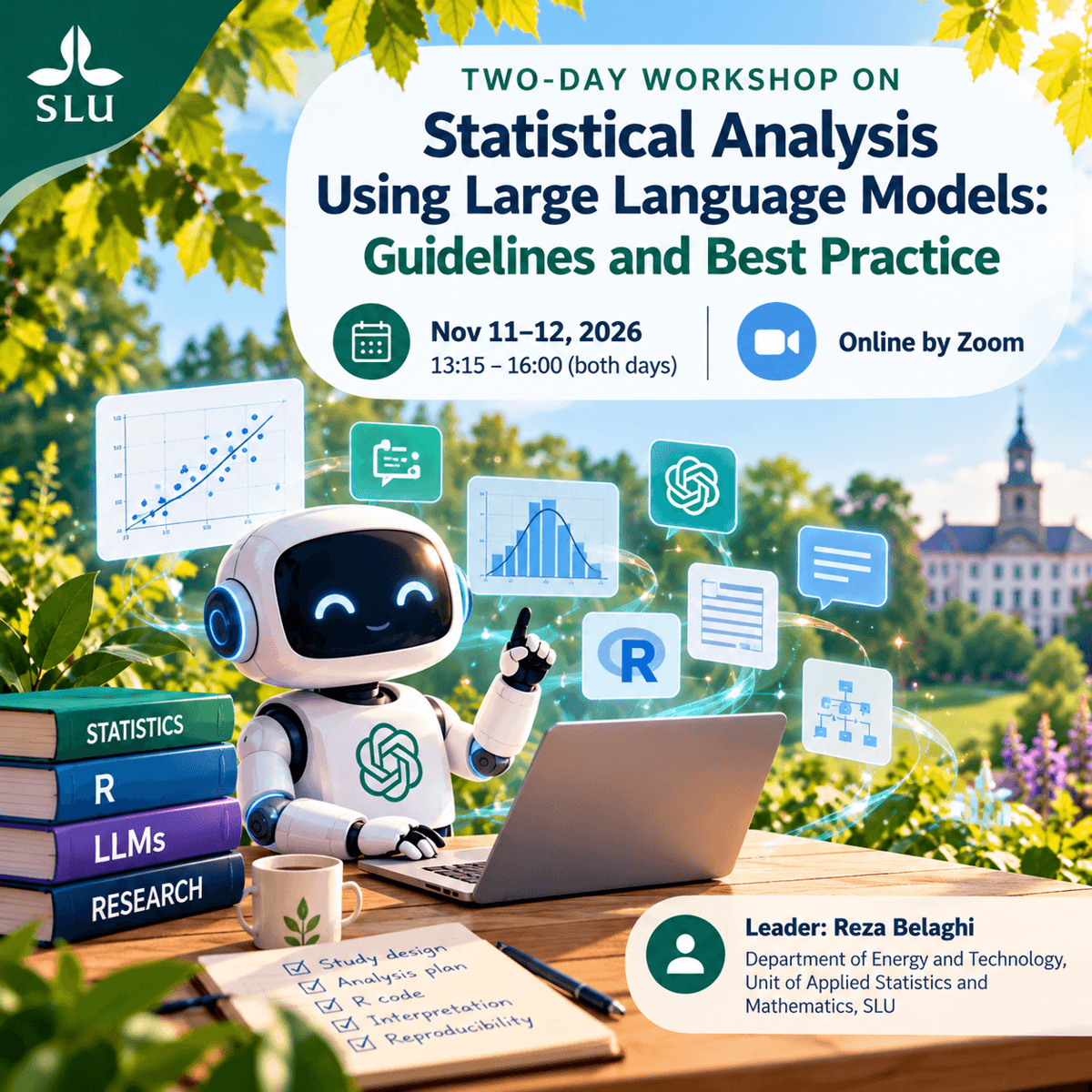
LLMs can aid statistical workflows by explaining methods, generating R code, and interpreting results, yet they risk incorrect recommendations and...
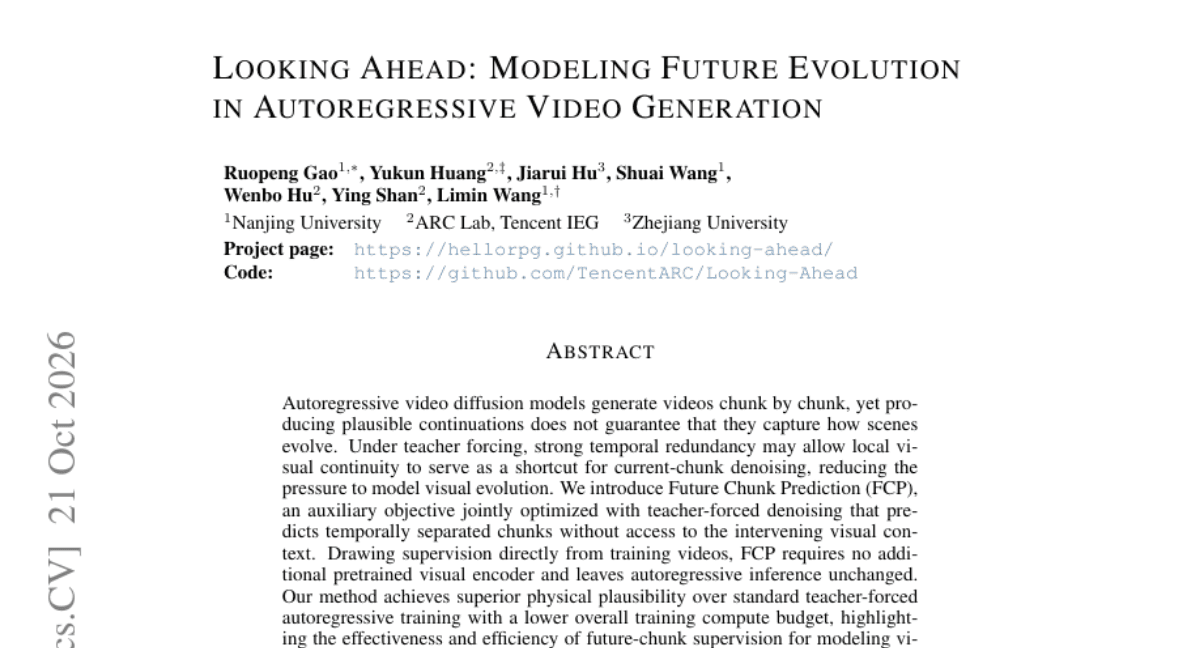
Autoregressive video diffusion models can produce locally coherent chunks via teacher forcing without truly learning how scenes evolve over time, as...
AI is scaling biological design, yet task complexity creates sharply different hurdles.