In 2026, enterprises are fundamentally transforming how they build, buy, and deploy AI agent platforms at scale, moving beyond pilot projects to establish mission-critical autonomous systems that drive core business functions. This evolution is fueled by advancements in platform architectures, strategic acquisitions, and organizational practices that prioritize scalability, safety, and trustworthiness.
### Building and Deploying AI Agent Platforms
At the heart of this shift are **layered architecture frameworks** and **orchestration tools** that enable reliable and secure deployment of AI agents. Enterprises now commonly adopt **8-layer solution architectures**—covering data ingestion, model training, deployment, monitoring, governance, and failure handling—that address dependencies, behavioral oversight, and robustness. These **multi-layered systems** are designed to mitigate risks such as hallucinations, manipulation, or dependency vulnerabilities, ensuring AI agents operate safely in production environments.
**SDKs and tooling** have become central to this ecosystem. For example, the **Strands Agents SDK** facilitates the creation of **modular, reusable autonomous agents** capable of executing complex workflows like coding, research, and multi-agent collaboration. Google's recent addition of **agent steps to Opal** exemplifies how low-code orchestration platforms are evolving into **autonomous workflow engines**, where agents can select tools, retain context, and independently execute tasks—significantly accelerating deployment at scale.
Emerging **multi-agent systems**, like **Anthropic’s Opus**, support **distributed reasoning** and **self-correction mechanisms**. These systems leverage reinforcement learning and meta-prompting to enhance **reliability**, reduce hallucinations, and enable agents to operate with greater autonomy and safety.
### From Pilot to Mission-Critical
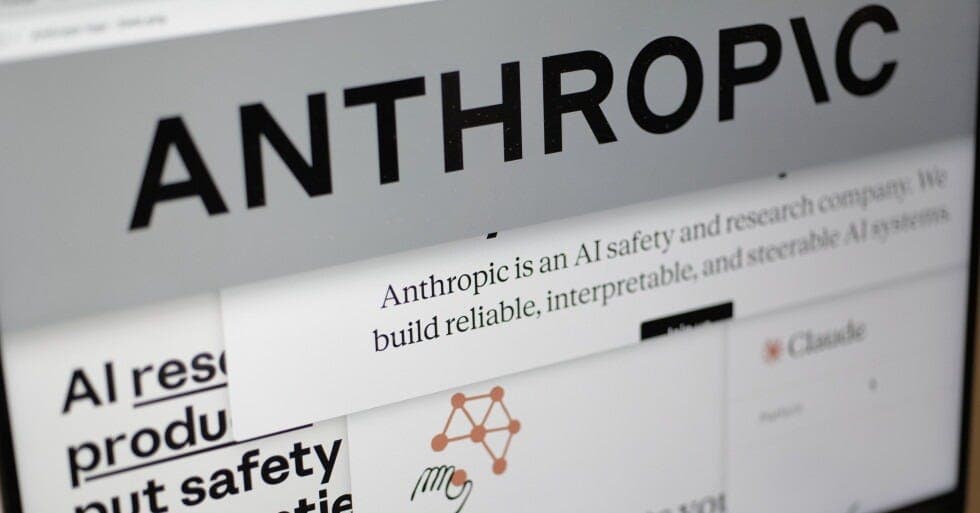
The strategic acquisition of AI capabilities underscores a decisive move toward enterprise-grade autonomous agents. Notably, **Anthropic’s acquisition of Vercept.ai** aims to extend Claude’s ability to automate complex computer tasks, emphasizing **reliability, safety, and context-awareness**—crucial for **high-stakes environments**.
**SDK upgrades** and **orchestration tools** now support **task chaining**, **multi-agent collaboration**, and **self-correction**, facilitating the scaling of autonomous workflows across departments. For instance, **Notion’s custom AI agents** serve as **persistent, team-ready AI teammates**, assisting with routine documentation, project management, and automation within familiar productivity ecosystems, thereby embedding AI deeply into daily workflows.
### Ensuring Observability, Security, and Trust
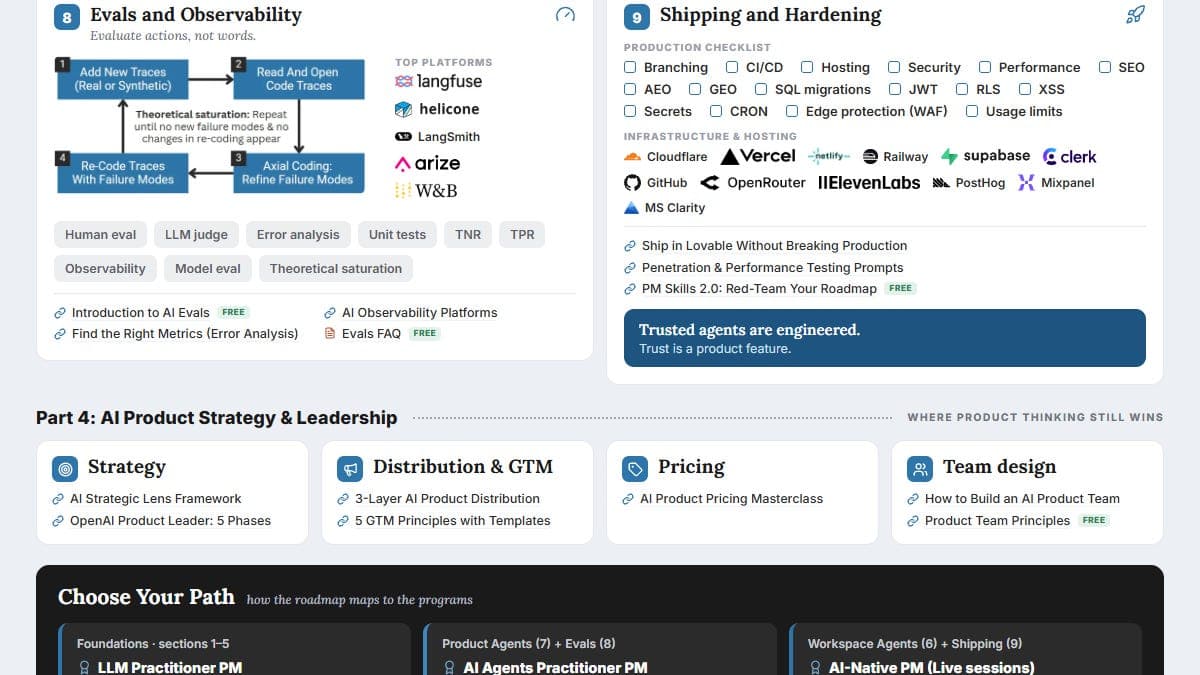
As organizations deploy autonomous agents at scale, **governance, observability, and security** have become foundational pillars. Real-time monitoring solutions like **Agent Arena** provide continuous oversight of **agent behaviors**, decision rationales, and performance metrics, enabling early detection of anomalies and behavioral deviations.
**Security measures** have also advanced, driven by incidents such as **Microsoft’s Copilot privacy breach**. Enterprises now embed **behavioral critique**, **anomaly detection**, and **data exfiltration prevention** within frameworks like **NanoClaw** and **OpenClaw** to safeguard sensitive information and maintain operational integrity.
Furthermore, **explainability and regulatory compliance** are prioritized. Tools such as **Bolt** and integrated version-control systems like **GitHub** facilitate **model transparency**, **traceability**, and **bias mitigation**, aligning enterprise deployments with standards like the **EU’s AI Act**.
### Organizational Practices and Market Dynamics
To effectively scale autonomous AI systems, enterprises are adopting **phased rollouts**, **cross-functional alignment**, and **reskilling initiatives**. These practices help mitigate operational risks, especially in sectors with high regulatory or safety requirements.
Strategic partnerships with cloud providers and consulting giants—such as **OpenAI’s collaborations with McKinsey, BCG, Capgemini**, and cloud platforms like **Google Cloud**, **Azure**, and **AWS**—provide the necessary **scalable infrastructure** and **governance frameworks** to support enterprise needs.
Organizations like **Spotify** exemplify how AI-driven reskilling and fostering a **culture of continuous learning** can accelerate adoption and responsible deployment, ensuring teams are equipped to manage complex autonomous systems effectively.
### Managing Context and Architectural Maturity
A critical insight from industry leaders emphasizes **context management** as a key strategic moat. Building and maintaining **comprehensive enterprise knowledge bases**—through **secure data aggregation** and **knowledge management systems**—protects and differentiates organizations in the competitive landscape.
The **6-core architecture layers** serve as a blueprint for **preventing failures** and establishing **trustworthy, scalable AI solutions**. These frameworks support **robust dependency vetting**, **behavioral oversight**, and **failure mitigation**, forming the backbone of enterprise autonomous systems.
### Future Outlook
The enterprise AI ecosystem in 2026 is characterized by **trustworthy, scalable, and autonomous operations**. As focus shifts toward **explainability**, **security**, and **contextual intelligence**, organizations aim to embed **trust** into their AI agents—ensuring safe operation in high-stakes scenarios while maintaining agility and innovation.
**Key implications** for the future include:
- Continued focus on **model transparency**, **regulatory compliance**, and **public trust**.
- Strengthening **security protocols** like behavioral critique and anomaly detection to prevent breaches.
- Enhancing **context management** as a strategic differentiator.
- Embedding **safety checkpoints** and fostering **cross-team collaboration** for responsible scaling.
By refining architectures, integrating autonomous workflows, and enforcing rigorous governance, enterprises are laying the foundation for an AI-driven future where **trust and performance** are inseparable, enabling innovation that is both powerful and responsible.