# How Enterprises Are Building, Buying, and Scaling AI Agent Platforms in 2026
The landscape of enterprise AI in 2026 is undergoing a seismic shift. Moving beyond isolated pilot projects, organizations are now deploying **mission-critical autonomous systems** that transform core business operations. This evolution is driven by advances in layered architecture frameworks, sophisticated orchestration tools, multi-agent systems, and a strategic emphasis on safety, trust, and governance. Recent market developments, including significant acquisitions and innovative tooling, underscore the momentum toward scalable, reliable, and responsible AI deployment at enterprise scale.
## Building the Foundations: Layered Architectures and Orchestration
At the heart of this transformation are **robust, multi-layered architecture frameworks**. Enterprises now commonly adopt **8-layer solution architectures** that encompass data ingestion, model training, deployment, monitoring, governance, failure handling, and behavioral oversight. These architectures address dependencies, behavioral correctness, and robustness, effectively mitigating risks such as hallucinations, manipulation, or system vulnerabilities. They serve as the backbone for **trustworthy AI operations**, especially in high-stakes sectors like finance, healthcare, and manufacturing.
Complementing these architectures are **advanced SDKs and tooling** that accelerate development and deployment. For example:
- The **Strands Agents SDK** enables the creation of **modular, reusable autonomous agents** capable of complex workflows such as coding, research, and multi-agent collaboration.
- Google's recent enhancement to **Opal** introduces **agent steps**, transforming low-code orchestration platforms into **autonomous workflow engines**. These allow agents to select tools, maintain context, and execute tasks independently, greatly reducing deployment time and operational complexity.
Emerging **multi-agent systems**, such as **Anthropic’s Opus**, support **distributed reasoning** and **self-correction mechanisms**. These systems leverage **reinforcement learning** and **meta-prompting** to improve **reliability**, **hallucination mitigation**, and **safety**, enabling agents to operate with greater autonomy in complex environments.
## From Pilot Projects to Mission-Critical Systems
The strategic acquisitions of AI capabilities signal a decisive industry shift. Notably, **Anthropic’s acquisition of Vercept.ai** aims to enhance Claude’s ability to automate complex computer tasks with a focus on **reliability**, **safety**, and **context-awareness**—elements crucial for deployment in **high-stakes environments**.
Furthermore, **SDK upgrades** and **orchestration enhancements** now support **task chaining**, **multi-agent collaboration**, and **self-correction**, facilitating the scaling of autonomous workflows across departments. Companies like **Notion** are embedding **persistent AI teammates** within their productivity ecosystems, assisting with routine documentation, project management, and automation, thereby **deepening AI integration into daily workflows**.
## Ensuring Observability, Security, and Trust at Scale
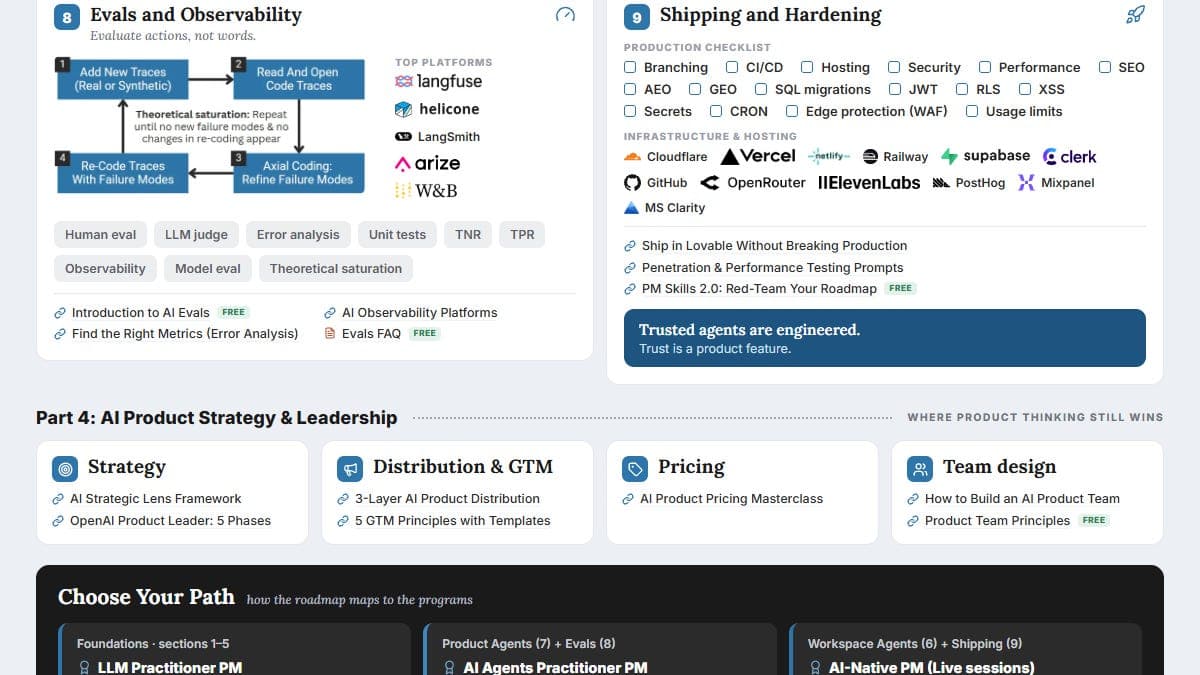
As autonomous agents become central to enterprise operations, **governance, observability, and security** have become foundational. Real-time monitoring solutions such as **Agent Arena** provide continuous oversight of **agent behaviors**, decision rationales, and system performance, enabling early detection of anomalies and behavioral deviations.
In response to incidents like **Microsoft’s Copilot privacy breach**, organizations are embedding **behavioral critique**, **anomaly detection**, and **data exfiltration prevention** within frameworks like **NanoClaw** and **OpenClaw**. These measures help safeguard sensitive information and maintain operational integrity.
**Explainability** and **regulatory compliance** are also prioritized. Tools like **Bolt** and integrated **version-control systems** such as **GitHub** facilitate **model transparency**, **traceability**, and **bias mitigation**—aligning enterprise AI deployments with evolving standards like the **EU’s AI Act**.
## Market Activity, Tooling, and New Ventures
The enterprise AI ecosystem continues to accelerate, marked by strategic acquisitions and innovative startups addressing adoption challenges:
- **Trace**, a startup that recently raised **$3 million**, is focusing on **solving the enterprise AI agent adoption problem**. Their platform aims to streamline integration, operational management, and user onboarding, tackling a critical bottleneck for large-scale deployment.
- Major players like **OpenAI** are collaborating with consulting giants such as **McKinsey**, **BCG**, and **Capgemini**, and cloud providers like **Google Cloud**, **Azure**, and **AWS**. These partnerships provide **scalable infrastructure** and **governance frameworks** necessary to support enterprise needs.
These developments reflect a broader industry consensus: **adoption is not merely about technological capability but also about managing organizational change, trust, and safety**.
## Organizational Practices and Strategic Differentiators
To effectively scale autonomous AI systems, enterprises are adopting **phased rollouts**, **cross-functional collaboration**, and **reskilling initiatives**. These practices help mitigate operational risks and ensure compliance, especially in regulated sectors.
For example, **Spotify** exemplifies how **AI-driven reskilling** and fostering a **culture of continuous learning** accelerate responsible deployment and innovation. By investing in training and establishing clear governance protocols, organizations are creating resilient ecosystems capable of managing complex autonomous workflows.
## The Strategic Importance of Context and Architecture Maturity
Industry leaders emphasize **context management** as a core strategic moat. Building and maintaining **comprehensive enterprise knowledge bases** through **secure data aggregation** and **knowledge management systems** ensures operational continuity and competitive differentiation.
The **6-core architecture layers** serve as a blueprint for **preventing failures** and establishing **trustworthy, scalable AI solutions**. These layers support **dependency vetting**, **behavioral oversight**, and **failure mitigation**, forming the backbone of enterprise autonomous systems.
## Recent Market Movements: Acquisitions and Tooling Innovations
A notable recent development is **Trace’s $3 million funding round**, aimed at addressing **the adoption gap** in enterprise AI agent deployment. Their platform seeks to simplify integration, enhance operational management, and foster wider adoption of autonomous workflows.
Simultaneously, **platform enhancements**—such as **Opal’s agent steps** and the **Strands Agents SDK**—are reducing technical barriers, making autonomous agents more accessible and manageable at scale. These innovations are crucial as enterprises seek to embed AI more deeply into their operational fabric.
## Looking Ahead: Trust, Security, and Context as Pillars of Future AI Operations
The enterprise AI ecosystem in 2026 is characterized by **trustworthy, scalable, and autonomous operations**. Moving forward, organizations will prioritize:
- **Model transparency and regulatory compliance** to maintain public trust.
- **Enhanced security protocols**, including **behavioral critique** and **anomaly detection**, to prevent breaches.
- **Advanced context management** to ensure AI agents operate with relevant, high-quality information.
By refining architectures, fostering cross-team collaboration, and integrating safety checkpoints, enterprises are laying the groundwork for an AI-driven future where **trust and performance** are inseparable. This approach ensures that the power of autonomous AI systems is harnessed responsibly, enabling innovation that is both transformative and secure.
---
**In summary**, 2026 marks a pivotal moment where enterprise AI is no longer experimental but a critical operational backbone. Through strategic acquisitions, technological innovations, and organizational practices, organizations are building resilient, trustworthy, and scalable autonomous systems—paving the way for a future where AI agents are integral to every facet of business.