# Escalating Conflict Reshapes Middle East Power, Law, and Markets: A Turning Point in 2026
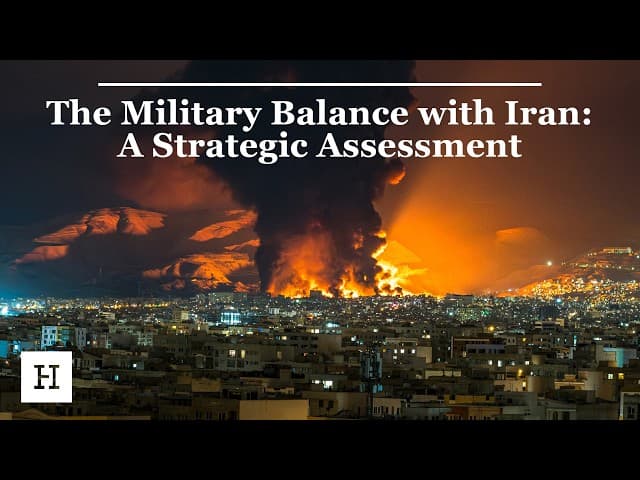
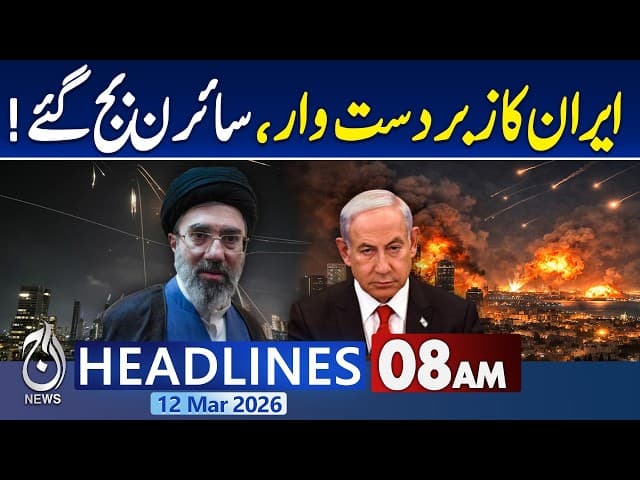
The Middle East stands at a perilous crossroads in 2026 as the long-simmering tensions between Israel, Iran, and regional and global powers have erupted into an all-out, multi-domain war. What was once a shadowy arena of proxy battles, covert operations, and diplomatic maneuvering has now transformed into an intense, multi-front confrontation that includes conventional military strikes, cyber warfare, maritime crises, and diplomatic upheaval. The repercussions of this escalation are reverberating far beyond regional borders, threatening global stability, markets, and the rule of international law.
## From Proxy Clashes to a Multi-Domain War
Recent weeks have marked a dramatic escalation across multiple fronts, signaling a profound shift in the nature of Middle Eastern conflict:
### Military and Strategic Movements
- **Targeted Strikes on Iran’s Nuclear Infrastructure:**
The United States and Israel have intensified their military campaigns, executing precision strikes on Iran’s nuclear facilities—including critical centrifuge plants and underground enrichment sites. Israeli Prime Minister Benjamin Netanyahu has issued stark warnings, asserting that Iran’s nuclear ambitions and regional provocations compel further escalation if Iran does not cease its activities. These strikes aim to cripple Iran’s nuclear capabilities but risk provoking full retaliation.
- **Iran’s Retaliation and Regional Spillover:**
Iran has responded with missile attacks targeting Iraqi and Syrian territories, including an unprecedented breach into Turkish and NATO airspace by a ballistic missile—an act that has alarmed regional and international actors. Turkey, NATO, and neighboring countries swiftly intercepted the breach, but it signals how the conflict’s scope is widening beyond traditional boundaries, raising fears of a broader regional or even global confrontation.
- **Cyberattacks and Maritime Tensions:**
Iran has stepped up cyber operations targeting critical infrastructure, including banking systems, communication networks, and energy grids—adding a digital dimension to the conflict. Meanwhile, maritime tensions have surged as Iran has threatened to close the Strait of Hormuz, a vital chokepoint responsible for approximately 20% of global oil shipments. Recent attacks on oil tankers and facilities have heightened fears of a blockade, which could drastically disrupt global energy supplies.
### Critical Incidents Marking Escalation
- **NATO Interception of Iranian Missile in Turkish Airspace:**
A pivotal event involved NATO forces shooting down an Iranian ballistic missile after it entered Turkish airspace. This incident underscores how the conflict is no longer confined to the Middle East but involves NATO’s collective defense, significantly raising the stakes and the risk of wider international escalation.
- **Drone Attacks Near Dubai and Strikes on Tel Aviv:**
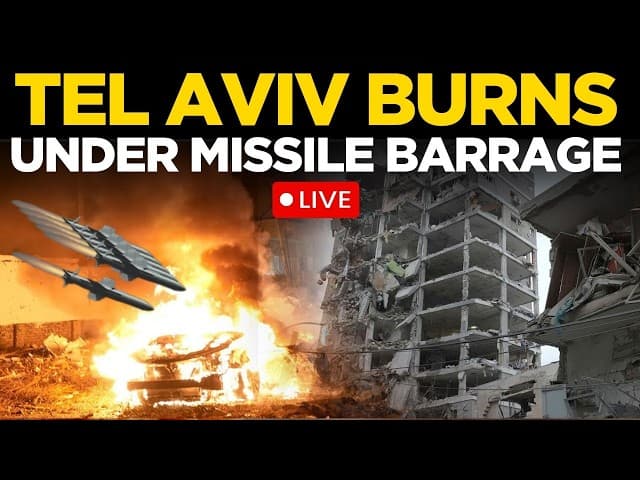
Multiple UAVs crashed near Dubai International Airport, injuring four civilians and demonstrating Iran’s expanding use of unmanned aerial vehicles against vital commercial infrastructure. Concurrently, Tel Aviv’s Ben Gurion Airport was targeted in an aggressive attack, with the Iron Dome system failing to intercept all incoming projectiles. These strikes on civilian infrastructure mark a dangerous escalation and challenge existing regional security frameworks.
## Strategic and Tactical Shifts
The escalation has prompted a flurry of responses from regional and global actors:
- **Military Reinforcements:**
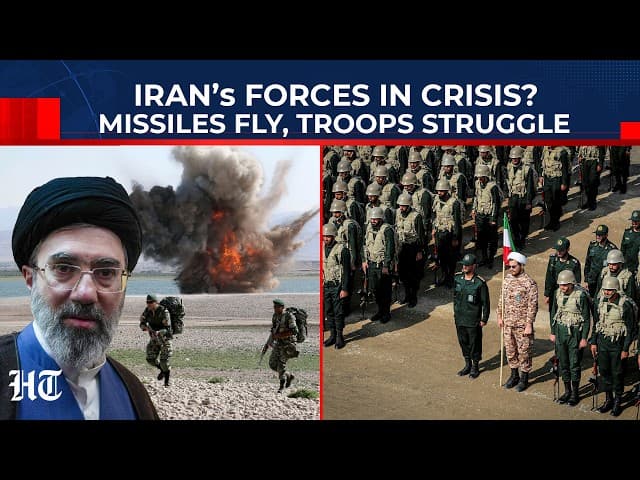
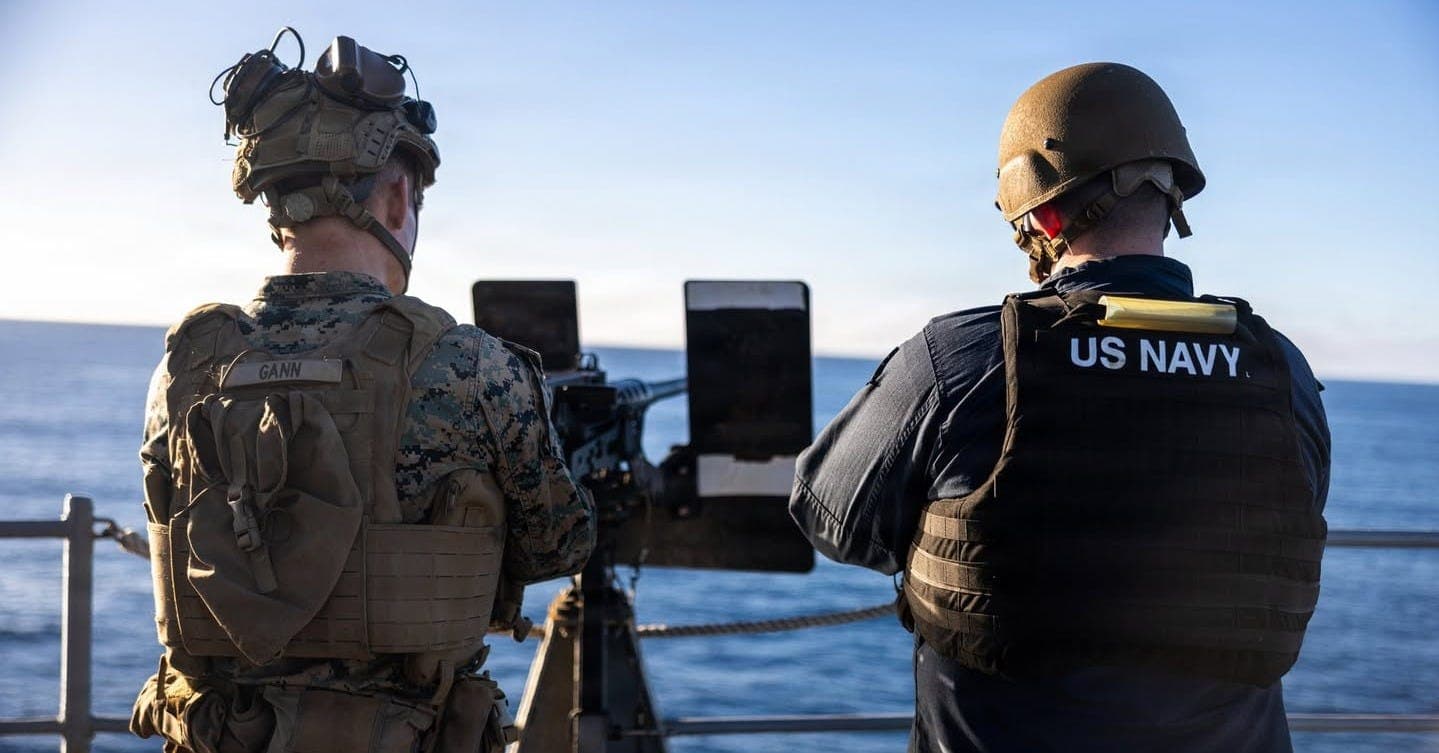
The U.S. has bolstered naval and air deployments in the Persian Gulf, aiming to deter further Iranian aggression and safeguard vital shipping lanes. Intelligence suggests Iran remains resilient despite ongoing strikes, raising concerns about a prolonged conflict.
- **Iran’s Asymmetric and Digital Strategies:**
Iran continues to employ missile exchanges, cyberattacks, and proxy operations designed to stretch enemy response capabilities and exert diplomatic pressure. These asymmetric tactics complicate traditional military responses and deepen regional instability.
- **International Military and Diplomatic Responses:**
NATO has deployed missile defense systems and naval assets to the region, signaling its commitment to regional security. Gulf Cooperation Council (GCC) nations are coordinating with Western allies, emphasizing the importance of deterring further escalation while managing their own security concerns in this volatile environment.
## Legal, Diplomatic, and Humanitarian Dimensions
### Contentious Legal and Diplomatic Debates
- **Legality of Military Actions:**
International legal experts are sharply divided over the legitimacy of recent strikes and missile attacks. The U.S. and Israel argue that preemptive actions targeting Iran’s nuclear program and proxy support are justified under self-defense principles. Critics counter that such unilateral military actions violate sovereignty and risk spiraling into broader conflicts, potentially setting dangerous legal precedents.
- **Diplomatic Tensions and UN Dynamics:**
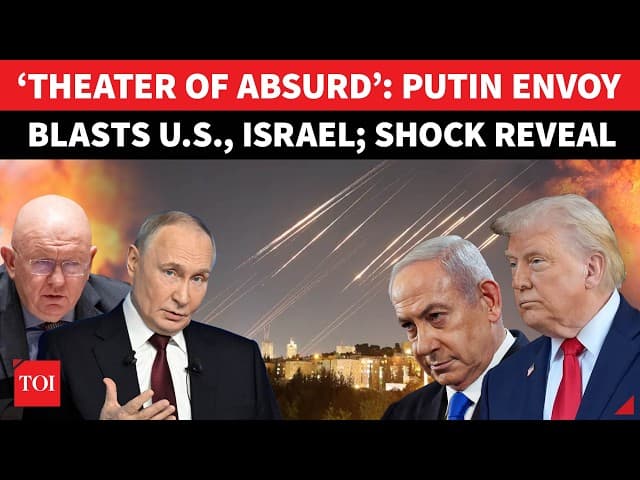
Diplomatic channels are strained. European nations call for restraint and renewed negotiations, urging de-escalation amid fears of regional chaos. In contrast, the U.S. and Israel advocate for increased military support and pressure, deepening divisions among global powers. A recent explosive incident further complicates diplomacy: the Russian envoy to the UN claimed that “arms were twisted” during a crucial vote on Iran-related resolutions, implying possible coercion or interference by external actors. The video of this claim, titled **"‘ARMS WERE TWISTED’: Putin Envoy Makes Explosive Claims On UN Vote Over Iran Conflict"**, has sparked widespread controversy and questions about international influence and legitimacy during this crisis.
### Humanitarian and Cyber Crisis
- **Civilian Suffering and Displacement:**
The escalation has caused significant civilian suffering, including widespread displacement, shortages of essentials, and rising casualties. Cyberattacks disrupting banking, healthcare, and communication networks hinder emergency responses, further exacerbating chaos and suffering, especially in vulnerable regions.
- **Impact of Cyber Warfare:**
Critical infrastructure, including hospitals, energy grids, and water supplies, have sustained cyberattacks leading to blackouts, medicine shortages, and water crises. These digital assaults threaten to destabilize entire communities, intensifying humanitarian crises.
## Market and Economic Ramifications
The conflict’s escalation has sent shockwaves through global markets:
- **Oil Prices Surging:**
Oil prices have surged past **$90 per barrel**, driven by fears of supply disruptions through the Strait of Hormuz. The threat of a blockade or direct attack on shipping routes has rattled energy markets worldwide, with potential long-term implications for global energy security and inflation.
- **Market Volatility and Strategic Reserves:**
Financial markets display heightened volatility. Investors are reacting to escalating risks, prompting governments to reassess strategic reserves and diversify supply chains. This instability exposes the fragility of global economic systems in the face of regional conflict.
- **Long-term Energy and Market Uncertainty:**
Analysts warn that persistent instability could lead to sustained higher energy prices, investment in alternative energy sources, and increased geopolitical competition over energy resources.
## Recent Major Events and Their Significance
### Iran Fires Missiles at Israel Following U.S.-Israel Attacks
A recent live broadcast detailed Iran’s missile retaliation against Israel, following intensified U.S.-Israeli strikes on Iran’s nuclear infrastructure. Iran’s missile barrage demonstrates its commitment to asymmetric retaliation and signals a significant escalation that risks broader regional conflict. The event underscores Iran’s willingness to escalate directly rather than solely rely on proxies.
### Analyzing the Shift: Proxy Wars to Direct Engagement
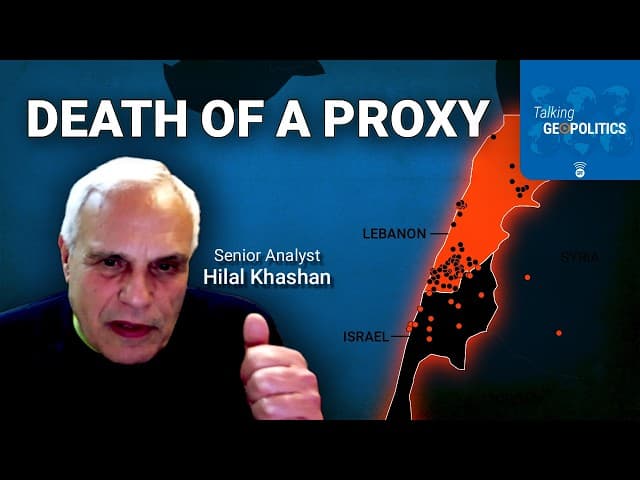
An in-depth analysis published in March 2026 emphasized how the conflict has transitioned from proxy confrontations—supporting militias and covert operations—to overt, direct military engagement. Iran’s strategic calculus now involves active missile, cyber, and maritime operations, with regional and global powers increasingly involved. This shift significantly raises the risk of accidental escalation and wider war.
## The Broader Context: The Modern Middle East, Explained
Understanding this crisis requires grasping the complex regional dynamics:
- **Historical Tensions and Power Struggles:**
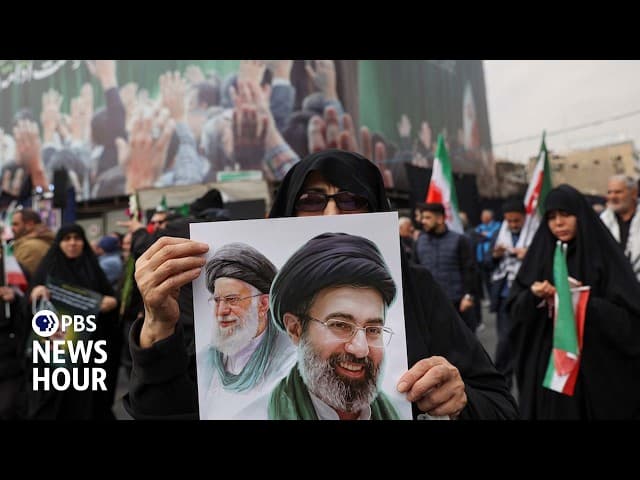
The Middle East has long been plagued by sectarian divides, territorial disputes, and rivalries for regional dominance. Iran’s pursuit of influence, countered by Israel’s security concerns and U.S. strategic interests, fuels ongoing instability.
- **Key Actors and Alliances:**
Besides Iran and Israel, countries like Saudi Arabia, the United Arab Emirates, Turkey, and Lebanon’s Hezbollah are actively involved, whether overtly or covertly. Global powers, notably the U.S. and Russia, influence the conflict’s trajectory, each pursuing their strategic interests.
- **Recent Developments:**
The escalation reflects broader regional shifts, including Iran’s asymmetric warfare capabilities, Israel’s evolving security doctrines, and the growing role of cyber and hybrid warfare in modern conflicts.
## Current Status and Future Outlook
The conflict remains highly volatile, with multiple pathways forward:
- **Prolonged Regional War:**
The likelihood of escalation involving Lebanon’s Hezbollah, Syria, and other regional actors remains high. Sustained violence threatens to destabilize the entire Middle East, with long-lasting disruptions to global energy supplies.
- **Potential for De-Escalation:**
Diplomatic efforts, international pressure, and potential ceasefires could contain hostilities, but deep-seated mistrust and strategic interests pose formidable obstacles.
- **Risk of Global Conflagration:**
An accidental or deliberate attack on U.S. or Israeli assets could trigger broader conflicts involving global powers, with catastrophic consequences for energy markets, global security, and international stability.
### **Implications for the Future**
- The international community faces urgent decisions to prevent further chaos.
- Diplomatic engagement, strategic restraint, and multilateral negotiations are essential to de-escalate tensions.
- The increasing use of cyber and hybrid warfare underscores the need for modernized defense strategies and resilient critical infrastructure.
---
**In summary**, the crisis in the Middle East in 2026 represents a pivotal moment. The transition from proxy battles to direct, multi-domain warfare—encompassing missile strikes, cyberattacks, maritime threats, and diplomatic tensions—has profoundly altered regional and global security landscapes. The recent claims by Russia’s UN envoy about international influence over Iran-related votes further highlight the geopolitical complexity and the risk of external manipulation fueling the conflict. With oil prices soaring, markets volatile, and humanitarian crises worsening, the coming weeks will be critical. The choices made now will determine whether this escalation spirals into a broader, perhaps catastrophic, regional or global war, or if diplomatic avenues can still prevail to restore stability.