# Advancing Participant Safety in Dementia Drug Trials: A Holistic, Personalized, and Adaptive Approach
As the global prevalence of neurodegenerative diseases such as Alzheimer’s Disease (AD), Mild Cognitive Impairment (MCI), and emerging subtypes like Limbic-predominant Age-related TDP-43 Encephalopathy (LATE) continues to rise, ensuring the safety and well-being of participants in clinical trials has become an urgent priority. Recent technological innovations, scientific breakthroughs, and ethical frameworks are transforming traditional safety protocols into a **comprehensive, personalized, and highly adaptive ecosystem**. This evolution not only enhances participant protection but also accelerates the development of more effective, safer therapies.
---
## From Intermittent Assessments to Continuous Digital Monitoring: Embracing a Proactive Paradigm
Historically, safety evaluations in dementia trials relied on **periodic assessments**, such as cognitive tests (e.g., MoCA), caregiver reports, and clinician observations during scheduled visits. While these methods provided valuable snapshots, they often missed early or subtle adverse signals, delaying necessary interventions.
**Recent innovations** are shifting this paradigm toward **real-time, continuous monitoring**:
- **Wearable Devices**: Accelerometers, heart rate monitors, and sleep trackers now enable **granular, real-time data collection** on vital signs, activity levels, and behavioral changes. For example, deviations in sleep patterns or physical activity can serve as early indicators of adverse effects or rapid disease progression.
- **Remote Digital Platforms**: Cloud-based assessment tools facilitate **ongoing cognitive and behavioral monitoring**, reducing participant burden and providing immediate data access.
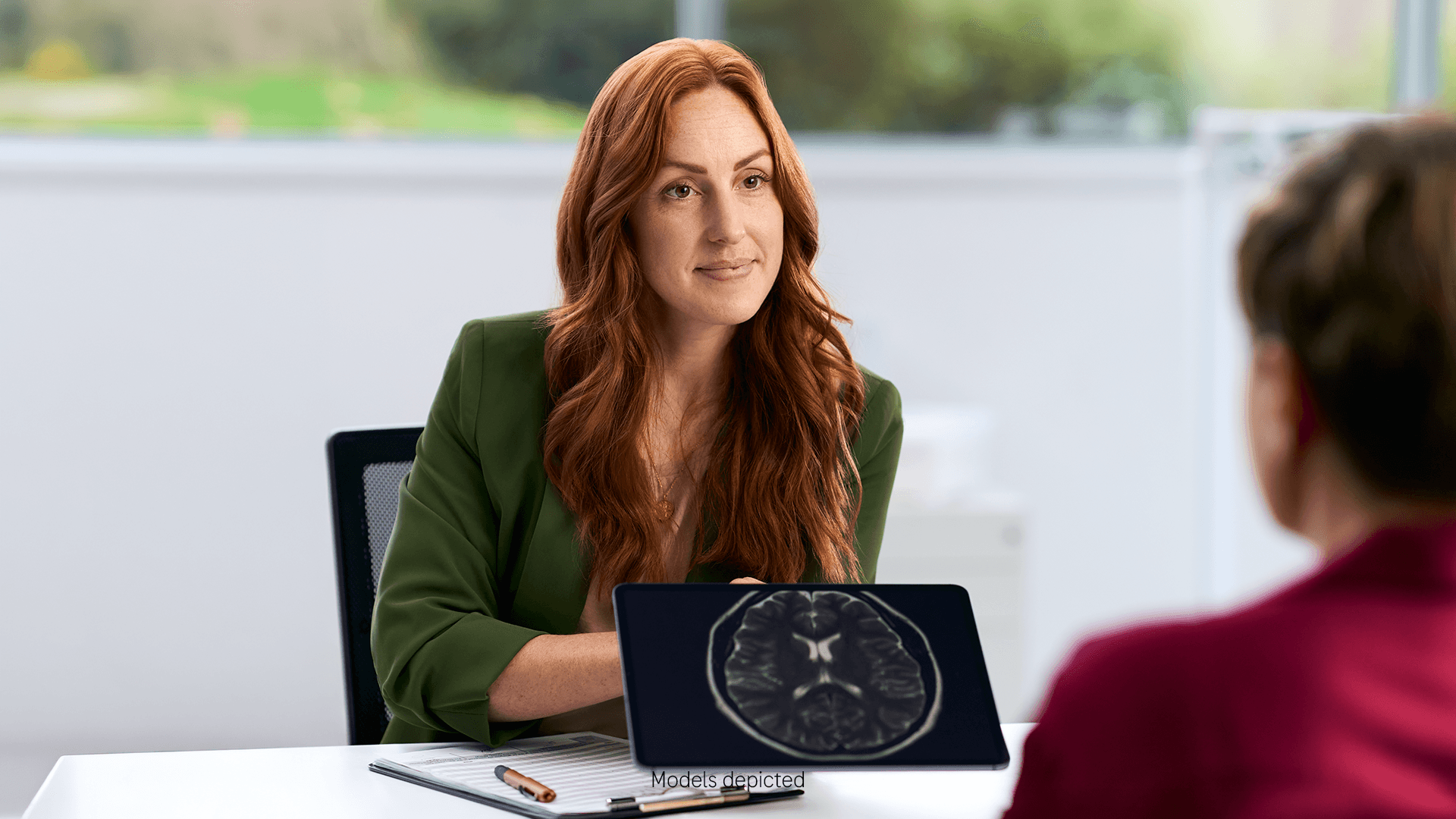
- **AI and Deep Learning**: Advanced algorithms analyze neuroimaging data such as MRI scans, detecting morphological or connectivity alterations **before clinical symptoms manifest**. A recent *Communications Medicine* study highlights how AI-driven models can predict disease trajectories, facilitating **timely safety interventions** tailored to individual risk profiles.
This shift toward **proactive, continuous surveillance** enhances participant safety, improves data integrity, reduces trial costs, and speeds up drug development processes.
---
## Personalized Risk Stratification: Integrating Biomarkers, Genetics, and Multimodal Data
The era of **personalized medicine** allows for **individualized risk profiles**, combining genetic, biomarker, behavioral, and environmental data:
- **Genetic Screening**: Identification of risk alleles like **APOE ε4** informs tailored monitoring. Recent research indicates that APOE status correlates with both disease progression and susceptibility to adverse effects during trials.
- **Blood Biomarkers**: The emergence of plasma markers such as **PPP2R5C** enables **minimally invasive, early detection** of neurodegeneration and neuropsychiatric risks, often before clinical symptoms appear.
- **Retinal Imaging**: **Peripheral retinal scans** serve as a **non-invasive window** into neurodegeneration, with recent studies linking retinal changes to brain pathology, allowing **earlier risk detection**.
- **Gait and Cognitive Measures**: Combining assessments like gait speed and memory performance enhances **predictive accuracy** for disease progression and safety risks.
- **Multimodal Omics and Predictive Models**: Integrating genomics, proteomics, and metabolomics refines understanding of individual vulnerabilities. For instance, *Communications Medicine* reports models capable of **predicting cognitive decline rates**, enabling **risk-adapted monitoring** and **preemptive safety measures**.
Protocols now include **enhanced exclusion criteria** for comorbidities such as cardiovascular or psychiatric conditions. They also incorporate **contingency plans**—like behavioral interventions or medication adjustments—to address neuropsychiatric symptoms (**NPS**) such as agitation, depression, or psychosis, thereby **preventing escalation into serious adverse events**.
---
## Addressing Neuropsychiatric Symptoms with Innovative Strategies
NPS are prevalent, affecting up to **80% of individuals** with early AD or MCI, and pose significant safety and confounding risks in trials. Recent research underscores **behavioral and lifestyle interventions**:
- **Exercise and Engagement Programs**: Initiatives like **PrAISED** and **Tai Chi** have demonstrated efficacy in reducing behavioral disturbances and promoting resilience.
- **Caregiver Engagement**: Early detection of behavioral changes through caregiver vigilance enables **timely, targeted interventions**, including environmental modifications and behavioral therapies.
- **Pharmacologic Strategies**: When medications are necessary, protocols aim to **minimize side effects** and **avoid medication-induced worsening** of NPS.
**Caregivers** are vital partners, offering **early warnings** and supporting adherence to safety protocols, thereby further strengthening participant protection.
---
## Cutting-Edge Diagnostic and Biomarker Technologies for Safety Monitoring
Recent breakthroughs enhance early risk detection:
- **Blood-Based Biomarkers**: Markers like **PPP2R5C** facilitate **non-invasive, early identification** of neurodegeneration and associated risks.
- **Peripheral Retinal Imaging**: Non-invasive retinal scans reveal **peripheral changes** linked to neurodegeneration, serving as **novel safety monitoring tools**.
- **Advanced Neuroimaging**: Techniques such as **deep learning-processed MRI** and **white matter connectivity measures** detect **subtle brain alterations** predictive of adverse events. A *Translational Psychiatry* review highlights abnormal white matter transmission as an **early warning marker**, enabling **preemptive safety responses**.
- **Serostatus Screening**: For example, **HSV seropositivity** has been associated with **cognitive worsening** in some trials, emphasizing the importance of **screening and tailored interventions**.
---
## Incorporating Lifestyle, Environmental, and Preventive Strategies
A **holistic safety framework** extends beyond biomarkers to encompass:
- **Sleep Optimization**: Supporting **glymphatic clearance** during sleep reduces neurodegenerative buildup.
- **Hearing Management**: Addressing hearing impairments has been linked to **slower cognitive decline**.
- **Diet and Nutrition**: Recent comparative studies of six popular diets show that **one diet outperformed the rest significantly** in reducing cognitive decline, with evidence suggesting that **healthy dietary patterns like the DASH diet** can lower dementia risk by up to **41%**.
- **Physical and Social Engagement**: Regular exercise and social participation bolster **cognitive reserve** and resilience.
- **Pollution and TBI Prevention**: Strategies to **mitigate air pollution exposure** and prevent traumatic brain injuries (**TBI**) further protect brain health.
- **Vaccinations**: Immunizations such as **shingles vaccines** may provide **additional neuroprotection**.
- **Nutritional Supplements**: Emerging research on interventions like **alpha-linolenic acid (ALA)** supplementation aims to **enhance cognitive resilience**.
Recent evidence emphasizes that **mentally stimulating hobbies**—such as reading, puzzles, or learning new skills—are associated with a **5-year delay in Alzheimer’s onset**, reinforcing the importance of lifelong engagement.
---
## The Adaptive, Living Safety Ecosystem: The Future of Participant Protection
The future of dementia trial safety relies on an **integrated, dynamic system**:
- **Wearables and Remote Monitoring**: Enable **real-time safety assessments** through continuous data streams.
- **AI-Driven Data Integration**: Combining molecular, behavioral, environmental, and physiological data supports **personalized, adaptive safety protocols**.
- **Dynamic Protocol Adjustments**: Safety measures—including medication modifications, behavioral supports, or protocol amendments—can be **adjusted in real-time** based on ongoing assessments.
- **Capacity and Re-Consent Monitoring**: Adaptive consent models ensure **ethical participation**, incorporating regular evaluations of decision-making capacity and re-consent when necessary.
This **living ecosystem** maximizes safety, improves trial efficiency, and accelerates therapeutic translation. Pilot initiatives by organizations like **Alzheimer’s Research UK** demonstrate the **feasibility and benefits** of such adaptive frameworks, fostering safer and more effective trials.
---
## Pharmacologic Vigilance and Ethical Considerations
Recent findings underscore the importance of **meticulous pharmacologic safety monitoring**:
- **Serostatus Screening**: For example, **HSV seropositivity** has been linked to **cognitive worsening**, emphasizing the need for screening and tailored interventions.
- **Immunomodulatory Agents and Antivirals**: Ongoing safety surveillance ensures **profiles are well-characterized**, preventing unintended effects.
- **Supplement Use and Risks**: Warnings from neurologists highlight that some **popular brain health supplements** may **accelerate decline**, underscoring the necessity of **rigorous safety evaluation**.
- **Diet and Lifestyle Risks**: Diets high in **ultra-processed foods** are associated with increased inflammation and metabolic disturbances, reinforcing the importance of promoting **healthy eating patterns**.
- **Adaptive Trial Designs**: Incorporating **real-time safety data** allows **swift responses** to emerging risks, safeguarding participant well-being and maintaining ethical standards.
**Regular capacity assessments** and **re-consent processes** are crucial, especially as cognitive functions fluctuate, to uphold **autonomy and informed participation**.
---
## Current Status and Broader Implications
The landscape of dementia trial safety now embodies a **comprehensive, personalized, and adaptive ecosystem** that integrates:
- **Advanced diagnostics** (blood, ocular, neuroimaging),
- **Continuous digital monitoring**,
- **Holistic lifestyle and environmental interventions**,
- **Caregiver engagement**,
- **Flexible, ethically grounded consent protocols**,
- **AI-driven data analysis**.
This **integrated approach** not only **maximizes participant safety** but also **expedites therapeutic discovery**, offering renewed hope for safer and more effective treatments. Recent pilot trials, such as those by **Alzheimer’s Research UK**, exemplify how **adaptive safety ecosystems** can **bridge research and clinical care**, ensuring therapies reach patients more swiftly and securely.
---
## The Power of Cognitive Reserve and Lifelong Engagement
Emerging evidence continues to underscore the importance of **building cognitive reserve** through **lifelong mental stimulation**. Activities like reading, puzzles, learning new skills, and social engagement delay or mitigate clinical symptoms despite underlying pathology. A recent article titled *"Mentally stimulating hobbies tied to 5-year delay in Alzheimer’s onset"* (February 25, 2026) reinforces that **early and sustained engagement** is a potent protective factor.
---
## Implications and Outlook
The evolving landscape of participant safety in dementia trials exemplifies a **paradigm shift**—from reactive, episodic assessments to a **holistic, proactive, and personalized ecosystem**. By harnessing **technological innovations**, **biomarker science**, **lifestyle strategies**, and **ethical oversight**, the scientific community is constructing a **living safety framework**. This approach not only **protects vulnerable individuals** but also **accelerates therapeutic development**, bringing us closer to **more effective, safer treatments**, and ultimately, to **better quality of life** for millions worldwide.
The integration of these strategies signals a new era where **participant safety** is dynamically managed—**adaptive, comprehensive, and patient-centered**—paving the way for **safer dementia research and care** in the decades to come.