April 14, 2026
AI Insight Nexus · Apr 14 Daily Digest
Reliability & Eval Concerns
- ⚡ Claude.ai Outage: Claude.ai is down and the team is currently investigating the issue.
- 🔥 Claude Opus 4.6 Drop:...

Created by Trill Bill
Cutting-edge AI research, industry applications, and ethics debates for professionals and curious minds
Explore the latest content tracked by AI Insight Nexus
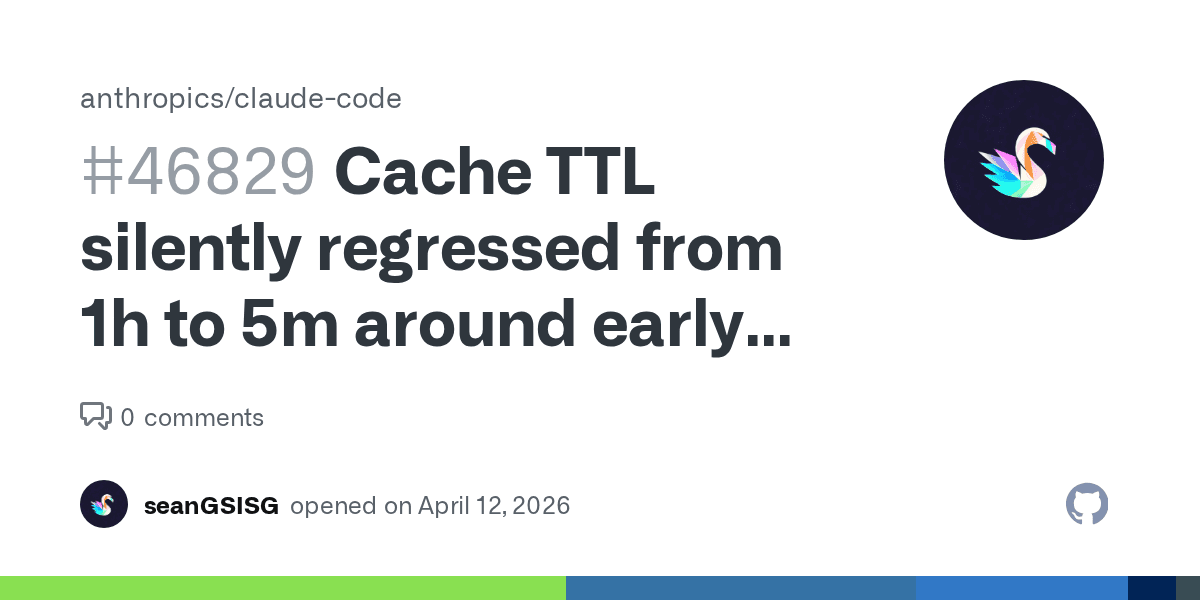
Reliability red flags for Anthropic's Claude:
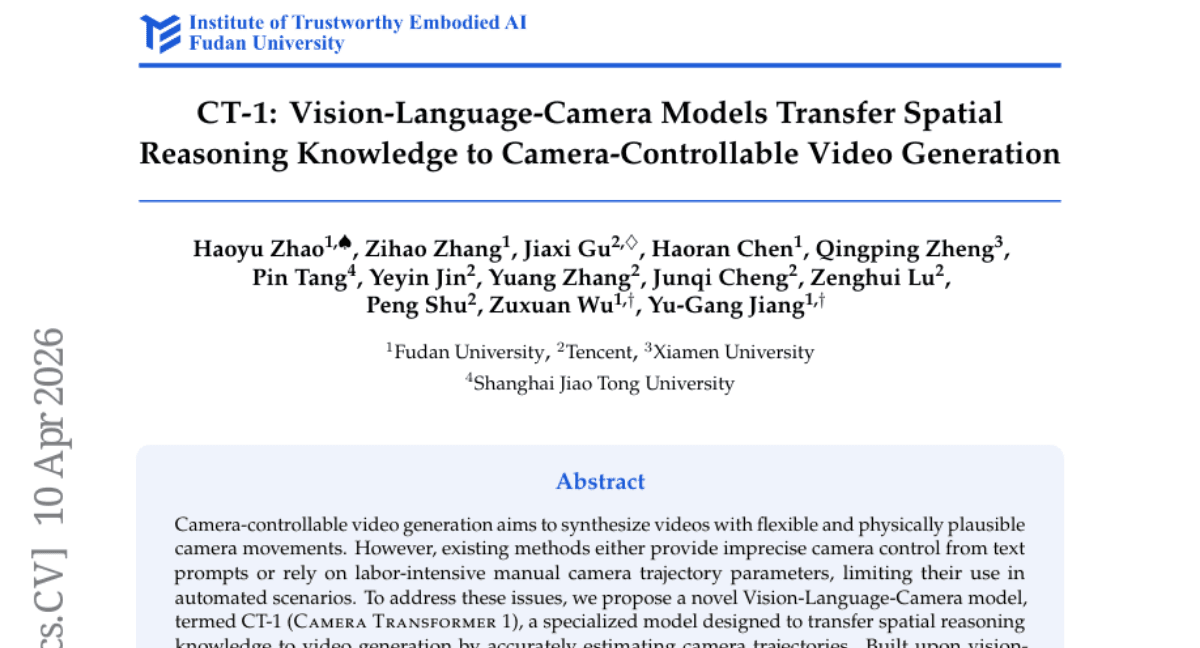
Trend alert: Synthetic innovations are enhancing VLMs.
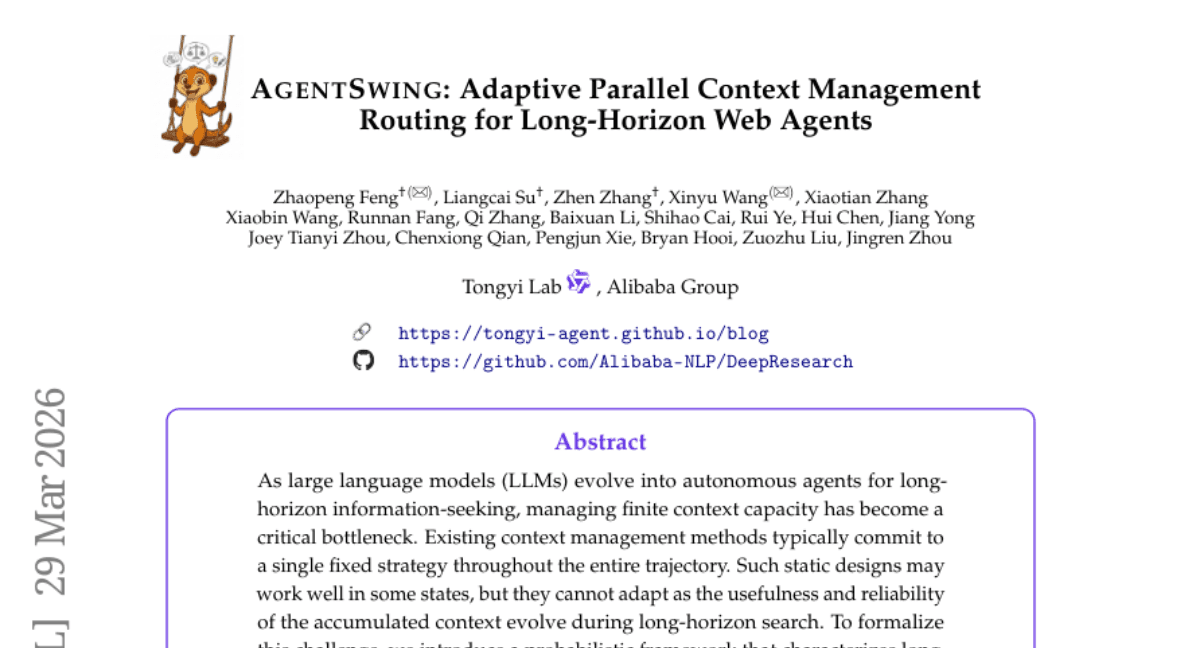
AgentSwing introduces adaptive parallel context management routing for long-horizon web agents. A breakthrough in scaling web agents for complex tasks—join the discussion.
Meta pioneers personal AI avatars with Zuckerberg's clone trained on his image, voice, mannerisms, tone, and public statements—to connect employees...
Luma Agents revolutionize workflows by planning, generating, and iterating across video, image, and audio in one pipeline with full creative...
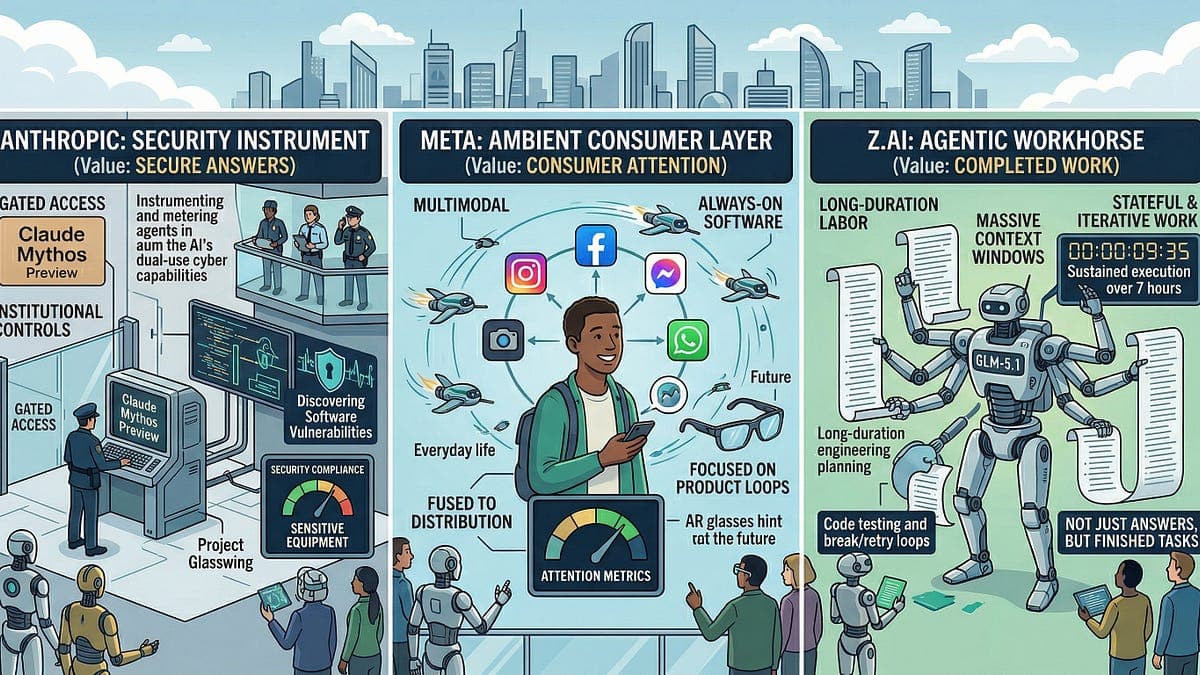
AI frontier models are diverging beyond chatbots into distinct deployment paths:
Real-world risk exposed: ChatGPT aided a mass shooting plan; OpenAI employees notified management, but nothing was done, leading to 8 deaths.
-...
New paper offers a conditional analysis on optimization, data, and model capability to rethink generalization in reasoning SFT—unpacking drivers for superior fine-tuning outcomes.
Efficiency trend unlocking Gemma 4 on everyday hardware:
Nvidia-backed breakthrough in open AI hardware:
OpenAI, Anthropic, and Google could 10x prices for latest models—what market disruptions await? This provocative question highlights potential shocks to AI API access and adoption.
Literature review tables are essential for summarizing and comparing scientific papers, and this paper studies their automatic generation by LLMs toward realistic benchmarking and evaluation.
OpenAI is totally underrated: GPT-5.4 leads in deep research, Codex-5.3 in coding, backed by stellar 99.99% uptime.
MegaStyle pioneers diverse and scalable style datasets for text-to-image generation via consistent style mapping—a key advance for T2I research.