# Finding Vintage Glass That Emits Radiation Unexpectedly: A Growing Concern for Collectors
In recent years, the charm of vintage glassware—its luminous colors, nostalgic appeal, and historical significance—has captivated collectors worldwide. However, a startling discovery has increasingly surfaced: many of these beautiful pieces may harbor hidden radioactive hazards, posing health risks to those handling or displaying them. As my personal experience revealed, what appears to be a stunning collectible can unexpectedly emit dangerous levels of radiation, prompting a reevaluation of safety practices in the vintage and antique markets.
## The Personal Revelation: Unexpected Radioactivity in Vintage Glass
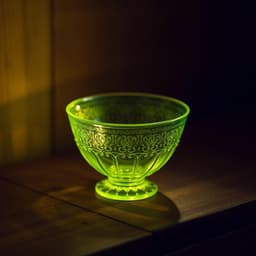
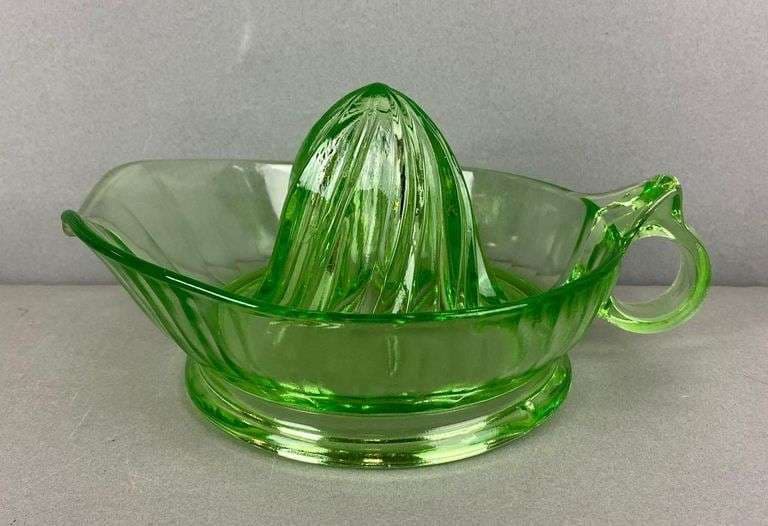
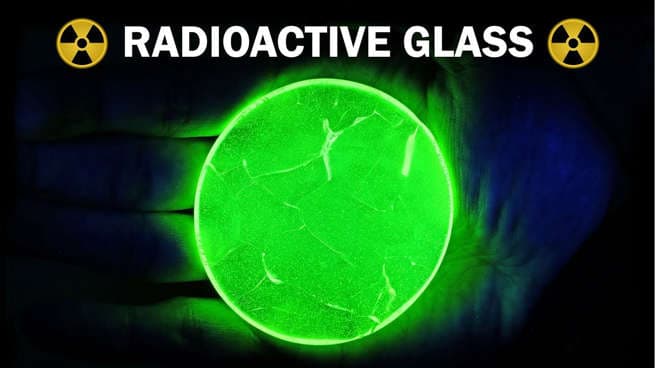
My journey into vintage glass collecting took an unexpected turn when I purchased a striking green glassware piece at an antique mall. Its vibrant hue and luminous glow drew me in, but curiosity led me to test it with a Geiger counter. To my shock, the device registered **dangerously high levels of radioactivity**. This was not an isolated incident; similar findings have been reported by collectors and enthusiasts worldwide.
This experience underscored an important truth: **many vintage glass items, especially those with luminous or vibrant colors, can contain radioactive materials like uranium or thorium**—used historically to achieve vivid hues. The green glass I possessed, for example, was likely produced using uranium compounds, which emit alpha, beta, and gamma radiation detectable by modern Geiger counters.
## Historical Context: Why Did Vintage Glass Contain Radioactive Materials?
During the early 20th century, glassmakers sought to create striking, luminous, and UV-reactive effects. To achieve these, they often incorporated **uranium or thorium compounds** into their recipes. This practice was widespread, especially in the production of:
- Uranium glassware (also known as Vaseline glass)
- Luminous ceramics
- Certain decorative glass pieces
These materials provided vibrant colors and glowing effects under UV light, making the items highly desirable. However, the health risks associated with radioactive substances were not fully understood at the time, and safety standards were virtually nonexistent.
## The Health and Safety Risks
While the amount of radioactive material in vintage glassware is generally low, **prolonged or repeated exposure can pose health hazards**. These include:
- Increased risk of radiation sickness
- Potential carcinogenic effects
- Internal exposure if particles are ingested or inhaled (e.g., via chipped glass or dust)
**Handling and storing these items require caution**. Recommendations include:
- **Testing items with a Geiger counter** before display or handling
- **Using gloves** to minimize skin contact
- **Storing radioactive glassware in well-ventilated, secure areas** away from living spaces
- **Avoiding boiling, cleaning with harsh chemicals, or breaking the glass** to prevent release of radioactive dust
Additionally, **asking sellers for documentation or test results** can provide assurance of safety, especially for high-value or visually luminous pieces.
## The Market and Continued Fascination
Despite these hazards, the market for uranium and other radioactive-glass items remains active. Recent notable events include the upcoming **"Luxury Sale—Sevres, Uranium Glass & Asian Art," scheduled for February 22, 2026**. This auction highlights the enduring appeal of such collectibles, featuring items like:
- **Spectacular UV-reactive glass collections**
- **Large scalloped centerpiece bowls**
- **Lidded vases and decorative objects**
Furthermore, related collectibles such as **uranium marbles** have garnered attention. According to recent research from Saint Augustine's University, **uranium marbles contain small amounts (around 0.1% to 0.3%) of uranium-238** embedded within the glass, making them both highly collectible and potentially radioactive. Their value often depends on rarity, color, and glow, but safety precautions remain essential.
## Practical Advice for Collectors and Enthusiasts
Given the ongoing market interest and the potential hazards, collectors should adopt cautious practices:
- **Always test unfamiliar or strikingly luminous glassware** with a reliable Geiger counter.
- Be aware that **colors like green, yellow, or glowing specimens** are more likely to contain radioactive materials.
- Handle with **gloves and avoid unnecessary handling** to minimize exposure.
- Store such items **away from living spaces and food areas**.
- **Seek documentation or lab testing results** when purchasing high-value vintage glass.
- **Properly dispose of or store confirmed radioactive items** in accordance with local regulations and safety guidelines.
## Current Status and Implications
The resurgence of interest in uranium and UV-reactive glass highlights both the cultural fascination with vintage collectibles and the importance of safety awareness. As the market continues to thrive, **collectors, dealers, and auction houses must prioritize transparency and safety**.
My personal experience, along with the insights from recent research, illustrates that **beauty and nostalgia should not come at the expense of health**. Responsible collecting involves verifying the safety of vintage items, handling them with care, and understanding their historical context.
## Final Thoughts: Balancing Beauty and Caution
Vintage glassware remains a captivating window into history and artistic innovation. However, the hidden presence of radioactive materials demands that enthusiasts approach their collections with informed caution. By utilizing modern testing tools, asking for proper documentation, and handling items responsibly, collectors can enjoy the aesthetic and cultural value of these pieces **without compromising their health**.
**In conclusion:**
- **Vintage glassware can emit radiation due to historical use of uranium or thorium.**
- **Always test items before display or handling**, especially those with luminous or unusual colors.
- **Stay informed about current market trends**, including upcoming auctions featuring uranium glass.
- **Prioritize safety** to ensure that your passion for collecting remains a safe and enjoyable pursuit.
**Stay vigilant, collect responsibly, and continue to appreciate the timeless beauty of vintage glass—safely.**