# Finding Vintage Glass That Emits Radiation Unexpectedly: A Growing Concern for Collectors
Vintage glassware continues to enchant collectors worldwide with its vibrant colors, nostalgic charm, and historical significance. However, recent discoveries have cast a shadow of caution over this beloved hobby: many vintage glass pieces, especially those with luminous or striking hues, can harbor hidden radioactive materials, posing potential health risks. The convergence of personal experiences, market activity, and new educational resources underscores the importance of approaching vintage glass collection with informed safety measures.
## The Personal Revelation: Unexpected Radioactivity in Vintage Glass
My own journey into vintage glass collecting took an eye-opening turn when I purchased a vividly green glassware piece at an antique mall. Its luminous glow and striking appearance made it a standout, but curiosity compelled me to test it with a Geiger counter. The results were startling—**the device registered dangerously high levels of radiation**. This was not an isolated incident. Similar findings have been reported by collectors globally, revealing that many vintage glass items may contain radioactive substances like uranium or thorium.
This personal experience underscores a critical truth: **what appears to be a beautiful collectible may conceal a hazardous secret**. Handling or displaying such items without caution can lead to prolonged exposure to radiation, which, over time, poses health risks.
## Historical Context: Why Did Vintage Glass Contain Radioactive Materials?
In the early 20th century, glassmakers sought innovative ways to achieve luminous, vivid, and UV-reactive effects. To attain these qualities, they often incorporated **uranium or thorium compounds** into their recipes. These radioactive elements provided the striking colors and glowing effects that made their products highly desirable. Notable examples include:
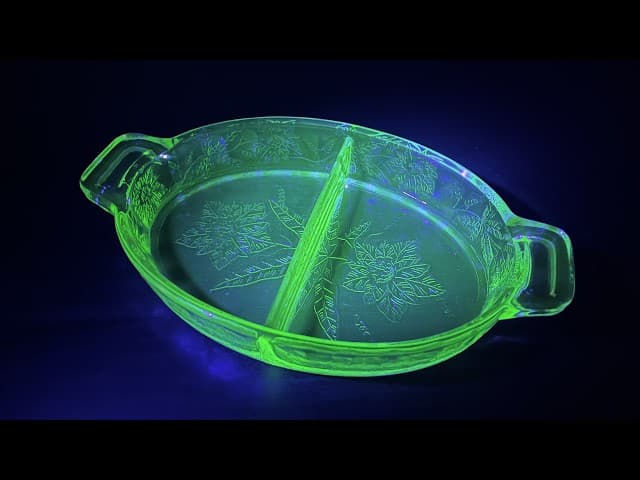
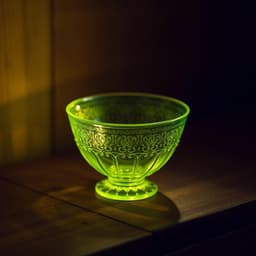
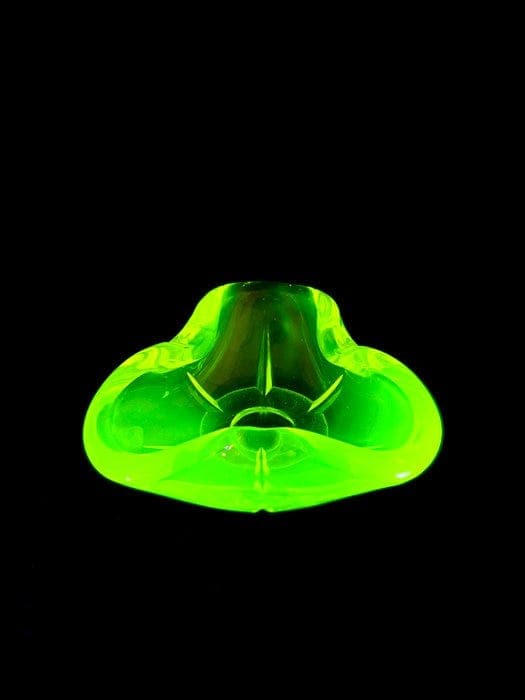
- **Uranium glassware (Vaseline glass):** Known for its green or yellow hues and characteristic fluorescence under UV light.
- **Luminous ceramics and decorative objects:** Used to create glowing effects in lamps, figurines, and ornaments.
- **Certain colored and patterned glass pieces:** Achieved by adding radioactive materials for vibrancy and glow.
Importantly, during that era, **the health hazards associated with radioactive substances were not fully understood**, and safety standards were virtually nonexistent. As a result, the widespread use of these materials persisted until the mid-20th century.
## The Health and Safety Risks
While the radioactive content in vintage glassware is typically low, **prolonged or repeated exposure can pose health concerns**. Risks include:
- **Radiation exposure:** Leading to increased risks of radiation sickness and, potentially, cancer.
- **Inhalation or ingestion of particles:** If chipped, cracked, or broken, radioactive dust or particles may be inhaled or swallowed.
- **Skin contact:** Though generally minimal, handling fragile or chipped pieces without precautions can increase risk.
**Practical safety recommendations** for collectors include:
- **Testing items with a reliable Geiger counter** before display or handling, especially those with luminous or unusual colors.
- **Wearing gloves** during handling to minimize skin contact.
- **Storing radioactive glassware in well-ventilated, secure areas** away from living or food preparation spaces.
- **Avoiding boiling, cleaning with harsh chemicals, or breaking the glass** to prevent the release of radioactive dust.
- **Requesting documentation or test results** from sellers, particularly for high-value or striking items.
## The Market and Continued Fascination
Despite safety concerns, the market for uranium and other radioactive-glass items remains vibrant. Recent events highlight this enduring appeal:
- An upcoming **"Luxury Sale—Sevres, Uranium Glass & Asian Art"** slated for February 22, 2026, features a wide array of collectible uranium glass pieces, including **spectacular UV-reactive collections, large scalloped centerpiece bowls, lidded vases, and decorative objects**.
- Collectors continue to seek **uranium marbles**, which contain small amounts (around 0.1% to 0.3%) of uranium-238 embedded within the glass. Their rarity and glow make them highly desirable, but safety precautions are essential when handling.
### New Educational Resources
A recent notable addition to the educational arsenal is a **review video titled "Let's Check Out a 1930's Uranium Glass Relish Dish"**. This 8-minute video demonstrates how to identify, test, and handle vintage uranium glassware responsibly. Such resources help collectors distinguish between safe, vintage items and those requiring caution, emphasizing the importance of proper testing and handling.
## Practical Advice for Collectors and Enthusiasts
Given the ongoing interest and the potential hazards, collectors should adopt cautious practices:
- **Always test unfamiliar or strikingly luminous glassware** with a reliable Geiger counter.
- Be aware that **colors like green, yellow, or glowing specimens** are more likely to contain radioactive materials.
- Handle items **with gloves and avoid unnecessary contact**.
- Store radioactive items **away from food, children, and living spaces**.
- **Seek documentation or lab testing results** when purchasing high-value vintage glass.
- **Properly dispose of or store confirmed radioactive items** following local safety regulations and guidelines.
## Current Status and Broader Implications
The renewed interest in uranium and UV-reactive glass underscores both the cultural fascination with vintage collectibles and the crucial need for safety awareness. As the market flourishes, **transparency, responsible handling, and education are vital**. Collectors and dealers must prioritize safety, ensuring that the allure of these historical pieces does not come at the expense of health.
My personal experience, complemented by recent research and educational videos, illustrates that **beauty and nostalgia should not overshadow safety considerations**. Responsible collecting involves verifying the safety of vintage items, handling them carefully, and understanding their historical context.
## Final Thoughts: Balancing Beauty and Caution
Vintage glassware remains a captivating window into artistic innovation and history. Yet, the hidden presence of radioactive materials demands that enthusiasts approach their collections with vigilance. By utilizing modern testing tools, requesting proper documentation, and handling items thoughtfully, collectors can continue to enjoy the aesthetic and cultural richness of these pieces **without compromising their health**.
**In summary:**
- **Vintage glassware can emit radiation due to the historical use of uranium or thorium.**
- **Always test unfamiliar or luminous pieces before display or handling.**
- **Stay informed about current market trends and safety practices.**
- **Prioritize safety to ensure that the passion for collecting remains a safe and rewarding pursuit.**
**Stay vigilant, collect responsibly, and continue to appreciate the timeless beauty of vintage glass—safely.**