The 2026 table tennis instructional ecosystem continues to set new standards as a **comprehensive, AI-augmented learning platform** that seamlessly integrates elite match footage, biomechanical insights, tactical problem-solving, and practical coaching resources. Recent enhancements—including the addition of applied one-point coaching videos, ongoing biomechanical innovations, and expanding regional narratives—further enrich this ecosystem, empowering players and coaches worldwide to refine their technical mastery, strategic thinking, and mental resilience in increasingly diverse and competitive environments.
---
### Sustaining Elite Tactical and Biomechanical Excellence through Iconic and Contemporary Match Analysis
At the heart of this evolving ecosystem remains the **2019 Wang Chuqin vs Ma Long Australian Open semifinal**, a touchstone for biomechanical and tactical study. The availability of 4K footage paired with AI-driven biomechanical dissection continues to provide unparalleled insights into:
- **Forehand stroke evolution**, contrasting Ma Long’s economical, fluid technique with Wang Chuqin’s aggressive, high-velocity forehand dynamics.
- Frame-by-frame AI analysis of **stroke timing, footwork precision, and kinetic chain energy transfer**, particularly under pressure.
- A foundational case study for coaching emphasizing **technical continuity and adaptive refinement** to sustain elite performance.
This foundational content is complemented and expanded by recent high-level matches such as:
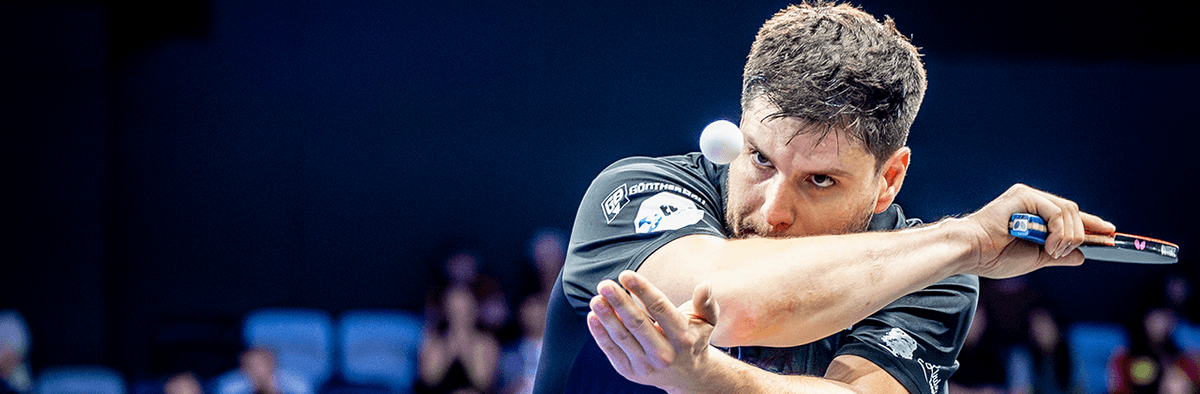
- **Kristian Karisson vs Felix Lebrun (WTTSingapore Round of 16)**, which highlights advanced point construction, deceptive shot sequences, and momentum management essential for tactical sophistication.
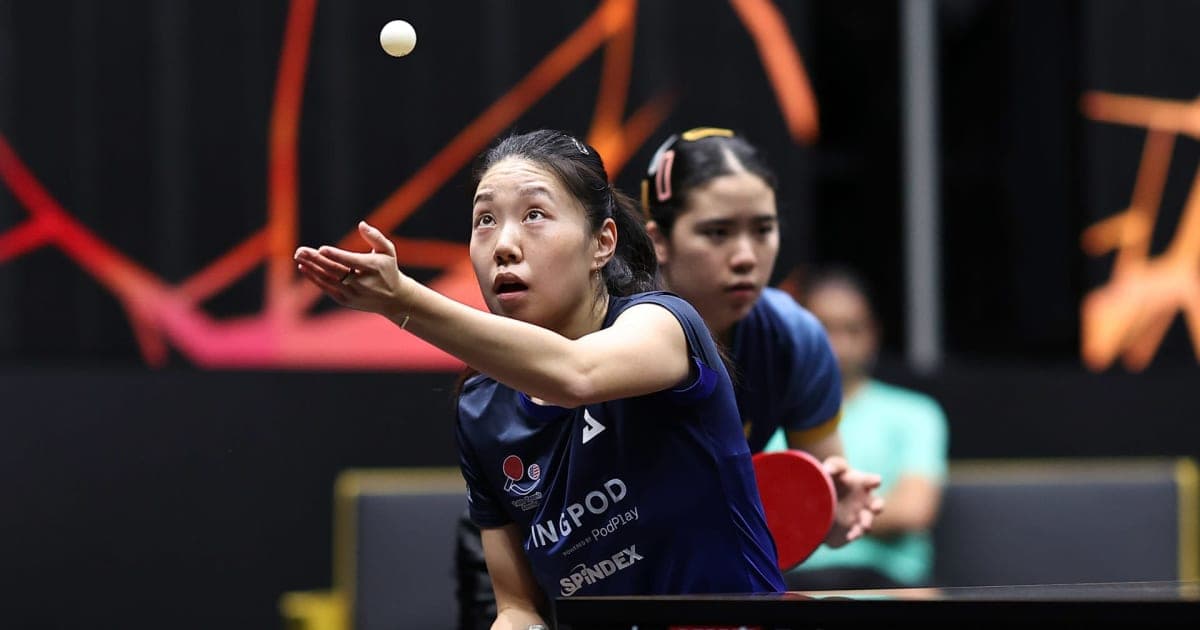
- Doubles encounters including **Chew/Chua vs Lin/Huang** and **Abdelaziz/Alhodaby vs Calderano/Takahashi**, deepening understanding of serve variation, rotational positioning, and rapid attack-defense transitions critical to doubles strategy.
Together, these matches form a **rich, multi-dimensional tactical and biomechanical repository** across singles and doubles, supporting nuanced training adaptations and tailored competitive strategies.
---
### Long-Form AI-Annotated Streams and Biomechanical Metrics Elevate Coaching Precision
The **TT Elite Series AI HSC2 long-form stream (February 24, 2026)** remains a keystone resource, widely adopted by coaches for its comprehensive AI annotations that:
- Analyze stroke mechanics and energy transfer through extended rallies.
- Evaluate footwork efficiency, recovery timing, and movement economy under fatigue.
- Illuminate tactical decision-making with real-time AI insights into shot selection and rally progression.
This powerful synergy of expert coaching and AI micro-analysis enables:
- Identification of subtle biomechanical inefficiencies invisible during live play.
- Data-driven tactical adjustments informed by detailed performance metrics.
- Injury prevention strategies based on grip tension, stroke load, and movement stress monitoring.
Expanding doubles-specific modules, drawing from WTTSingapore content, emphasize serve deception, partner communication, and dynamic positional shifts—refining both coaching precision and player profiling.
---
### Tactical Problem-Solving and Player Profiling: New Resources Deepen Analytical Rigor
Recent additions significantly enhance the ecosystem’s instructional depth:
- **“How Wim Verdonschot Solved the Muramatsu Puzzle”** presents a nine-minute tactical case study that dissects complex match scenarios. This resource exemplifies **advanced problem-solving frameworks** for coaches seeking to nurture players’ adaptive thinking and in-match strategy adjustments.
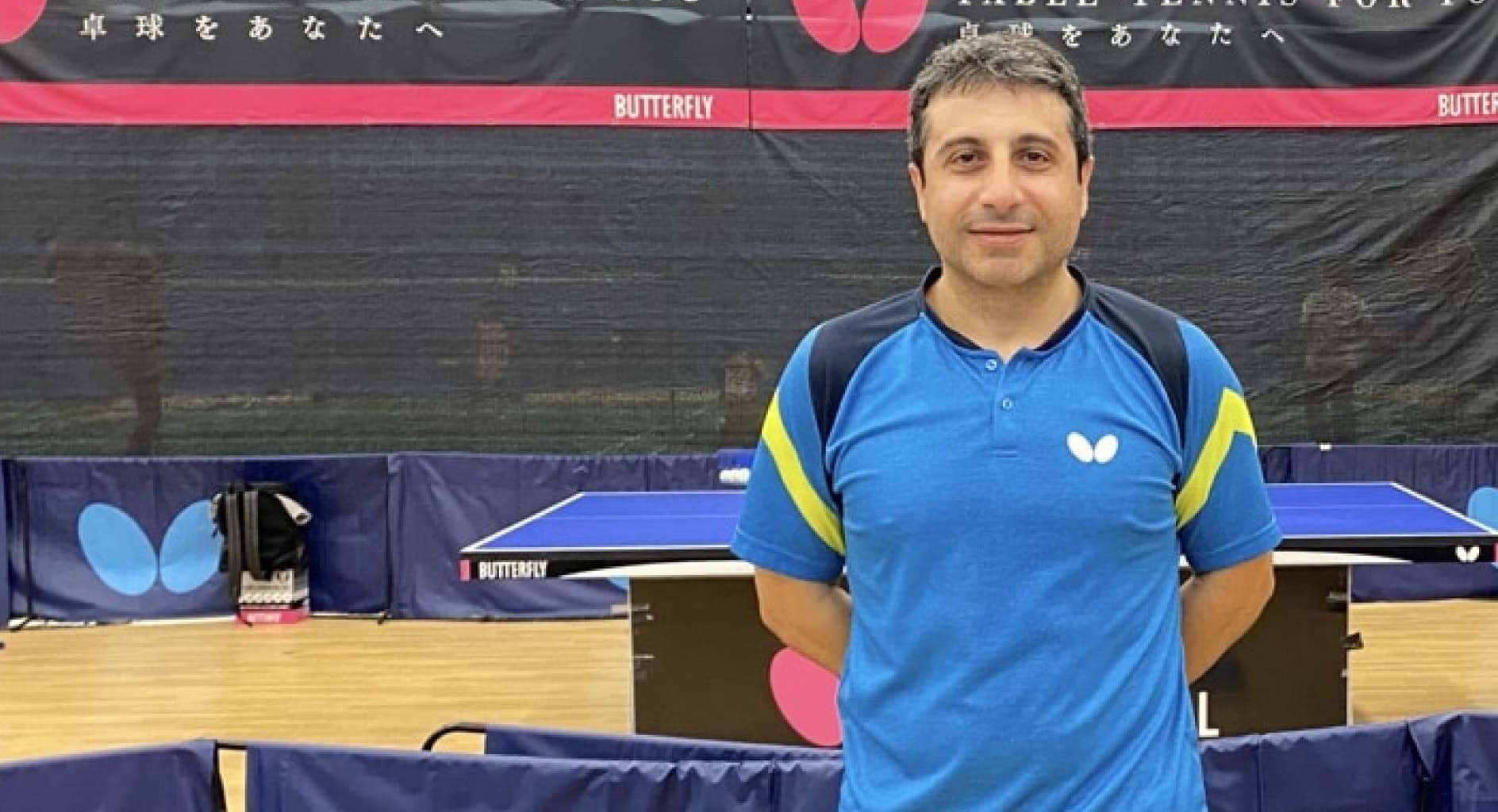
- An in-depth **player profile of Maksym Nikolenko**, Ukrainian national team member, offers granular insights into grip style, playing hand, and win-loss statistics. Such profiles assist coaches and scouts in understanding player tendencies and tailoring developmental pathways within the international competitive landscape.
These materials reinforce the ecosystem’s commitment to analytical rigor and practical applicability.
---
### Integrating Applied One-Point Coaching Videos: Bridging Theory and Practice
A notable recent development is the integration of practical, bite-sized coaching content such as **[유훈석의 원포인트] (Yu Hoon-seok’s One Point) Episode 70**, titled *“고수가 되려면 이 기술은 꼭 배우고 넘어가야 합니다! 승률 급상승하는 비법”* ("This technique is a must-learn for becoming a master! Secrets to rapidly improving win rates"). This 8-minute video has garnered over 10,600 views and offers:
- Clear, focused instruction on a single technical element critical for match success.
- Practical drills and tips that players can incorporate into daily training routines.
- A bridge between biomechanical theory and everyday practice, supporting **skill transfer and consistent improvement**.
The inclusion of such accessible, expert-driven content enhances the ecosystem’s utility for players and coaches seeking targeted, actionable guidance.
---
### Emerging Regional High-Performance Narratives and Grassroots Translation
The ecosystem’s global reach is further amplified by vibrant regional developments:
- The **WTT Star Contender event at India’s SDAT–High Performance Centre (HPC)** marks a significant milestone. With Jancarik clinching the title, this event spotlights India’s rapid rise as a table tennis powerhouse, backed by world-class infrastructure and coaching methodologies now integrated into the ecosystem’s case studies. This inclusion provides valuable insights into **cross-cultural coaching adaptations** and facility-driven player development models.
- Grassroots tournaments such as the **OmniPong Jacksonville Tournament (May 16, 2026)** and England’s **Braintree League Handicap Cup** illustrate the practical translation of elite biomechanical and tactical lessons into diverse competitive settings. These events highlight adaptability and psychological readiness themes that resonate within community coaching frameworks.
Together, these narratives deepen instructional diversity and make elite methodologies more relatable and accessible across global contexts.
---
### Junior Development: Holistic Training with Emphasis on Tactical Maturity and Mental Resilience
Junior player pathways remain a core focus, with new content reinforcing holistic growth:
- The development trajectory of **Mekhi Simmons**, a 2025 Table Tennis Junior National Sports Award nominee, exemplifies the ecosystem’s integrated approach combining technical mastery, mental toughness, and sustained competitive exposure. Simmons serves as a replicable model for **progressive skill acquisition and resilience building**.
- Expanded coverage of **women’s doubles dynamics** (e.g., Chitale/Ghorpade vs Nagasaki/Shin) alongside mixed doubles insights fosters juniors’ understanding of teamwork, rotational strategies, and communication essential for doubles success.
These junior-centric resources equip coaches and players with frameworks that balance **technical refinement, tactical innovation, and psychological preparedness**, fostering well-rounded athlete development.
---
### AI-Powered Biomechanical and Tactical Innovations Continue to Refine Coaching Practices
Ongoing integration of AI analytics with elite footage drives advancements in key training domains:
- Precise quantification of **forehand mechanics and Magnus effect phenomena**, enabling coaches to blend Chinese technical precision with European stylistic flair.
- Validation of **grip relaxation and stroke economy** through AI slow-motion combined with wearable sensor data, contributing to reduced injury risk.
- Enhanced **serve innovation training**, incorporating diverse serve-return sequences derived from doubles formats, with an emphasis on deception and spin variety.
- Detailed footwork and court coverage efficiency analyses using high-speed footage of elite players, including Zhang Jike, inform balanced conditioning and injury prevention strategies.
- Strategic deployment of **backhand short pips** as versatile defensive and counterattacking tools, supporting diverse playing styles and tactical flexibility.
These innovations underpin increasingly personalized and scientifically grounded coaching methodologies.
---
### Scenario-Based Training and Mental Resilience: Immersive, Contextual Learning Gains Momentum
The ecosystem’s scenario-driven approach deepens with:
- **Dynamic rally simulations** sourced from elite singles and doubles matches (e.g., Karisson vs Lebrun, WTTSingapore doubles), promoting adaptive shot selection and effective pressure management.
- **Narrative-driven mental toughness frameworks** inspired by grassroots tournaments, junior case studies, and high-stakes match environments, reinforcing psychological resilience.
- **Doubles coordination drills** emphasizing partner communication and synchronized movement, particularly informed by WTTSingapore doubles content.
- Iterative learning cycles facilitated by curated playlists blending elite, grassroots, and biomechanical materials encourage continuous skill refinement.
This immersive, contextual methodology cultivates players’ capacity to perform consistently under diverse competitive pressures.
---
### Holistic Training Frameworks: Integrating Physical, Technical, and Psychological Dimensions
The platform promotes balanced, accessible training protocols modeled on elite youth programs, featuring:
- Structured schedules combining **technical drills, physical conditioning, mental resilience exercises, and recovery protocols**.
- Emphasis on grip relaxation, serve variety, footwork precision, and energy management.
- Coaching role models like **Yokoyama**, who exemplify integration of spin control, stamina, and tactical intelligence.
- Encouragement of autonomous learning through routine video-assisted practice and scenario-based drills, fostering adaptability and self-directed improvement.
This comprehensive framework supports sustained athlete development and peak performance across all levels.
---
### Conclusion: An Evolving, Inclusive Global Instructional Ecosystem Driving Table Tennis Forward
The 2026 table tennis instructional ecosystem continues to evolve as a **multifaceted, forward-looking platform** that bridges grassroots enthusiasm with elite excellence. Through the integration of:
- Iconic and contemporary elite footage (e.g., Wang Chuqin vs Ma Long, Karisson vs Lebrun, WTTSingapore doubles),
- AI-enhanced biomechanical and tactical analyses (e.g., TT Elite Series AI HSC2 streams, grip and stroke economy metrics),
- New tactical problem-solving and player profiling resources (Wim Verdonschot’s Muramatsu Puzzle solution, Maksym Nikolenko profile),
- Practical coaching add-ons like **유훈석’s 원포인트** videos supporting everyday skill transfer,
- Expanding regional high-performance narratives (India’s SDAT HPC and WTT Star Contender),
- Rich junior development frameworks emphasizing holistic growth, and
- Continuous AI-driven biomechanical integration with localized coaching content,
the ecosystem empowers players, coaches, and analysts worldwide to navigate table tennis’s evolving demands with precision and insight.
As it advances, this platform fosters a **culture of continuous learning, innovation, and inclusivity**, ensuring practitioners at every level are equipped to meet the sport’s dynamic challenges and pursue sustained excellence well beyond 2026.