# Federal DOJ Intervention Sparks Landmark Reforms in Alabama’s Child Welfare and Juvenile Justice Systems
Alabama is at a critical crossroads as the federal Department of Justice (DOJ) has initiated a comprehensive reform agreement aimed at overhauling its troubled child welfare and juvenile justice systems. This intervention marks a historic turning point, spotlighting decades of systemic neglect, unsafe detention conditions, and procedural failures that have endangered Alabama’s most vulnerable children. The agreement underscores a collective push toward transparency, accountability, and transformative change — but the path ahead remains complex and demanding.
## The Heart of the Crisis: Unsafe Detention and Systemic Failures
Investigations and lawsuits have revealed alarming conditions within Alabama’s juvenile detention centers, exposing environments rife with hazards and systemic neglect. Specific issues include:
- **Unsafe Environments**: Facilities are plagued by frequent youth runaways, violent disturbances, and police interventions, creating environments that threaten safety for both youth and staff.
- **Staffing Shortages and Inadequate Training**: Chronic shortages impede effective crisis management, with staff often ill-equipped to handle mental health crises or de-escalate conflicts.
- **Repeated Safety Incidents**: These recurrent issues have eroded public trust and raised serious concerns about accountability, with some facilities facing multiple lawsuits over hazardous conditions.
A prominent North Alabama juvenile detention facility exemplifies these challenges. Multiple lawsuits have highlighted hazardous conditions that threaten safety and well-being. Advocates stress that these problems are symptomatic of broader systemic neglect, emphasizing the urgent need for **greater transparency, independent oversight, and rigorous safety protocols**.
Within the Alabama Department of Human Resources (DHR), testimonies from children and caregivers paint a heartbreaking picture: children suffering neglect, mental health crises going unaddressed, and case management that is inconsistent or ineffective. These stories reinforce the necessity of **shifting towards mental health-centered approaches** instead of reliance on punitive detention.
## Strain and Trauma in the Foster Care System
Alabama’s foster care system remains overwhelmed and under-resourced, leading to prolonged placements that violate legal standards and compound trauma. In counties like Madison, children often wait months or years in temporary placements due to court delays and bureaucratic bottlenecks. The fallout includes:
- **Violation of Children’s Rights**: Delays in achieving permanency undermine children’s legal rights to stability.
- **Emotional and Psychological Harm**: Ongoing instability exacerbates trauma, impairing healthy development.
- **Judicial Oversight Challenges**: Court backlogs hinder timely decisions, perpetuating systemic failures.
Advocates argue that **streamlining court processes, reducing case backlogs**, and **expediting judicial decisions** are essential to providing children with the permanency they need. Addressing these delays is paramount to preventing further trauma and fostering healthier developmental trajectories.
## Legislative Efforts: Progress and Pitfalls
Recent legislative activity reflects a nuanced effort to improve oversight while sparking controversy over certain measures:
### Supportive and Reform-Focused Policies
- **Senate Bill 296 (SB296)** aims to promote **preventive, family-centered services**, seeking to support families before issues escalate. This shift toward **supportive interventions** addresses root causes rather than punitive measures.
- Revisions to the **DHR Central Registry**, introduced by **Rep. Kenneth Paschal (R-Pelham)**, seek to **improve accuracy, transparency, and accountability** in handling child abuse and neglect records — vital steps toward rebuilding public trust.
### Controversial Legislation
- A bill passed by the Alabama House mandates **police reporting whenever a child is suspected of “reeking of marijuana”** — a vague standard critics warn risks criminalizing minor behaviors and disproportionately affecting marginalized communities.
- **Community advocates warn** that such overbroad standards could lead to unnecessary criminalization, over-policing, and systemic inequities, diverting law enforcement resources from more pressing community needs.
## High-Profile Incidents Amplify Urgency
Recent tragedies have heightened public outcry and underscored systemic gaps:
- A father was charged after his child was found wandering alone in freezing temperatures along a rural dirt road, exposing **deficiencies in preventative services, mental health support, and crisis intervention**.
- A serious child sexual abuse case involving an individual connected to Lee County DHR has further revealed systemic risks and the need for **vigilant oversight** within child protective services.
Community leaders emphasize that **investments in mental health resources, parenting programs, and crisis response services** are essential to prevent such tragedies. Proactive, community-driven responses could mitigate crises before they escalate.
## The Landmark Federal DOJ Agreement: A Blueprint for Change
The most significant recent development is the federal DOJ’s intervention, resulting in a **comprehensive reform agreement** designed to address unsafe conditions, systemic neglect, and oversight failures across Alabama’s juvenile detention and child welfare systems.
### Key Provisions of the Agreement Include:
- **Establishment of independent monitoring bodies** to oversee compliance and progress.
- **Facility and staffing upgrades** to ensure safety and adequate care.
- **Investment in community-based programs**, emphasizing **mental health services, prevention, and family strengthening initiatives**.
- **Transparency and regular reporting** to hold Alabama accountable and track progress.
This agreement signals a **paradigm shift**, demanding Alabama prioritize children’s rights and safety actively. The reforms aim to create a **more protective, equitable, and responsive system**; however, their success depends on **effective implementation, ongoing oversight, and genuine community engagement**.
## Incorporating Innovative Foster Care Approaches: The Alabama Model
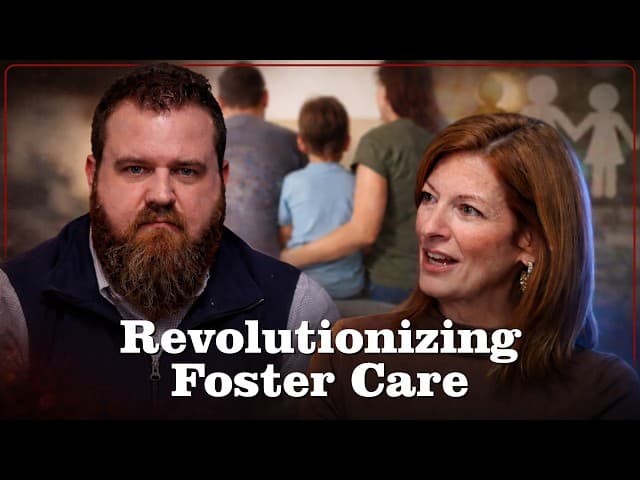
Amid these reforms, Alabama is also exploring innovative models for foster care. A recent discussion featuring **Lee Marshall** highlights efforts to **revolutionize foster care practices** in Alabama, emphasizing **trauma-informed care, community partnerships, and supportive foster environments**.
A notable resource is the video titled **"Revolutionizing Foster Care: The Alabama Model Changing America,"** which offers insights into pioneering approaches that prioritize **family preservation, mental health support, and community involvement**. These efforts aim to **break cycles of trauma** and foster sustainable, supportive environments for vulnerable children.
## Moving Forward: Priorities for Lasting Systemic Change
While the federal DOJ agreement provides a clear framework for reform, Alabama’s journey toward a truly protective system involves several critical priorities:
- **Strengthening independent oversight and transparency mechanisms** to ensure accountability.
- **Reducing court backlogs** to facilitate **timely permanency and stability**.
- **Prioritizing mental health and preventative services**, expanding community programs, crisis interventions, and trauma-informed care.
- **Decriminalizing minor infractions**, shifting responses toward **supportive, community-based approaches** rather than punitive measures.
- **Engaging families, youth, advocates, and local leaders** in policymaking, ensuring culturally competent, community-driven solutions.
Community advocates stress that **lasting change requires sustained political will, transparency, and active participation**. Moving from reactive, punitive policies toward **supportive, preventative strategies** is essential to uphold children’s rights and foster environments where families and youth can thrive.
## Current Status and Broader Implications
Despite promising steps, Alabama’s child welfare and juvenile justice systems continue to face significant challenges. The DOJ’s intervention offers a **comprehensive blueprint**, but **success hinges on consistent implementation, persistent oversight, and genuine community involvement**.
This federal intervention signals a **new chapter** emphasizing **prevention, transparency, and accountability**. Alabama’s ability to embrace and sustain these reforms will determine whether it can build a **truly protective and equitable system**—restoring public trust and ensuring children’s safety, dignity, and opportunities for generations to come.
**In conclusion**, Alabama stands at a pivotal moment. The federal intervention provides hope for meaningful, lasting reform, but **the true measure of progress will be in the sustained commitment of policymakers, community stakeholders, and advocates**. Only through collective effort can Alabama transform its systems into environments that truly serve and protect its children.