# The Converging Frontier of AI: Unified Latents, Retrieval, and Long-Context Systems Drive the Future
The artificial intelligence landscape is rapidly evolving into a highly integrated ecosystem, where innovations in **unified latent representations**, **multimodal diffusion models**, **scalable tokenization**, **advanced memory and retrieval systems**, and **long-horizon planning** are converging to create AI systems that are increasingly coherent, efficient, and capable. These breakthroughs are not only expanding AI’s functional boundaries but are also reshaping the infrastructure, safety paradigms, and trust frameworks necessary for responsible deployment at scale.
---
## Core Convergence: From Multimodal Synthesis to Real-Time Interaction
At the core of this transformation lies **Unified Latent Spaces (UL)**—a high-dimensional embedding framework that seamlessly encodes diverse modalities such as text, images, audio, and environmental signals within a common representation. This unification enables **instantaneous multimodal synthesis**, where perception and generation processes can be integrated in real-time. Techniques like **diffusion prior regularization** and **diffusion model decoding** have enabled **single-pass multimodal generation**, significantly reducing latency for applications like virtual assistants, immersive environments, and live content creation.
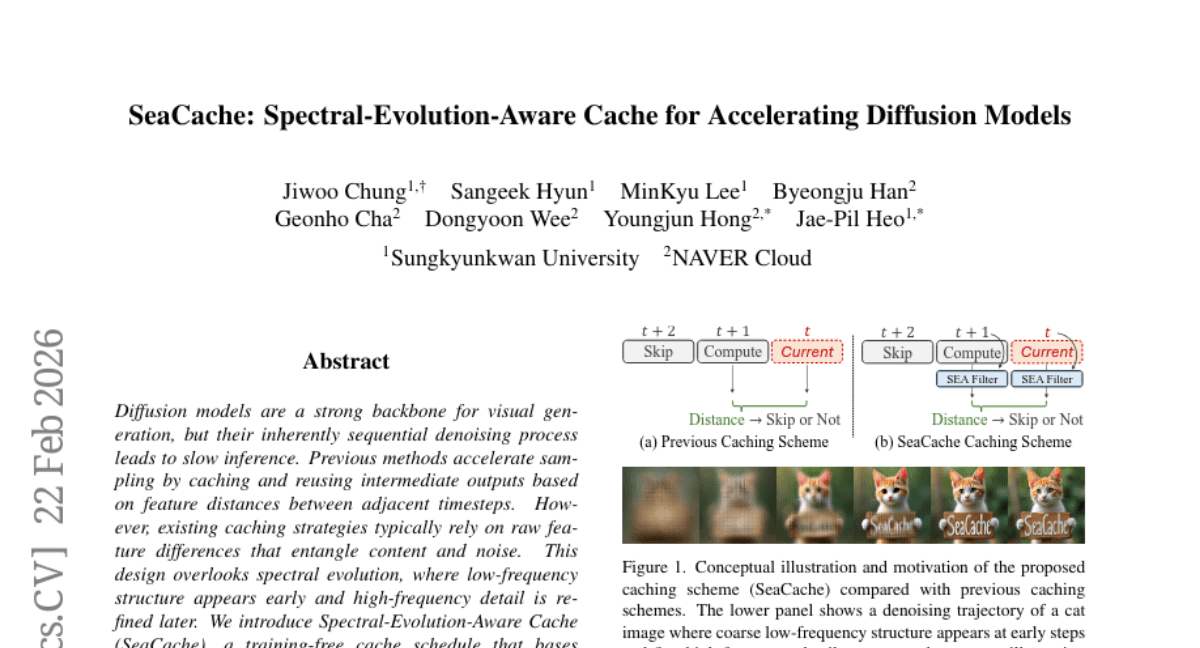
Recent innovations have demonstrated that **diffusion-based multimodal generation** can produce complex, hybrid outputs—visuals, narratives, or combined content—in a single step. For instance, **sphere encoders** exemplify this capacity by enabling **single-pass image synthesis**, which is vital for real-time virtual interactions and creative workflows. Complementing this, spectral caching techniques such as **SeaCache**—a **spectral-evolution-aware cache**—accelerate diffusion processes, making high-fidelity, real-time outputs increasingly accessible. This synergy of unified latents and efficient diffusion models is effectively closing the perception-action gap, fostering **more natural, fluid multimodal interactions**.
---
## Scaling Up: Tokenization, Attention, and Low-Latency Deployment
Handling complex, multimodal, and long-form data streams demands **robust tokenization** and **scalable attention mechanisms**. Recent developments include:
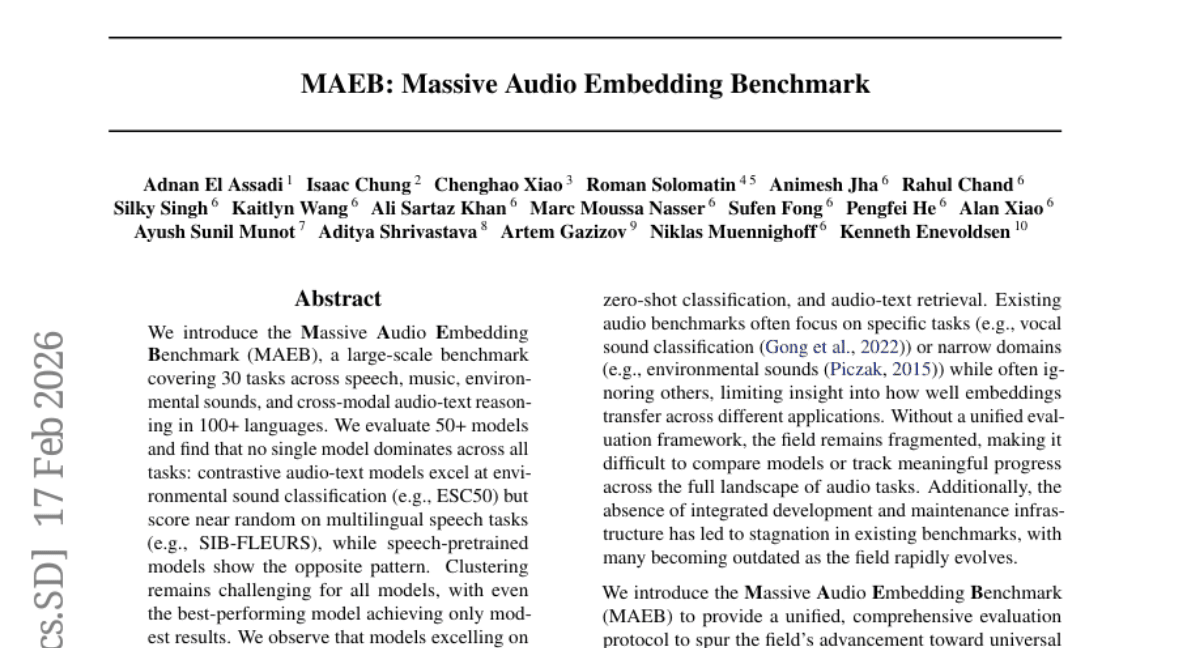
- **MOSS-Audio-Tokenizer**: Utilizes transformer architectures to interpret speech and environmental sounds with high fidelity, enriching AI’s auditory comprehension alongside visual and textual understanding.
- **SpargeAttention2**: A **trainable sparse attention** method that employs **hybrid top-k+top-p masking** and **distillation fine-tuning**. This approach reduces computational costs while maintaining deep reasoning abilities, enabling models like **Qwen3.5-397B** to perform at **state-of-the-art levels** with the potential for **real-time deployment on resource-constrained hardware**.
- **Quantized models**, such as **Qwen3.5 in INT4 precision**, now achieve **latency reductions exceeding 50%**, making high-performance AI feasible on **edge devices**, **embedded systems**, and **autonomous platforms**.
These advancements significantly enhance models’ ability to process, reason about, and generate complex multimodal data efficiently—even under strict resource limitations—paving the way for broader deployment in diverse environments.
---
## Memory and Retrieval: Enabling Long-Horizon, Factually Grounded Reasoning
To support **long-term reasoning** and **factual accuracy**, the integration of **retrieval-augmented generation (RAG)** with external knowledge bases has become essential. Systems like **LatentMem** and **GRU-Mem** enable models to **compress vast datasets into compact latent representations** or **dynamically prioritize relevant memories**, thereby facilitating **persistent, context-aware reasoning** without overwhelming computational resources.
Recent innovations include **midtraining**—an **intermediate training phase**—and **test-time adaptation techniques** such as **KV-binding**, which allows models to **dynamically incorporate new information during inference**. Notably, **KV-binding** functions efficiently under **linear attention mechanisms**, enabling **fast, flexible adaptation** during deployment. These systems are supported by **vector stores** like **Weaviate** and **Pinecone**, which now handle **millions of vectors** with **sub-10 millisecond latency**, vital for applications like **scientific discovery**, **enterprise decision-making**, and **knowledge update pipelines**.
Adding to this, **DeltaMemory** emerges as a groundbreaking development—**the fastest cognitive memory** for AI agents. It addresses a long-standing challenge: **AI agents tend to forget between sessions**, limiting their usefulness in persistent tasks. DeltaMemory introduces a **rapid, efficient memory update mechanism** that allows agents to **retain and recall context almost instantaneously**, transforming their capacity for **long-term, continuous reasoning** and **autonomous operation**.
---
## Real-Time, Speech, and Embodied Agents: Advancing Human-AI Interaction
The integration of **tighter instruction adherence** and **lower-latency voice workflows** has been significantly enhanced by models like **gpt-realtime-1.5** from OpenAI. This model delivers **more reliable, prompt, and contextually accurate speech interactions**, making voice workflows more robust for real-world applications such as virtual assistants, customer service bots, and interactive entertainment.
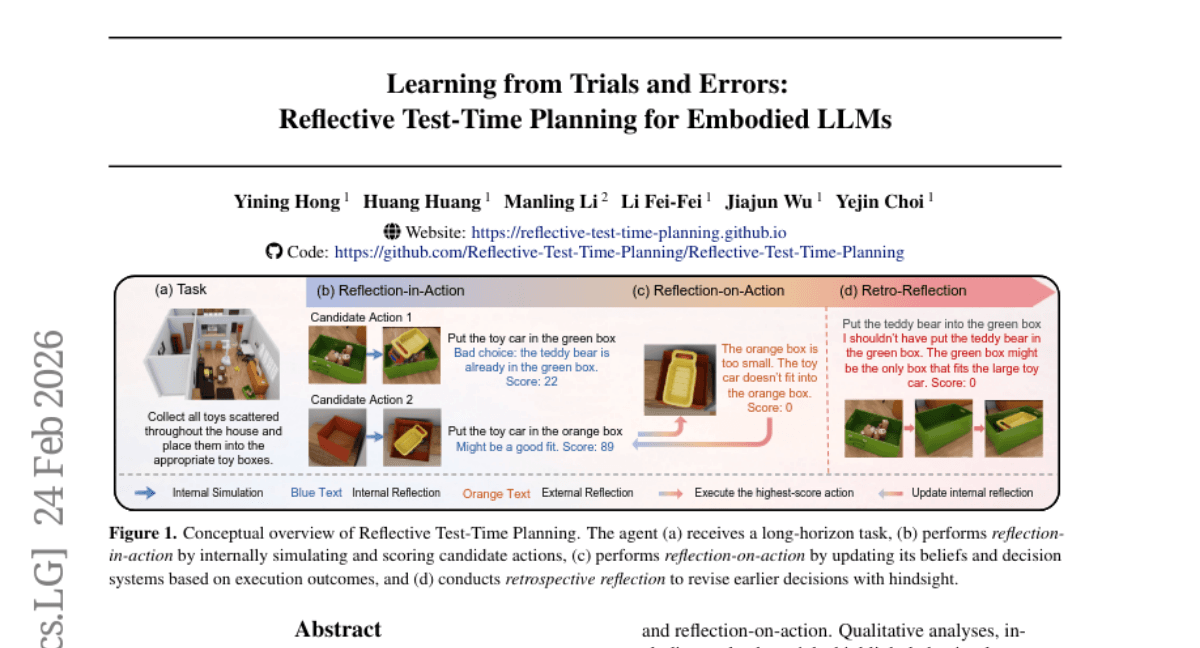
Furthermore, **embodied reasoning** is reaching new heights. Frameworks like **SARAH** utilize **causal transformers** combined with **flow matching techniques** to support **spatial reasoning** within physical and virtual environments. Multi-agent systems such as **ClawSwarm** demonstrate **scalable coordination** among robotic fleets and virtual agents, enabling **collaborative tasks** over extended periods. Emerging models like **RynnBrain** push **long-horizon planning** further by leveraging **spatiotemporal foundations**, empowering autonomous robots and virtual agents to **perceive, reason, and act** over prolonged durations within complex, dynamic environments.
---
## Infrastructure and Safety: Scaling Up Responsibly
Supporting these sophisticated capabilities demands **robust hardware and software infrastructure**. Platforms like **Nvidia Vera Rubin** now deliver **throughputs of approximately 17,000 tokens/sec**, enabling **long-context reasoning** at scale. Distributed inference frameworks such as **vLLM-MLX** and **Tensorlake** facilitate **scalable, low-latency deployment** across large clusters, ensuring resilience and efficiency.
Equally crucial are **safety and trustworthiness** measures. Recent efforts include:
- **Formal verification tools** like **TLA+** that help **ensure safety properties**.
- **Neuron-level safety tuning** via **NeST**, which provides **behavioral controls** at the neural level.
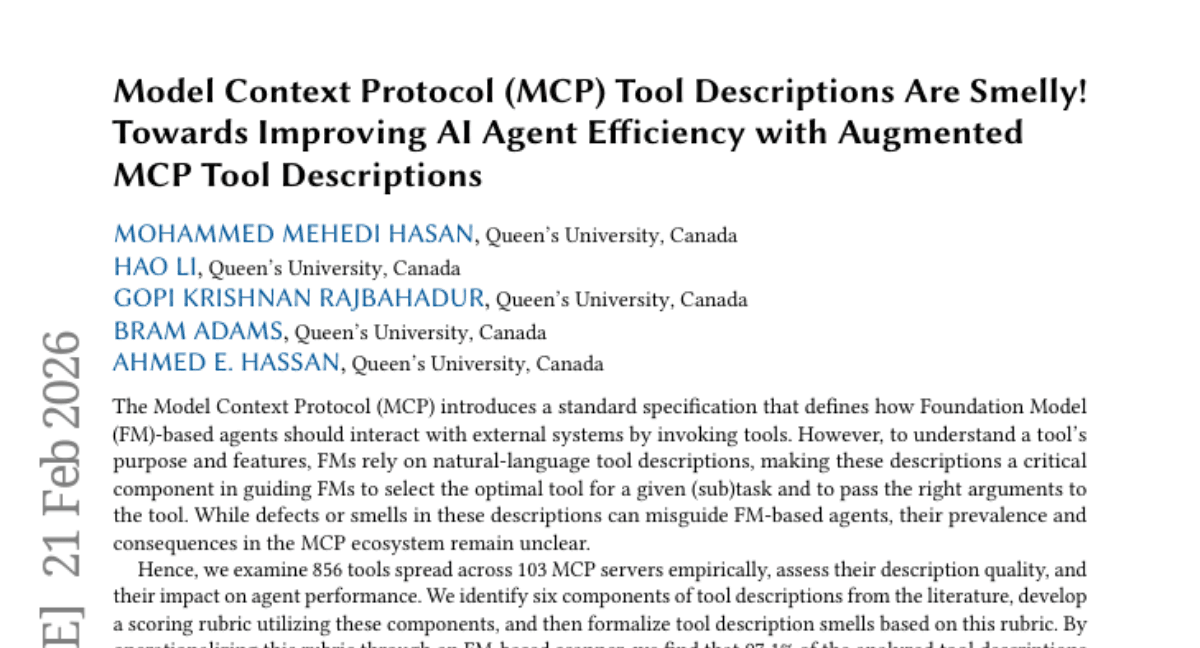
- **Operator-level security measures**, notably the **"Model Context Protocol (MCP)"**, which **optimizes tool descriptions**, reduces redundancy, and enhances **multi-tool interaction efficiency**.
- **High-assurance AI initiatives** from DARPA and industry collaborations, focusing on **reliable, controllable AI** for applications where safety is paramount.
---
## Supplementary Innovations: Accelerating Diffusion & Ensuring Robustness
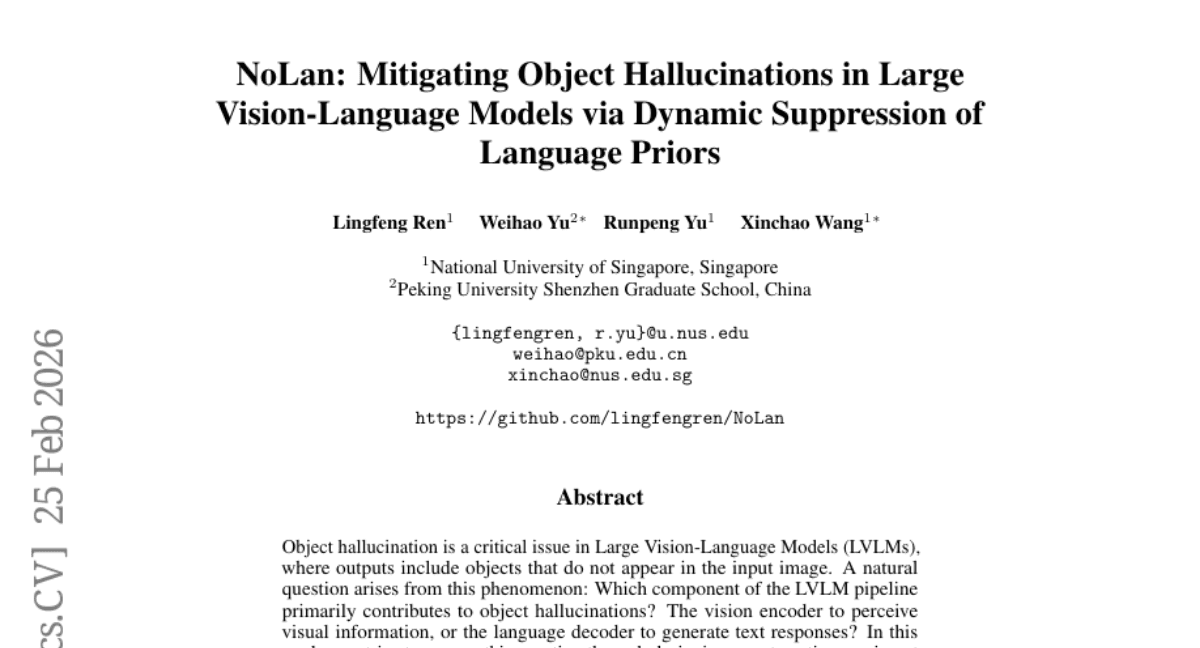
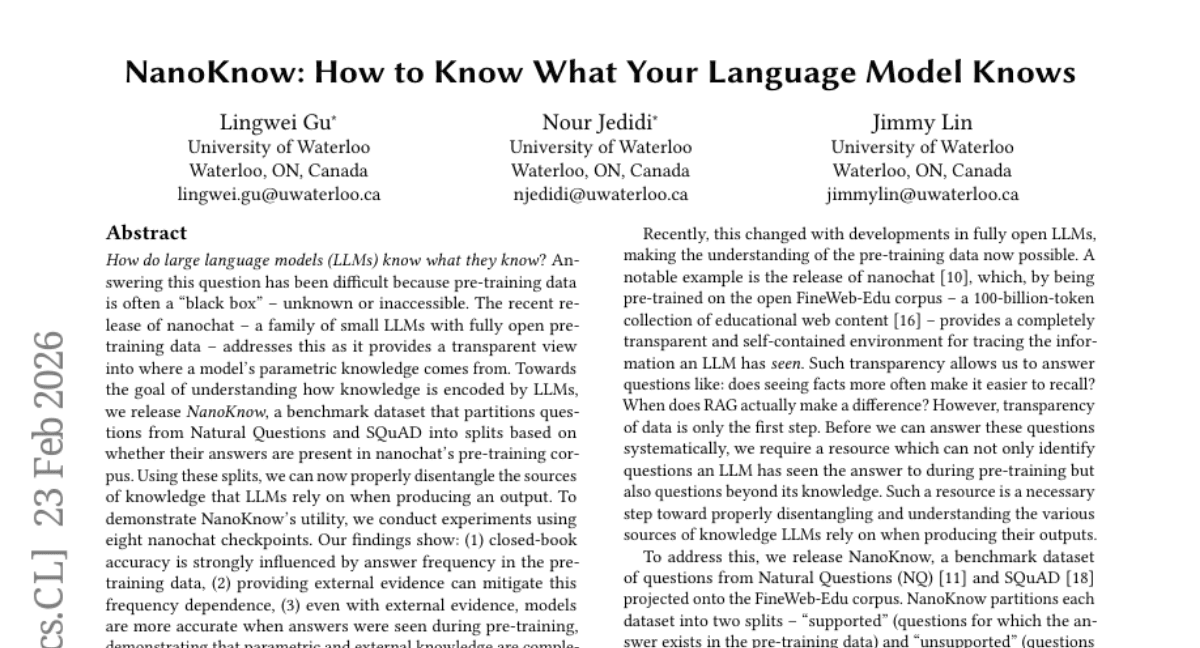
New techniques like **SeaCache**—a **spectral caching method**—accelerate diffusion processes, reducing latency in generative tasks, especially important for real-time multimodal synthesis. Additionally, **NoLan** has been introduced to **mitigate object hallucinations** in vision-language models by **dynamically suppressing language priors**, boosting **factual accuracy**.
Robustness and verification efforts continue to advance, with research probing **model knowledge**, **hallucination mitigation**, and **trustworthy deployment**—crucial for high-stakes domains such as healthcare, autonomous driving, and defense.
---
## Current Status and Future Outlook
The convergence of **unified latents**, **scalable tokenization**, **long-term memory systems**, **embodied reasoning**, and **robust infrastructure** is transforming AI into a **more coherent, trustworthy, and capable ecosystem**. These technological strides are enabling **multimodal reasoning**, **long-horizon planning**, and **autonomous decision-making** that mirror and extend human-like understanding of complex environments.
Looking ahead, the emphasis on **safety, verification, and efficiency** remains paramount. Recent developments such as **DeltaMemory** and **gpt-realtime-1.5** exemplify this trajectory—bringing **fast, reliable, and safe AI systems** closer to widespread deployment. The integration of **spectral acceleration techniques** like SeaCache, **high-performance hardware**, and **optimized multi-tool protocols** suggests a future where **AI agents** are not just powerful but also **trustworthy and aligned with human values**.
In summary, the current landscape exemplifies a **harmonious blend** of **deep foundational research** and **practical engineering**, heralding an era where **autonomous, adaptable, and trustworthy AI** systems will seamlessly operate across diverse environments—marking a new frontier in artificial intelligence.