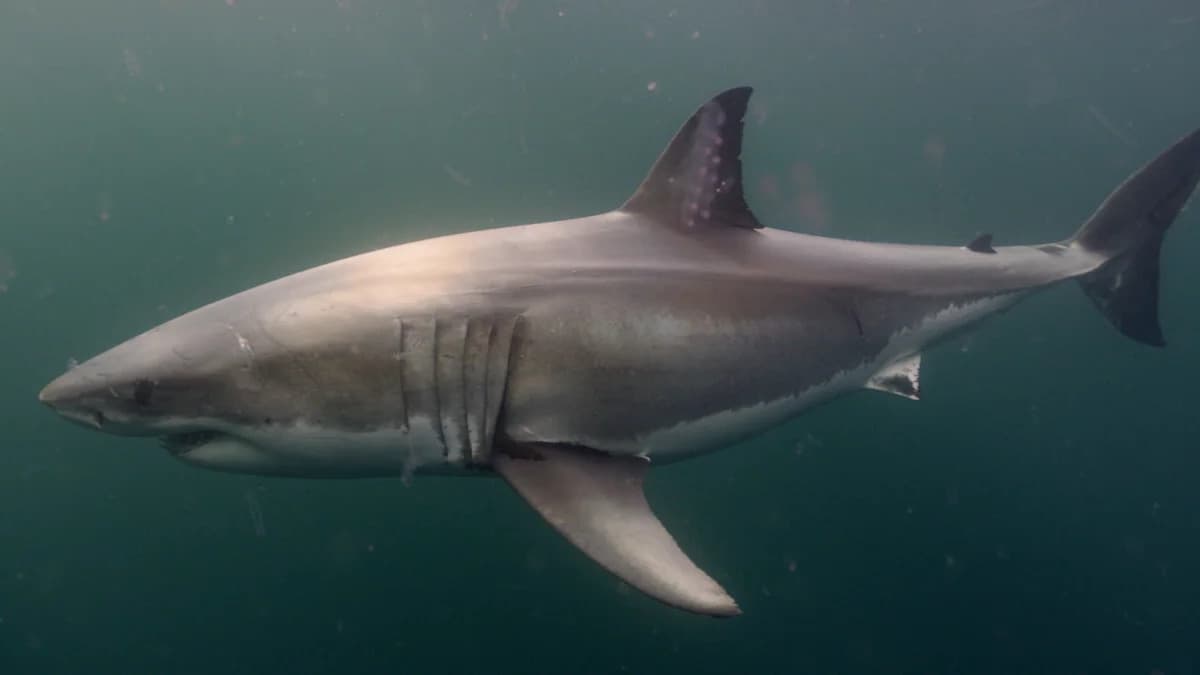
Great white sharks (Carcharodon carcharias) continue to redefine their ecological footprint along the U.S. Atlantic and Gulf coasts and adjacent Canadian waters, with 2026 and early 2027 observations revealing increasingly complex patterns of habitat use, migration, and social behavior. Recent developments—highlighted by expanded nursery grounds, year-round residency in the Gulf of Mexico, sophisticated movement corridors, and breakthroughs in monitoring technology—underscore the species’ dynamic responses to warming oceans and shifting prey distributions. These insights not only deepen scientific understanding but also amplify the urgent call for integrated, adaptive, and transboundary management strategies that align conservation goals with community engagement and human safety.
---
### Reinforced Northern Range Expansion and Emerging Nursery Habitats
Poleward range expansion remains a hallmark trend for great whites, driven primarily by rising sea surface temperatures and prey availability:
- **Record-Sized Montauk Specimen:** In early 2026, drone footage captured a nearly 1,700-pound great white shark near Montauk Point, Long Island—an unprecedented individual for northern latitudes. This shark’s prolonged presence, combined with behavioral indicators of mating and hunting activity, establishes Montauk Point as a **critical year-round hotspot** beyond its traditional seasonal role. Researchers suggest this expansion reflects warming Atlantic waters enabling greater resource availability farther north.
- **Big Tancook Island Nursery:** Juvenile sharks such as the young “Brookes” have been repeatedly sighted around Big Tancook Island in Atlantic Canada, confirming the Gulf of Maine’s growing importance as a nursery habitat. Such findings necessitate enhanced cross-border cooperation between U.S. and Canadian authorities to safeguard these vulnerable early life stages, especially as environmental changes may further shift nursery distributions.
- **South Carolina Coastal Presence:** The sighting of a large great white (8 feet, 456 pounds) approximately 42 miles off Myrtle Beach in late 2026 demonstrates a southward extension into the Mid-Atlantic region’s coastal waters. This underscores the need for localized monitoring and public education in areas previously considered marginal shark habitats.
- **New Offshore Pings Near Known Hotspots:** A juvenile great white shark tagged off Cayo has emitted pings offshore of a well-established great white hotspot, confirming that juveniles utilize both nearshore and offshore habitats. This reinforces the complexity of nursery habitat use, indicating that spatial protections must extend beyond coastal zones to encompass offshore areas critical to early shark development.
Together, these northern range expansions illustrate how **climate-driven habitat shifts** are redefining regional shark ecology, compelling transboundary conservation efforts that incorporate ecological forecasts and stakeholder input.
---
### Gulf of Mexico Confirmed as Year-Round Core Habitat with Expanded Offshore Nurseries
Contradicting earlier assumptions of seasonal visitation, 2026 telemetry and acoustic tracking studies provide compelling evidence that the Gulf of Mexico functions as a permanent habitat and nursery ground:
- The female shark “Ernst,” tagged off Alabama, exhibits strong site fidelity within the Gulf while maintaining genetic connectivity with wider Atlantic populations. Ernst’s patterns confirm the Gulf’s dual role as a core habitat and a migratory corridor.
- Juveniles “Brass Bed” and “Penny” have been tracked to **newly identified offshore nursery sites located roughly 90 miles west-northwest of Key West**, expanding the understanding of nursery spatial extent beyond traditional inshore areas.
- Despite increased shark presence, reports of shark-human conflicts remain low. Marine scientist Mark Grace attributes this to *“effective community stewardship, abundant prey including dolphins and stingrays, and robust ecosystem health.”* This community-science partnership model offers a valuable blueprint for coexistence and resilience.
---
### Mid-Atlantic Migratory Corridors Illuminate Transboundary Connectivity
The Mid-Atlantic coastline continues to emerge as a vital migratory corridor linking Gulf and Atlantic great white populations:
- The 14-foot female “Contender,” tagged near Wilmington, North Carolina, exemplifies seasonal migrations spanning North Carolina’s coast down to Florida’s Atlantic shore, using these waters as both a transit route and a foraging ground.
- Movement data from Contender, Ernst, and the large adult “Webster” (exceeding 12 feet) reveal **intricate interbasin connectivity** across multiple U.S. states and Canadian provinces. These patterns highlight the urgent need for **integrated transboundary conservation frameworks** that harmonize regulatory policies and enable real-time data sharing.
- Environmental drivers such as prey migrations, ocean currents, and SST gradients continue to shape these corridors, emphasizing the necessity of ecosystem-based management approaches that cross political boundaries.
---
### Individual Sharks Illuminate Complex Social, Reproductive, and Behavioral Ecology
Close monitoring of key individuals reveals sophisticated and often surprising aspects of great white ecology:
- The record-sized Montauk shark provides rare data on upper growth limits, habitat preferences, and potential northern mating behaviors.
- “Webster” exhibits behaviors suggesting **intraspecific social interactions**, challenging the long-held notion of great whites as strictly solitary predators. These social dynamics appear environmentally influenced and fluid.
- Juvenile “Brookes” enriches understanding of nursery habitat use and early behavioral development, offering critical insights into life-stage ecology.
- Recent offshore pings from tagged juveniles indicate nuanced habitat use patterns, including both nearshore and pelagic zones, underscoring the need for diverse habitat protections.
Collectively, these individual-centered studies deepen knowledge of reproductive strategies, social structures, and behavioral plasticity, painting a complex portrait of adaptability amid environmental change.
---
### Environmental and Anthropogenic Drivers Shaping Shark Movements
Great white spatial ecology is the product of a multifaceted interplay between natural and human factors:
- **Warming sea surface temperatures (SSTs)** continue to drive poleward expansions and prolong seasonal residency, facilitating access to new foraging and mating habitats.
- **Prey dynamics** remain a dominant influence on migration timing and habitat selection. Aggregations of marine mammals and fish serve as key attractors, a connection supported by recent research from Dr. Nicholas Ray.
- **Interspecific interactions** with apex competitors, notably killer whales, provoke habitat avoidance and behavioral shifts, adding complexity to movement patterns.
- **Vessel traffic and anthropogenic stressors** affect shark behavior and stress responses, as demonstrated by studies from the University of Miami’s Rosenstiel School. These disturbances may influence distribution and population dynamics, highlighting the need to integrate human impact mitigation into management plans.
- Emerging research on shark cognition, including the study *“Could Sharks Be Smarter Than We Think?”*, suggests advanced social and hunting sophistication. Observations of complex hunting tactics and possible cooperative behavior may enhance resilience to environmental and anthropogenic pressures.
---
### Monitoring, Mitigation, and Technological Innovations Foster Safer Coexistence
The integration of cutting-edge technology and community partnerships is revolutionizing shark monitoring and management:
- **Enhanced tagging technologies**—including satellite and acoustic tags deployed on sharks such as Ernst, Contender, Brass Bed, Penny, Webster, and the juvenile tagged near Cayo—enable near real-time tracking and detailed habitat use analysis. These data support dynamic, responsive management and rapid incident response.
- **Non-invasive monitoring** through drones, exemplified by the 2026 Montauk footage, minimizes disturbance while raising public awareness.
- **Early warning systems** like shark detection buoys, developed by James Anderson’s Shark Lab, provide real-time alerts to beach managers and swimmers along both the Atlantic and Gulf coasts, enhancing safety.
- **Community reporting platforms** empower fishers and coastal residents to log shark sightings rapidly, enriching ecological databases and facilitating localized responses.
- Florida Atlantic University researchers have advanced a **patent-pending, cost-effective electric deterrent device using zinc-graphite technology** that shows promising early results in reducing shark bycatch. This innovation marks a significant breakthrough in sustainable fisheries management.
- Partnerships with institutions such as Mote Marine Laboratory are pushing forward electronic repellents and shark-repellent wetsuits inspired by Australian designs, offering ethical, practical tools to reduce shark-human conflicts.
- Publications like *“Connecting the Dots: Sharks, Science, and Stakeholders”* emphasize the critical role of fishers and coastal communities as conservation partners. Citizen science, including reports of accidental shark captures, continues to provide invaluable data.
- Integration of global datasets, enriched by Australian research, challenges prior assumptions about great white behavior and reinforces the necessity of international cooperation in research and management.
---
### Bycatch Controversies Catalyze Shift Toward Non-Lethal Mitigation
A recent high-profile bycatch incident near **Alkantstrand**, involving the death of a juvenile dolphin entangled in shark nets, has galvanized public scrutiny and debate:
- Dramatic drone footage capturing the event exposed the unintended harm caused by lethal shark nets, sparking calls for urgent reform.
- Conservation advocates and scientists now emphasize **non-lethal deterrents** and advanced bycatch reduction technologies as more ethical and effective alternatives. The zinc-graphite shield device and electric deterrents are at the forefront of this technological shift.
- This controversy highlights the imperative for transparent, stakeholder-informed management approaches balancing human safety, ecosystem health, and ethical considerations.
---
### Myth-Busting and Education Foster Informed Public Perception
Persistent myths continue to impede shark conservation and coexistence:
- The recent article *“15 Myths About Great White Sharks Debunked”* tackles misconceptions such as sharks as mindless killers and misinterpreted attack behaviors.
- Educational outreach centered on shark biology, behavior, and ecological roles is critical to reducing unwarranted fear and fostering coexistence.
- These myth-busting efforts complement monitoring and mitigation by promoting informed stewardship and countering sensationalized narratives.
---
### Rising Shark Sightings Despite Population Declines: Understanding the Paradox
An intriguing paradox persists: **shark sightings have increased even as population studies indicate declines.** Recent analyses offer clarity:
- Behavioral shifts, including altered distribution and habitat use, may increase human encounters despite overall population decreases.
- Improved monitoring technologies, heightened public awareness, and expanded reporting platforms contribute to higher sighting frequencies.
- This decoupling challenges assumptions linking sightings directly to population health, underscoring the need for nuanced data interpretation in risk communication and management.
---
### Toward Adaptive, Cooperative, and Transboundary Management
The growing complexity of great white shark spatial ecology demands **flexible, cooperative, and transboundary management frameworks** responsive to evolving environmental and social contexts:
- The Gulf of Mexico’s year-round habitat and expanded offshore nurseries call for dedicated protections involving local stakeholders and fisheries.
- Mid-Atlantic migratory corridors necessitate harmonized policies and cross-jurisdictional data sharing among U.S. states and Canadian provinces.
- Northern expansions into Atlantic Canada require climate-responsive strategies anticipating ongoing range shifts.
- Integration of cutting-edge technologies, real-time monitoring, and community engagement enhances capacities to manage human-shark interactions safely and effectively.
- Addressing global increases in shark incidents demands balanced policies prioritizing coexistence alongside conservation, with education and prevention central.
Success hinges on **adaptive, collaborative, and transboundary approaches** grounded in rigorous science and active public participation. Continued investment in research, outreach, and mitigation innovation remains essential to navigating the challenges posed by these apex predators.
---
### New Public Engagement Opportunity: OCEARCH Tag Recovery and Live Tracking
Building on monitoring advances, **OCEARCH** has expanded its public engagement initiatives:
- The **OCEARCH Global Shark Tracker** platform enables the public to follow tagged individuals like “Helena,” “Webster,” and others in near real-time, fostering transparency and connection.
- Scheduled live events featuring interactive sessions on shark tag recovery and tracking technology deepen public understanding of scientific methodologies.
- These initiatives enhance stewardship by bridging the gap between researchers and the public through immersive science communication.
---
### Conclusion
Great white sharks are dynamically reshaping marine ecosystems along the U.S. Atlantic and Gulf coasts and adjacent Canadian waters, serving as both barometers of environmental change and catalysts for innovative conservation. The expanding presence of iconic individuals—such as the record-sized Montauk specimen, “Brookes” at Big Tancook Island, “Ernst” in the Gulf, and “Webster” traversing Mid-Atlantic corridors—combined with new offshore nursery discoveries and technological breakthroughs, offers a hopeful outlook for informed coexistence. Embracing a multifaceted, collaborative approach that integrates science, technology, community involvement, and education is essential not only to conserve these apex predators but also to sustain the resilience and diversity of the ocean ecosystems they help regulate.