# Ongoing Turmoil in U.S. Education in 2026: New Developments Highlight Challenges in Civil Rights, Safety, Governance, and Community Tensions
The landscape of American education in 2026 continues to face unprecedented turbulence, marked by a convergence of legal battles, safety crises, community activism, and governance disputes. As the year unfolds, fresh incidents and policy shifts underscore both the vulnerabilities and resilience of districts nationwide. This evolving crisis underscores the urgent need for transparent leadership, equitable policies, and adaptive strategies to safeguard educational environments amid societal upheaval.
## Strengthening Civil Rights Enforcement: Federal and Judicial Interventions
This year has seen robust federal and judicial actions reaffirming commitments to civil liberties within schools:
- The **U.S. Department of Justice (DOJ)** has intensified oversight by **sending a detailed letter to the St. Louis Special School District**, condemning the **overuse of seclusion and restraint practices**—particularly affecting students with disabilities. This move signals ongoing federal efforts to ensure humane disciplinary approaches and compliance with civil rights laws.
- In Michigan, **three districts** are under **investigation for violations of Title IX**, with reports indicating enforcement gaps related to **gender equity and harassment policies**. Concerns center on whether schools are adequately protecting student rights and fostering inclusive environments.
- A **federal court in Texas** issued **injunctions blocking key provisions of Senate Bill 12**, a controversial law restricting classroom discussions on race and identity. Districts in **Austin, Houston, and Dallas** were **temporarily barred from enforcing four parts of the law**, with the court ruling that these provisions **violated constitutional protections**. This judicial action underscores the ongoing legal contest over diversity, equity, and inclusion initiatives.
These measures reflect a persistent federal and judicial stance in defending civil liberties, even as some states push restrictive policies perceived to undermine diversity efforts.
## Safety Incidents and Systemic Vulnerabilities: New Challenges Emerge
School safety remains a pressing concern, with recent incidents exposing systemic vulnerabilities:
- At **Lee High School**, a teacher resigned amid **allegations of inappropriate comments toward a female student**, igniting community fears about staff misconduct and safeguarding procedures. Parents are calling for **more rigorous vetting and ongoing staff training**.
- The **Monessen City School District** faced a **security breach when a staff member was caught bringing a firearm onto campus**, prompting immediate security upgrades and raising alarm about weapons in schools. This incident emphasizes the **urgent need for stricter screening protocols**.
- In **Winnsboro ISD**, the appointment of **Greg Hollingsworth as police chief** aims to **bolster campus security** amidst recent threats, reflecting a broader trend of **increased law enforcement presence**.
Additional safety and health-related incidents include:
- **Six students at San Pasqual Union Elementary in Escondido, California**, required paramedic assistance after ingesting candy bars, raising concerns about **food safety and health monitoring protocols**.
- A **school bus in Farmington** mistakenly dropped students at an incorrect stop, exposing logistical flaws that could compromise student safety.
- **Spencer County Schools** canceled classes for a week due to **an outbreak of seasonal illnesses**, highlighting ongoing health vulnerabilities amid pandemic fatigue and strained resources.
- **Weather-related closures** have increased, with recent cancellations following a severe winter storm on February 23, illustrating the logistical challenges districts face in maintaining consistent operations.
In response, districts are advocating for **greater transparency in safety protocols**, **expanded mental health supports**, and **improved communication channels** to rebuild trust and ensure student well-being.
## Community Activism and Immigration-Related Tensions Escalate
Community responses remain intense, often fueled by concerns over staffing, curricula, and immigration enforcement:
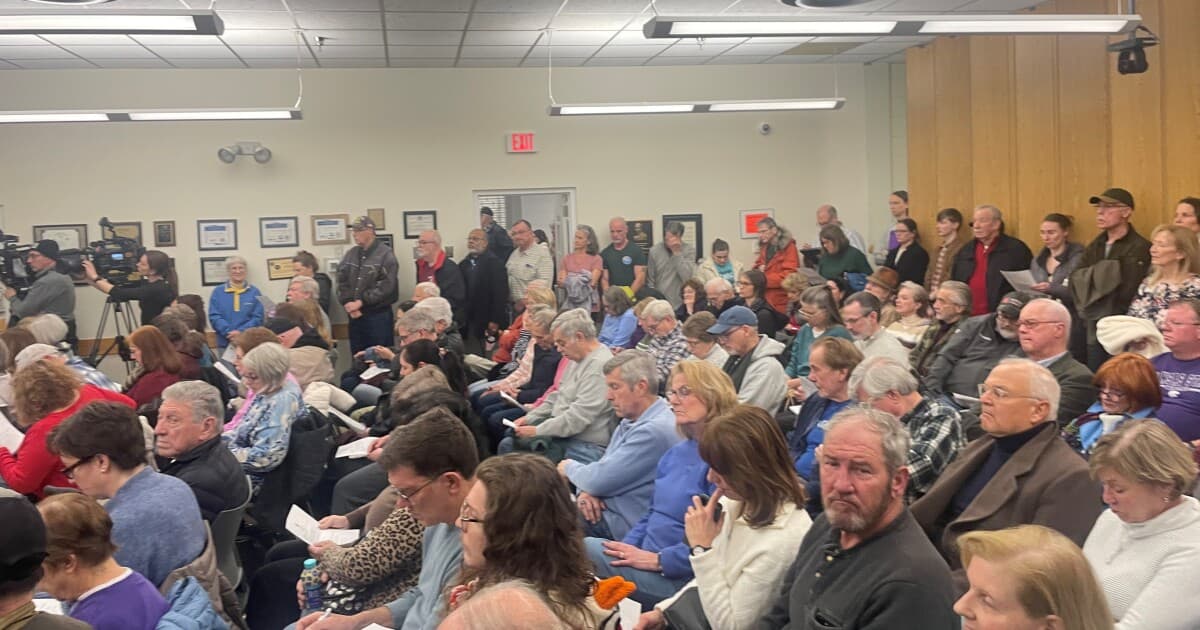
- A **viral video titled "Community Speaks Out On School Staffing Cuts"** showcases parents voicing frustration over **staffing reductions**, arguing that **safety and educational quality should not be sacrificed for budgetary savings**. These protests highlight broader issues of **resource allocation** and **district transparency**.
- In **Fenton, Michigan**, protests erupted following the **narrow approval of a controversial curriculum**, igniting debates over **ideological influence** and **decision-making transparency**.
- **Anti-ICE demonstrations in Quakertown** led to **student detentions**, provoking outrage among civil rights advocates. A **12-minute YouTube video** vividly depicts community fears regarding **immigration enforcement**, reflecting societal tensions and fears of law enforcement overreach within schools.
- The **Texas Attorney General** has launched **investigations into districts** following **anti-ICE protests**, framing these actions as **disruptive or politically motivated**, further deepening divisions over **immigration policies** and **civil rights**.
- Community activism has also turned toward **external contractors**, amid rumors involving **Jeffrey Epstein**, fueling concerns over **ethics and governance** in educational contracting processes.
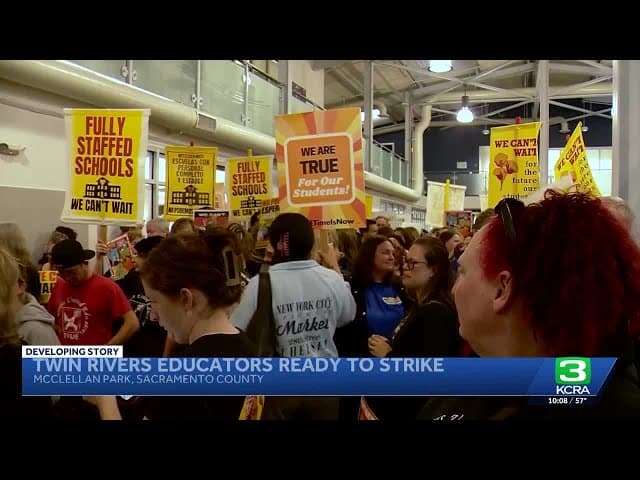
- Teachers and staff continue to organize labor actions, exemplified by the **Twin Rivers rally demanding a fair contract**, amidst ongoing turmoil over pay and working conditions.
## Governance, Transparency, and Ethical Controversies: Deepening Distrust
Disputes over district governance and fiscal transparency have fueled public skepticism:
- In **Rhode Island**, a district’s demand for **$1.2 million to access contract documents** has been labeled **"patently absurd"** by critics, fueling suspicion about district management and transparency.
- Proposed legislation such as **Oregon’s bill allowing secret discussions among public officials** has alarmed critics, who warn it could **undermine public oversight** and **erode trust**, especially amid ongoing governance instability.
- Leadership upheavals persist, exemplified by the **removal and censure of Terri Lawson from the Woodland Hills School Board**, highlighting ongoing political strife.
- A **parent-led coalition** is demanding **greater transparency**, particularly regarding **contracts linked to Epstein rumors**, reflecting community concerns over **ethics** and **external influence**.
- An alarming **OC Register investigation** revealed that **part-time school board trustees** are receiving **"gold-plated" healthcare plans**, raising questions about **fiscal responsibility** and **equity in benefits**.
- In Los Angeles, **FBI agents raided the home and office of the LA Unified superintendent**, signaling serious **ethics and corruption concerns**. The raid, captured in a **3-minute video**, suggests ongoing investigations into **potential misconduct** at the highest levels of district leadership.
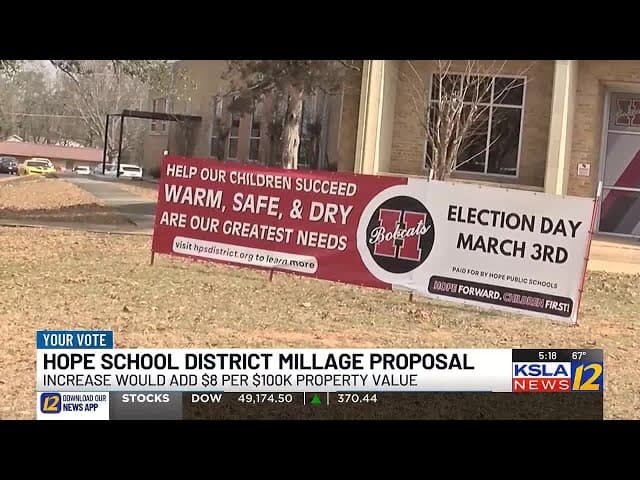
- Meanwhile, **districts like the Hope School District** are seeking **millage increases**—the first in 40 years—to fund critical improvements, reflecting ongoing fiscal pressures.
## Infrastructure, Enrollment, and Climate Resilience Initiatives
Amid demographic shifts and environmental challenges, districts are making strategic infrastructure decisions:
- The **sale of Bell Elementary’s property** has sparked controversy, with critics arguing districts missed opportunities for expansion and should reconsider land use policies.
- Conversely, **Clark County School District (CCSD)** is **building a new elementary school in Skye Canyon**, defying enrollment decline trends. A **YouTube video titled "Bucking enrollment trends, CCSD building new elementary school in Skye Canyon"** highlights proactive planning to **accommodate population growth** and **prevent overcrowding**.
- Several districts, including **Portland**, are **considering school closures** of underutilized facilities, prompting community resistance and debates over **resource allocation versus community needs**.
- **Climate resilience projects** are gaining momentum, with districts hosting **community engagement events** focused on **flood defenses** and **climate-adaptive architecture**. Despite limited budgets, districts are actively seeking external funding sources.
- Notable initiatives include **East Newton School District’s** unveiling of a **storm shelter at Granby campus**, and **East Valley School District’s** proposal for a **$220 million bond measure** aimed at modernizing facilities and enhancing climate resilience.
## Policy Evolution and Leadership Recognition
Policy debates continue, particularly around **AI integration and ethical standards**:
- **Greenville County** is considering revisions to **AI policies** to address **ethical concerns** and **technological oversight**.
Amidst the chaos, **strong leadership persists**:
- **Superintendent Marci Catlett of Fredericksburg** has been honored as **Region III Superintendent of the Year** for her **resilience, strategic vision, and community engagement**, exemplifying the importance of transparent, community-centered leadership during turbulent times.
## Latest Localized Disruptions and Small District Impacts
Operational disruptions continue to affect small districts:
- A **heavy snowfall in Torrington** led to a **delayed school start**, with a **YouTube video titled "Snow falling in Torrington, where the public schools district announced a delay"** capturing the winter weather’s impact.
- **Immigration enforcement** has significantly affected smaller districts in Minnesota, where **ICE actions** have resulted in **student detentions** and heightened fears among immigrant families. An article titled "**Small MN districts have become the face of ICE impact on schools**" details these disruptions, illustrating how national immigration policies directly influence local educational communities.
## Recent High-Profile Developments
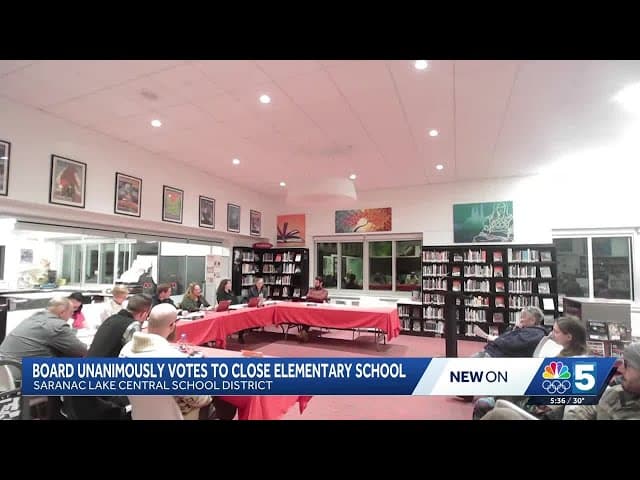
- The **Saranac Lake School Board** voted **unanimously to close Bloomingdale Elementary School**, citing declining enrollment and budget pressures. A **short video** captures community reactions, emphasizing the emotional and logistical toll of district consolidation efforts.
- An **OC Register investigation** revealed that **part-time school trustees** are receiving **"gold-plated" healthcare plans**, raising questions about **fiscal responsibility and equity** in governance.
- **FBI agents raided the home and office of the LA Unified superintendent**, signaling a major investigation into **potential misconduct and ethical lapses** at the district’s top leadership. The raid, documented in a **3-minute video**, has intensified scrutiny of district governance.
## **Implications and Outlook**
As 2026 advances, the intertwined crises of civil rights enforcement, safety vulnerabilities, community activism, and governance disputes paint a picture of an education system at a critical crossroads. Federal actions have reaffirmed commitments to civil liberties, yet local and state policies continue to spark controversy and division.
Operational challenges—from staff misconduct to safety breaches—highlight the urgent need for **systemic reforms and increased transparency**. Infrastructure investments and climate resilience initiatives signal a commitment to adaptation amid environmental threats, while community activism underscores the importance of **inclusive, transparent decision-making**.
Leadership remains vital; exemplary figures like **Superintendent Catlett** demonstrate resilience and community engagement. Conversely, investigations such as the **FBI raid on LAUSD** and revelations of **gold-plated trustee healthcare** reflect ongoing governance and ethical concerns.
**In sum**, 2026 is shaping up as a pivotal year for American education—testing the resilience of districts, communities, and policymakers. The path forward depends on collaborative efforts to address safety, civil rights, transparency, and sustainability, ensuring that schools serve as safe, equitable, and adaptable environments in an increasingly complex societal landscape. The coming months will be crucial in determining whether the system can stabilize and evolve or continue to fracture under mounting pressures.