# Mojtaba Khamenei’s Succession and Iran’s Internal Power Struggles Amid Escalating Regional and Global Tensions
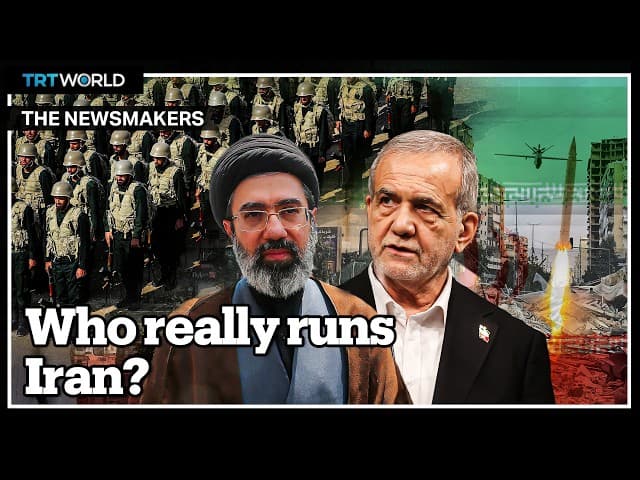
The recent appointment of Mojtaba Khamenei as Iran’s Supreme Leader marks a pivotal turning point in Tehran’s political landscape, signaling a substantial shift toward a more securitized, centralized regime amid a backdrop of escalating regional conflicts, internal dissent, and shifting international alliances. This transition, succeeding the long-standing rule of Ali Khamenei, reflects both a generational change and a strategic consolidation of power by Iran’s entrenched clerical, military, and security elites. As Iran confronts mounting crises—ranging from internal protests to regional military confrontations—the regime’s future trajectory remains uncertain, with profound implications for regional stability and global diplomacy.
## A Strategic Succession in a Turbulent Era
Mojtaba Khamenei’s rise appears to be more than a routine succession; it is widely interpreted as a calculated move by Iran’s ruling establishment to **strengthen the Revolutionary Guard’s dominance** and to **bolster the regime’s resilience** amid internal unrest and external threats. Officially presented as a standard leadership transition, analysts suggest this change is part of a broader effort to **entrench authoritarian control** and **avoid internal power vacuums** that could be exploited by opposition factions or external adversaries.
Reactions across the diaspora have been sharply critical. Reza Pahlavi, the exiled former crown prince, condemned the appointment, warning that it **entrenches authoritarianism** and diminishes prospects for meaningful reform. The Iranian diaspora, especially in Europe and North America, has intensified calls for **renewed sanctions** and stronger international pressure, viewing Mojtaba’s leadership as a sign of increased repression and a further escalation of Iran’s aggressive regional posture.
## Internal Dynamics: Crackdowns, Dissent, and Economic Hardship
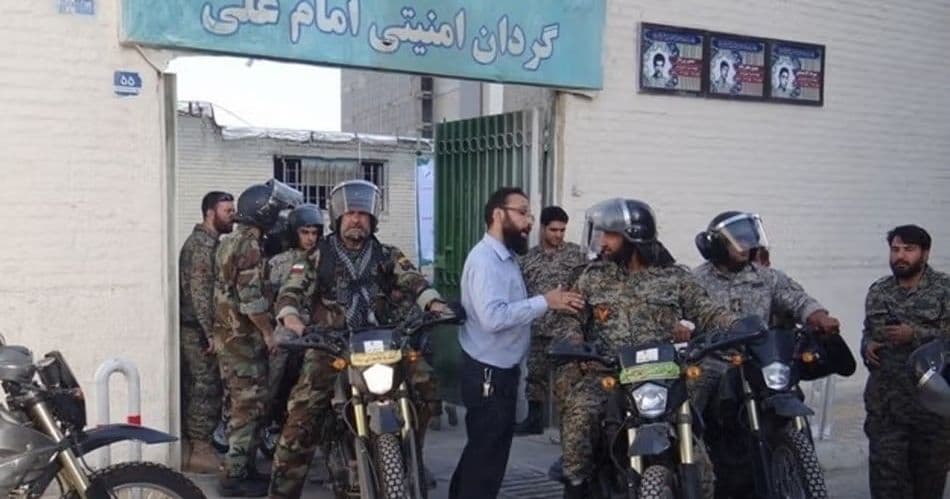
Simultaneous with the leadership transition, Iran’s security apparatus has intensified repression. Reports indicate a **surge in arrests of political activists, dissidents, and protest leaders**, along with increased surveillance and censorship measures. The regime’s narrative emphasizes **military strength and internal stability**, yet independent analysts warn that reliance on coercion risks fueling **further unrest**.
Recent developments include:
- **Detention of activists and dissenters**, often under vague charges.
- Deployment of **advanced surveillance technology** in major urban centers.
- Public assertions of **Iran’s military readiness**, even as economic and social crises deepen.
Amid these repression efforts, Iran’s citizens continue to document state failures and injustices. Social media campaigns are highlighting tragedies blamed on the regime, such as economic mismanagement, repression, and corruption, aiming to **counter the regime’s narrative** of stability and strength. Such efforts underscore **an increasingly aware and organized populace** resisting authoritarian control.
Economically, Iran faces severe hardships—**inflation, unemployment, and currency devaluation**—driving widespread social unrest. To circumvent Western sanctions, Iran has accelerated the development of its **digital economy**, notably through cryptocurrencies and digital assets. Recent estimates suggest Iran’s **digital economy is worth approximately $7.8 billion**, with crypto playing a vital role in facilitating international trade despite restrictions. The government’s backing of **cryptocurrency initiatives** reflects a strategic attempt to **maintain economic resilience** amid sanctions, though concerns about **illicit activities and transparency** persist.
## Regional Escalation and Military Posturing
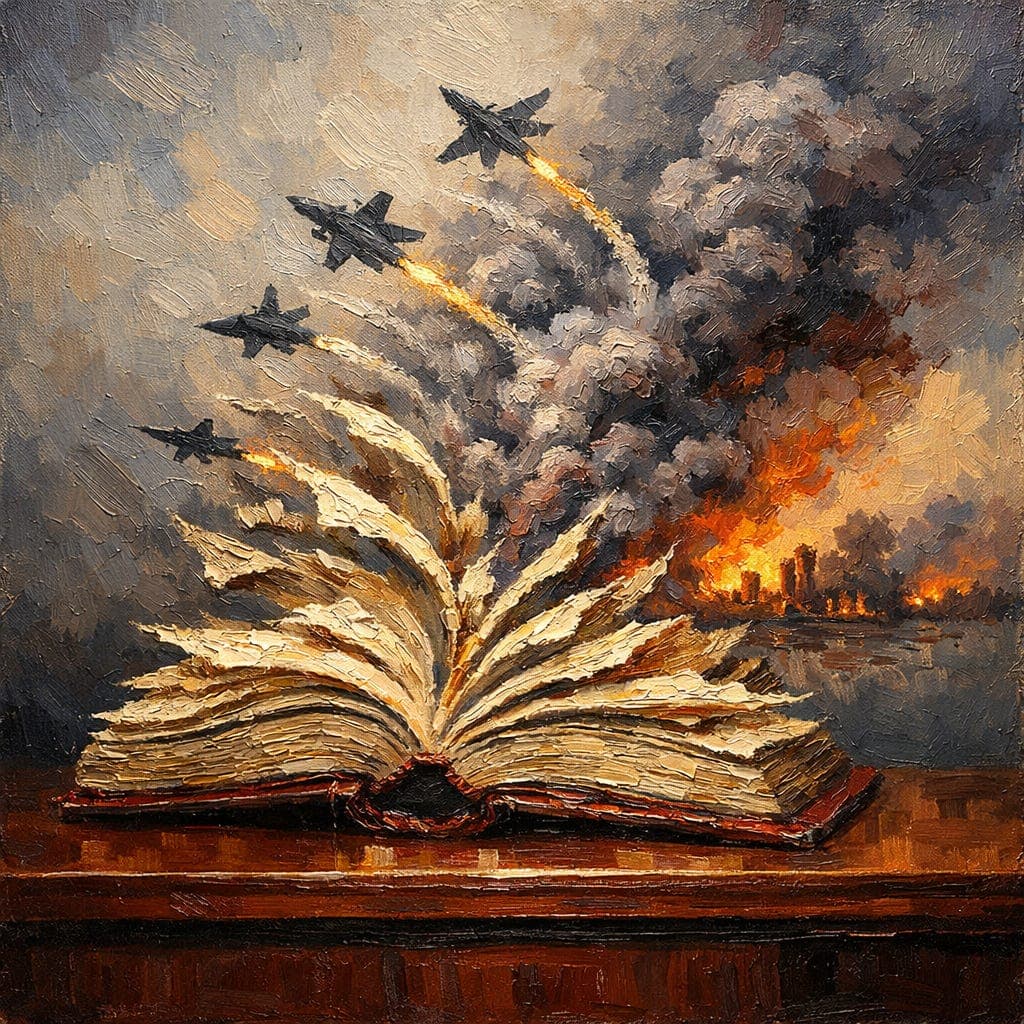
Iran’s military posture has shifted significantly—from reliance on proxy conflicts to more overt military actions. A landmark recent event was Iran’s **direct missile attack on Israeli territory**, reportedly causing casualties and signaling a willingness to escalate beyond proxy warfare. This marks a notable departure from previous strategic ambiguity and amplifies regional tensions.
Key recent developments include:
- The missile strike on Israel, which **prompted international alarm**.
- Exchanges of strikes between Iran and Israel, with Tehran visibly **bolstering its military capabilities**.
- Statements from Iranian leadership affirming **readiness to escalate further** if provoked, raising fears of a broader regional conflict.
Despite Iran’s claims of military robustness, experts question whether its **military capabilities can sustain prolonged conflict**, especially given the economic sanctions and internal crises that limit resources. The risk of miscalculation or accidental escalation remains high, with many analysts warning that **regional stability is increasingly fragile**.
## Diplomatic Standoff and Strategic Alliances
Iran’s diplomatic stance continues to harden, with recent statements from Foreign Minister Amir Abdollahian suggesting that **talks with the U.S. "may no longer be on the table"** following recent hostilities. This marks a shift toward **resistance and military assertiveness**, further reducing prospects for negotiations.
Meanwhile, Iran is deepening its **strategic reliance on Russia and China**, whose military, diplomatic, and economic support provides Tehran with critical buffers against Western sanctions and isolation. This alignment with **authoritarian powers** not only enhances Iran’s strategic autonomy but also contributes to a **polarized international environment**, with alliances solidifying around competing blocs.
In regional diplomacy, Iran is engaging with countries like India, seeking to **balance its isolation** by fostering economic and diplomatic ties elsewhere, though these relationships are often complex and fraught with competing interests.
## Political Repercussions and Domestic Polarization
The internal political landscape remains highly polarized. Opposition figures, including Reza Pahlavi, continue to call for **transitional governance efforts**, aiming to **fill the power vacuum** created by the regime’s increasingly securitized approach. In Israel and the United States, internal divisions influence policy responses; debates over military action, diplomacy, and sanctions are intensifying.
In Israel, political factions are divided over how to confront Iran. Some advocate for **preemptive strikes**, while others favor cautious diplomacy, reflecting **internal polarization** that could impact broader regional strategies. Similarly, in the US, debates over engagement, sanctions, and military support for regional allies are shaping Washington’s approach to Iran’s rising threats.
## Outlook: A Potential for Prolonged Conflict and Instability
Iran stands at a crossroads. Its regime’s **deepening repression**, **military posturing**, and **strategic alliances** suggest a determination to **maintain control amidst mounting crises**, but these measures risk **internal instability** if economic hardships and political grievances are not addressed.
**Potential implications include:**
- An **emboldened security state** that suppresses dissent but may sow the seeds for future unrest.
- The **possibility of widening regional conflict**, especially if Iran continues military provocations or miscalculations occur.
- A **more polarized international environment**, with Iran’s alliances with Russia and China deepening its global isolation but also providing strategic shields.
Recent analyses from Bloomberg and NPR emphasize that Iran’s escalating military actions, including the Israeli strikes and internal crackdowns, could lead to **prolonged conflicts** with unpredictable outcomes. The regime’s hardline stance, combined with economic hardship and internal dissent, suggests that **stability remains elusive**.
## Conclusion: Navigating a Critical Juncture
Iran remains at a pivotal juncture where internal power struggles, regional tensions, and international alliances intertwine. Mojtaba Khamenei’s succession signifies a move toward **more centralized, securitized governance**, but the country’s future stability hinges on how effectively it manages internal dissent, economic pressures, and regional provocations.
**Current developments indicate**:
- An **emboldened security state** maintaining repression while facing increasing social unrest.
- The **risk of regional escalation** if military provocations continue.
- An increasingly **polarized global stance**, with Iran’s alliances with Russia and China shaping its strategic posture.
As the upcoming months unfold, Iran’s trajectory will be critical in shaping not only its own future but also the stability of the broader Middle East and international security environment. The regime’s ability to balance internal control with external engagement—or escalation—will determine whether Iran descends further into conflict or manages a fragile equilibrium amid mounting crises.