# The 2026 AI Data Center Boom: Financial Flows, Supply Chain Innovations, and Strategic Shifts Reach New Heights
The year 2026 continues to mark a pivotal moment in the evolution of AI infrastructure. Fueled by vast capital investments, technological breakthroughs, regional diversification, and innovative supply chain strategies, the global AI data center ecosystem is undergoing rapid transformation. Recent developments underscore both the sector’s accelerating momentum and the emerging challenges that stakeholders must navigate to sustain this growth trajectory.
## Continued Surge in Hyperscaler and Corporate Investments
Major technology firms remain the primary drivers of AI infrastructure expansion, channeling unprecedented capital into building and upgrading data centers tailored for AI workloads:
- **Amazon** has escalated its commitment with a **$12 billion** plan to develop multiple data center campuses in Louisiana, leveraging regional incentives, renewable energy access, and infrastructure upgrades to cement its leadership in AI processing. Recent reports suggest Amazon may also be contemplating an even larger move—potentially investing up to **$50 billion** in OpenAI—linked to IPO and artificial general intelligence (AGI) milestones. This aligns with Amazon’s broader strategy to secure a dominant position in the AI ecosystem, possibly through a significant stake in OpenAI to accelerate its own AI capabilities.
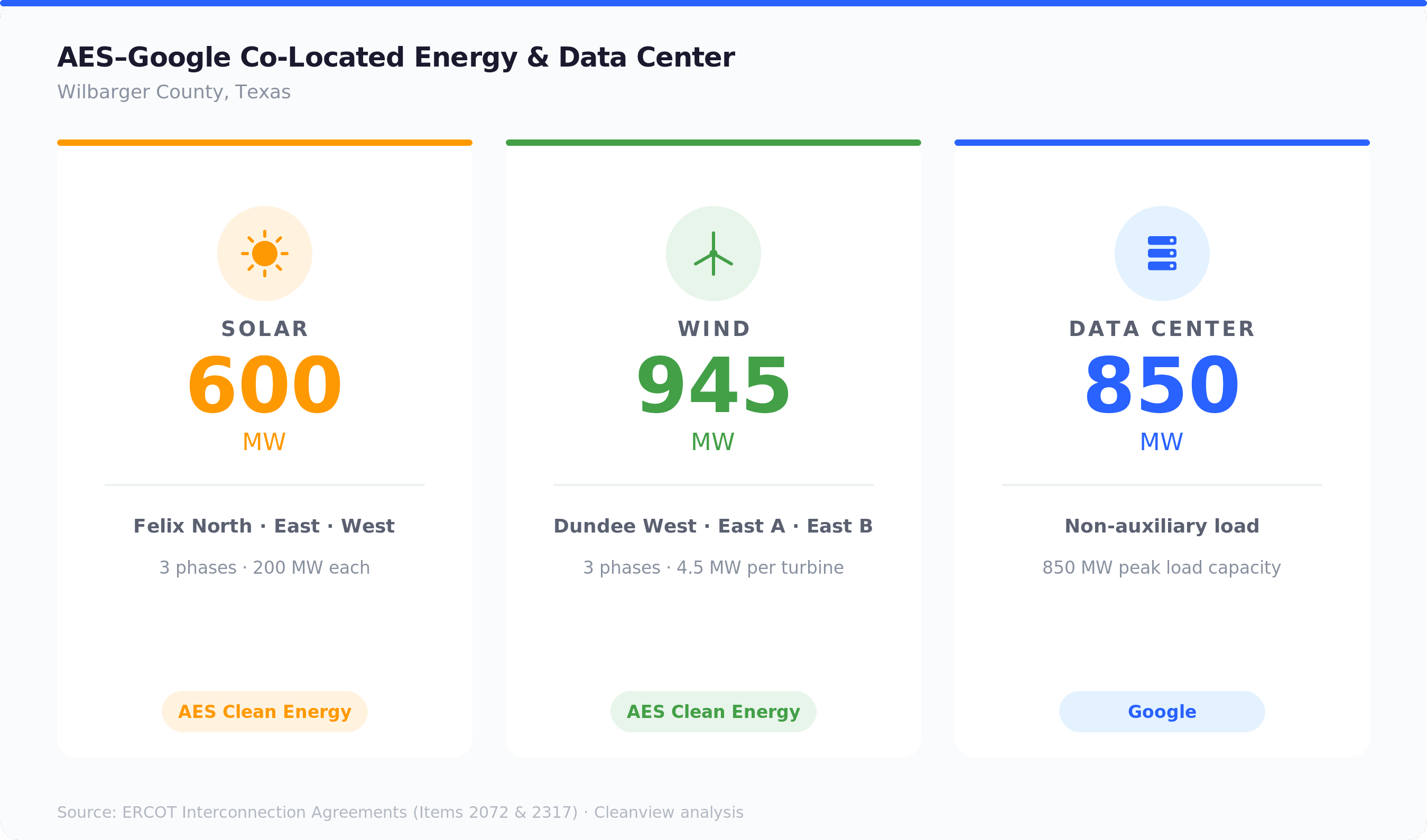
- **Google** reaffirmed its sustainability leadership by deploying over **1 GW** of renewable energy in Texas via Power Purchase Agreements (PPAs). The company is also exploring innovative energy solutions, including **battery storage** and **solid-state transformers**, to support its AI data centers' reliability and efficiency.
- **Meta** announced a **$10 billion** investment in data center infrastructure in Indiana, aiming to consolidate North American AI processing. Additionally, Meta has entered into a **multi-billion-dollar** hardware supply agreement with **AMD**, ensuring access to high-performance compute units amid surging demand.
Emerging regional hubs are gaining prominence due to favorable policies and resource availability:
- **Florida** is rapidly positioning itself as a decentralized AI hub, with incentives, abundant renewable energy, and strategic geographic location making it attractive for distributed AI deployment.
- **India** plans to invest upwards of **$200 billion** in AI infrastructure by 2028, supported by government incentives and regional renewable energy initiatives, aiming to become a manufacturing and processing powerhouse for AI hardware.
- **Southeast Asia** continues attracting investments driven by low-cost energy, a growing digital economy, and a welcoming regulatory environment, further diversifying the global AI infrastructure landscape.
## Supply Chain and Hardware Transition Trends
The hardware supply chain, essential for supporting the exponential growth in AI compute capacity, is experiencing significant shifts:
- **GPU Scaling and Repurposing**: Companies like **CoreWeave**, backed by Nvidia, are investing approximately **$2 billion** to expand GPU capacity. Notably, they are **repurposing existing crypto-mining hardware** for AI workloads, creating a symbiotic relationship that accelerates deployment and alleviates supply shortages. This hardware pivot exemplifies how assets initially intended for cryptocurrency mining are now vital for AI, influencing supply chain dynamics.
- **Vendor Diversification and Hardware Innovation**: **Meta** has struck a **multi-billion-dollar** deal with **AMD** to ensure a stable supply of high-performance compute units. Meanwhile, **startups like SambaNova** are pushing hardware boundaries with the launch of their **SN50 AI processor**, specifically designed for large-scale inference workloads. SambaNova’s recent **$350 million** Series E funding round, with significant participation from **Intel Capital**, underscores the strategic importance of diversified AI hardware beyond traditional GPUs.
- **Challengers to Nvidia**: New entrants aim to challenge Nvidia’s dominance, with startups developing alternative AI processors, fostering a more competitive hardware landscape. This diversification is crucial for mitigating supply chain risks and fostering innovation.
- **Private Market Signals**: Notable private investments reflect cautious valuation adjustments amid broader market uncertainties. For example, **Thrive Capital** acquired **OpenAI** shares at a substantial discount relative to its recent **$285 billion** valuation, signaling investor caution and valuation recalibrations.
## Power, Cooling, and Energy Strategies
As AI models grow in complexity and resource requirements, optimizing energy use and thermal management remains critical:
- **Renewable Power PPAs**: Leading firms like Google benefit from large-scale PPAs, such as **TotalEnergies’** supply of **1 GW** of solar energy in Texas, supporting sustainable growth.
- **Energy Storage and Advanced Power Infrastructure**: Companies like **DG Matrix** are deploying **solid-state transformers**, which enhance grid stability and reduce operational costs. Additionally, emerging energy sources such as **Small Modular Reactors (SMRs)**—like those developed by **Newcleo** using **MOX-fuel**—are viewed as scalable, low-emission options for powering large AI data centers.
- **Surplus Energy Monetization**: Regions with abundant renewable generation, particularly in Brazil and Texas, are seeing innovative monetization strategies. **Engie** actively engages in **Bitcoin mining** to monetize excess renewable energy, transforming surplus capacity into revenue streams and reducing curtailment issues.
- **Cooling Technologies**: Adoption of **liquid cooling** and **thermal energy reuse** remains standard practice, enabling data centers to operate efficiently while minimizing environmental impacts.
## Financial and Regulatory Dynamics
Despite the sector’s massive capital inflows, financial and regulatory challenges are increasingly evident:
- **Private Credit Market Stress**: **Blue Owl Capital’s** co-CEO recently highlighted rising strains within **private credit markets**, a critical financing source for large infrastructure projects. With **$2.3 trillion** in private credit assets, any contraction could impact ongoing and planned data center developments.
- **Investor Caution and Valuation Adjustments**: Broader economic uncertainties, geopolitical tensions, and regulatory scrutiny are leading investors to adopt a more cautious stance. The private market movements, such as Thrive Capital’s discounted **OpenAI** shares, exemplify this trend, reflecting a recalibration of valuations amid market volatility.
- **Regulatory Oversight**: The **FTC** has signaled increased scrutiny toward **AI mergers and acquisitions**, including **"acquihires"**, which could slow deal activity or alter strategic M&A approaches. Additionally, **Congressional hearings**—such as those by the **House Science Committee**—are emphasizing concerns around AI security, competition, and sustainability.
- **Potential Large-Scale Equity Flows**: There are ongoing discussions about **Amazon** potentially investing **up to $50 billion** in OpenAI, which, if realized, would significantly influence private equity and venture investment landscapes in AI.
- **Crypto and Stablecoin Integration**: Broader financing strategies are also evolving, with some firms exploring **stablecoin** and **crypto treasury** solutions to facilitate liquidity and cross-border transactions for AI infrastructure projects.
## Regional and Community Impacts
Large infrastructure projects continue to reshape regional economies and communities:
- **Louisiana’s** Amazon developments demonstrate how regional incentives, resource access, and infrastructure investments drive data center growth, though they raise concerns about **water resource management** and **community impacts**.
- **Florida**’s proactive policies and abundant renewable resources position it as a key decentralized hub, with regional planning emphasizing balancing growth with environmental sustainability and community welfare.
## Strategic Implications and Future Outlook
The AI data center sector’s rapid growth demands strategic agility:
- **Diversify financing sources**: Relying on traditional private credit is increasingly risky; alternative sources such as **public-private partnerships**, **green bonds**, and **innovative debt instruments** are vital.
- **Prioritize sustainability**: Expanding renewable energy adoption, deploying **advanced cooling** technologies, and exploring **low-emission power sources** like **SMRs** will be fundamental to long-term resilience.
- **Monitor regulatory developments**: Increased scrutiny from authorities like the **FTC** and Congress could reshape M&A activity, hardware supply chains, and competitive dynamics.
- **Leverage regional advantages**: Decentralized hubs like Florida and India can mitigate risks associated with overconcentration in traditional centers, fostering a resilient, geographically diversified infrastructure ecosystem.
## Notable Recent Developments
- **Amazon’s potential $50 billion** investment in OpenAI signals a strategic move toward integrating large-scale AI capabilities, with implications for hardware demand and infrastructure expansion.
- **Startups like Callosum** are emerging to challenge Nvidia, raising **$10.25 million** to develop alternative AI hardware solutions rooted in innovative neuroscience-inspired architectures.
- **Meta’s AMD deal** and SambaNova’s SN50 processor launch exemplify a broader hardware diversification drive, reducing dependency on Nvidia and fostering a more competitive supply chain landscape.
- **Global energy deals**, including **Meta, Amazon, Google**, and **Microsoft** dominating clean energy transactions, highlight the sector’s push toward sustainable power sources amid rising demand.
- **The "Fueling the AI Rush"** report emphasizes how **industrial real estate firms** like **SEGRO** are pivotal in providing the physical infrastructure backbone for rapid AI deployment, demonstrating the intersection of real estate and high-tech growth.
## Current Status and Implications
The AI data center ecosystem is experiencing an unprecedented surge, driven by colossal capital flows, technological innovation, and regional diversification. Yet, it faces mounting challenges:
- **Financial constraints** due to private credit stresses and valuation adjustments.
- **Resource limitations** and evolving regulatory landscapes may slow deployment.
- **Supply chain resilience** depends on hardware diversification and energy innovation.
**In conclusion**, 2026 stands out as a transformative year—characterized by bold investments, pioneering hardware developments like SambaNova’s SN50, and a strategic shift toward regional decentralization. Navigating financial, regulatory, and resource-related hurdles will be vital for stakeholders aiming to create a sustainable, resilient, and scalable AI data center ecosystem. As the sector advances beyond 2026, these trends will shape the future of AI infrastructure worldwide, fostering a more diversified and innovative landscape that underpins the next era of digital intelligence.