# Federal Disaster Preparedness Under Strain as Major Winter Storm Continues to Test Infrastructure and Response Capabilities
As the relentless multi-phase winter storm continues to sweep across the United States, it exposes profound vulnerabilities in the nation’s disaster response systems, infrastructure resilience, and climate adaptation strategies. This unprecedented event, impacting regions from the eastern seaboard through the Midwest and now extending into the South and West, underscores the urgent need for comprehensive reforms, increased federal and state investments, and innovative policy measures to better prepare for escalating climate-induced disasters.
## The Escalating Impact of the Multi-Phase Winter Storm
Initially battering eastern and southern states with blizzard conditions, ice accumulation, and treacherous travel environments, the storm has already caused widespread chaos:
- **Over 9,000 flight cancellations nationwide**, disrupting millions of travelers and straining airline and airport operations.
- **Power outages affecting tens of thousands**, especially in ice-prone areas where infrastructure has sustained significant damage.
- **Widespread road closures and hazardous driving conditions**, leading to stranded motorists and emergency shelters being activated across multiple states.
- Emergency response teams are working tirelessly to clear roads, restore power, and provide shelter, but resource constraints and operational challenges are hampering efforts.
Meteorologists warn that as the storm’s trajectory shifts southward and westward, its severity may intensify, bringing heavier snowfall, more extensive outages, and further disruptions to transportation and daily life. The storm’s persistence and unpredictable behavior threaten to cause extensive infrastructure damage, safety hazards, and economic disruptions on a national scale.
## Federal Response Hampered by Political and Operational Challenges
Despite proactive measures, the federal government’s response has faced unprecedented obstacles. The **partial government shutdown**, which began over the weekend, has severely limited FEMA’s capacity to operate at full strength. Critical delays in deploying resources, coordinating evacuations, and providing logistical support are now evident:
- FEMA response teams have been deployed to hardest-hit regions, focusing on pre-positioning supplies and facilitating evacuations, but operational capacity is constrained.
- Stockpiling essentials such as food, water, and medical supplies for vulnerable populations and emergency shelters is ongoing, yet the pace is hindered.
- Efforts to mobilize National Guard units and approve disaster relief funds have been slowed by legislative delays.
**A senior congressional aide remarked:** *"We are leaving no stone unturned in our efforts to support communities and minimize the storm’s impact, but the shutdown remains a significant challenge."*
### Halted FEMA Deployment During DHS Shutdown
Adding to the crisis, the **Trump administration ordered FEMA to halt the deployment of aid workers** during the DHS shutdown. This directive has prevented many FEMA personnel from being dispatched to critical regions, delaying response times and resource distribution when swift assistance is most needed. Experts warn that this pause risks escalating manageable crises into larger emergencies, especially given the storm’s ongoing severity.
### FEMA Workforce Reductions Resume Amid Operational Strain
Compounding these issues, FEMA recently announced plans to **resume staffing reductions** that had been temporarily paused during the storm’s surge. Since January 2025, FEMA has shed nearly **10% of its workforce**, with further cuts planned. Such reductions threaten to diminish FEMA’s ability to coordinate multi-region responses effectively:
- **Delayed emergency deployment and logistical support** could prolong recovery efforts.
- **Inter-agency coordination** may face setbacks, hampering comprehensive disaster management.
- These cuts reflect broader issues of federal disaster funding and support, emphasizing the urgent need for legislative action to stabilize FEMA’s capacity.
## State, Local, and Utility Agencies Step Up
In response to federal limitations, **state and local agencies have mobilized aggressively**:
- Deploying additional emergency response teams.
- Establishing new shelters and updating evacuation plans.
- Collaborating with utility providers and transportation authorities to restore power and clear roads.
Utility companies are working tirelessly to repair infrastructure, but widespread outages persist, particularly where ice has damaged power lines and substations. Transportation agencies prioritize critical routes, though some closures remain unavoidable due to the storm’s ferocity.
Recent statements from officials, including North Mississippi senators, acknowledge lessons learned and emphasize that **"we as a state failed them,"** highlighting the necessity for **improved local preparedness and stronger federal support** for future crises.
## Vulnerabilities in the Energy Sector and Federal Oversight
The storm has exposed significant weaknesses in the nation’s energy infrastructure:
- **Widespread outages** in ice-affected regions reveal aging grids and insufficient resilience.
- Federal hearings led by the **Federal Energy Regulatory Commission (FERC)** emphasize the importance of **accelerating investments in grid modernization**:
- Upgrading aging infrastructure to prevent outages.
- Developing resilient systems capable of withstanding severe weather.
- Implementing policies that facilitate rapid restoration during emergencies.
Federal oversight and strategic funding are critical to improving grid reliability, reducing outages, and ensuring swift recovery efforts amid climate-related disasters.
## Innovation in Disaster Aid: The Role of Direct Cash Transfers
Amid ongoing crises, innovative disaster aid approaches are gaining prominence. Notably, **direct cash assistance programs** are increasingly recognized as effective tools for rapid recovery:
- An illustrative example is *The Washington Post*’s article *"The researcher bringing dignity to disaster aid with cold, hard cash,"* which details how cash transfers:
- **Empower recipients** by allowing them to prioritize their needs.
- **Accelerate recovery**, providing immediate access to housing, food, and medical supplies.
- **Reduce administrative delays** common in traditional aid distribution, especially during ongoing crises.
Such programs enhance community resilience, promote dignity, and expedite rebuilding efforts, making them a vital component of modern disaster response strategies.
## Legislative Progress and Policy Initiatives
Recent legislative actions aim to bolster disaster response capabilities:
- The **FY26 appropriations package**, approved by the House on February 2, includes increased funding for DHS and FEMA, focusing on staffing, resources, and logistical support.
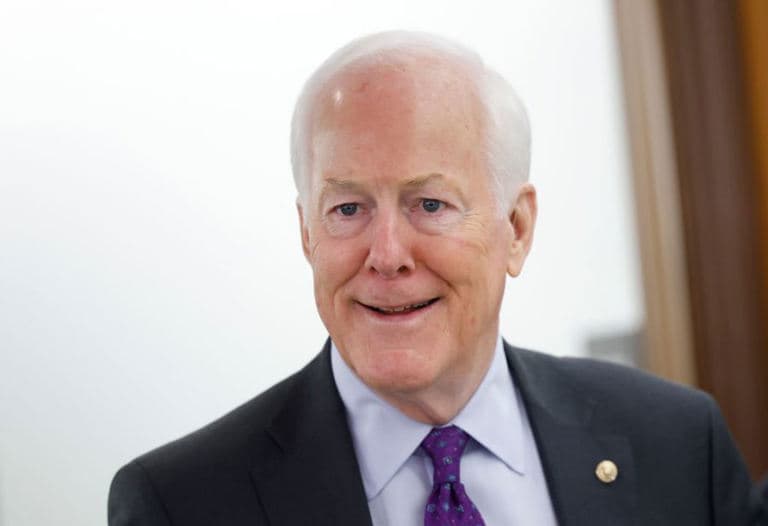
- The **SIREN Act** (Strengthening and Improving Response and Emergency Notification), introduced by Senator John Cornyn (R-TX), seeks to modernize emergency alert systems nationwide:
- Upgrading federal notification infrastructure for timely, accurate alerts.
- Investing in resilient communication networks, especially for remote and vulnerable communities.
- Fostering public-private partnerships to ensure reliable information dissemination during crises.
Senator Cornyn emphasized, *"In an era of increasing climate-related disasters, our response systems must be robust, reliable, and swift."*
## New Developments: Presidential Emergency Declaration for Washington, D.C., and Military Base Preparedness
A significant recent development is **President Trump’s approval of an emergency declaration for the District of Columbia**, enabling rapid federal aid to support local response efforts. This declaration allows federal agencies to **bypass some operational constraints** posed by the government shutdown, ensuring that critical resources and personnel can be mobilized swiftly within the nation’s capital amidst ongoing storm impacts.
This move underscores that **timely and flexible federal support remains essential**, particularly in urban centers vulnerable to infrastructure stress and safety concerns during severe weather events.
Additionally, a recent **U.S. Department of Defense** report highlights a concerning gap in disaster preparedness at military installations nationwide. Key findings include:
- Many military bases have **not sufficiently tracked the costs and damages** from extreme weather events.
- The report advocates for **strengthening natural disaster planning**, infrastructure resilience, and response protocols at military sites, emphasizing that **climate change poses a direct threat to operational readiness and national security**.
- Recommendations include **risk assessments, infrastructure upgrades, and increased federal funding** to bolster resilience.
## Broader Context: The Rising Cost of Climate and Weather Disasters
This storm’s devastation is part of a larger, increasingly costly trend. Estimates now project that **economic damages from climate and weather disasters could exceed $1 trillion annually by 2030**. The frequency and severity of hurricanes, wildfires, floods, and tornadoes are rising, exerting immense strain on federal, state, and local resources.
**This escalating financial burden underscores the necessity for sustained investments** in resilient infrastructure, climate adaptation, and proactive disaster management policies. Without decisive, bipartisan action, communities will continue to face mounting risks and costs.
## Addressing Disparities and Aid Allocation Concerns
Recent reports indicate that **billions in federal disaster aid** may be unevenly distributed, with some states—particularly certain blue states—being excluded or receiving less support. This raises concerns about **equity and fairness in disaster response**:
- The **latest data** suggest that **several states have been overlooked** in recent aid allocations, sparking debates about political influence and systemic biases.
- Ensuring **transparent, equitable distribution** of disaster aid is critical to maintaining public trust and fostering nationwide resilience.
## Public Guidance and Future Outlook
Authorities continue to urge residents to:
- Stay informed through official weather alerts and updates.
- Avoid unnecessary travel.
- Prepare emergency kits with essentials such as food, water, medications, and warm clothing.
- Confirm the locations of emergency shelters and evacuation routes.
While utility and transportation agencies work diligently to restore normalcy, **disruptions are expected to persist for days**. Public vigilance and preparedness remain vital for safety and effective response.
### Current Status and Implications
The partial government shutdown’s resolution could restore FEMA’s full operational capacity, enhancing future response efforts. However, the storm’s ongoing severity highlights the **urgent need for long-term investments**:
- Upgrading aging infrastructure.
- Modernizing emergency notification and response systems.
- Implementing innovative aid programs like direct cash transfers.
This crisis vividly demonstrates that **bipartisan support, stable funding, and proactive policies** are essential to safeguarding communities against future climate-related disasters. Building resilience now is not just a matter of emergency response but a strategic imperative for national security and economic stability.
**In conclusion**, the ongoing winter storm has tested the nation’s preparedness infrastructure, exposed critical vulnerabilities, and accelerated calls for comprehensive reforms. As communities endure ongoing hardships, the focus must remain on **building a resilient, well-equipped response framework** capable of facing future climate challenges with greater confidence.
**Stay informed, stay safe, and remain prepared as the nation navigates this severe winter event.**