# How Governments Juggle Costs, Voters, and Local Needs in an Uncertain World: An Updated 2026 Perspective
As 2026 unfolds, the global landscape continues to be characterized by mounting tensions, shifting alliances, and domestic upheavals that challenge traditional governance models. At the core of this turbulent environment is the persistent dilemma: **how can governments effectively allocate limited fiscal resources to meet rising public demands while satisfying voters and addressing local needs?** Recent developments reveal the complexities, conflicts, and strategic choices shaping this ongoing balancing act.
---
## The Governance Paradox Deepens: Rising Demands, Finite Resources, and Electoral Incentives
Public expectations for **security, healthcare, infrastructure, and democratic participation** are higher than ever before. Yet, **fiscal constraints**, driven by global economic pressures, climate-related costs, and social unrest, severely limit the capacity to meet these demands comprehensively. Governments often resort to **targeted, politically motivated spending**—favoring swing districts or interest groups—to secure electoral support.
While such **short-term tactics** can **bolster political standing**, they **risk exacerbating inequalities** and **undermining long-term stability**. In democracies like the United States, **partisan gridlock and polarized policymaking** hinder comprehensive responses to structural issues, leaving critical challenges unresolved and increasing the likelihood of future crises if fiscal and social policies are not reformed.
The **pressure on policymakers** mounts as they strive to **maintain public trust** while pursuing **meaningful reforms** within tight budgets. This environment forces governments to navigate **competing priorities** and **limited resources**, often resulting in **short-term gains at the expense of sustainable solutions**.
---
## The U.S. Case Study: Electoral Strategies, Security Costs, and Trade Tensions
### Electoral-Driven Spending and Political Calculations
In 2026, the U.S. exemplifies how **fiscal policy is increasingly driven by electoral considerations**. Congress has allocated approximately **$16 billion** toward **infrastructure**, **community revitalization**, and **economic development** initiatives. However, these funds are **often targeted at key districts** or **vulnerable populations** to sway voter sentiment, raising concerns about **inequity and fiscal sustainability**. Critics argue that such **short-term political calculus** risks **deepening economic disparities** and **potentially precipitating future fiscal crises**.
### Rising Security and Domestic Enforcement Costs
Security remains a major fiscal challenge. The **Congressional Budget Office (CBO)** estimates that **President Trump’s National Guard deployments** could cost **over $1.1 billion in 2026**, covering border enforcement, domestic unrest, and international commitments. Recent testimonies describe **unprecedented scope and expense**:
> *"Our current deployment levels are unprecedented, requiring careful prioritization amid increasing border crossings and security threats,"* a defense official testified.
Beyond border security, the U.S. maintains a **broad military footprint globally**, including forces in **Ukraine**, **Iran**, and the **Middle East**. Efforts involving **Israel** aim at **maximizing pressure on Iran**, especially targeting Iran’s oil sales to China, as part of a **broader strategy to tighten sanctions and restrict revenue streams**. These initiatives **heighten regional tensions** and **economic repercussions**, further straining the budget and complicating **deterrence strategies**.
### Judicial and Trade Policy Developments
Recent judicial decisions have significant implications. A **landmark Supreme Court ruling** struck down **Trump-era tariffs**, stating that **the government exceeded its authority** in imposing certain trade measures. This acts as a **judicial check** on executive power, influencing **future trade policy debates**.
In response, the **U.S. government** is contemplating **reimposing or raising tariffs**, citing **national security concerns** and **economic interests**. Some officials have floated **temporary import tariffs up to 15%**, risking **trade conflicts** and **disruptions to global supply chains**—a potential revival of **"Trade War 2.0"**. Media outlets like **"Trade War 2.0?"** highlight the **volatility and uncertainty** in international economic relations, illustrating how **domestic judicial decisions** ripple into **global trade tensions**.
### Political Campaigns and Electoral Battles
The political landscape remains intensely competitive:
- **Meta** has launched a **Texas-centered campaign** supporting **AI-friendly Republican candidates** through a substantial Super PAC, signaling **tech’s growing influence** in elections.
- Recent **primaries in Texas** have been **contentious**, with some Republican candidates engaging in **“RINO hunting”**, targeting incumbents perceived as insufficiently conservative.
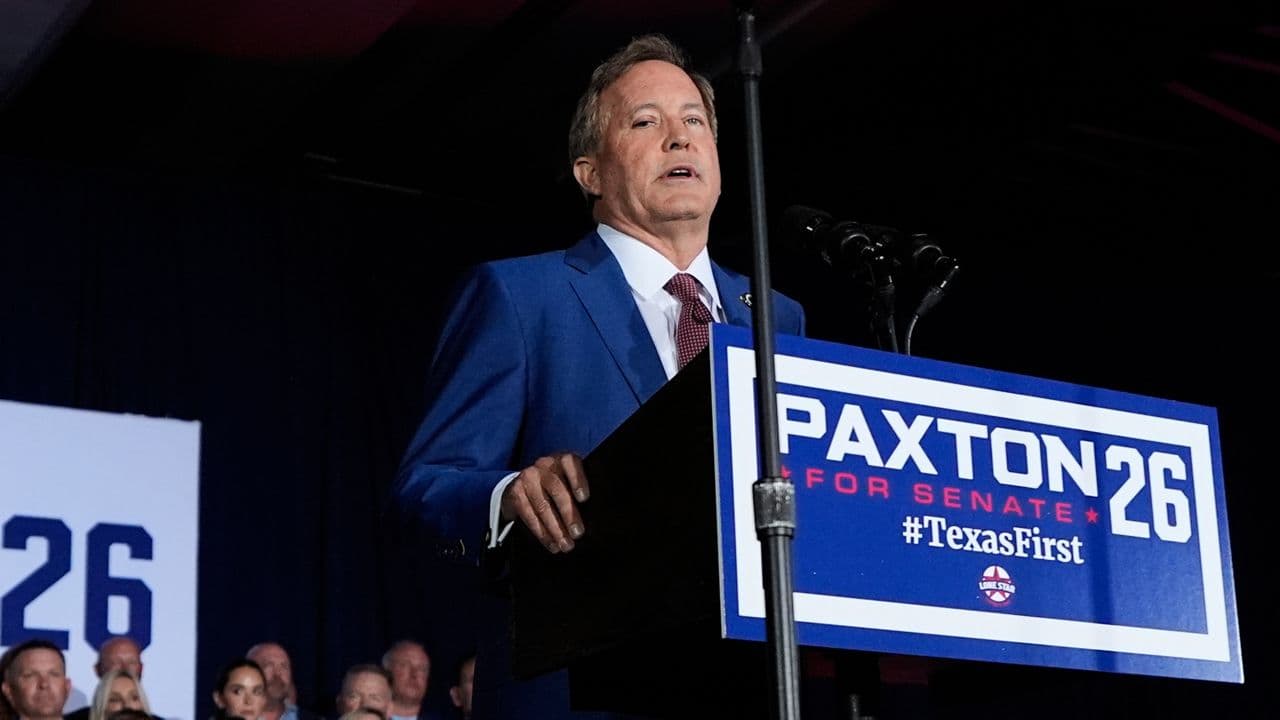
- **Redistricting efforts** are ongoing, reshaping electoral battlegrounds to favor partisan outcomes. The **March 3 primaries** are expected to be **pivotal** in determining **Texas’s congressional delegation** and influence the **national political narrative**.
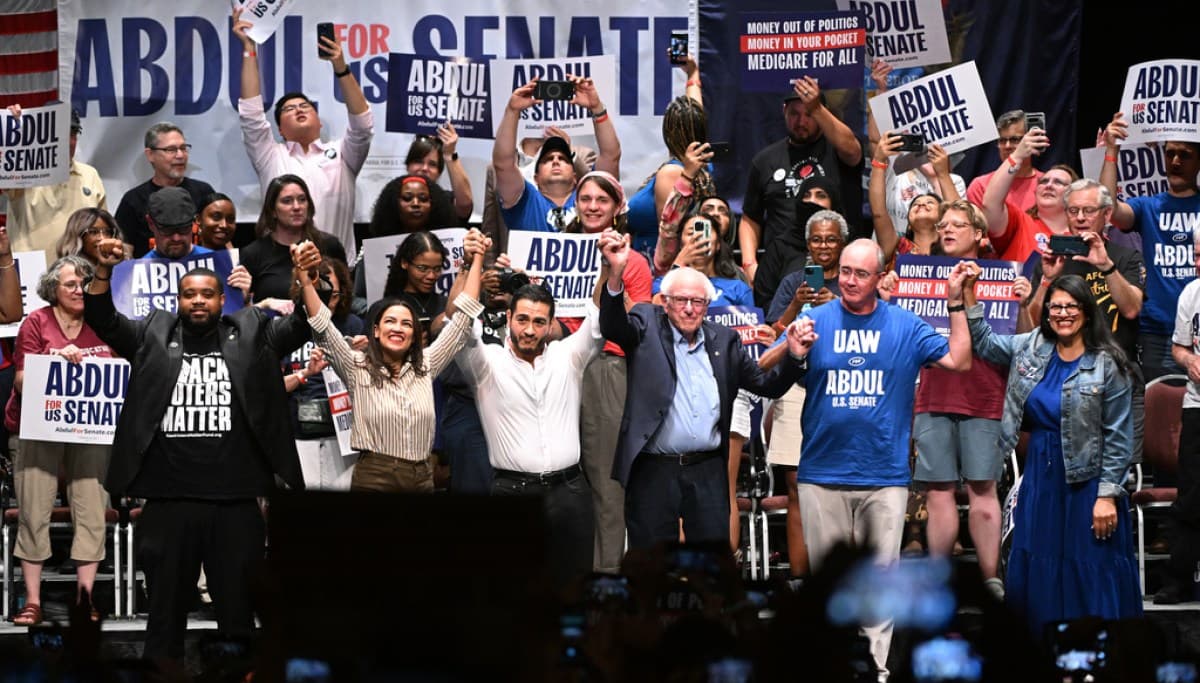
New candidates are entering critical districts, fueling debates about **which party best serves working-class interests** amid ongoing economic and social upheaval.
---
## International and Regional Shifts: Conflict, Alliances, and Power Dynamics
### Iran: Escalation and Destabilization
Iran remains embroiled in **widespread protests and repression**. Recent footage depicts **rising violence against dissenters**, with the **United Nations** warning of **escalating political violence**. Meanwhile, **former President Trump** and other U.S. officials have intensified **regime change rhetoric**, asserting that **“regime change would be the best outcome.”** Such statements **heighten fears** of **regional destabilization** and **broader conflict**, complicating diplomatic efforts and risking further violence.
### The Pax Silica Initiative: Securing Critical Minerals
Amid energy crises in Ukraine and persistent supply chain disruptions, the U.S. has expanded its **“Pax Silica” partnership** with **India**, aiming to **secure critical mineral supplies**—including **rare earth elements** essential for **renewables**, **electronics**, and **defense industries**. This initiative seeks to **reduce dependency on China**, foster **technological sovereignty**, and **strengthen supply chain resilience**, exemplifying how **resource competition** remains central to **geopolitical strategies**.
### South Asia: Bangladesh, India, and Chinese Influence
Bangladesh’s **2026 electoral victory** consolidates internal power but raises regional tensions. The country is increasingly engaging with **India** to **counter Chinese influence**, leveraging **infrastructure investments** and **diplomatic outreach**. Analysts suggest Bangladesh may adopt **more assertive foreign policies**, balancing **Indian alliances** against **Chinese economic leverage**, potentially **reshaping regional supply chains** and **energy security**.
### Europe and NATO: Security and Political Cohesion
Hungary’s **upcoming elections** could significantly impact **European security** and **NATO unity**. A victory for nationalist and assertive leaders might **strain EU cohesion**, **alter NATO’s strategic posture**, and **affect resource allocations**. Such shifts pose **ongoing challenges** to **the collective defense alliance**, especially amid the **Ukraine conflict** and rising geopolitical tensions.
---
## Subnational Responses and Climate Resilience
### Healthcare and Digital Infrastructure
States like **California** are addressing **budget constraints** and **healthcare staffing shortages** by investing in **digital health technologies** and **public-private partnerships**. Following the **expiration of federal health insurance taxes**, California announced a **$1 billion investment** to **expand access** and **improve efficiency**, aiming to **meet rising demand** despite fiscal pressures.
### Water Management and Climate Negotiations
The **Colorado River negotiations** exemplify **regional cooperation** vital for **managing worsening droughts** and **climate impacts**. Effective **collaborative management among states** is crucial to **safeguard agriculture**, **urban water supplies**, and **ecosystems**, directly influencing **regional stability** and **economic resilience**.
### Critical Minerals and Supply Chain Resilience
The **U.S.–India cooperation** under **“Pax Silica”** underscores efforts to **diversify supply chains** and **minimize reliance on China** by **domestic mining**, **technology sharing**, and **international partnerships** focused on **securing essential materials** for **renewables** and **defense sectors**.
---
## Recent Developments and Their Broader Implications
### Judicial and Economic Policy Shifts
Following the **Supreme Court ruling** against certain tariffs, the **U.S. government** signals a **renewed interest in protective tariffs** to **support domestic industries**. Notably, **Trump’s temporary tariffs** have been **raised to 15%**, indicating a **resurgence of protectionist policies** amid ongoing geopolitical uncertainties.
### Domestic Security and Civil Liberties
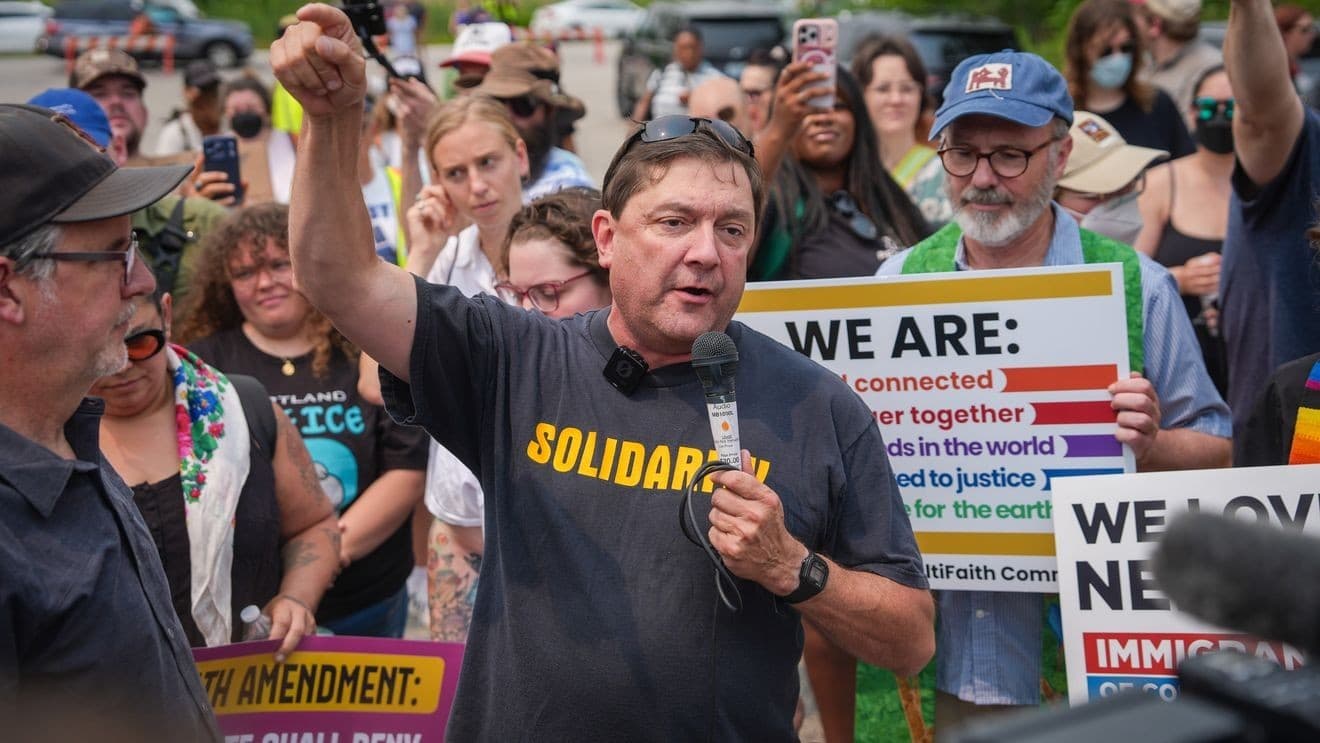
A **Senate hearing** on **ICE tactics** has sparked debate over the **militarization of civil enforcement operations**. Critics warn that **military-style tactics** could **undermine civil liberties** and **civilian oversight**. This underscores **the growing costs and complexities** of **internal security strategies** in an era of heightened polarization.
### Security Incidents and Political Polarization
Recent incidents, such as the **breach at Mar-a-Lago**, where an armed individual drove into **President Trump’s secure residence**, highlight **the fragility of U.S. political stability**. Such episodes reflect the **escalating threats** against prominent institutions **amid rising polarization**.
### Support for Ukraine and Foreign Policy
Public rallies commemorating the **4th anniversary of Russia’s invasion** demonstrate **strong American support for Ukraine**. This backing influences **fiscal allocations** and **security commitments**, emphasizing **public sentiment’s critical role** in shaping foreign policy during ongoing conflicts.
### Electoral Integrity and Campaign Finance
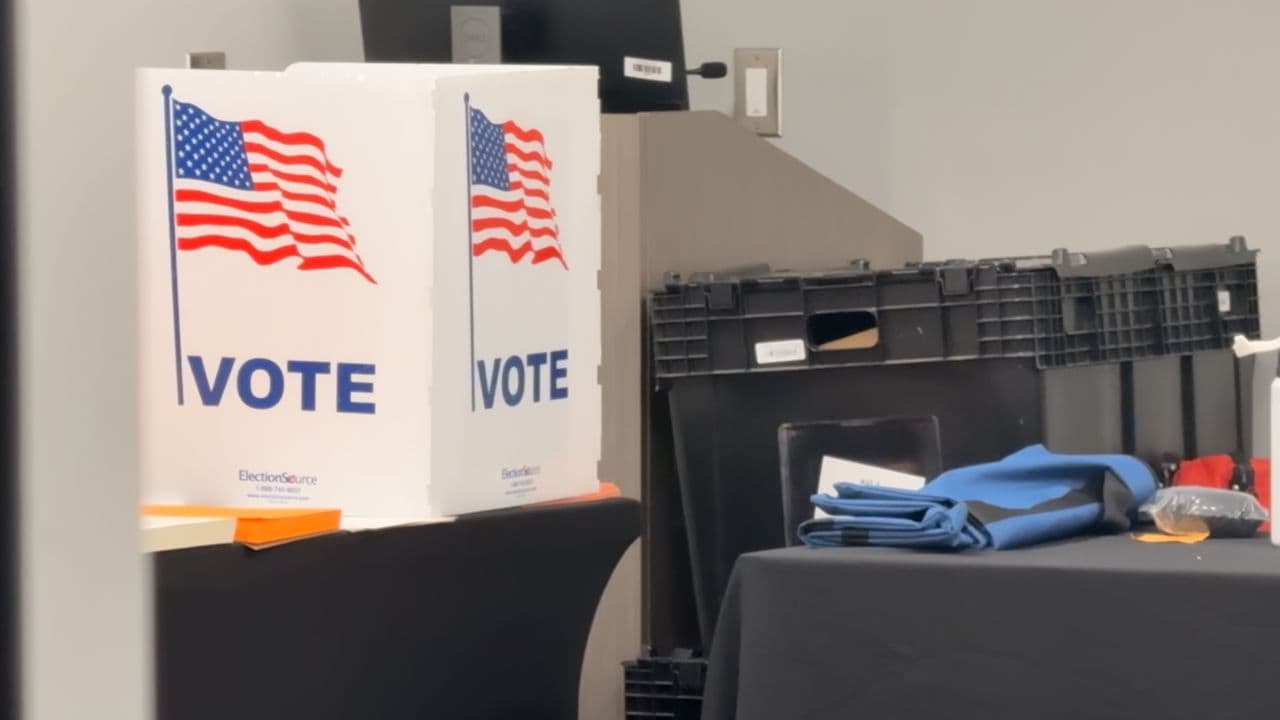
Efforts to **strengthen election integrity** are gaining momentum. Groups like the **"Clean Elections Hawaiʻi Coalition"** are advocating for **reforms** to **restore public trust**, including **public funding systems** and **transparency measures**. Additionally, **state-level court races**—such as the contest to **protect electoral outcomes**—are seen as pivotal in **preventing potential overturns** of future elections, notably the **2028 presidential contest**.
---
## Current Status and Future Outlook
The convergence of these recent developments underscores a **world grappling with profound uncertainty**. Governments are **struggling to meet rising demands** amid **fiscal constraints**, often opting for **short-term, politically motivated spending** that risks **long-term instability**. Internationally, **regional conflicts**, **resource competition**, and **shifting alliances** demand **diplomatic agility** and **strategic foresight**.
Domestically, **elections and political strategies** increasingly hinge on **technological influence**, **partisan battles**, and **electoral legitimacy debates**. The recent **early voting trends in Texas** reveal **significant shifts in voter sentiment**, especially amid contentious primaries and redistricting battles, exemplifying how **local politics reflect broader national tensions**.
**The resilience of nations** will depend on their capacity to **adapt**, **innovate**, and **maintain public trust** amid mounting pressures. The **decisions taken today**, whether through **fiscal prudence**, **diplomatic engagement**, or **electoral reforms**, will shape **global stability and prosperity** for years to come.
**Notably**, recent signals from the U.S. military—such as **naval movements toward Iran** and **high-level diplomatic signaling**—indicate a **readiness to escalate military options** if diplomacy stalls. **Trump’s rhetoric** emphasizes **strengthening military posture**, especially as negotiations in Geneva intensify.
Ultimately, the **enduring challenge** remains: **how to serve citizens effectively while managing scarce resources amid geopolitical and domestic upheavals**. The choices made now **will determine the future stability, security, and economic health** of nations worldwide.