# Nvidia’s Earnings and AI Funding Whip-Saw Broader Markets: New Developments Amplify Volatility and Focus
The fervor surrounding artificial intelligence (AI) continues to serve as a powerful catalyst shaping global markets, yet recent developments reveal a landscape increasingly marked by volatility, policy risks, and real-economy impacts. While Nvidia’s stellar earnings and the record-breaking $110 billion funding round for OpenAI have underscored AI’s transformative potential, fresh political, regulatory, and corporate restructuring actions are injecting fresh uncertainty, further complicating the narrative. This evolving environment highlights both the sector’s promise and its fragility amid mounting geopolitical and economic headwinds.
## Main Events: Concentration of Market Moves and Record Funding
The market’s attention remains intensely fixated on AI as the central engine of growth, innovation, and investment. The **$110 billion funding round for OpenAI**—the largest in AI history—has underscored the sector’s allure, with major players such as Amazon, Nvidia, and SoftBank investing heavily. This infusion not only signals confidence in AI’s long-term strategic importance but also intensifies the concentration risk, as a handful of mega-cap tech firms dominate investor focus.
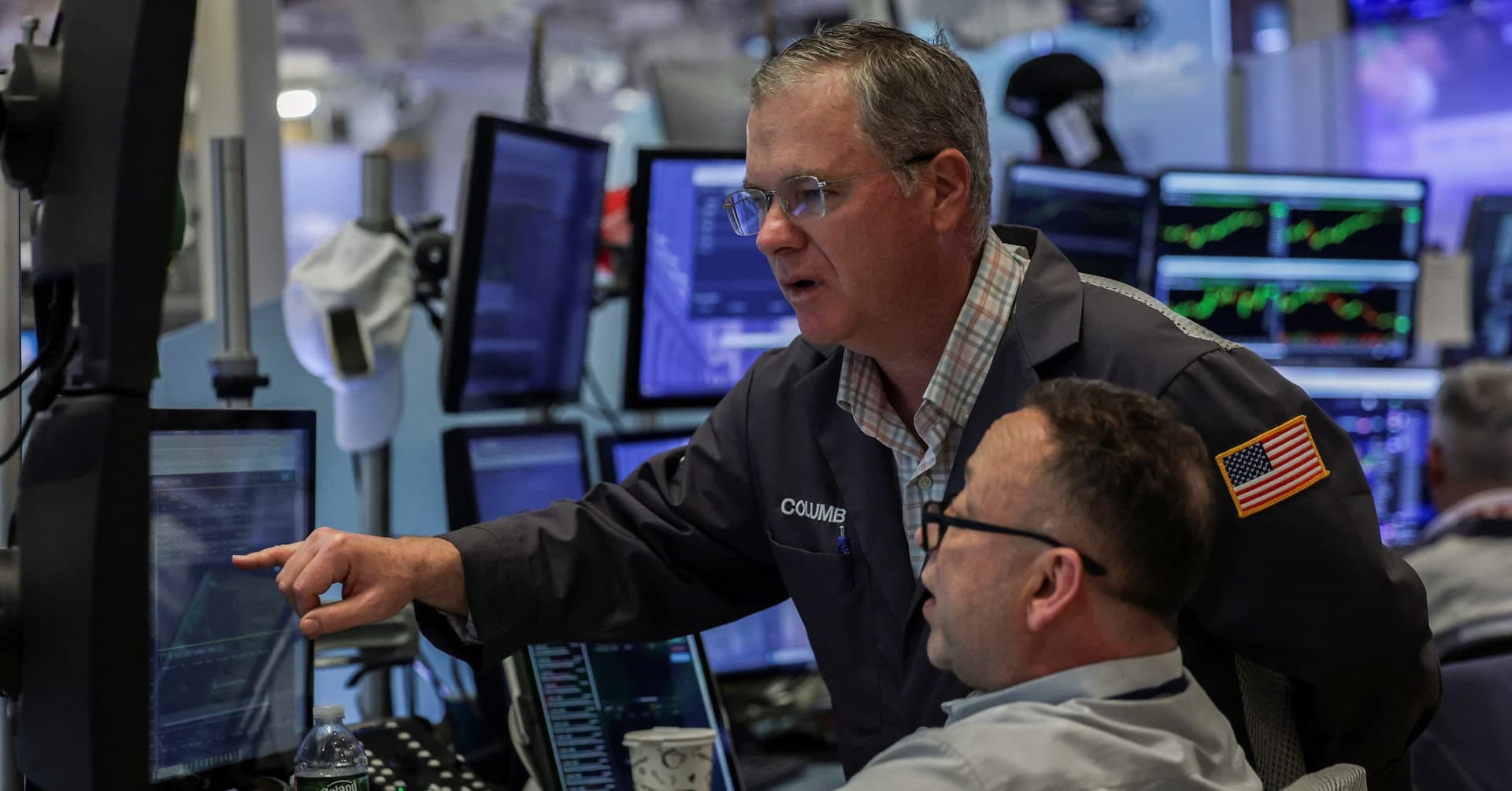
Simultaneously, **Nvidia’s blowout earnings** have continued to steer market dynamics. The chipmaker, pivotal to AI hardware supply chains, reported record revenues driven by surging demand for its AI chips. Post-earnings, Nvidia’s stock soared, igniting rallies across major indices. However, these gains have been volatile, with intra-day reversals and sharp swings reflecting a market that remains highly reactive to Nvidia’s performance and broader macroeconomic signals such as inflation and interest rate outlooks.
## Key Developments: Volatility Driven by Earnings, Funding, and Political Moves
### Market Responses to Earnings and Funding
- **Nvidia’s Earnings:** The company’s robust quarterly results initially propelled its stock higher, reinforcing AI’s importance. Yet, as investors reassessed valuations amid macroeconomic concerns, market participants quickly pulled back, resulting in notable intra-day volatility. The sharp swings underscore a market that remains sensitive to both micro and macro factors.
- **OpenAI’s Record Funding:** The $110 billion capital raise has cemented AI as a critical battleground for tech giants. While fueling optimism and further investments in AI-focused ETFs and stocks, it also raises concerns about market overconcentration and sustainability of recent rallies.
### Political and Regulatory Escalation
Adding a layer of complexity are recent **political and regulatory actions** that are reshaping the AI landscape:
- **The Trump administration’s move to blacklist Anthropic:** President Trump announced that the U.S. government would prohibit Anthropic—a leading AI startup—from participating in federal or government contracts. The Pentagon further declared the company a "supply chain risk," citing national security concerns. This decision signifies a strategic shift in U.S. policy towards AI firms, especially those not aligned with certain security standards.
- **Market Impact:** Futures markets and AI-centric ETFs reacted sharply to this announcement, with declines driven by fears that increased restrictions could slow innovation, limit funding flows, and dampen growth prospects for AI companies. The move exemplifies how geopolitical tensions and security issues are becoming central to AI regulation.
### Corporate Restructuring and Real-Economy Effects
Beyond the financial markets, AI’s influence is now palpable in corporate restructuring and labor trends. **Block (formerly Square)** has announced a significant AI-driven restructuring, including **layoffs of over 4,000 employees—roughly 40% of its workforce**—to streamline operations and increase efficiency. Headlines like *"Block Cuts 4,000 Jobs in AI-Driven Restructuring | 2026"* highlight how AI adoption is reshaping employment and organizational strategies.
Notably, **Wall Street responded positively to these layoffs**, interpreting them as signs of cost-cutting and future profitability. However, analysts warn that such restructuring is just the beginning; reports reveal **more layoffs and workforce reductions at similar firms**, reflecting a broader trend of corporate efficiency drives driven by AI integration.
Supporting this narrative, articles like *"She joined Block to build AI. Weeks later, AI cost her job"* illustrate the human impact—roles created in AI development are increasingly vulnerable to automation and cost-cutting measures. These developments underline ongoing **disruption in labor markets**, with real-economy consequences that extend beyond markets and into workers’ livelihoods.
## Broader Implications: Risks, Concentration, and Policy Uncertainty
While the long-term outlook for AI remains optimistic, recent events underscore several pressing risks:
- **Valuation and Concentration Risks:** The surge in AI-related investments has inflated valuations, especially among mega-cap firms like Nvidia. The sector’s heavy dependence on a handful of leaders amplifies systemic vulnerabilities; a setback in one company or regulatory action can ripple across markets.
- **Heightened Sensitivity to Macro and Policy News:** Investors are increasingly reactive to geopolitical developments and regulatory signals. The banning of Anthropic from U.S. government contracts exemplifies how policy can rapidly shift sentiment and trigger market swings.
- **Regulatory and Security Concerns:** The U.S. government’s move to restrict Anthropic signals a broader trend of increased scrutiny over AI firms, particularly concerning national security. Critics warn that such measures could stifle innovation, create a chilling effect, and slow technological progress—potentially impacting investor confidence.
- **Labor Market Disruption:** AI-driven layoffs at companies like Block demonstrate the tangible impacts of AI on employment, productivity, and organizational structures. As firms seek efficiency gains, the labor market faces ongoing upheaval, which could influence consumer sentiment and economic stability.
## Current Market Status and Outlook
Markets remain in a state of flux, caught between **long-term optimism** about AI’s transformative power and **short-term caution** driven by policy risks, valuation concerns, and corporate restructuring. Futures and intra-day trading reveal heightened sensitivity, with rapid sentiment shifts fueled by news flow and geopolitical developments.
**In summary:**
- Nvidia’s earnings and OpenAI’s record funding continue to cement AI’s central role in market narratives.
- Recent political actions, notably the U.S. government’s ban on Anthropic, have introduced significant policy uncertainty, amplifying near-term volatility.
- Corporate restructuring and layoffs, exemplified by Block’s AI-driven job cuts, illustrate the sector’s real-world economic and social impacts.
- Investors face a landscape characterized by exuberance tempered by caution, with risks stemming from valuation bubbles, concentration, and geopolitical tensions.
**As developments unfold,** market participants must diligently navigate this complex terrain—balancing the immense promise of AI-driven growth against the tangible risks of regulatory crackdowns, labor-market disruptions, and systemic vulnerabilities. The coming months will be critical in determining whether the sector can sustain its momentum or if policy and economic headwinds will temper its trajectory.