# Scrutiny, Scandal and Reform Debates in UK Politics: Navigating Turbulence Under Keir Starmer’s Leadership
The British political landscape is undergoing a period of intense scrutiny, escalating scandals, and vigorous debates on systemic reform. Under Keir Starmer’s leadership, these issues have become more pronounced, reflecting a nation grappling with questions of integrity, democratic resilience, regional sovereignty, and populist upheaval. Recent developments have amplified these tensions, signaling both challenges and potential pathways toward profound political transformation.
## Renewed Scandal: From Mandelson–Epstein Links to Ethical Standards
A focal point of recent controversy involves the appointment of Peter Mandelson and his subsequent associations with Jeffrey Epstein. Investigations and the release of documents have cast doubt on Mandelson’s judgment, raising urgent questions about vetting procedures and transparency in high-level political appointments. Critics contend that such links threaten to undermine public confidence in the integrity of Britain’s political elite, exposing systemic vulnerabilities in safeguarding standards.
Adding fuel to the fire, a widely viewed YouTube analysis titled *"Parliament's true BETRAYAL of British people exposed as MPs 'quaking' over new tool for voters"* underscores the resistance among some Members of Parliament to reforms aimed at increasing voter engagement. These debates highlight a core concern: **how to maintain ethical standards amid global scandals and domestic political pressures**. The Mandelson case exemplifies the ongoing struggle over accountability, morality, and the need for stricter vetting protocols for those in senior positions.
## Parliamentary Oversight and Democratic Accountability
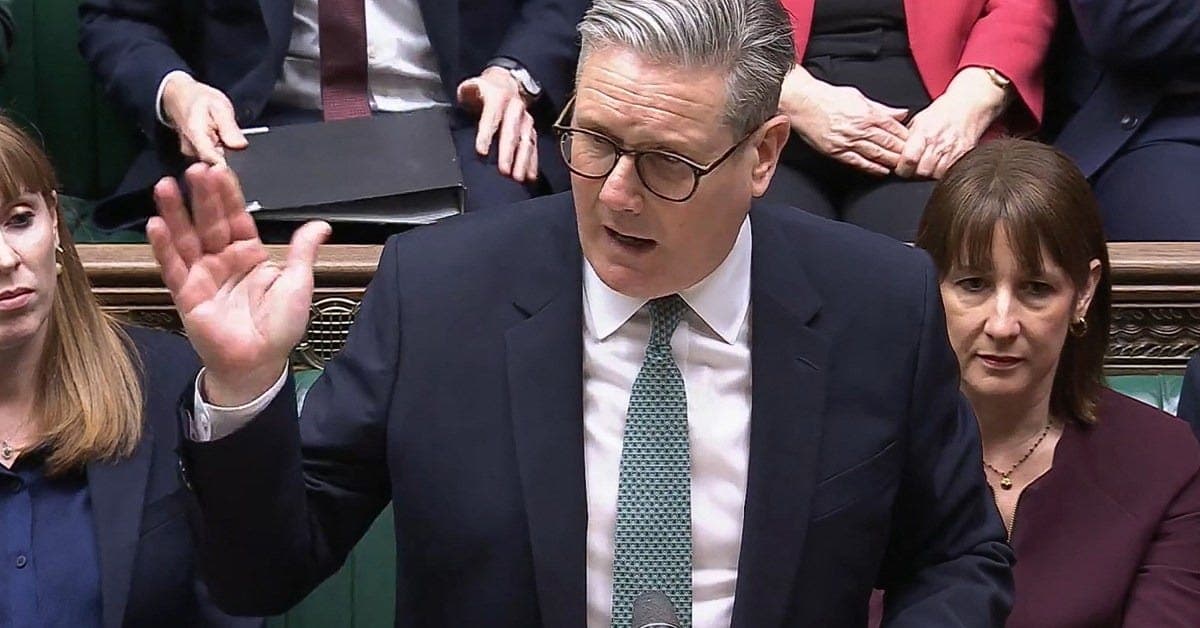
Despite these scandals, the framework of parliamentary oversight continues to serve as a vital pillar of democracy. Rachel Reeves, the Labour Treasury and Finance Minister, has faced rigorous questioning over economic policies, fiscal transparency, and government stewardship—especially amid economic uncertainties and rising inequality. Parallel committee hearings across sectors such as health, women & equalities, and Commonwealth affairs act as essential platforms for scrutinizing ministerial decisions.
Moreover, debates on **youth enfranchisement—advocating for votes at 16—and the protection of MPs from threats and abuse** have gained prominence. Recent campaigns emphasize the urgency of strengthening protections for elected representatives, amid a disturbing rise in threats and intimidation that threaten the integrity and safety of democratic participation.
## Systemic Challenges: Economic Woes, Big Money, and Digital Reforms
Beyond individual scandals, systemic issues dominate the current discourse:
- **Economic Stability:** Experts warn that Britain faces persistent economic headwinds, worsened by global uncertainties and domestic policy missteps. The country's trajectory remains uncertain, prompting calls for strategic reforms to bolster resilience.
- **Influence of Wealth:** The role of wealthy donors and corporate interests remains a contentious issue. Ongoing investigations and op-eds criticize the opacity surrounding political funding, fueling concerns over undue influence.
- **Votes at 16:** Campaigns to lower the voting age to 16 argue that this could rejuvenate democratic participation, particularly among younger voters increasingly disillusioned with traditional parties.
- **MP Security and Protection:** Rising threats against MPs have prompted calls for enhanced security measures and reforms to safeguard representatives, highlighting the deteriorating civility in political discourse.
- **Digital Voter Engagement:** Controversies surrounding new digital tools for voter engagement persist. A recent YouTube video, *"Parliament's true BETRAYAL of British people exposed as MPs 'quaking' over new tool for voters"*, underscores resistance from some MPs who fear these innovations could destabilize existing political structures or be exploited.
## Regional and Constitutional Dynamics: The Rise of Nationalism
The internal strains within the UK are vividly illustrated by escalating regional and nationalist movements. Scottish First Minister John Swinney has warned of a **“seismic moment”** in UK politics, emphasizing the growing momentum for independence and regional autonomy. His recent statements suggest that **Scotland could forge a “better future outside Westminster”**, challenging the traditional unionist consensus and fueling ongoing constitutional debates.
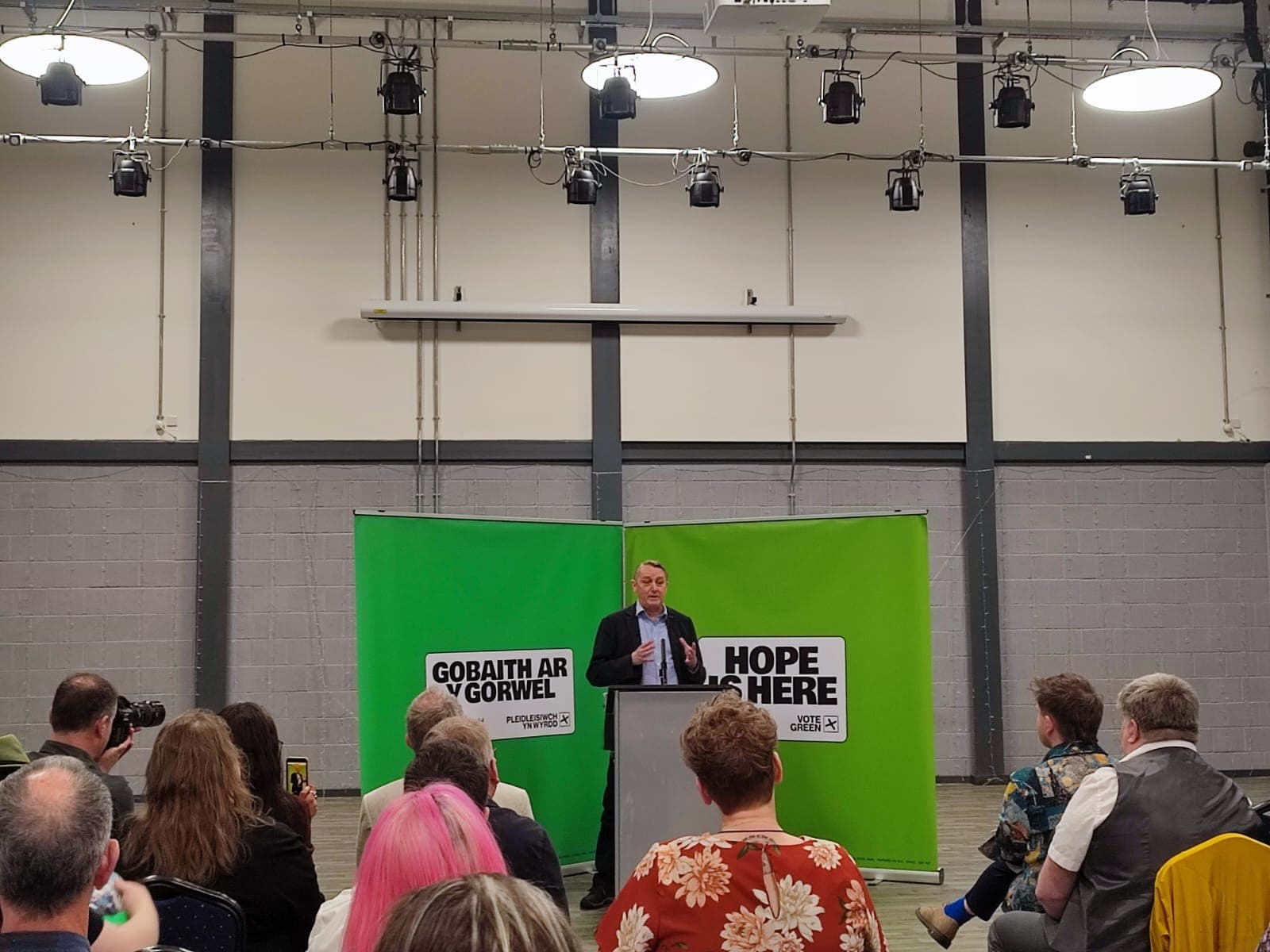
Similarly, in Wales, regional parties and nationalist sentiment continue to push for greater devolution, complicating Westminster’s efforts to maintain the union. These developments threaten to reshape the political landscape, with regional and nationalist agendas gaining substantial electoral traction.
## The Resurgence of Populism and Electoral Realignment
One of the most striking recent trends is the rising influence of Reform UK, which has gained significant ground through electoral victories, grassroots rallies, and shifting polling figures. Recent analyses, such as those from YouGov, suggest that **polling firms may be "suppressing" Reform UK support**, fueling allegations of media bias and manipulation.
Key developments include:
- **By-elections** displaying notable gains for Reform UK and the Green Party, signaling a voter shift away from traditional Labour and Conservative dominance.
- **Polling data** indicating a potential **“plateau”** in Reform UK’s support, yet still representing a fundamental challenge to the existing two-party system.
- The emergence of grassroots movements and rallies emphasizing populist issues, including immigration, sovereignty, and economic reform.
The political landscape is also marked by debates over **digital voter engagement tools**, which some MPs oppose fearing they could be misused or threaten established political dynamics.
## Regional and Nationalist Challenges: Scotland and Wales
The growing regional and nationalist movements are reshaping the constitutional debate. Scottish First Minister John Swinney’s rhetoric about an **"independent Scotland"** and the possibility of **a “better future outside Westminster”** encapsulate these sentiments. These statements reflect a broader trend of regional actors pushing for increased autonomy or independence, which could lead to a constitutional crisis if pursued aggressively.
In Wales, similar currents of regionalism and calls for devolution persist, further complicating Westminster’s efforts to preserve the union amidst rising separatist sentiments.
## The New Frontiers: Immigration and Mass Deportations
Amid the turbulence, a heated public debate has emerged around immigration policies, particularly concerning mass deportations. A recent viral YouTube video titled *"Mass Deportations UK: Can We Remove 150,000+ Illegals a Year? Heated Debate"* has sparked widespread discussion about the feasibility, morality, and political implications of aggressive immigration enforcement.
This debate underscores a broader populist and nationalist pressure: **how to reconcile humanitarian obligations with public concerns over immigration, security, and social cohesion**. Politicians across the spectrum are under increasing scrutiny for their stance on immigration, with some advocating for tougher policies while others call for more humane approaches.
## Outlook: Towards a New Political Epoch
The current constellation of scandals, populist resurgence, regional sovereignty movements, and systemic challenges signals a **period of profound transformation and contestation**. The issues at hand—ranging from **transparency reforms and electoral realignment to constitutional debates and immigration policies**—are likely to be central to the political agenda in the coming years.
**Key implications include:**
- **Heightened calls for transparency and reform**, particularly around political funding, vetting standards, and digital engagement tools.
- **Potential electoral shifts**, driven by populist appeals, regional independence movements, and the rise of alternative parties like Reform UK.
- **Deepening constitutional debates** over the future of the union, regional autonomy, and the structure of British democracy.
- **Increased polarization** over foreign policy issues, especially concerning the Middle East, and domestic debates on immigration and national security.
As Britain stands at this crossroads, the choices made now will shape its political future—whether it will undergo a period of renewal through reform or descend further into division and instability remains to be seen. What is clear is that the coming years will be pivotal in defining the nation’s democratic resilience and constitutional integrity.