The deaths of Renée Good and Alex Pretti at the hands of Immigration and Customs Enforcement (ICE) in Minneapolis have become a profound catalyst for a multifaceted movement demanding immigrant rights, state accountability, and the preservation of collective memory. Recent developments—including a deliberate arson attack on the Renée Good memorial, escalating threats to witnesses, ongoing federal resistance to investigations, and expanding cultural and international solidarity—underscore both the urgency and complexity of this struggle. Moreover, emerging reports reveal that Indigenous and other marginalized communities in Minneapolis face compounded impacts amid the immigration crackdown, broadening the movement’s scope and deepening calls for systemic reform.
---
### Arson Attack on Renée Good Memorial: A Targeted Assault on Memory and Justice
In a disturbing escalation of tensions, the Renée Good memorial in south Minneapolis was deliberately set on fire, causing significant damage to a site that had become a vital space for mourning, activism, and community solidarity. The Minneapolis Police Department has officially classified the incident as arson, intensifying public outrage and grief.
- **Congresswoman Angie Craig condemned the attack as “unacceptable,”** highlighting that such acts aim to erase community memory and silence demands for justice.
- **Luke Gang, cousin of Renée Good, urgently called for the establishment of permanent, secured memorials** equipped with surveillance, legal protections, and dedicated funding to guard against future vandalism.
- Community leaders described the arson as “an effort to burn away our collective memory and the truth of what we endure,” emphasizing that memorials are not only spaces of honor but also platforms sustaining ongoing resistance.
- The attack has amplified calls for **enhanced security measures and formal legal safeguards for memorial sites**, recognizing them as indispensable pillars in the fight against systemic violence.
This act of violence against a memorial site has galvanized the community to protect physical spaces of memory as critical to the broader struggle for justice.
---
### Escalating Threats and Harassment: Witnesses and Activists Under Siege
The environment for witnesses, legal observers, and activists documenting ICE enforcement practices has become increasingly hostile and precarious:
- The **recent suspicious death of a key eyewitness to Renée Good’s shooting**, officially ruled accidental, has fueled fears within immigrant communities about intimidation tactics designed to silence testimony.
- Activists report a sharp increase in **harassment, intimidation, and direct threats** against community volunteers who expose ICE misconduct.
- In response, grassroots organizations have expanded **civilian accompaniment programs**, deploying trained volunteers as physical presence, legal observers, and live-streamers during ICE operations to enhance safety and transparency.
- Movement leaders now call for formal **witness protection programs at both state and federal levels**, offering physical security, legal aid, mental health services, and protections against retaliation.
These developments highlight the urgent necessity for institutional mechanisms that prioritize the safety and well-being of those who bear witness, recognizing their central role in securing justice.
---
### Transparency Deficit: ICE’s Lack of Body Cameras Exacerbates Accountability Crisis
An investigative report has revealed that **the majority of ICE agents continue to operate without body cameras**, a critical tool for transparency and accountability:
- The absence of body-worn cameras frequently undercuts official ICE narratives, as community-recorded videos often present contrasting evidence.
- This transparency gap places the burden of documentation on community activists and legal observers, who face amplified risks of retaliation and harassment.
- Advocates stress that **mandatory body cameras for ICE agents must be coupled with robust legal protections and mental health resources** for those who document enforcement actions.
This lack of transparency deepens the vulnerability of witnesses and fuels demands for comprehensive reforms that include both technological accountability and protections for civic actors.
---
### Cultural Mobilization and International Solidarity Amplify Immigrant Justice
Cultural activism remains a potent force, elevating immigrant justice beyond Minneapolis and across global platforms:
- The **Free Alex Pretti, Renée Good Memorial Concert**, headlined by punk band **Dropkick Murphys**, drew hundreds to the Alex Pretti memorial, blending music with political advocacy.
- Internationally, U2’s politically charged single **“American Obituary”** has spotlighted ICE’s violent enforcement, humanizing victims and galvanizing global support.
- Reflecting growing global resonance, German football club **Werder Bremen canceled their planned U.S. tour**, explicitly citing concerns over ICE-related violence, including the Minneapolis shootings—an unprecedented symbolic protest demonstrating how local tragedies inspire international political pressure.
- Despite this heightened visibility, **President Donald Trump’s 2024 State of the Union address notably omitted any mention of Renée Good or Alex Pretti**, a silence widely interpreted as political erasure.
Through these acts of cultural and political expression, Minneapolis has become a symbolic battleground where local struggles intersect with a broader global movement demanding accountability.
---
### Expanding Community Impacts: Indigenous and Marginalized Populations Confront Disproportionate Harm
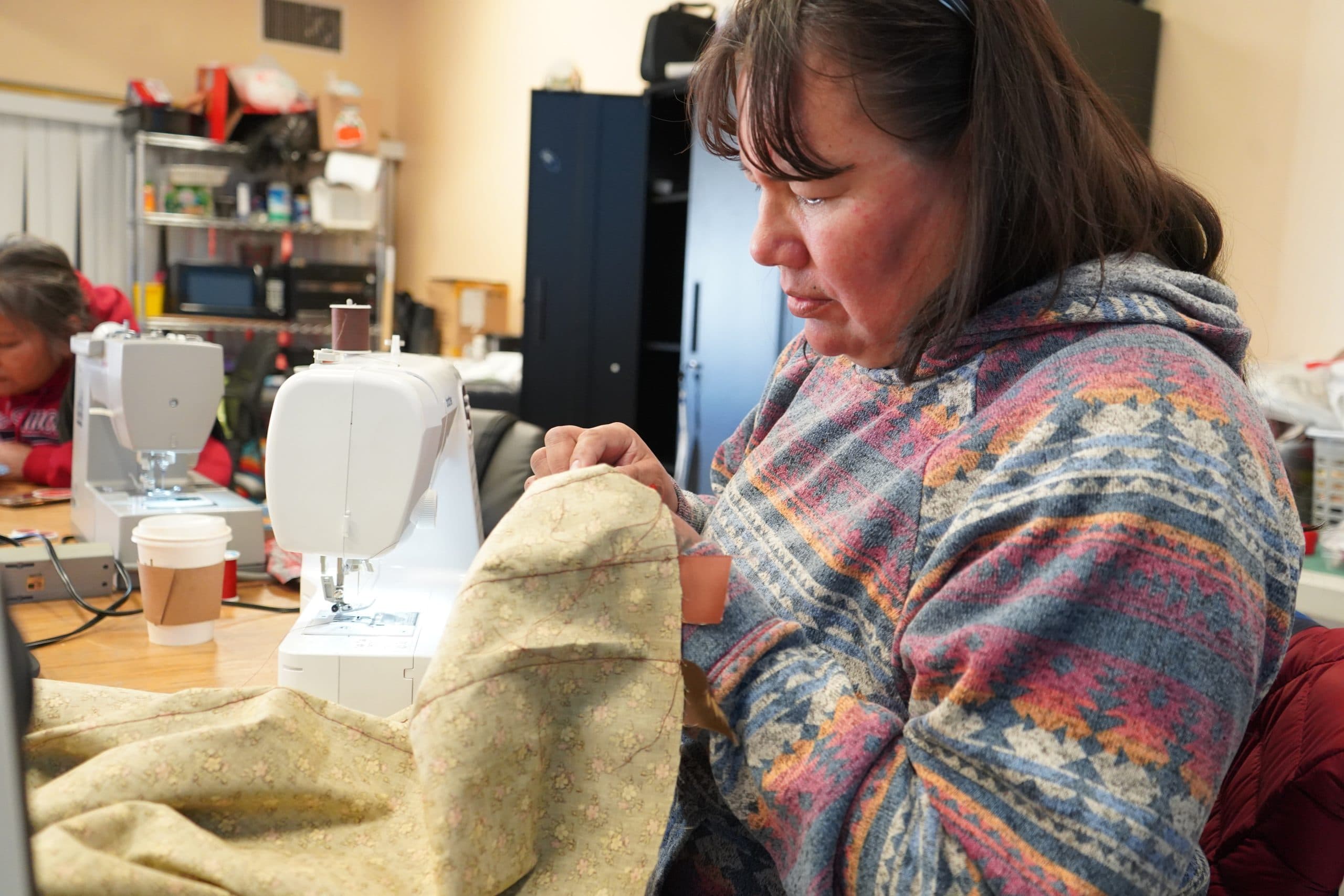
Recent reporting by Sicangu Lakota journalist Kevin Abourezk highlights how Indigenous communities in Minneapolis, often overlooked in immigration discourse, are uniquely vulnerable amid ICE enforcement surges:
- The area described as a “little reservation” within Minneapolis has experienced heightened anxiety and disruption due to aggressive ICE actions, mirroring the trauma felt by immigrant communities.
- Indigenous activists emphasize the intersectional nature of this crisis, noting that immigration crackdowns exacerbate systemic marginalization, surveillance, and violence faced by Indigenous and other communities of color.
- These revelations broaden the movement’s lens, underscoring the need for solidarity and inclusive advocacy that recognizes the compounded impacts of immigration enforcement on diverse marginalized groups.
This expanded understanding challenges advocates and policymakers to address the full spectrum of communities affected by ICE’s enforcement tactics.
---
### Federal Scrutiny and Institutional Resistance: Accountability Still Elusive
Efforts to hold ICE accountable continue to face significant institutional barriers:
- Congressional hearings led by **Senator Richard Blumenthal** and **Representative Jesús "Chuy" García** have exposed glaring deficiencies in ICE’s training programs amid rapid workforce expansion; whistleblowers described training as “deficient, defective and broken.”
- The **Department of Justice (DOJ) remains resistant to full cooperation with Minnesota state investigations** into the shootings, citing jurisdictional and procedural hurdles.
- Staffing crises at the Minnesota U.S. Attorney’s office—marked by retirements and resignations—have resulted in delays and dismissals of federal prosecutions related to ICE enforcement.
- Several implicated ICE agents remain on administrative leave; families and advocates continue to demand full legal accountability and disciplinary action.
- Legal experts like **Albert W. Alschuler** have criticized DOJ’s stonewalling as a major obstacle to justice, raising fears of entrenched systemic impunity.
These persistent institutional failures underscore the formidable obstacles to securing meaningful reform and accountability.
---
### Legislative and Local Responses: Political Momentum Amid Complex Pressures
In response to the Minneapolis cases and broader ICE controversies, state and local political efforts have gained traction, though challenges remain:
- In Virginia, lawmakers such as **State Senator Saddam Azlan Salim (D–Fairfax)** are advancing bills aimed at restricting ICE authority and strengthening protections for immigrant communities, inspired by Minneapolis’s crisis.
- Local campaigns press municipalities to **end contracts that allow ICE to train on public gun ranges**, viewed as militarizing enforcement tactics.
- A recent lawsuit filed by legal observers in Maine alleges **Department of Homeland Security (DHS) surveillance and intimidation**, signaling nationwide alarm over enforcement monitoring.
- Minneapolis city officials condemned the memorial arson but rejected proposals to revoke liquor licenses for hotels housing ICE personnel, reflecting political balancing acts amid community pressure.
- Community leaders have voiced concerns about **voter intimidation linked to ICE enforcement surges**, warning aggressive raids suppress immigrant and marginalized voter turnout, threatening democratic participation.
These dynamics reveal growing political will to curb ICE’s operational reach, though navigating institutional and political complexities remains challenging.
---
### Movement Demands Sharpen Amid Escalating Challenges
In light of persistent threats, institutional inertia, and political silence, immigrant justice advocates have crystallized urgent demands:
- **Permanent, secure memorials** with dedicated funding, surveillance, and legal protections to safeguard collective memory from vandalism and erasure.
- Comprehensive **witness protection programs** offering physical safety, legal aid, mental health support, and protection against retaliation for those documenting ICE abuses.
- A fundamental **overhaul of ICE’s use-of-force policies and training**, emphasizing transparency, de-escalation, and accountability.
- Legislative measures to **limit qualified immunity for federal agents**, facilitating prosecution and deterring misconduct.
- Legal safeguards for **legal observers** and restrictions on local government cooperation with ICE, aiming to shield immigrant communities from aggressive enforcement.
These demands recognize that preserving memory and protecting witnesses are foundational pillars in the struggle for justice and human dignity.
---
### Minneapolis as a National and International Bellwether
The deaths of Renée Good and Alex Pretti have become emblematic of a wider national crisis involving aggressive ICE enforcement and fatal encounters. Minneapolis now stands at the crossroads where grassroots activism, cultural mobilization, legal scrutiny, and political pressure converge.
International acts of solidarity—from U2’s global music advocacy to Werder Bremen’s canceled tour—demonstrate how local tragedies can ignite global movements demanding systemic reform and accountability.
---
### Conclusion: Defending Memory, Protecting Witnesses, and Sustaining the Struggle for Justice
The recent arson attack on the Renée Good memorial, escalating threats against witnesses, DOJ resistance to investigations, and ICE’s transparency shortcomings collectively reveal the daunting challenges confronting the immigrant justice movement. Yet cultural mobilization, grassroots activism, and political pressure continue to drive a multifaceted struggle for accountability and systemic reform.
Minneapolis’s cases expose deep systemic failures within ICE and the DOJ, underscoring the urgent need for comprehensive protections for memorials, witnesses, and immigrant communities. Sustained attention, coordinated advocacy, and institutional change are essential to ensure that the deaths of Renée Good and Alex Pretti catalyze meaningful justice rather than fade into silence.
---
### Key Takeaways
- The **arson attack on the Renée Good memorial** has intensified demands for secure, permanent remembrance sites with surveillance and legal safeguards.
- **Most ICE agents still lack body cameras**, severely limiting transparency and accountability.
- Cultural activism—including the **Dropkick Murphys benefit concert, U2’s global outreach, and international sports boycotts**—has elevated immigrant justice to an international platform.
- **President Donald Trump’s 2024 State of the Union address** notably omitted mention of Renée Good and Alex Pretti, raising concerns about political erasure.
- Congressional hearings have exposed systemic ICE training failures, while DOJ stonewalling and Minnesota’s federal prosecutor staffing crisis hamper accountability.
- State and local legislative efforts reflect growing political momentum to constrain ICE’s reach and protect immigrant communities.
- Emerging reports highlight **disproportionate impacts on Indigenous and other marginalized populations**, expanding the movement’s scope.
- Local political responses remain mixed, with unresolved concerns about **voter intimidation linked to ICE enforcement surges**.
- Movement demands emphasize memorial security, robust witness protections, ICE policy overhaul, limits on qualified immunity, and protections for legal observers.
- The crisis surrounding ICE enforcement and accountability is increasingly framed as a **nationwide problem**, requiring broad systemic reforms.
The ongoing struggle to defend memory, protect witnesses, and hold powerful institutions accountable remains a frontline battle in the broader immigrant rights movement—one that Minneapolis continues to embody with urgency and resilience.