# US-Israel Strikes and Iranian Retaliation Drive Rapidly Widening Regional War
The Middle East stands on the precipice of an unprecedented crisis as intensified military confrontations and shifting leadership dynamics threaten to engulf the region in a full-scale war. The recent escalation, marked by the United States and Israel launching coordinated strikes against Iran’s strategic infrastructure, has ignited a fierce and multifaceted Iranian retaliation. With leadership upheaval, proxy mobilization, and global powers taking sides, the likelihood of a protracted and wider conflict has surged, with profound implications for regional stability and global security.
## Major US and Israeli Strikes on Iran
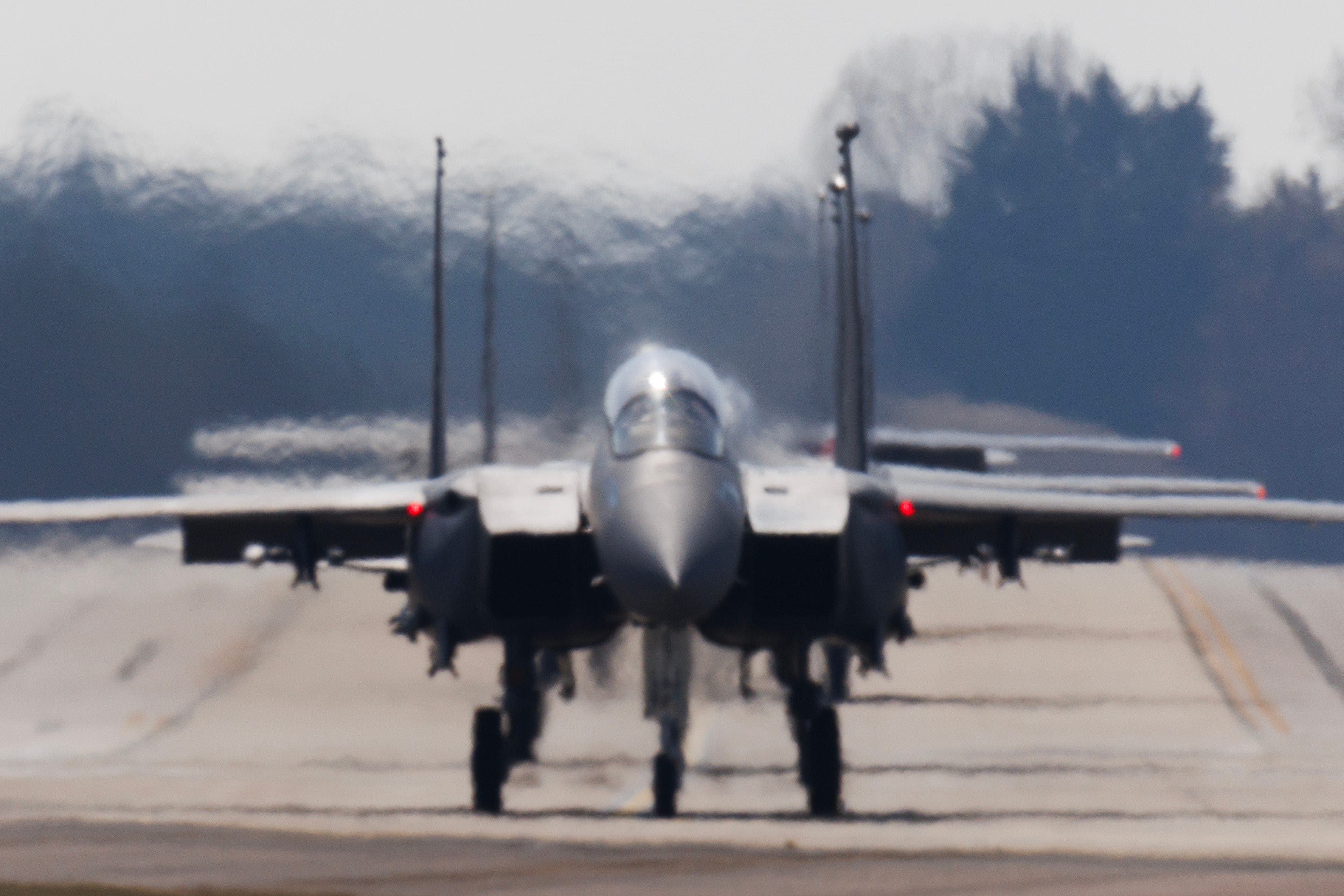
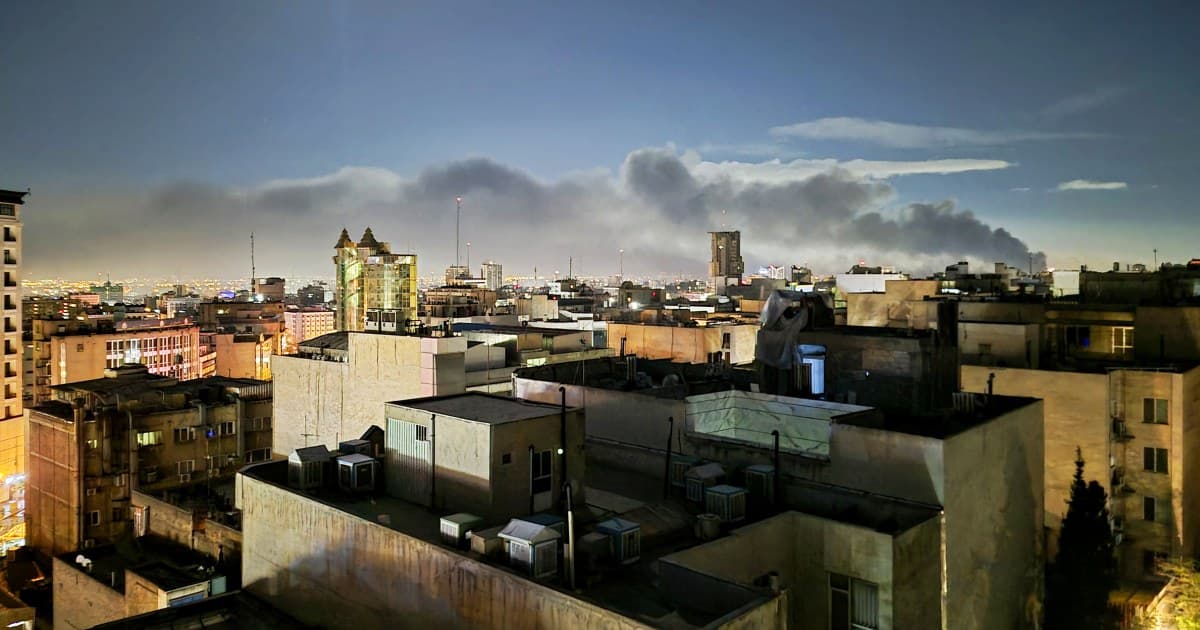
In an unprecedented move, the US and Israel conducted extensive military operations targeting Iran’s key military, nuclear, and economic sites. These strikes aimed to weaken Iran’s military capacity and nuclear ambitions but also resulted in significant damage across several vital assets:
- **Kharg Island**: Repeatedly targeted, this crucial hub for Iran’s oil exports and naval operations has suffered substantial hits, underscoring Iran’s resilience but also its vulnerability.
- **Oil Depots and Infrastructure**: Multiple facilities across Iran have been destroyed, disrupting the country's energy production and export capabilities.
- **Nuclear Research Facilities**: Strategic sites associated with Iran’s nuclear program have been heavily damaged, intensifying fears of escalation into nuclear proliferation.
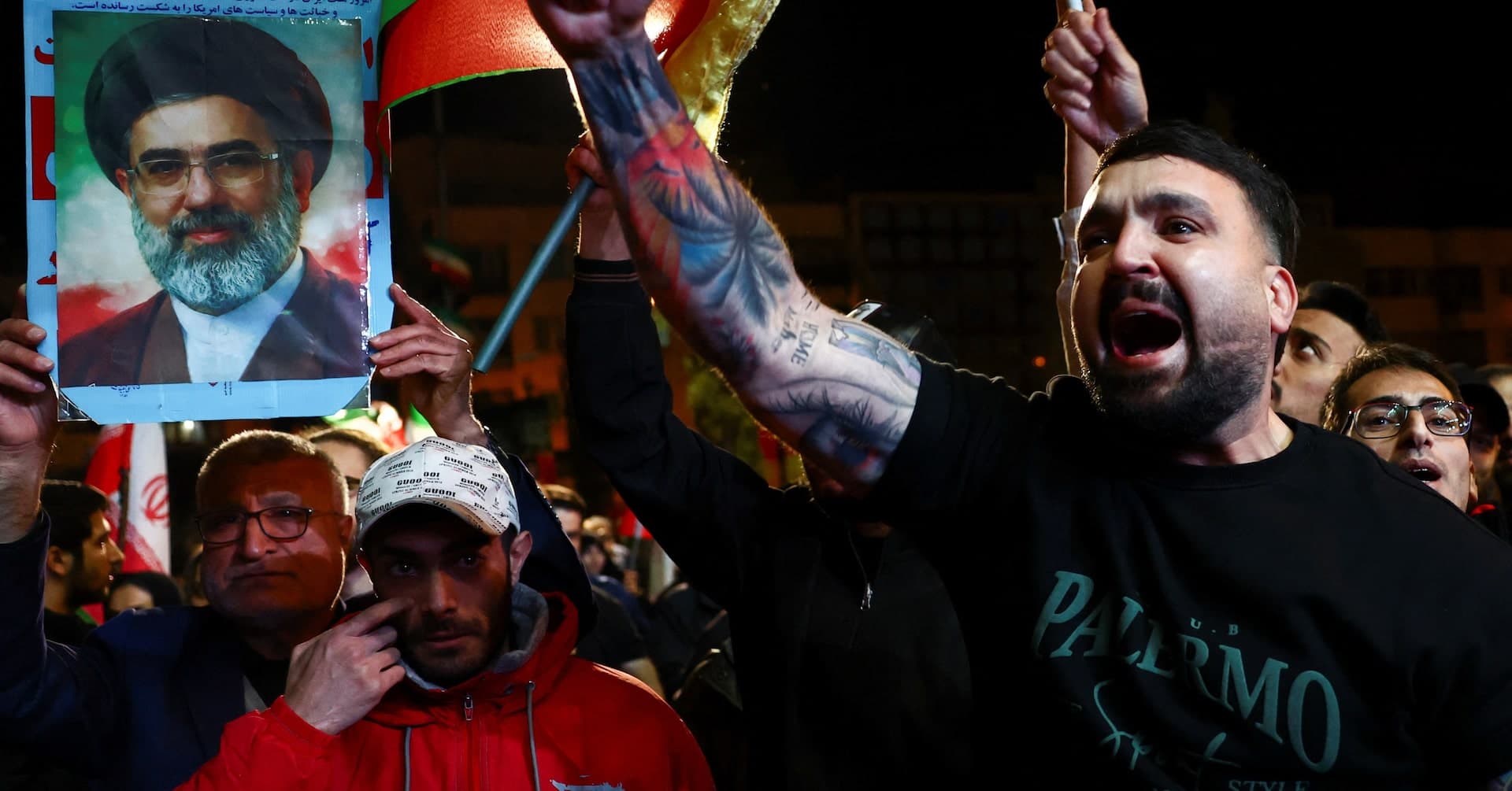
Amid these hostilities, unconfirmed reports have circulated suggesting that **Iran’s Supreme Leader, Ayatollah Ali Khamenei**, may have died as a result of these assaults—an event that could significantly destabilize Iran’s internal cohesion and regional stance. Official Iranian media acknowledged severe damage but stopped short of confirming Khamenei’s death. However, Iran has swiftly installed **Mojtaba Khamenei** as the new Supreme Leader, signaling a potential shift toward a more hardline and uncompromising stance.
**Mojtaba’s first public statements** have been resolute, rejecting diplomacy and emphasizing Iran’s readiness for prolonged conflict. Notably, he has **threatened to close the Strait of Hormuz**, the strategic maritime chokepoint for global oil shipments—a move that could trigger a broader international military response and destabilize global energy markets.
## Iran’s Escalatory and Immediate Responses
Iran’s retaliation has been rapid, wide-ranging, and increasingly aggressive:
- **Missile and Drone Attacks**: The Islamic Revolutionary Guard Corps (IRGC) has launched attacks on US military bases across Iraq, Syria, and Afghanistan, resulting in casualties and infrastructure damage.
- **Targeting Israeli Assets**: Iran-backed groups have launched strikes on Israeli positions in northern Israel and occupied territories, raising fears of a **multi-front regional war**.
- **Proxy Mobilization**: Iran has ramped up activity among its proxies, notably Hezbollah in Lebanon and the Houthis in Yemen, preparing for further escalation.
- **Claims of Direct Attacks**: The IRGC announced a **“direct hit” on a US military headquarters in Iraqi Kurdistan**, demonstrating Iran’s capacity and willingness to escalate directly against US interests.
Additionally, Iran targeted **Kharg Island**, underscoring its resilience and capacity for sustained resistance. The IRGC’s rhetoric underscores Iran’s determination: **“We will retaliate with full force if provoked further.”**
## Diplomatic and Geopolitical Dynamics
Despite ongoing violence, diplomatic efforts continue amid mounting chaos:
- The **Biden administration** has begun **evacuating diplomatic personnel from key Gulf allies**, citing fears of Iranian strikes or spillover violence. Security alerts have been issued across the Gulf region.
- **Turkey’s President Recep Tayyip Erdoğan** has called for restraint and emphasized the importance of diplomacy, though Turkey remains cautious amid the turmoil.
- Gulf Cooperation Council (GCC) countries such as **Saudi Arabia, the UAE, and Qatar** have issued cautious statements, acknowledging the risks of further escalation and the threat to global energy supplies.
### Global Powers’ Engagement
The crisis has drawn in major global powers, with Russia and China notably supporting Iran’s position:
- **Russia** has condemned Western military actions, emphasizing Iran’s right to self-defense. Kremlin spokesperson **Maria Zakharova** warned that further escalation could lead to broader regional conflict.
- **China** has criticized Western sanctions and military interventions, increasing diplomatic outreach to Iran. The **Global Times** reports that Beijing is actively seeking to de-escalate through diplomacy.
The **United Nations** has called for renewed dialogue, with Secretary-General **António Guterres** urging all parties to return to negotiations and avoid further violence. However, the international community remains deeply divided.
### US Strategic Moves and Casualties
In a provocative move, the US announced a **$10 million bounty** on **Mojtaba Khamenei** and top IRGC officials, signaling a strategy of economic and military pressure. Meanwhile, **Operation Epic Fury**, a US-led campaign targeting Iranian military sites, has resulted in **at least 13 American service members’ deaths** and widespread destruction of Iranian military infrastructure.
**President Donald Trump** has publicly stated that **“the US is not yet prepared to make a deal”** with Iran, indicating low prospects for immediate negotiations and suggesting that the US is adopting a hardline stance.
## Recent and Notable Developments
- **Iran’s leadership shift** with Mojtaba Khamenei’s ascension has led to more hardened rhetoric, including overt threats to **close the Strait of Hormuz**.
- **Iran’s continued threats** to attack overseas financial and strategic targets, including US bank branches and critical infrastructure, signal an escalation beyond conventional military responses.
- The **US and Israel** remain committed to striking strategic sites, especially on Kharg Island, despite Iran’s demonstrated resilience.
- **Proxy groups** such as Hezbollah and the Houthis are mobilizing, with reports suggesting preparations for expanded attacks on Israel and US interests.
### New Articles and Insights
- **“Iran War News: Trump Says US Not Yet Prepared to ‘Make a Deal’ with Tehran”**—highlighting the current US stance, emphasizing that diplomatic resolution remains elusive amid ongoing hostilities.
- **“UN Chief Calls for Diplomatic Channels to End Conflict”**—a plea for de-escalation amid the rising tide of violence.
- **“IRGC Warns of Expanded Attacks on US Bank Branches”**—illustrating Iran’s strategic threat to US economic interests beyond military targets.
## Current Status and Future Outlook
The situation remains highly volatile. Key factors to monitor include:
- The **status of Khamenei’s health and leadership stability** in Iran.
- The **extent and impact of Iranian threats** to close the Strait of Hormuz, which could trigger large-scale military responses.
- The **scale and effectiveness** of Iran’s retaliatory strikes and proxy mobilization.
- The **possibility of diplomatic breakthroughs**, which appear increasingly unlikely as both sides prepare for prolonged conflict.
- The potential for **wider regional escalation**, involving Lebanon, Yemen, and possibly other countries, complicating the conflict further.
### Implications
The coming days are critical. If Iran escalates further—through more strikes, attempts to block vital waterways, or large proxy campaigns—the risk of **wider regional war and global economic disruption** will escalate sharply. The global energy market remains vulnerable, especially if the Strait of Hormuz is threatened or blocked.
Diplomatic channels are strained, and prospects for negotiation appear slim, raising fears of a **prolonged, devastating conflict** with far-reaching consequences. The conflict’s escalation could reshape the Middle East’s geopolitical landscape, threaten global energy stability, and trigger economic turmoil worldwide.
## Conclusion
The recent military actions, leadership shifts, and aggressive rhetoric mark a perilous moment in Middle Eastern geopolitics. As the US, Israel, and Iran move toward a potential flashpoint, the international community faces a stark choice: pursue renewed diplomacy or risk a catastrophic regional and global war. The decisions made in the coming days will determine whether this crisis can be contained or spiral into a conflict with consequences that could last for years.